Accurately calculating I beam weight is critical for structural engineers, procurement teams, and project managers working with steel construction. This step-by-step guide explains the precise calculation methods using standard specifications and dimensions, helping you optimize material costs and ensure structural safety. Whether you're comparing I beam vs H beam applications, sourcing from a reliable steel I beam supplier in Malaysia, or evaluating factory prices for procurement, understanding weight calculations directly impacts your project budgeting and logistics planning.
Understanding I Beam Specifications and Dimensions
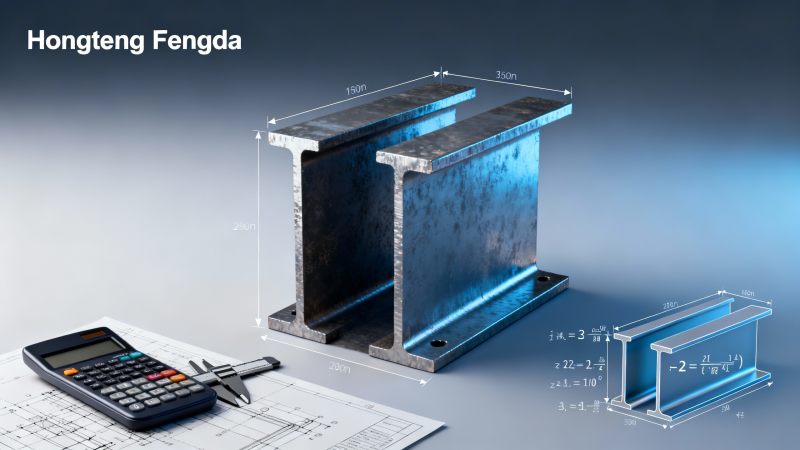
Before calculating the weight of an I beam, it's essential to understand its standard specifications and dimensions. I beams, also known as universal beams or H beams in some regions, are characterized by their distinctive "I" shape with two horizontal flanges connected by a vertical web. The key dimensions that affect weight calculation include:
- Flange width (b) - The horizontal top and bottom sections
- Web height (h) - The vertical center section
- Flange thickness (tf) - Thickness of the horizontal sections
- Web thickness (tw) - Thickness of the vertical section
- Length (L) - Total length of the beam
These dimensions are typically specified in millimetres or inches and can be found in standard steel section tables. For procurement professionals comparing steel beam factory prices, understanding how these dimensions affect weight is crucial for accurate cost estimation. The same principles apply when evaluating angle steel price per ton in Philippines or other regional markets.
When selecting materials for projects requiring corrosion resistance, engineers might consider alternatives like 304 Stainless steel pipe for specific applications, particularly in food/medical sectors or industrial piping systems where its excellent corrosion resistance and mechanical properties are advantageous.
Step-by-Step Calculation Method for I Beam Weight
The most accurate method for calculating I beam weight involves breaking down the cross-sectional area into simpler geometric shapes. Here's the detailed process:
1. Calculate Cross-Sectional Area
Divide the I beam into three rectangular sections: two flanges and one web. The total cross-sectional area (A) is calculated as:
A = (2 × b × tf) + (h × tw)
Where dimensions are in consistent units (all mm or all inches). This calculation is fundamental whether you're buying angle steel online or procuring I beams for large-scale construction.
2. Determine Volume
Multiply the cross-sectional area by the beam length to get volume:
V = A × L
For project managers working with steel I beam suppliers in Malaysia or other regions, accurate volume calculations help in logistics planning and transportation cost estimation.
3. Calculate Weight Using Density
The standard density of structural steel is approximately 7850 kg/m³ (0.2836 lb/in³). Convert your volume to cubic meters or cubic inches accordingly, then multiply by density:
Weight (kg) = V (m³) × 7850
Weight (lb) = V (in³) × 0.2836
For quality control personnel, understanding these calculations ensures structural components meet safety requirements, whether working with hot rolled sections or other steel products.
Practical Example: Calculating Weight for a Standard I Beam
Let's apply these calculations to a practical example using a common I beam size:
Consider an I beam with the following dimensions:
- Flange width (b) = 150 mm
- Flange thickness (tf) = 10.7 mm
- Web height (h) = 300 mm
- Web thickness (tw) = 7.1 mm
- Length (L) = 6 meters
Following our calculation steps:
- Cross-sectional area: A = (2 × 150 × 10.7) + (300 × 7.1) = 3210 + 2130 = 5340 mm²
- Convert to m²: 5340 mm² = 0.00534 m²
- Volume: V = 0.00534 m² × 6 m = 0.03204 m³
- Weight: 0.03204 m³ × 7850 kg/m³ = 251.51 kg
This calculation method is essential for procurement teams comparing steel beam factory prices or evaluating angle steel price per ton in Philippines markets, as weight directly affects material costs.
I Beam vs H Beam: Weight Calculation Differences
While the fundamental calculation approach remains similar, there are important distinctions between I beam and H beam weight calculations:
For structural engineers deciding between I beam vs H beam applications, these differences affect not only weight calculations but also load-bearing capacity and structural performance. Similar considerations apply when selecting materials like 304 Stainless steel pipe for specific environmental conditions or mechanical requirements.
Common Mistakes and How to Avoid Them
Even experienced engineers can make errors in I beam weight calculations. Here are frequent pitfalls and how to prevent them:
1. Unit Consistency Errors
Mixing metric and imperial units is a common source of calculation errors. Always:
- Use all dimensions in the same unit system
- Double-check conversions when necessary
- Verify density units match your measurement system
2. Ignoring Tolerances
Manufacturing tolerances mean actual dimensions may vary slightly from nominal specifications. For critical applications:
- Consult manufacturer's tolerance specifications
- Consider adding a safety factor for weight-sensitive designs
- Request actual measurements for precision projects
3. Overlooking Surface Treatments
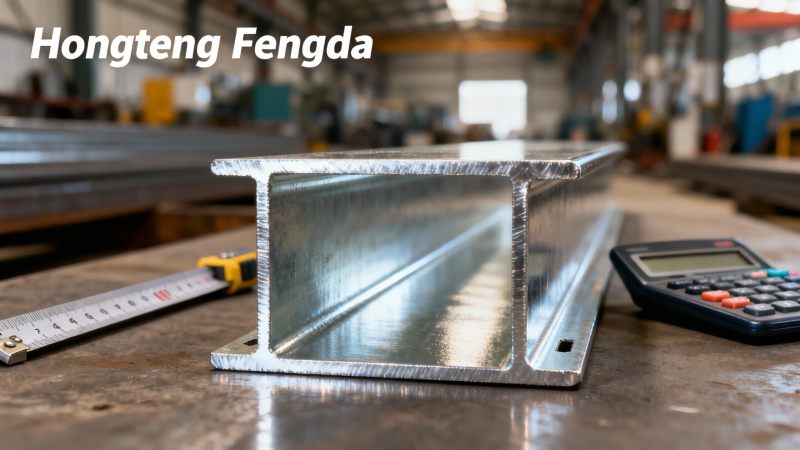
Galvanizing or other coatings add weight. For accurate calculations:
- Add 3-5% for hot-dip galvanizing
- Account for paint thickness if specified
- Consider alternative materials like stainless steel when corrosion resistance is needed
These considerations are particularly important for procurement specialists evaluating steel beam factory prices or comparing angle steel price per ton in Philippines markets, where accurate weight calculations directly impact project budgets.
Conclusion and Professional Recommendations
Accurate I beam weight calculation is fundamental for structural integrity, cost control, and logistics planning in construction projects. By following the systematic approach outlined in this guide, engineers, procurement teams, and project managers can ensure precise material estimations whether working with standard I beams, comparing I beam vs H beam options, or sourcing from a steel I beam supplier in Malaysia.
For projects requiring additional corrosion resistance or specific mechanical properties, materials like 304 Stainless steel pipe may offer suitable alternatives, particularly in food processing, medical, or industrial applications where its universal properties provide reliable performance.
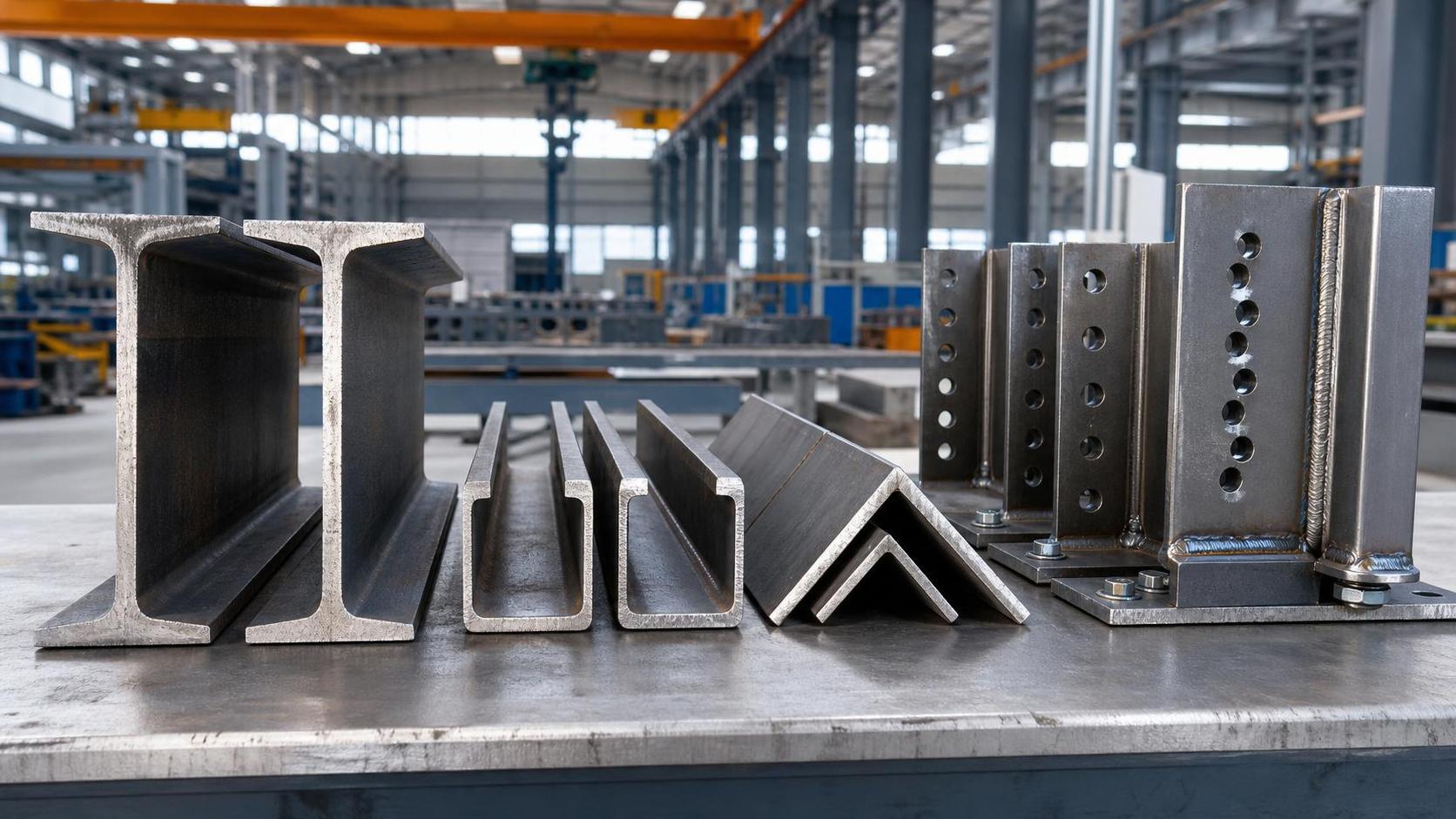
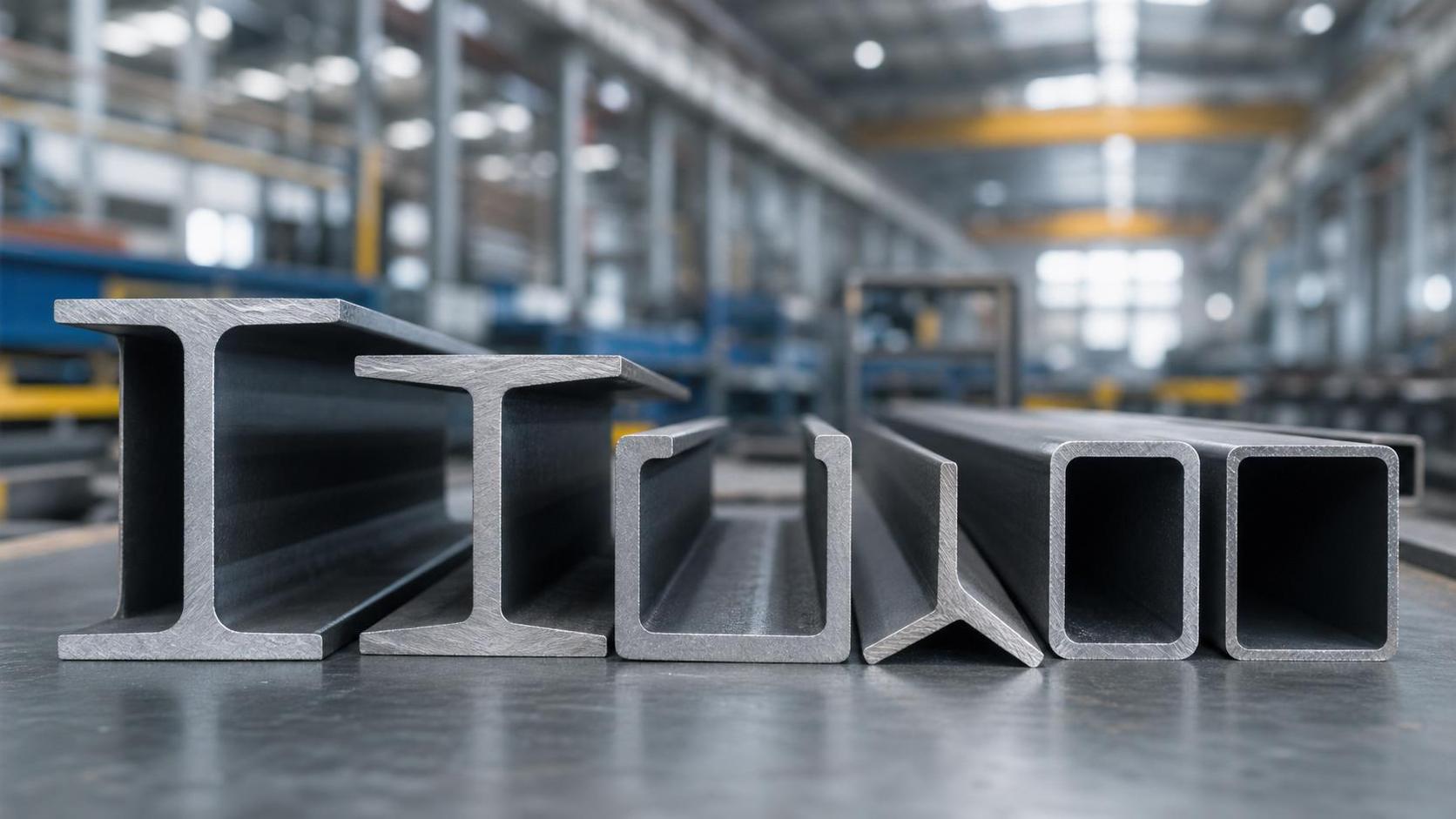
As a professional structural steel manufacturer and exporter, Hongteng Fengda provides reliable steel products and customized solutions for global construction projects. Our expertise in angle steel, channel steel, steel beams, and cold formed steel profiles ensures clients receive products that meet international standards including ASTM, EN, JIS, and GB.
For precise weight calculations, customized steel solutions, or to discuss your specific project requirements, contact our engineering team today for professional support and competitive pricing.
- channel steel
- steel i
- i beam suppliers
- h beams
- steel i beam supplier
- h beam
- angle steel
- steel construction
- steel pipe
- structural steel
- steel beams
- steel profiles
- Structural Steel
- Steel Beams
- 304 stainless steel pipe
- stainless steel pipe
- Profile
- Steel I Beam supplier in Malaysia
- I beam vs H beam
- steel beam factory price
- Steel Beam
Related recommendations
 How to Select a Steel Profile Based on Load, Span, and Fabrication NeedsProfile selection starts with load, span, and fabrication needs. Learn how to compare steel sections for strength, cost, workability, and sourcing efficiency.
 What Is a Steel Profile? Common Shapes, Uses, and Selection BasicsProfile selection starts with shape, but performance depends on load, fabrication, and standards. Learn common steel profile types, uses, and smart selection basics.
 Galvanized Pipe vs Black Pipe: Which One Fits Water, Gas, or Outdoor Lines?Galvanized pipe or black pipe? Compare the best choice for water, gas, and outdoor lines, with key insights on corrosion, codes, cost, and long-term performance.
 How to Choose Steel Roofing for Warehouses, Farms, and Residential BuildingsSteel Roofing selection depends on building type. Learn how warehouses, farms, and homes differ in corrosion, insulation, drainage, and cost for smarter roofing decisions.
Please give us a message


Please enter what you want to find