Choosing between I beams and H beams is critical for structural integrity and cost efficiency in construction projects. As a leading steel beam factory and angle steel supplier, Hongteng Fengda explains key differences in specifications, dimensions, and load-bearing capacities to help project managers, procurement specialists, and engineers make informed decisions. Whether you need hot-rolled steel beams in Malaysia or calculating I beam weight for Philippine projects, understanding these structural steel profiles ensures optimal material selection for your building requirements.
Understanding the Structural Differences Between I Beams and H Beams
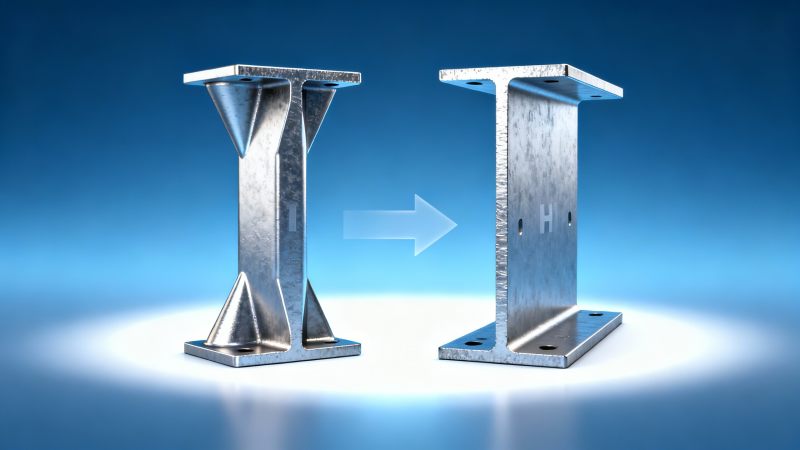
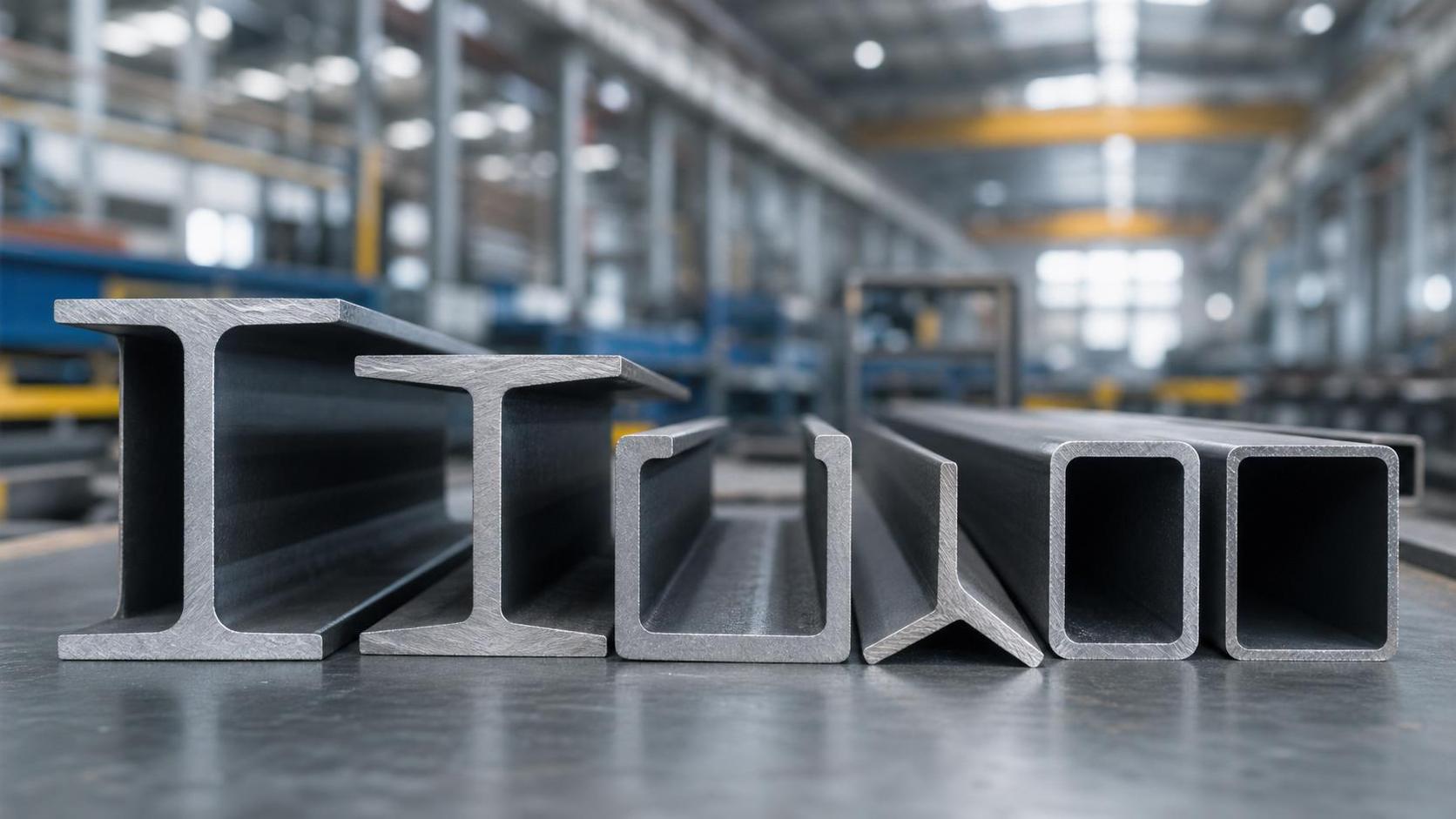
When selecting structural steel components for construction projects, engineers and procurement specialists often face the dilemma of choosing between I beams and H beams. While both are widely used in building frameworks, bridges, and industrial structures, they exhibit distinct geometric and mechanical properties that determine their suitability for specific applications. The primary visual difference lies in their cross-sectional shape: I beams have tapered flanges with a narrower profile, while H beams feature parallel flanges with equal thickness throughout. This fundamental variation in design translates to differences in load-bearing capacity, weight distribution, and installation flexibility.
Key Specifications and Dimensional Variations
The manufacturing process significantly impacts the final product characteristics. Hot-rolled steel beams typically offer superior strength and durability compared to cold-formed alternatives. For projects requiring precise calculations, understanding how to calculate I beam weight becomes essential - this involves considering the beam's length, width, flange thickness, and material density. H beams, with their wider flanges, generally provide better stability against lateral forces, making them preferable for seismic zones or high-rise constructions. Our steel beam factory price structure reflects these technical differences, with H beams often commanding a premium due to their enhanced load distribution capabilities.
Performance Comparison: Load Capacity and Application Scenarios
The choice between these structural steel profiles should be guided by engineering requirements and project specifications. I beams excel in vertical load applications where bending resistance is paramount, such as floor joists or roof supports. Their tapered design allows for efficient material use while maintaining strength, often resulting in cost savings for projects with strict budget constraints. Conversely, H beams demonstrate superior performance in applications requiring multidirectional load support, including columns, bridge piers, and heavy industrial frameworks. When sourcing from a reliable Steel I Beam supplier in Malaysia or other regions, project managers should carefully evaluate these performance characteristics against their structural requirements.
Material Considerations and International Standards
Quality control professionals should note that both beam types must comply with relevant international standards such as ASTM, EN, JIS, or GB, depending on the project location and specifications. The Angle Steel price per ton Philippines market, for instance, often reflects compliance with both local and international building codes. For projects requiring additional corrosion protection, consider complementing your structural framework with Color Coated Galvanized Steel Sheet PPGI for roofing or cladding applications. This high-performance material offers exceptional weather resistance and longevity, particularly in tropical climates.
Cost-Benefit Analysis and Procurement Strategies
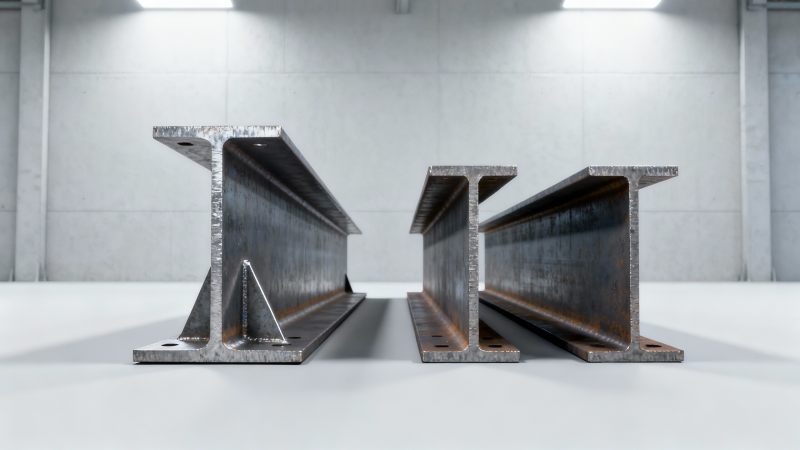
Procurement specialists must balance technical requirements with budget considerations when buying angle steel online or through traditional channels. While I beams typically offer lower initial costs due to their simpler manufacturing process, H beams may provide long-term value through reduced maintenance and greater structural efficiency. The decision should factor in not just the unit price but also installation costs, lifespan expectations, and potential savings from reduced material usage. For large-scale projects, consulting with experienced manufacturers like Hongteng Fengda can help optimize material selection and procurement strategies.
Installation Considerations and Project Management Insights
Project managers overseeing construction timelines should account for the different handling requirements of these structural components. H beams generally offer easier welding and connection due to their uniform flange thickness, potentially reducing labor hours. I beams may require specialized connection details at their tapered flanges. Safety managers should ensure proper lifting equipment is available, as even beams with similar dimensions can have significantly different weights. The ability to buy angle steel online with precise specifications can streamline the procurement process, but always verify material certifications and testing reports before installation.
Making the Right Choice for Your Construction Project
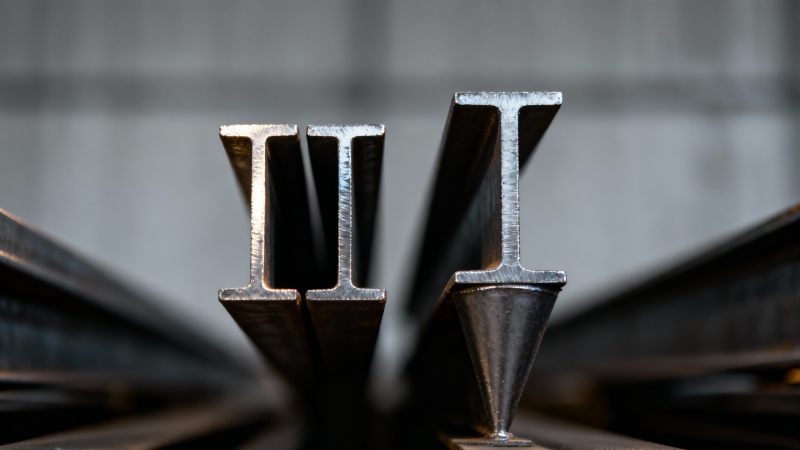
The decision between I beams and H beams ultimately depends on your specific structural requirements, budget constraints, and performance expectations. For projects demanding maximum strength-to-weight ratio in vertical applications, I beams often present the optimal solution. When multidirectional stability and ease of connection are priorities, H beams typically outperform. As a professional structural steel manufacturer serving global markets, Hongteng Fengda recommends conducting thorough engineering analysis before finalizing your material selection. Our technical team can provide detailed specifications, dimensions, and price comparisons to support your decision-making process.
For projects requiring complementary materials, our Color Coated Galvanized Steel Sheet PPGI offers excellent corrosion protection and aesthetic appeal for various architectural applications. Whether you're calculating I beam weight for Philippine projects or sourcing hot-rolled steel beams in Malaysia, understanding these key differences ensures you select the most appropriate structural solution. Contact our expert team today to discuss your project requirements and receive customized steel solutions that combine quality, reliability, and cost-efficiency.
- steel i
- h beams
- steel i beam supplier
- h beam
- angle steel supplier
- angle steel
- galvanized steel sheet
- steel supplier
- galvanized steel
- structural steel
- steel beams
- steel profiles
- Structural Steel
- Steel Beams
- Profile
- Galvanized
- Steel I Beam supplier in Malaysia
- Angle Steel price per ton Philippines
- how to calculate i beam weight
- buy angle steel online
- steel beam factory price
- Steel Beam
Related recommendations
 How to Select a Steel Profile Based on Load, Span, and Fabrication NeedsProfile selection starts with load, span, and fabrication needs. Learn how to compare steel sections for strength, cost, workability, and sourcing efficiency.
 What Is a Steel Profile? Common Shapes, Uses, and Selection BasicsProfile selection starts with shape, but performance depends on load, fabrication, and standards. Learn common steel profile types, uses, and smart selection basics.
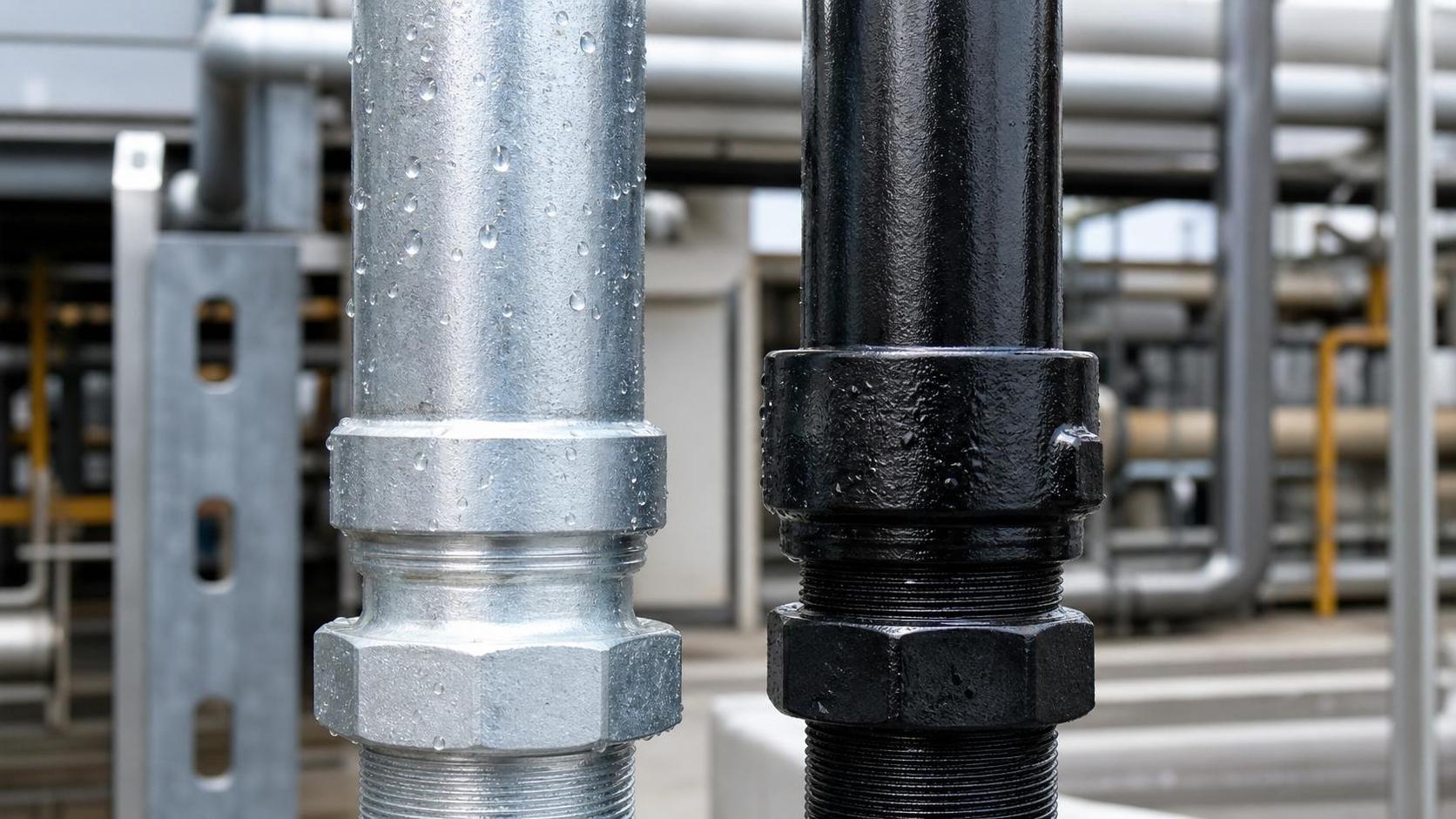
 Galvanized Pipe vs Black Pipe: Which One Fits Water, Gas, or Outdoor Lines?Galvanized pipe or black pipe? Compare the best choice for water, gas, and outdoor lines, with key insights on corrosion, codes, cost, and long-term performance.
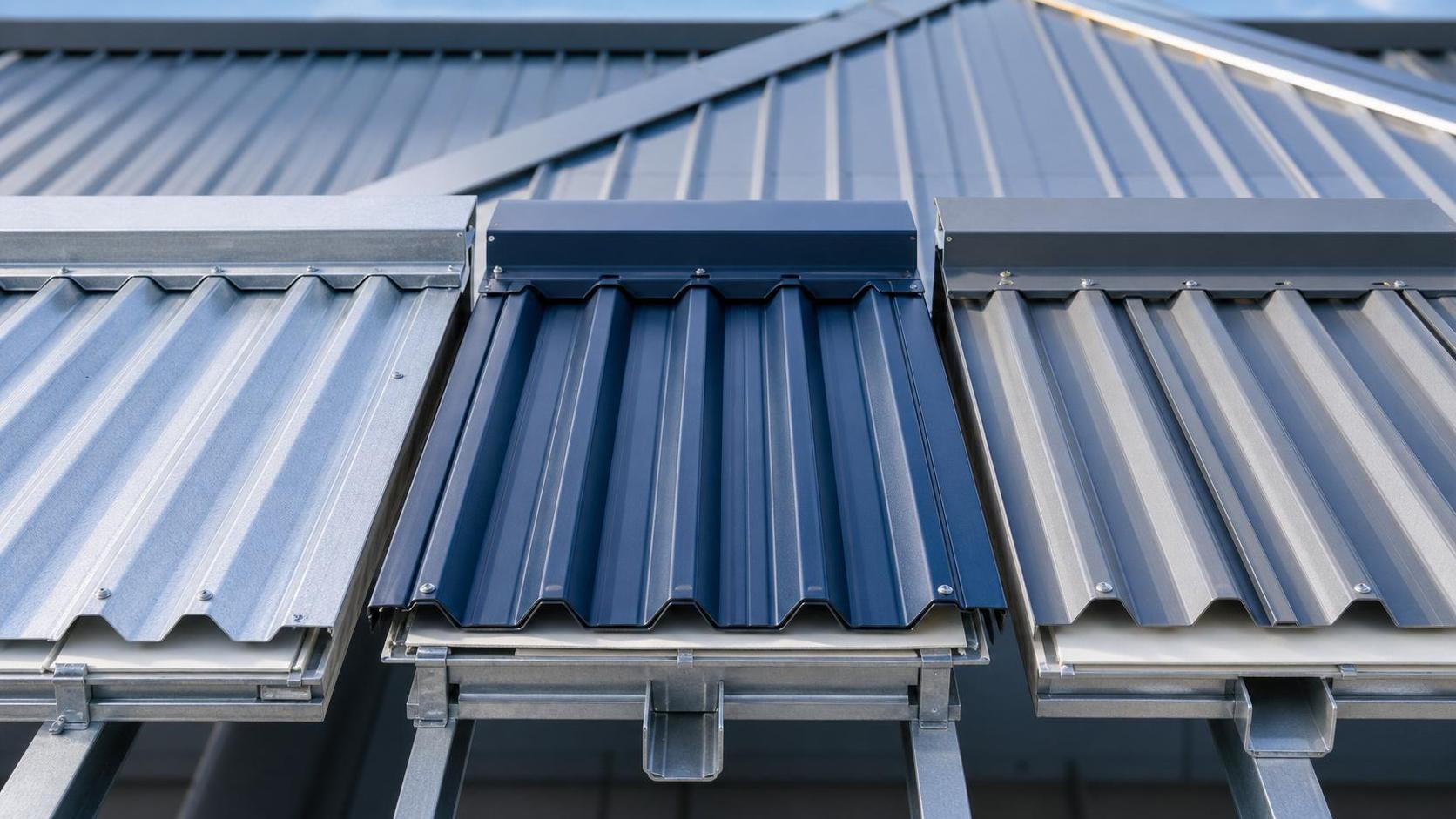
 How to Choose Steel Roofing for Warehouses, Farms, and Residential BuildingsSteel Roofing selection depends on building type. Learn how warehouses, farms, and homes differ in corrosion, insulation, drainage, and cost for smarter roofing decisions.
Please give us a message


Please enter what you want to find