Choosing the right welding machine for tin can lines directly impacts cycle rate, energy consumption and long-term maintenance costs. Whether you’re an operator, quality engineer, project manager or distributor evaluating 2-piece can equipment, 3-piece can production or an aerosol can making line, this guide compares welding options from tin can machinery manufacturers and can making machine China suppliers, and explains performance, integration with food can sealing machines and metal packaging equipment. Read on for practical selection criteria, energy-saving strategies and maintenance tips to maximize uptime and reduce total cost of ownership.
Understanding cycle rate and how welding technology determines throughput
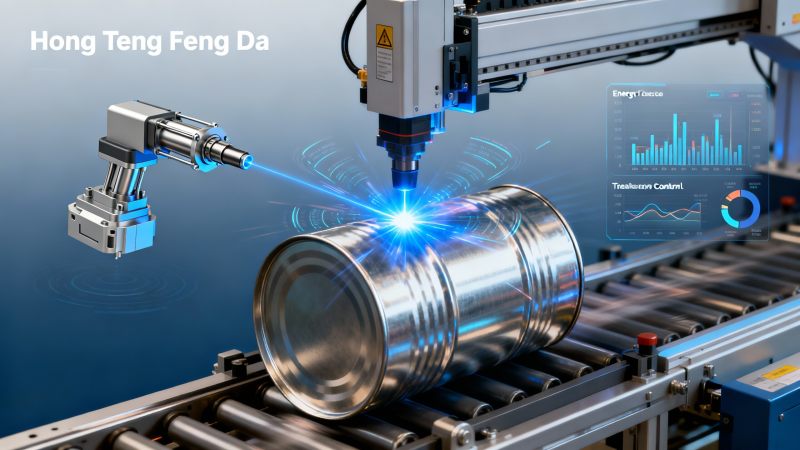
Cycle rate — the number of finished cans produced per minute or hour — is the primary KPI for any tin can production line. For operators and project managers, specifying a welding machine for tin can applications means balancing peak throughput with consistent weld quality across the tin can forming process. Traditional resistance butt-welding machines used in 3-piece can production achieve high mechanical strength but may be limited by electrode wear and heat management; continuous laser or hybrid laser-assisted welding technologies can increase line speed while reducing rework from seam defects.
When evaluating welding options, consider these technical parameters tied directly to cycle rate and quality: welding head changeover time, electrode or nozzle life, seam cooling and clamp actuation speed, and synchronization with upstream forming and downstream food can sealing machine processes. A welding unit with fast, repeatable clamp motion and automatic seam detection shortens non-productive time and improves effective cycle rate. For 2-piece can equipment where side seam or draw-redraw operations are frequent, a welding machine that supports inline process feedback (closed-loop current and force control) minimizes scrap and prevents bottlenecks at the seaming stage.
Quality control roles should request metrics such as mean time between defects (MTBD) and weld repeatability figures from tin can machinery manufacturer datasheets. For lines processing aerosol can making line products or specialty metal packaging equipment, small deviations in weld width or porosity can compromise pressurization or product shelf life. Integration with vision inspection systems and real-time seam scan data allows the welding machine to adapt welding parameters on a per-piece basis, sustaining higher cycle rates without sacrificing regulatory compliance for food cans or aerosol containers.
Finally, consider the production mix: high-volume single SKU lines benefit most from specialized welding heads tuned to a single seam geometry, while flexible contract manufacturers require modular welding systems that can be reconfigured between 2-piece can equipment and 3-piece can production setups with minimal downtime. The right choice will be driven by an honest forecast of production volumes and SKU variability, alongside careful assessment of supplier support and spare parts availability.
Minimizing energy consumption: welding methods, process control and system design
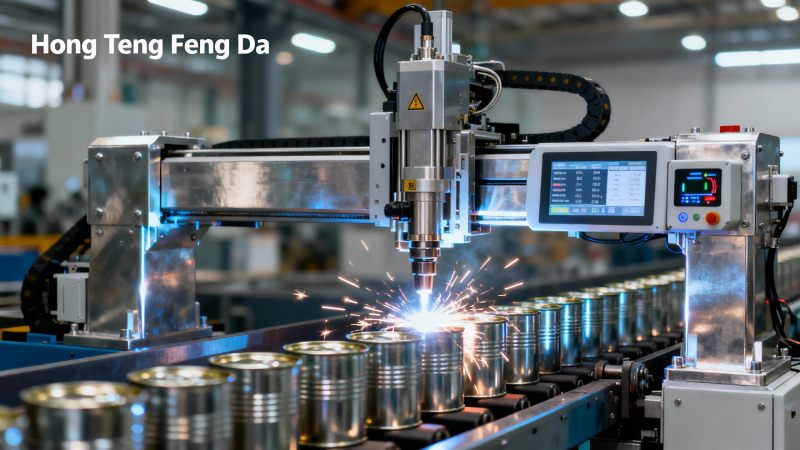
Energy consumption is a growing concern for steel and metal packaging manufacturers, both from cost and sustainability standpoints. Welding machines for tin can lines differ substantially in their energy profiles. Resistance welding systems typically draw high instantaneous current but short duty cycles, while laser-based welding spreads energy use differently and may require auxiliary cooling and ventilation infrastructure. When comparing can making machine China suppliers or global tin can machinery manufacturer offerings, request measured energy-per-weld figures (kJ/weld) under representative process conditions to enable apples-to-apples comparisons.
Process control plays a major role in reducing power waste. Advanced welding inverters with adaptive power modulation, real-time current shaping and predictive control reduce over-energizing and avoid repeated rework that multiplies energy use. Variable frequency drives (VFDs) on servomotors and pneumatic-to-electric actuators on clamp and feed mechanisms reduce idle energy draw. For manufacturers integrating with food can sealing machines, a line-level energy management strategy that coordinates machine sleep modes between forming, welding and sealing modules can yield measurable savings over a production shift.
Thermal management is another key area. Efficient cooling loops for electrodes and weld heads extend component life and stabilize weld quality, which prevents energy-expensive reprocessing. Heat recovery options from cooling circuits or from compressor systems can be explored in larger plants — for steel-centric operations such as those run by established suppliers, reclaiming waste heat to preheat feedstock or maintain line temperatures can improve total energy efficiency.
From a procurement perspective, include life-cycle energy cost estimates (projected over expected service life) in vendor comparisons. Manufacturers typically state nominal power ratings, but actual energy consumed per 1,000 cans produced or per tonne of metal processed is a more practical metric. For lines that use structural components or support frames, material choices such as light-gauge steel profiles or Q195 angle steel for fixtures can affect machine inertia and therefore motor energy use during high-frequency operations.
Maintenance strategy, spare parts planning and maximizing uptime
Maintenance strategy directly influences total cost of ownership for welding machines used in tin can production. Regular preventive maintenance reduces unplanned downtime for operators and maintenance teams, but the most effective approach is a hybrid strategy combining preventive tasks with condition-based maintenance enabled by onboard sensors. Welding machines equipped with current, force and temperature sensors can predict electrode wear and joint integrity issues before they cause production halts, allowing spare parts teams to plan interventions during scheduled line stops.
For weld heads and consumables (electrodes, nozzles, contact tips), maintain a tiered spare parts inventory: critical fast-replace items on-site for immediate swap-outs, less-critical spares stored regionally, and long-lead components sourced through authorized distributors. This is 특히 important for contract manufacturers and distributors working with multiple can making machine China brands where proprietary parts may have longer lead times. Establish key performance indicators for maintenance such as mean time to repair (MTTR), parts availability rate, and unplanned downtime hours per month, and review them with your tin can machinery manufacturer or service partner quarterly.
Training and documentation are often overlooked but crucial. Operators and after-sales teams should be trained on quick-change procedures for seam heads, calibration of process sensors, and daily checks that prevent catastrophic failures. For safety and quality, tie maintenance activities to quality traceability systems used in food can sealing machine validation and audit trails. When evaluating suppliers, prefer vendors that offer remote diagnostics, firmware updates, and field-service networks capable of supporting both 2-piece can equipment and 3-piece can production lines to minimize response times and ensure consistent spare parts supply.
Integration checklist: matching welding systems to can line types and downstream equipment
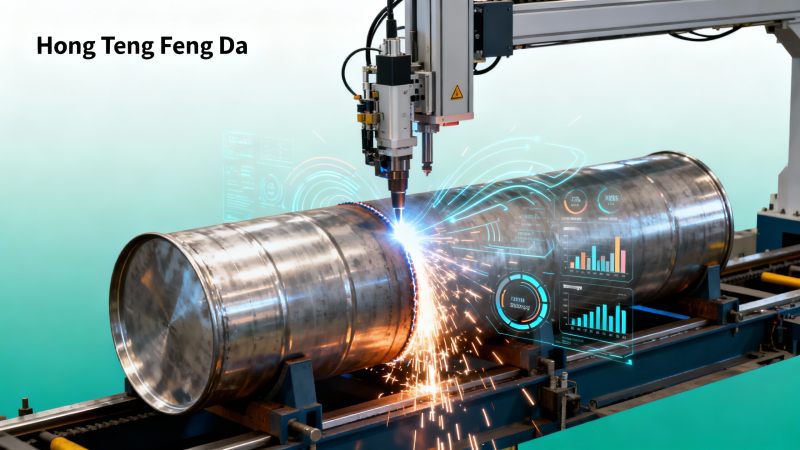
Selecting the optimal welding machine also requires a structured integration checklist that aligns welding capabilities with the tin can forming process, downstream equipment and plant constraints. For aerosol can making line configurations, the weld must withstand internal pressurization standards and post-weld surface treatments. For food cans, compatibility with food can sealing machine cycles and hygienic design requirements is essential. The following checklist helps project managers and engineers compare proposals from tin can machinery manufacturers and can making machine China suppliers:
- Weld type compatibility: resistance, laser, or hybrid; suitability for 2-piece can equipment vs 3-piece can production.
- Cycle matching: maximum continuous throughput and sync capability with forming presses and sealing machines.
- Quality monitoring: in-process seam inspection, data logging, and integration with plant MES for traceability.
- Energy profile: peak current needs, cooling requirements, and potential for regenerative systems.
- Maintenance accessibility: modular head design, quick-change consumables, and local spare parts availability.
- Compliance: materials and finishes appropriate for food contact or aerosol standards, and support for validation protocols.
- Line footprint and structural support: anchoring requirements and how support beams or profiles may affect installation; consider site steelwork and components when planning line layout.
In practice, pilot runs are invaluable. Before committing to a full production purchase, run qualification batches under representative production conditions, measure cycle rate, energy-per-weld and defect rates, and verify compatibility with the target food can sealing machine or other metal packaging equipment. Successful pilot data reduces risk and provides negotiation leverage for service levels and warranty terms with the chosen tin can machinery manufacturer.
Summary and recommended next steps
Choosing the correct welding machine for tin can lines is a multi-dimensional decision that affects throughput, energy consumption and long-term maintenance costs. Prioritize welding technologies and control systems that deliver repeatable seam quality at the desired cycle rate, while offering energy-efficient operation and predictive maintenance capabilities. For B2B buyers, require vendors to provide measured KPIs, spare parts lead-time guarantees, and local service options. Consider the production mix — whether high-volume 2-piece can equipment or flexible 3-piece can production — and insist on pilot validation before final procurement.
Shandong Hongteng Fengda Metal Materials Co.. Ltd. and similar experienced suppliers offer integrated solutions across steel processing and metal packaging equipment supply chains; leveraging their production know-how and logistics networks can reduce implementation risk and improve parts availability. If you need assistance evaluating welding machine options, aligning energy-efficiency targets, or designing maintenance programs for can making lines, our team can provide benchmarking, pilot coordination and service-level comparisons tailored to your plant conditions.
Take the next step: contact our sales and engineering team to schedule a site assessment or request a comparative ROI analysis for welding systems across 2-piece can equipment, 3-piece can production and aerosol can making line scenarios. Learn more about compatible metal packaging equipment and can making machine China offerings, or request a pilot run to validate cycle rate, energy use and maintenance workflows. Immediate consultation and proposal support are available — get in touch to optimize uptime and reduce your total cost of ownership.
- can making machine
- tin can production line
- metal packaging equipment
- aerosol can making line
- food can sealing machine
- welding machine for tin can
- 3-piece can production
- 2-piece can equipment
- tin can forming process
- can making machine China
- tin can machinery manufacturer
- angle steel
- steel profiles
- Q195 angle steel
Related recommendations
 How to Judge if Steel Sheet for Construction Fits Roofing or Wall CladdingSteel sheet for construction: learn how to judge thickness, coating, profile, and load performance for roofing or wall cladding, and choose a durable, cost-effective fit.
 Galvanized Pipe Manufacturer Selection: Zinc Coating, Tolerance, and ComplianceGalvanized pipe manufacturer selection guide: compare zinc coating quality, tolerance control, and compliance to reduce risk and choose a supplier that delivers reliable steel products.
 How to Choose SS Pipe for Water Supply in Corrosion-Prone BuildingsSS pipe for water supply selection guide for corrosion-prone buildings. Compare 304 vs 316 grades, water chemistry, specs, and lifecycle cost to choose a safer, longer-lasting system.
 Steel Wire Rope Manufacturer Standards That Matter in Lifting ApplicationsSteel wire rope manufacturer standards for lifting: learn how to assess traceability, testing, compliance, and real quality control before choosing a safer, more reliable supplier.
Please give us a message


Please enter what you want to find