Choosing a reliable tin can machinery manufacturer in China in 2025 is critical to protect production uptime and product quality. This guide highlights seven vendor questions every operations manager, QC specialist, and maintenance team should ask about can making machine China offerings — from the tin can forming process and durability of 2-piece can equipment and 3-piece can production to welding machine for tin can reliability, food can sealing machine precision, aerosol can making line throughput, and the robustness of metal packaging equipment frames like steel c channel beam. Use these checkpoints to minimize downtime and ensure ROI.
1. Manufacturer footprint, certifications and production capacity: verifying the vendor can meet continuous demand
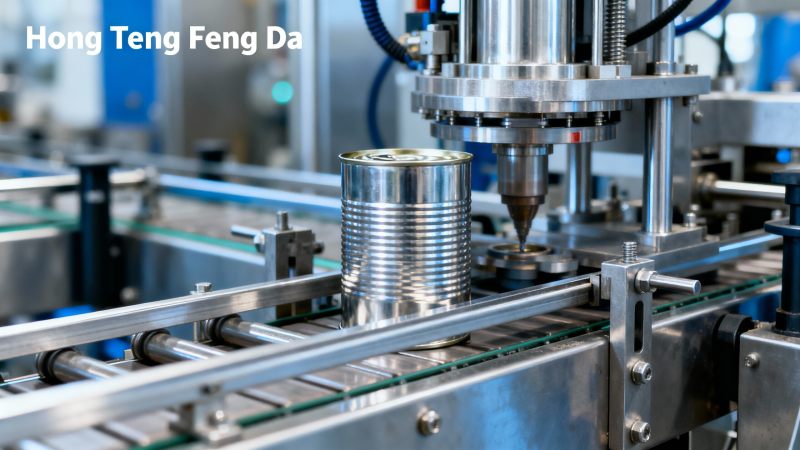
When evaluating a tin can machinery manufacturer, the first practical question is whether the vendor has the production footprint and certifications to reliably supply and support can making machine China installations at scale. Procurement and project leads should ask for documented evidence of manufacturing capacity (annual machine sets produced), dedicated production lines for 2-piece can equipment and 3-piece can production, and visible factory acceptance records. A strong vendor will show logical plant layouts, separate stamping, welding and seaming cells, and an integrated approach to metal handling that minimizes damage to packaging and preserves material properties.
Certifications matter in steel-related equipment procurement: ISO 9001 for quality management, ISO 14001 for environmental control, and ISO 45001 or equivalent for occupational safety provide baseline assurance. For food can sealing machine lines used in edible packaging, look for HACCP-aligned processes or supplier support for meeting local food safety regulations, and evidence of material traceability for components that contact food-grade cans. Welding machine for tin can vendors should demonstrate welding procedure specifications (WPS), welder qualification records, and nondestructive testing (NDT) practices such as dye-penetrant or ultrasonic testing for critical welds.
Capacity planning requires more than a simple number. Ask about average lead times for standard can forming modules, peak production surge capability, and factory utilization rates. If your production requires integration with supporting steel structures — such as frames or conveyors built from a reliable DX53D Galvanized Sheet or structural members — confirm the vendor’s supply chain resiliency for raw materials and the ability to substitute equivalent galvanized steel specifications without impacting corrosion resistance or machine alignment. This is critical when the machine bed or support uses rolled sections or steel c channel beam assemblies that influence long-term vibration and alignment characteristics.
Finally, verify references from installations of similar scale and complexity. Request contact details for three live sites where the vendor’s 3-piece can production or aerosol can making line runs in continuous multi-shift operation. Direct feedback from operations managers and maintenance supervisors will reveal real-world uptime, spare parts availability, and the vendor’s responsiveness to corrective actions — all essential indicators that the manufacturer can support your uptime KPIs.
2. Engineering design, modularity and the tin can forming process: ensuring consistent quality and uptime
Understanding the vendor’s engineering approach to the tin can forming process is the second critical dimension. A robust can forming line combines material handling, stamping, necking (for 2-piece cans), body making (for 3-piece cans), welding, and seaming into a controlled sequence. Ask the manufacturer to provide process flow diagrams, cycle time performance data, and tolerance maps for the forming stations. These documents should show how the vendor controls critical process variables — die wear compensation, lubrication strategy, blank feeding accuracy, and temperature management — to reduce scrap and maintain dimensional stability across long production runs.
Design modularity supports uptime. Machines built as modular cells let you isolate faults, perform hot-swaps, and scale capacity without halting the entire line. For example, modularizing the welding machine for tin can or the food can sealing machine cell allows prioritized maintenance and quick replacement of worn modules. Request information on standard module interfaces, average time-to-replace for modules, and the availability of spare modules as service items. Vendors that use standardized PLC and servo systems across modules simplify training for operators and reduce spare parts SKUs, improving mean time to repair (MTTR).
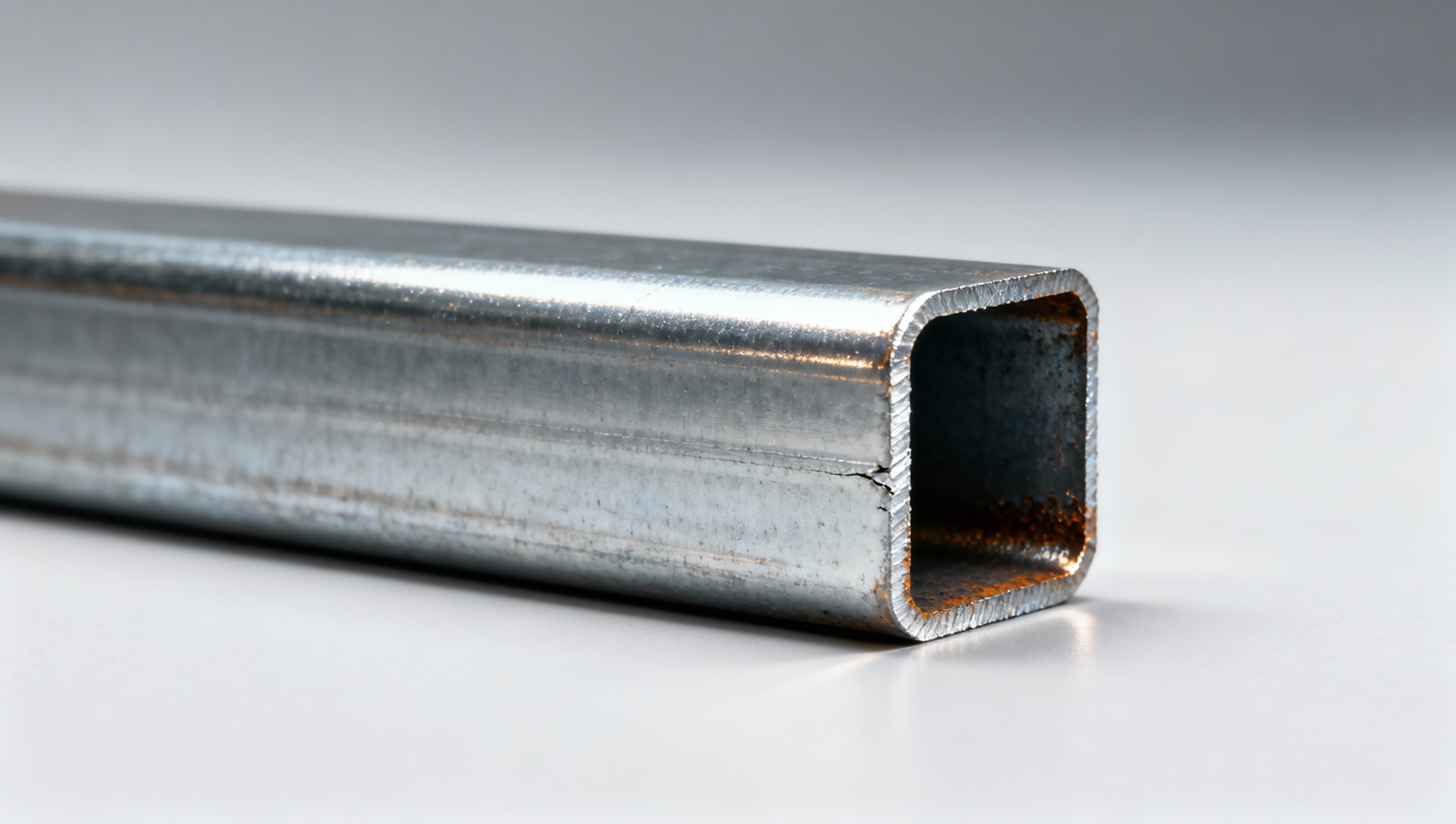
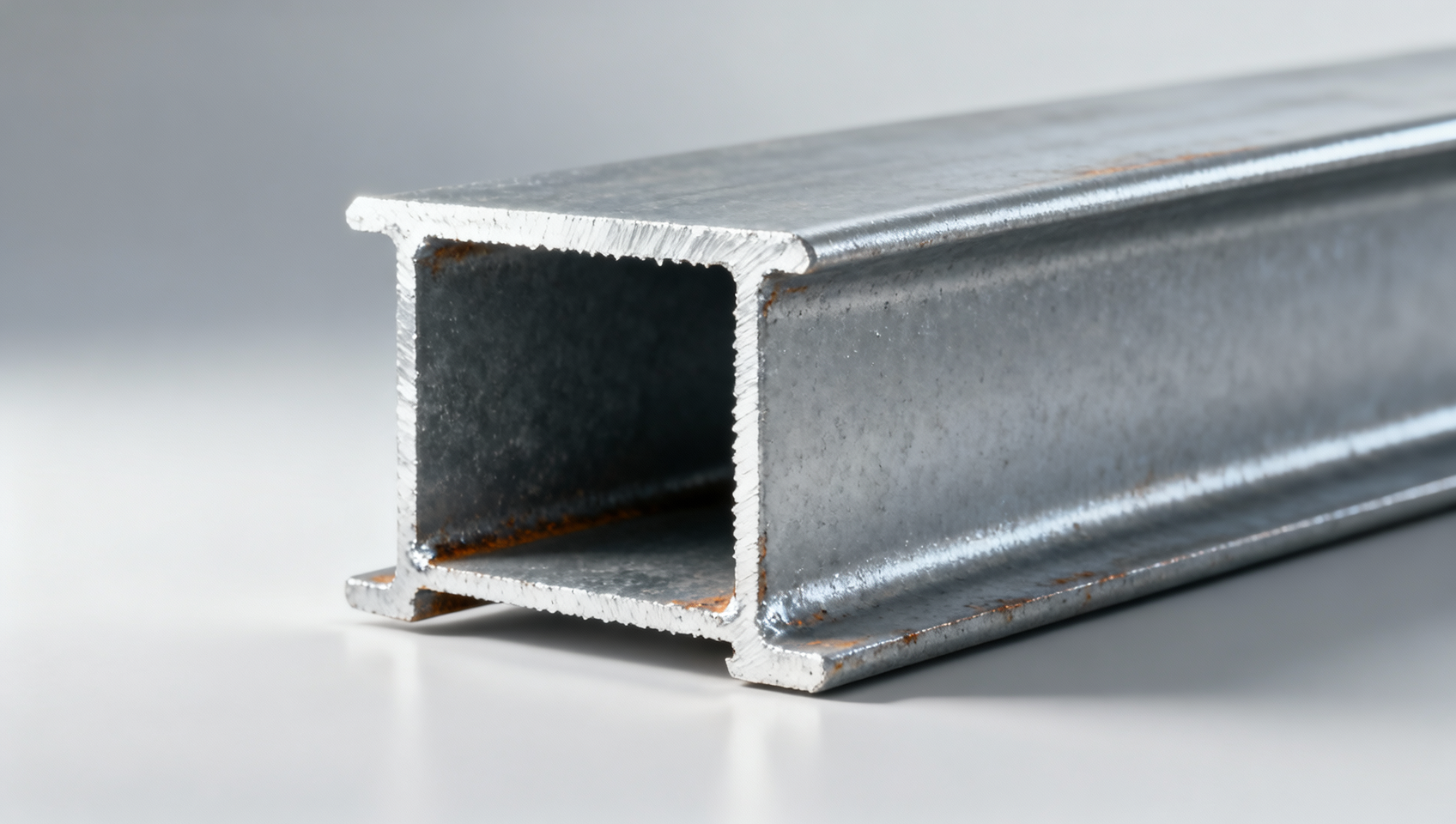
Tolerance control and alignment are especially important where structural elements like steel c channel beam frames support machine stages. Ask for alignment tolerances the manufacturer guarantees during commissioning and the expected drift over 12–24 months given multi-shift operation. Inquire about recommended preventative maintenance intervals and the vendor’s on-site alignment tooling or laser alignment services provided during annual maintenance. These inputs directly affect throughput and product quality, especially for high-speed aerosol can making line and 2-piece can equipment where minute misalignment can cause weld defects or seaming faults.
Finally, validate software and control philosophies. Modern can making machine China offerings should provide open-architecture HMI screens, event logging, remote diagnostics, and secure remote access options for troubleshooting. Confirm cybersecurity measures and whether the vendor supports firmware version control and rollback. Robust process control, combined with mechanical modularity, is the underpinning of sustained uptime and repeatable can quality across production cycles.
3. Maintenance strategy, spare parts and training: minimizing downtime through readiness
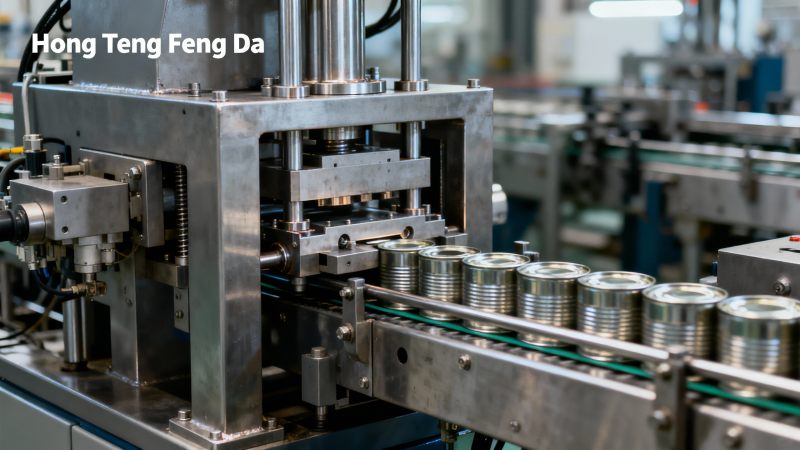
Operations and maintenance teams must evaluate a vendor’s maintenance strategy in detail. Preventive maintenance schedules, condition-based alerts, and clear spare parts lists reduce unplanned downtime. Ask the tin can machinery manufacturer for a tailored preventative maintenance (PM) schedule for each major module — stamping, bodymakers, welding machine for tin can, seaming heads, and food can sealing machine assemblies — and for recommended spare parts stocking levels expressed in MTBF and average consumption rates. This level of specificity lets purchasing and maintenance planners calculate inventory carrying costs versus the risk of lost production.
Spare parts logistics are a frequent source of downtime, especially when strategic items are sourced from overseas. Confirm the vendor’s spare parts lead times from both Chinese and international warehouses, availability of critical components (servo drives, bearings, seaming chucks), and whether they offer local stocking options through distributors or authorized service partners. For steel-intensive structures and frames, suppliers should provide replacement guides for elements such as steel c channel beam supports or sheet-metal fixtures. Having engineering drawings and part numbers on hand expedites fabrication or ordering when a structural repair is required.
Training is equally important. Ask the vendor for structured training programs for operators and maintenance staff: basic operation, routine PM, fault diagnosis, and advanced troubleshooting. Effective programs include competency checks, certification of trainee personnel, and refresher courses scheduled at logical intervals. A manufacturer that offers certified trainers or trains your in-house trainers demonstrates a commitment to long-term uptime. Additionally, request a service-level agreement (SLA) that outlines response times, field service technician availability, and remote support hours to ensure predictable service during critical production periods.
Finally, quantify the vendor’s aftermarket network and local representation. For distributors or agents located near your plants, verify that they stock common wear items for that vendor’s 2-piece can equipment and have technicians trained on welding machine for tin can maintenance. Having local partners reduces transit time for parts and increases the probability of meeting your uptime targets in multi-shift steel-based production environments.
4. Quality assurance, materials and testing: ensuring can integrity and structural reliability
Quality assurance (QA) is central to can production. For QC specialists and safety managers, the critical vendor questions focus on material control, testing protocols, and traceability. A credible tin can machinery manufacturer must document how incoming steel coils and sheets are inspected, the acceptance criteria for thickness, coating integrity, and mechanical properties, and the procedures for handling material that does not meet specifications. Because can production often depends on precise sheet characteristics, ensure the vendor accepts and documents tests like coating adhesion, yield strength, and surface profile measurements used in the tin can forming process.
Ask for the vendor’s standard inspection and test plan (ITP) for finished modules. Typical test items should include dimensional verification of formed components, weld integrity checks for 3-piece can production, seaming torque and hermeticity tests for food can sealing machine assemblies, and burst/pressure tests for aerosol can making line sections. For welding processes, request records showing NDT results, weld metal chemistry when applicable, and post-weld heat treatment where needed. These records provide evidence that the line will produce cans meeting regulatory and customer specifications.
Material selection extends to structural supports: confirm the vendor’s recommendations for frame materials and protective treatments for long-term corrosion resistance in humid or coastal operating environments. For example, when machine frames or conveyor supports reference galvanized materials, validate the coating class and thickness to avoid premature rusting. Where appropriate, suppliers should provide traceable material certificates for steel sections or sheets used in load-bearing frames and conveyors, and a documented history of any machining or secondary processing performed on those pieces.
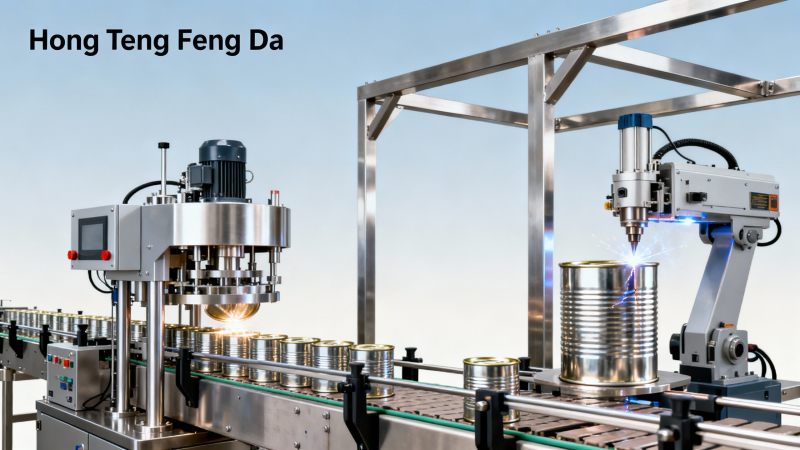
Consider requesting a witnessed FAT (factory acceptance test) that includes sample production runs on client-supplied steel stock and a set of acceptance criteria tied to your production KPIs. A rigorous FAT with documented performance under expected material conditions reduces commissioning surprises and gives QC teams the objective data needed to accept or reject supplied equipment. This combination of material control, testing regimes, and traceability supports consistent product integrity and long-term structural reliability of metal packaging equipment.
Summary and recommended next steps
Choosing the right tin can machinery manufacturer in China requires structured due diligence across factory capability, engineering design, maintenance readiness, and quality assurance. Confirm the vendor’s production capacity and certifications, inspect their modular design for the tin can forming process, evaluate maintenance and spare parts strategies, and validate QA/testing protocols that protect can integrity and frame durability. Engage references and require objective FATs, and insist on clear SLAs and local spare parts arrangements to protect your uptime targets.
Shandong Hongteng Fengda Metal Materials Co., Ltd. combines integrated steel production experience with global logistics and can be a strategic partner for projects that require dependable metal packaging equipment and robust structural components. Their experience producing rolled and galvanized materials supports durable frame construction and long-term machine alignment — factors that directly influence uptime and total cost of ownership.
To move from evaluation to procurement, request a vendor questionnaire that includes the seven core questions discussed: production footprint and certifications; process flow and modularity for the tin can forming process; alignment and structural tolerances tied to steel c channel beam supports; PM schedules and spare parts logistics; training and SLA commitments; QA/testing and material traceability; and references with live plant performance data. Use vendor responses to build a weighted scoring matrix aligned to your uptime, quality, and cost targets.
Ready to protect your production uptime and maximize ROI? Contact our sales and project team to discuss detailed specifications, request FAT plans, or schedule an on-site audit. Learn more about tailored solutions for 2-piece can equipment, 3-piece can production, welding machine for tin can, food can sealing machine, and aerosol can making line integrations. Get practical, steel-based packaging solutions designed to keep your lines running.
Related recommendations
 How long does acero prepintado retain gloss and color stability in direct desert sunlight?Acero prepintado gloss & color stability in desert sun? Discover real-world performance data, PVDF vs. polyester longevity, and spec-critical insights for GCC projects.
 Does acero pregalvanizado maintain coating integrity after cold bending to 90 degrees?Acero pregalvanizado maintains coating integrity after 90° cold bending — when engineered right. Discover how Hongteng Fengda guarantees real-world performance, adhesion & corrosion resistance.
 Do the advantages of galvanized steel include reduced fire risk compared to untreated carbon steel?Advantages of galvanized steel include measurable fire-risk reduction vs. untreated carbon steel—learn how zinc delays ignition, buys critical escape time, and enhances safety without false 'fireproof' claims.
 How much does 2 inch ss pipe price increase when upgrading from Schedule 40 to Schedule 80 for high-pressure systems?2 inch ss pipe price increases 18–35% when upgrading from Sch 40 to Sch 80—discover why, when it’s truly needed, and how to avoid overpaying.
Please give us a message


Please enter what you want to find