Material grades, section properties and specification checklist for steel c channel beam
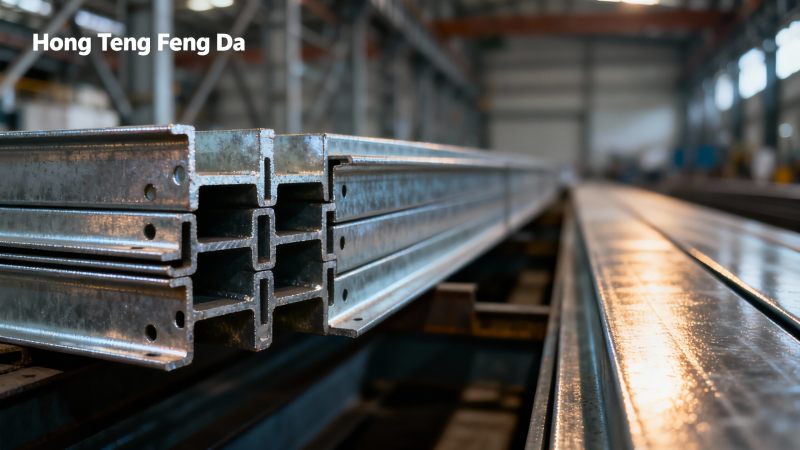
Selecting the right steel c channel beam begins with a clear specification checklist aligned to project load, environment and compliance requirements. Typical domestic grades for structural channels include Q235 (nominal yield 235 MPa) and Q345 (nominal yield 345 MPa), which correspond functionally to international grades such as ASTM A36 and ASTM A572 Grade 50 in many applications. For metal packaging equipment facilities that host vibration-heavy lines—such as aerosol can making line installations—opt for higher-yield grades when spans or dynamic loading are significant.
Key geometric parameters to record for each steel c channel beam order:
- Section designation and dimensions (web height, flange width, web thickness).
- Moment of inertia (Ix, Iy) and section modulus for required bending and deflection limits.
- Yield and tensile strength with tolerated deviations per mill certificates.
- Surface condition and mill scale removal requirements; for food can machinery areas that require strict cleanliness, specify pickling or shot-blast pretreatment.
- Length tolerances, camber limits, and straightness criteria.
- Welding and bolt-hole preps; confirm compatibility with welding machine for tin can equipment foundations and mounting plates.
When ordering channels to support can making machine China suppliers' lines—especially 2-piece can equipment and 3-piece can production—coordinate beam placement with machine suppliers early. Attachments such as baseplates, gussets and welded brackets affect delivered weight, fit-up and fabrication time. Consider specifying mill test reports (MTRs) and third-party inspection for critical loads. For corrosion protection, galvanizing (hot-dip) specifications or shop-applied coatings should be defined to meet food-processing plant hygiene and chemical exposure from cleaning agents used around food can sealing machine areas.
Practical tip: request engineering tables from the supplier that list section modulus and moment of inertia for each nominal channel so structural engineers can quickly verify deflection and vibration criteria without time-consuming recalculations. This reduces RFIs and shortens project schedules for packaging equipment integration.
Mill lead times, logistics and quality control for procurement
Lead times for steel c channel beam deliveries vary by producer capacity, seasonality, and finishing requirements. Typical domestic mill lead times in 2025 range from 2 to 8 weeks for standard sizes in stock. Custom sections, specialty coatings, or large-volume orders can extend lead times to 10–12 weeks. For manufacturers sourcing structural supports for tin can machinery manufacturer projects or acquiring supports for an aerosol can making line, plan procurement with packaging equipment delivery schedules to avoid idle installation windows.
Key lead-time drivers and mitigation strategies:
- Stock vs. made-to-order: Stock C-channels shorten lead time. Maintain a bill-of-materials buffer for recurring lines.
- Coating and fabrication: Hot-dip galvanizing and specialty painting require extra cycle time. Consider ordering galvanized channels for installations near food can sealing machine areas to minimize long-term maintenance.
- Quality inspection: Pre-shipment mill inspection and third-party QA add time but reduce rework risk. Define acceptance sampling plans early.
- Transport and logistics: Heavy sections may require special transport and lifting equipment. Coordinate with logistics providers and site crane capacity for offloading near can making machine China installations.
Quality control on delivery should include verification of dimensional tolerances, material certificates, coating thickness and straightness. A sample incoming inspection checklist might include: visual surface inspection, random tensile/yield verification per MTR, dimensional spot checks for web and flange, and weld-fit-up samples for predrilled holes. For distributors and QC personnel, documenting these checks prevents downstream delays when integrating equipment like welding machine for tin can fixtures or alignment frames for 2-piece can equipment.
Inventory and vendor strategies: for dealers and agents, consolidate orders across projects to achieve volume discounts and cut lead times. For project managers, staging smaller deliveries aligned with installation phases reduces on-site storage needs and protects channels from site contamination common in packaging facilities. Also consider supplier proximity—shorter transit reduces potential for coating damage, a common concern around sensitive food can production areas.
Total cost of ownership: lifecycle, maintenance and hidden costs
Acquisition price of a steel c channel beam is only one component of total cost of ownership (TCO). For comprehensive budgeting, include fabrication, protective treatment, transport, installation, maintenance cycles and end-of-life considerations. In facilities using metal packaging equipment—especially where stainless-contact or hygiene-critical zones exist—specify coatings and maintenance regimes that align with cleaning schedules and chemical exposure from tin can forming process operations.
Major TCO components to quantify:
- Initial material cost per linear meter plus fabrication and welding for attachments.
- Surface protection: galvanizing vs. paint systems. Hot-dip galvanizing typically raises upfront cost but reduces frequent repainting in humid or chemical-exposed environments like food can lines.
- Installation labor and temporary supports—complex bracketry for welding machine for tin can systems increases onsite time.
- Downtime and productivity impact: undersized channels that deflect can cause misalignment of 2-piece can equipment or food can sealing machine conveyors, leading to line stoppages.
- Inspection and preventive maintenance: schedule and cost for periodic checks, lubrication of connections and reproofing coatings.
- Residual and recycling value: steel has strong scrap value; designing for disassembly preserves value at end of life.
Case example: selecting a higher-grade steel c channel beam with a slightly higher unit cost but greater section modulus reduced fabricated reinforcement and prevented additional support columns. Over a 10-year lifecycle, that choice lowered installation hours, avoided two major alignment corrections during production ramp-up for a 3-piece can production line, and reduced planned maintenance—providing net savings that outweighed the initial premium.
To optimize TCO, involve structural engineers, procurement, and machinery OEMs early. Use total-cost comparison tables that include projected maintenance and downtime costs for different protection schemes and grades. For modular facility upgrades, consider sectional channels with standardized brackets so replacement during service is faster and cheaper.
Occasionally, specialized profiles like the Z-beam are useful as ledger supports or for retrofits where space constraints or unique mounting needs exist; review these alternatives with your structural supplier only after verifying load paths and connection details.
Integration considerations for tin can forming process and packaging equipment installations
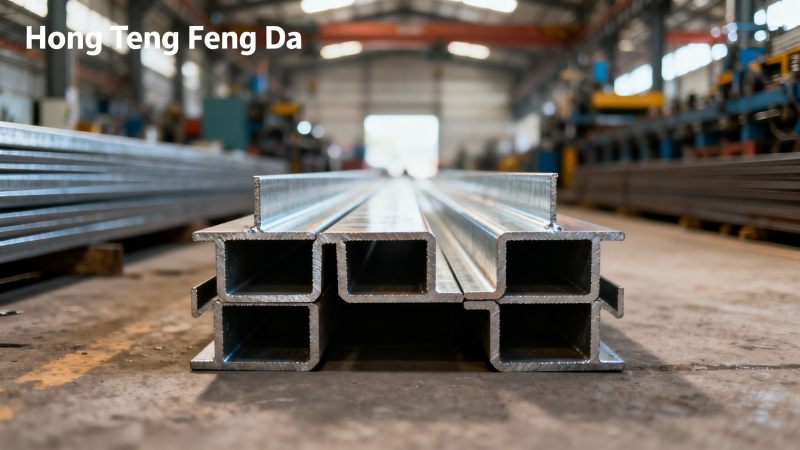
Integrating steel c channel beam into facilities that house tin can forming process equipment requires coordination across civil, structural and process teams. Machinery such as can making machine China suppliers provide—covering 2-piece can equipment, 3-piece can production and aerosol can making line—impose distributed and point loads, dynamic vibration, and service routing needs (compressed air, hydraulic lines, electrical conduits). Channels used as machine bases, mezzanine supports or cable trays must be sized and detailed to prevent resonance and excessive deflection.
Design and installation tips for packaging equipment environments:
- Vibration isolation: use vibration-absorbing mounts between machine frame and supporting steel c channel beam. Confirm natural frequency avoiding machinery excitation ranges.
- Alignment and shim control: specify presharpened baseplates or precision-machined plates for equipment centering. This reduces commissioning time for welding machine for tin can attachments and food can sealing machine alignment.
- Access and maintenance: design channels to allow servicing of seals, welds and drive components on 2-piece can equipment without heavy dismantling.
- Service integration: route air and electrical conduits along designated channels with separation from product-contact zones to meet hygiene protocols near food can sealing machine operations.
- Fire and safety: ensure beam coatings and attachments comply with local fire-safety codes for industrial facilities, and provide adequate load paths for emergency loads.
For project managers and aftermarket teams, document as-built positions and connection details. This simplifies future retrofits when upgrading lines or adding equipment such as additional welding stations or sealing modules. Distributors should provide dimensional drawings and cutting schedules to support tight-tolerance installations and facilitate quicker on-site adjustments.
Summary and next steps
Choosing the right steel c channel beam for packaging equipment facilities is a cross-functional decision that impacts safety, uptime and long-term costs. Prioritize a clear specification checklist, coordinate lead times with coating and fabrication processes, and evaluate total cost of ownership rather than unit price alone. For environments hosting tin can machinery manufacturer operations, such as can making machine China suppliers' installations, pay particular attention to vibration control, corrosion protection and ease of maintenance to keep 2-piece can equipment and 3-piece can production lines running efficiently.
Shandong Hongteng Fengda Metal Materials Co., Ltd. provides a broad range of profiles and quality assurance processes designed to meet these requirements, with global logistics experience and responsive lead-time management. Whether you are a project manager, QC engineer, distributor or end-user, aligning structural procurement with machinery vendor requirements reduces project risk and accelerates commissioning.
Action: to review standard section tables, request mill test reports, or get a project-specific quotation for steel c channel beam tailored to your tin can forming process or metal packaging equipment layout, contact our sales engineering team today. Learn more, request drawings, or obtain a lead-time estimate — immediately联系我们 to streamline procurement and ensure on-schedule installation.
- can making machine
- metal packaging equipment
- aerosol can making line
- food can sealing machine
- welding machine for tin can
- 3-piece can production
- 2-piece can equipment
- tin can forming process
- can making machine China
- tin can machinery manufacturer
- steel c channel beam
- c channel beam
- structural channel
- channel beam
- ASTM A572
- ASTM A36
Related recommendations
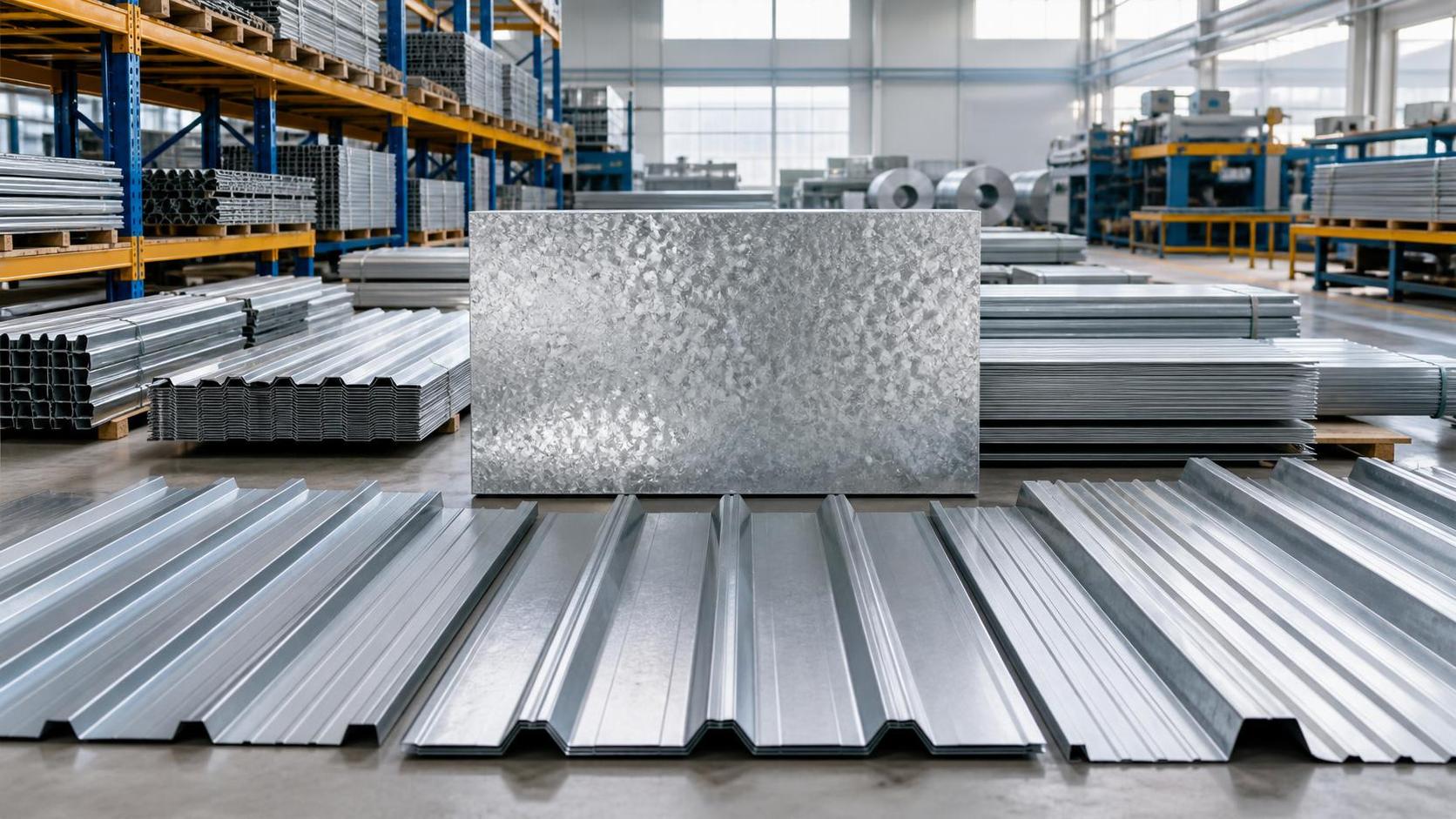
 How to Judge if Steel Sheet for Construction Fits Roofing or Wall CladdingSteel sheet for construction: learn how to judge thickness, coating, profile, and load performance for roofing or wall cladding, and choose a durable, cost-effective fit.
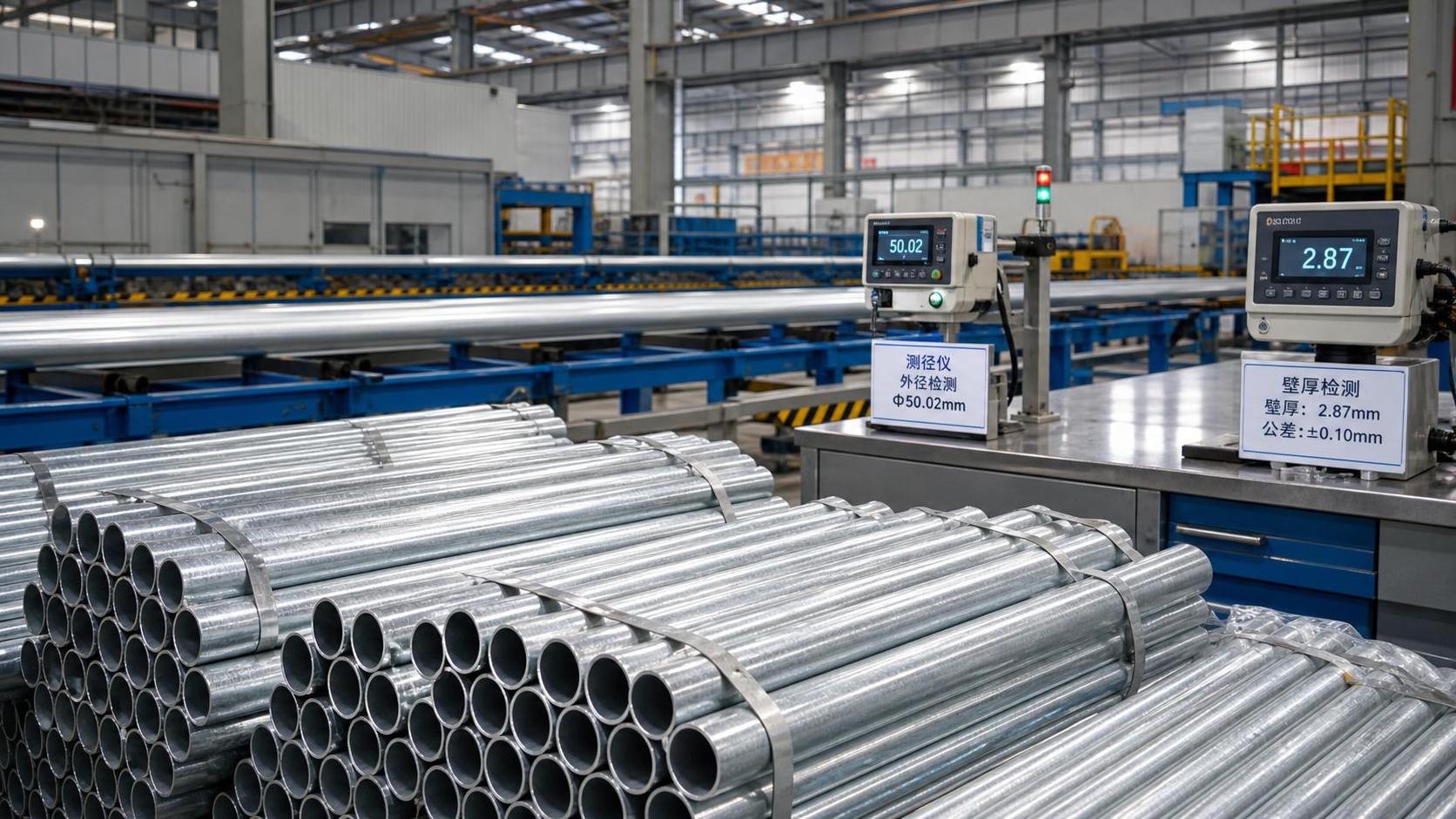
 Galvanized Pipe Manufacturer Selection: Zinc Coating, Tolerance, and ComplianceGalvanized pipe manufacturer selection guide: compare zinc coating quality, tolerance control, and compliance to reduce risk and choose a supplier that delivers reliable steel products.
 How to Choose SS Pipe for Water Supply in Corrosion-Prone BuildingsSS pipe for water supply selection guide for corrosion-prone buildings. Compare 304 vs 316 grades, water chemistry, specs, and lifecycle cost to choose a safer, longer-lasting system.
 Steel Wire Rope Manufacturer Standards That Matter in Lifting ApplicationsSteel wire rope manufacturer standards for lifting: learn how to assess traceability, testing, compliance, and real quality control before choosing a safer, more reliable supplier.
Please give us a message


Please enter what you want to find