Planning to source a can making machine China in 2025? This guide helps researchers, operators, QC teams, project managers and distributors compare output, energy use and warranty so you buy the right equipment. We evaluate tin can machinery manufacturers and metal packaging equipment — from 2-piece can equipment and 3-piece can production lines to welding machines for tin can, food can sealing machines and aerosol can making lines — and outline the tin can forming process and key structural needs like steel C channel beam for reliable installation.
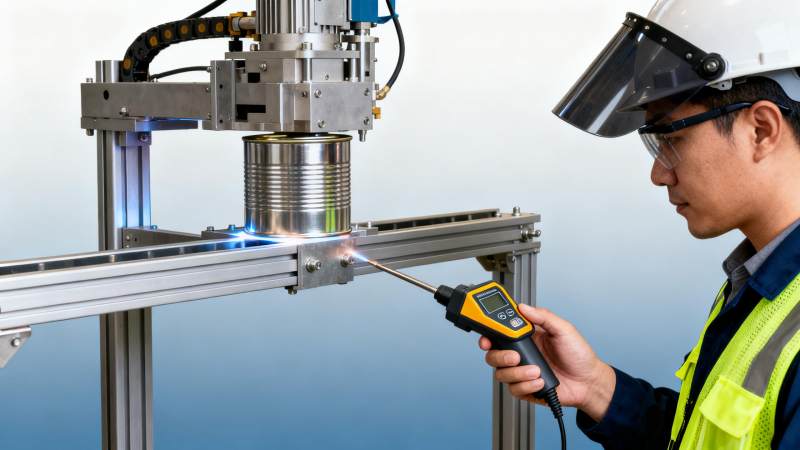
Sourcing a can making machine China carries specific concerns for stakeholders in the steel and metal packaging sectors: predictable throughput, predictable energy budgets, and reliable after-sales support. Researchers require clear specification comparisons; operators and project managers need installation guidance and structural requirements such as correct placement of steel c channel beam to support heavy roll stands and welding units; QC and safety managers expect traceability on forming tolerances and welding quality for food safety and regulatory compliance. Distributors and agents care about lead times, spare part availability and warranty terms. This article consolidates experience-based guidance, technical checkpoints and comparative metrics to inform procurement decisions in 2025 for any tin can machinery manufacturer or supplier of metal packaging equipment.
Assessing Output: Line Capacity, Modular Options and Production Metrics
Output capacity is the primary KPI when comparing a can making machine China. Throughput is expressed in cans per minute (CPM) or cans per hour and varies markedly across 2-piece can equipment and 3-piece can production lines. Typical benchmarks for modern automated lines: entry-level 2-piece can equipment can run 200–800 CPM depending on body diameter and material gauge; mid-range integrated lines push 800–2,000 CPM; high-end aerosol can making line setups exceed 3,000 CPM under optimized conditions. When evaluating quoted throughput, confirm whether the manufacturer measures output under continuous stable run conditions with standard tinplate/steel alloys and whether changeover time between sizes is included.
Beyond raw CPM, examine modularity. A reputable tin can machinery manufacturer designs modular cells—necking, beading, seaming and seamer inspection—that allow staged investments: start with a high-capacity welding machine for tin can bodies, add inline food can sealing machine cells, or extend to a dedicated aerosol can making line as demand grows. Modularity reduces downtime during maintenance and enables targeted upgrades of critical modules without replacing the entire line.
Key production metrics to request from suppliers:
- Nominal CPM for specific can diameters and heights (e.g., 73×113mm food can at 1,200 CPM).
- Changeover time between sizes and required tooling inventory.
- Reject rate under steady operation and criteria used to define rejects (leaks, seam defects, weld porosity).
- Mean time between failures (MTBF) and recommended preventive maintenance intervals.
When comparing 2-piece can equipment vs 3-piece can production, note manufacturing complexity. 2-piece machines form seamless bodies from a single sheet and rely on precise die sets and high-speed welding (often laser or high-frequency welds). 3-piece production involves body forming, side welding, and end seaming; welding machine for tin can bodies in this context is central to structural integrity. Because process routes differ, assess the supplier’s expertise across the specific tin can forming process you need; some tin can machinery manufacturers excel at 2-piece high-speed welding, while others provide robust 3-piece lines with strong seaming and end-of-line filling integration.
Energy Use: Motors, Drives, and Operational Efficiency for Metal Packaging Equipment
Energy consumption is a material operating cost for any can making machine China. Energy use depends on drive architecture, motor efficiency, auxiliary systems (compressors, vacuum pumps, heaters), and the degree of automation. A modern high-efficiency 3-piece can production line with servo drives and energy-recovery systems can reduce power draw by 15%–35% compared to older cam-driven machines. For budgeting, request full-line power consumption in kW under nominal load and peak demand, plus compressed air usage in m3/min at operating pressures. These figures should be measured during a representative production run for your specific can type.
Compare variable frequency drives (VFDs) and servo-driven modules. Servo systems enable soft start/stop, precision synchronization and lower inertia losses during changeovers, improving both energy efficiency and product consistency. For welding machine for tin can modules, efficient induction or HF welding designs reduce thermal losses and minimize auxiliary heating time. Food can sealing machine units that incorporate pre-heating or seam cooling should be assessed for thermal insulation and recovery performance to limit energy waste.
Practical steps to evaluate energy performance:
- Request a measured energy profile: baseline, average, peak and startup surges for the full can production line (including ovens, welding, seamers, conveyors).
- Audit compressed air consumption and pursue leak detection—air systems are often the largest unseen energy sink on metal packaging equipment lines.
- Check for power factor correction and demand management features to avoid utility penalties during peak shifts.
- Evaluate the potential for waste-heat recovery from ovens or induction heaters to preheat incoming material or facility heating.
Energy benchmarking should be part of technical due diligence when selecting a tin can machinery manufacturer. Include operational energy costs over a 5–10 year lifecycle in total cost of ownership (TCO) models; a supplier that provides transparent energy metrics and options for lower-consumption modules will likely deliver better long-term value than a lower-capex alternative with high running costs.
Warranty, Spare Parts and Aftermarket Service: What Procurement and QC Teams Should Verify
Warranty and after-sales support are deciding factors for project managers and maintenance teams. Typical warranty offerings from established tin can machinery manufacturer range from 12 to 24 months on mechanical components and shorter terms on consumables and electrical parts. However, more important than duration is the scope: clarify whether the warranty covers on-site labor, travel, replacement parts, and software/PLC updates. Ask for a written Service Level Agreement (SLA) that stipulates response times for onsite visits, remote diagnostics availability, and parts shipment lead times.
Spare parts strategy: verify the manufacturer’s local stocking arrangements or authorized distributor inventories for critical spares such as forming dies, welding electrodes, servo drives and bearings. For high-throughput lines—whether 2-piece can equipment, 3-piece can production or an aerosol can making line—downtime costs can exceed spare part prices many times over. A supplier with regional distribution and clearly defined consignment or VMI (vendor-managed inventory) options will reduce risk. Also obtain a parts obsolescence schedule and confirm compatibility across machine revisions.
Aftermarket services to demand in proposals:
- Remote monitoring and predictive maintenance offers, with industrial IoT or gateway capability.
- Certified field engineers in your region and defined escalation paths.
- Training packages for operators and QC personnel tailored to the tin can forming process and safety protocols.
- Spare parts kits for common wear items included with installation or as part of extended warranty.
When comparing warranties, also evaluate the supplier’s track record. Companies that export globally and maintain technical centers are more likely to provide consistent support. For users focused on regulatory compliance, confirm that the manufacturer documents quality control steps for the tin can forming process and offers traceability features on key modules like welding machine for tin can and food can sealing machine.
Installation & Structural Requirements: Steel C Channel Beam, Foundations and Site Preparation
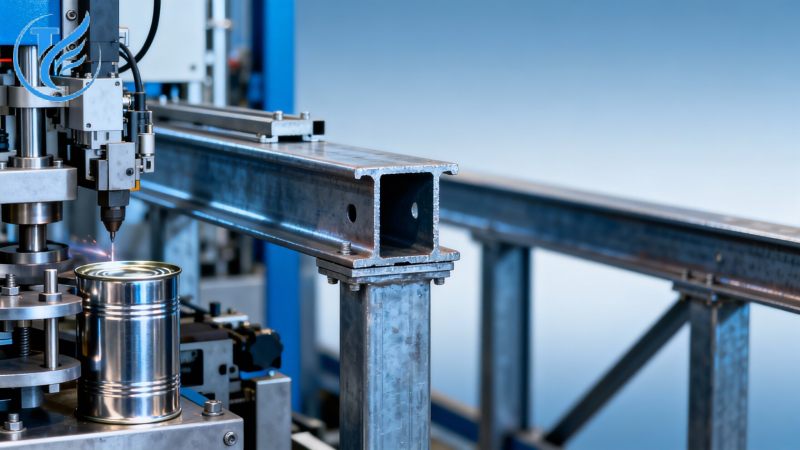
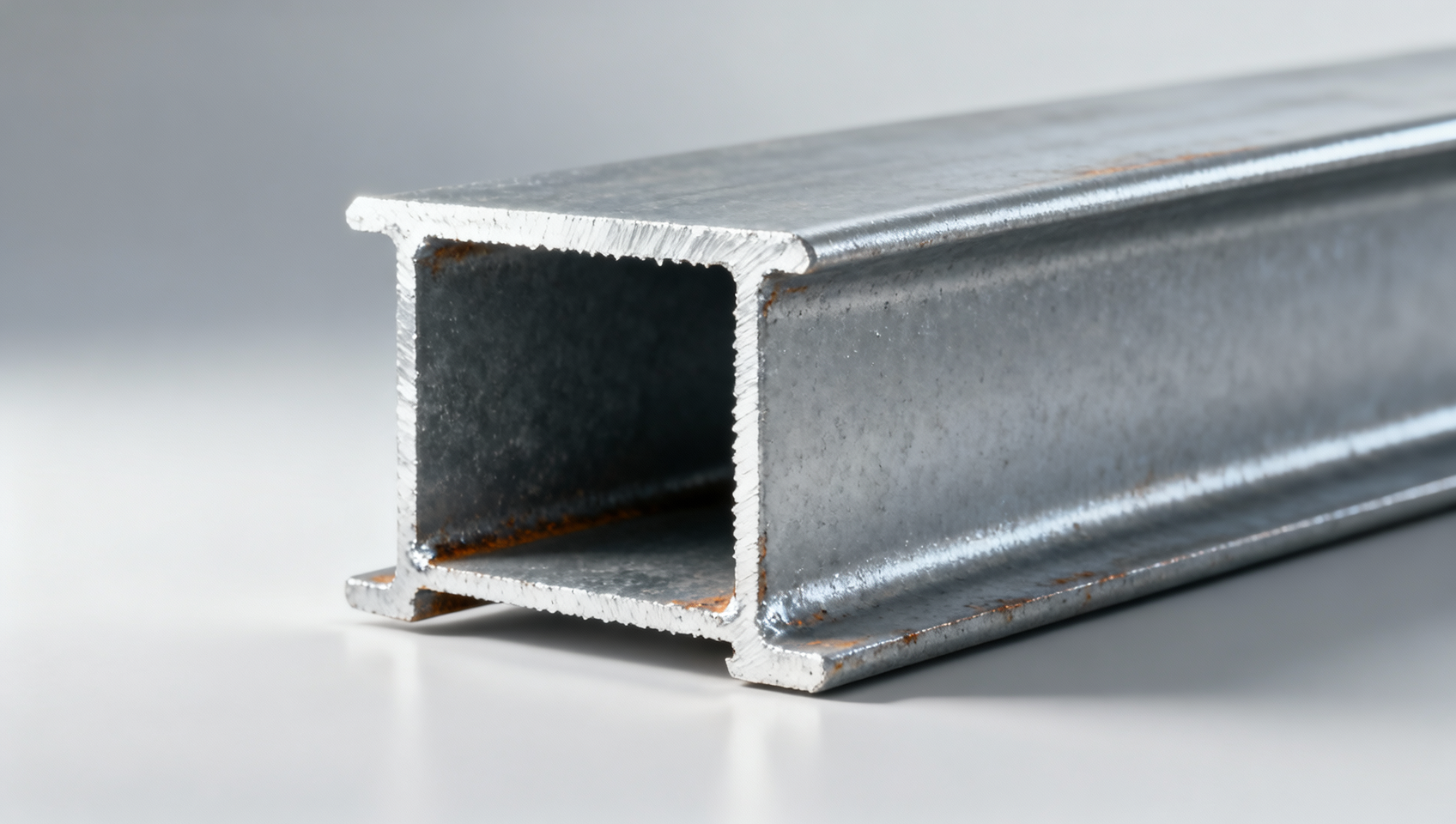
Proper installation is often underestimated but directly affects long-term performance and safety. Heavy roll stands, welding units and seamers impose point loads that must be transmitted safely to the factory floor. For most can making machine China suppliers, recommended structural supports include reinforced concrete pads and steel mounting frames anchored to distributed piers. The use of a correctly specified steel c channel beam to form machine support rails and gantry bases is common practice in the steel and metal packaging industry; the beam must be sized to expected load, deflection limits and seismic requirements where applicable.
Project managers should coordinate with structural engineers to verify foundation stiffness and vibration isolation. Vibration can degrade weld quality in a welding machine for tin can module and cause seamer misalignment over time. The design checklist for site readiness should include:
- Verified floor load-bearing capacity and flatness tolerances (usually<0.5mm/m where precision forming is needed).
- Anchor bolt pattern and embedment depth matched to machine base plates and steel c channel beam supports.
- Clearance for material handling, coil entry points, and maintenance access to modules such as food can sealing machine and inspection stations.
- Dedicated utility feeds: three-phase power with separate grounding, compressed air, cooling water and data lines for control networks.
In some installations, adjacent civil works such as retaining walls or protective barriers are necessary. For shoreline or reclamation projects where corrosion and settlement are concerns, consider pre-installed corrosion-resistant anchors or driven elements. Where applicable, integrate site stabilization products like Steel Sheet Piles to protect foundations and provide consistent bedrock contact for heavy machinery bases. Coordinate these measures early with your supplier and local contractors to avoid delays.
Finally, ensure alignment tolerances during commissioning are verified by authorized service engineers. Use laser alignment tools for long-straightness checks on forming lines and record baseline measurements for future maintenance. Properly anchored steel c channel beam supports and verified foundation stiffness will preserve seam integrity in 3-piece can production and maintain consistent weld quality in high-speed 2-piece equipment.
Comparative Snapshot: Throughput, Energy and Warranty (Sample Table)
Summary and Next Steps — How to Proceed with Procurement
Selecting the right can making machine China requires balancing throughput needs, energy budgets and after-sales commitments. Use a structured RFP that requests measured CPM and energy profiles, documents warranty scope and SLA terms, and includes mandatory site-preparation checklists covering steel c channel beam supports, foundation flatness and utility feeds. Prioritize tin can machinery manufacturer partners who demonstrate proven experience with the tin can forming process you require—whether 2-piece can equipment, 3-piece can production, or specialized aerosol can making line assembly—and who can provide transparent spare parts strategies and certified field support.
Shandong Hongteng Fengda Metal Materials Co. Ltd. exemplifies an integrated steel partner in the supply chain: with complete production technology in steel rolling and downstream processing, suppliers like this can coordinate material supply and structural elements to meet high standards of reliability and cost control for metal packaging equipment projects. When combined with a supplier that offers strong warranty and service arrangements, you reduce procurement and operational risk while accelerating time-to-volume.
Ready to compare specific models and obtain a tailored TCO analysis? Contact experienced procurement consultants or request a site audit and pilot production run from shortlisted tin can machinery manufacturer partners. For operational teams and QC, schedule acceptance test plans that include seam integrity, leak testing and energy profiling. To move forward: request detailed proposals that include measured throughput, power consumption data, warranty terms and spare part lead times so your purchase decision is evidence-driven.
Contact us to arrange technical evaluations, receive model-by-model comparisons, or request on-site installation planning. Learn more about solutions, lifecycle support and tailored financing options — understand more, reduce risk, and achieve predictable production outcomes with the right can making machine China partner.立即联系我们 to begin a detailed procurement assessment and site readiness review.
Related recommendations
 How long does acero prepintado retain gloss and color stability in direct desert sunlight?Acero prepintado gloss & color stability in desert sun? Discover real-world performance data, PVDF vs. polyester longevity, and spec-critical insights for GCC projects.
 Does acero pregalvanizado maintain coating integrity after cold bending to 90 degrees?Acero pregalvanizado maintains coating integrity after 90° cold bending — when engineered right. Discover how Hongteng Fengda guarantees real-world performance, adhesion & corrosion resistance.
 Do the advantages of galvanized steel include reduced fire risk compared to untreated carbon steel?Advantages of galvanized steel include measurable fire-risk reduction vs. untreated carbon steel—learn how zinc delays ignition, buys critical escape time, and enhances safety without false 'fireproof' claims.
 How much does 2 inch ss pipe price increase when upgrading from Schedule 40 to Schedule 80 for high-pressure systems?2 inch ss pipe price increases 18–35% when upgrading from Sch 40 to Sch 80—discover why, when it’s truly needed, and how to avoid overpaying.
Please give us a message


Please enter what you want to find