In 2025, operators and quality teams face tighter tolerances and faster lines—this practical guide to the tin can forming process identifies the top defects, their root causes, and hands-on fixes you can apply on the shop floor. Whether you run 2-piece can equipment or source a can making machine China from a trusted tin can machinery manufacturer, understanding weld defects, flange issues and sealing errors is critical. Inspectors, maintenance staff and project managers will get clear inspection checkpoints, corrective actions and preventative tips to cut scrap, improve uptime and ensure food- and aerosol-grade safety.
This article targets information researchers, operators, quality and safety managers, project leaders, maintenance teams, distributors and end users in the steel and metal packaging supply chain. It focuses on practical, shop-floor oriented solutions tied to steel processing realities and common production lines: 2-piece can equipment, 3-piece can production, welding machine for tin can setups, and entire aerosol can making line and food can sealing machine integrations. The guidance is grounded in common industry metrics—flatness, weld integrity, flange concentricity, seam height and seal compression—and gives tangible corrective actions, inspection checklists and preventive maintenance steps. Emphasis is placed on compatibility between metal substrate and forming/welding/sealing equipment, including material choices such as galvanized coils and sheets, tooling geometry, and PLC-driven process control strategies.
Weld Defects: Identification, Root Causes and Immediate Fixes
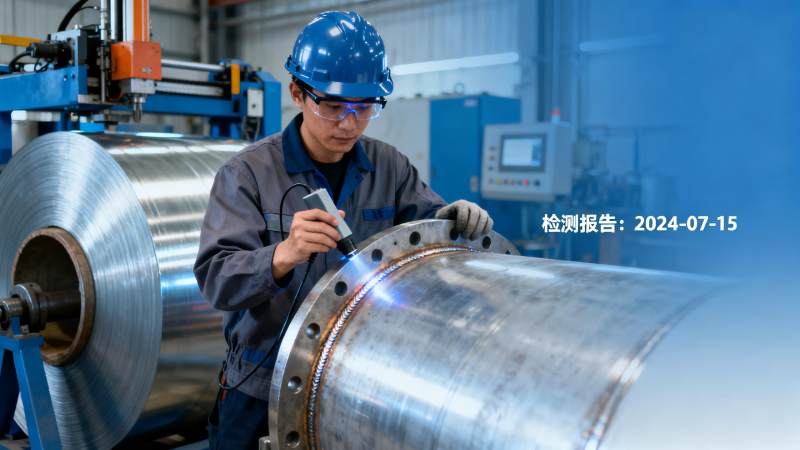
Weld quality remains a top cause of scrap and field failures in both 3-piece can production and certain specialty 2-piece processes that require seam welding. Typical defects include cold welds, porosity, lack of fusion, excessive spatter, and inconsistent bead profile that compromise hermeticity in food cans and aerosol can making lines. Identification begins with a layered inspection: visual inspection under controlled lighting, dimensional gauge checks, non-destructive testing (NDT) such as eddy current or ultrasonic where applicable, and routine leak tests at production rate. Key root causes are often process- and material-driven: improper joint fit-up from stamped panels or tube mills, incorrect weld head alignment, inappropriate current or speed settings on the welding machine for tin can applications, poor shielding gas delivery, and contamination from oils, lubricants or mill scale on incoming steel coils.
Hands-on fixes begin with the simple and verifiable: ensure clean, consistent edge preparation and use calibrated gap fixtures to verify joint clearance at the tooling stage. For resistance or projection weld systems, standardize electrode face condition and electrode life-cycle management to prevent increased contact resistance; for laser or high-energy systems, verify focus, beam alignment and assist gas purity. Implement a quick weld-audit checklist for operators: check alignment, measure clamping force, sample weld cross-sections weekly, and log electrical parameters per batch. If porosity appears, trace potential contamination sources—switch to approved degreasing protocols or add a quick inline solvent stage. For cooling or post-weld treatment variability, standardize flow rates and monitor thermal profiles with thermocouples where accessible.
On the equipment side, partnering with your tin can machinery manufacturer can reduce defects: request machine parameter presets for specific alloy and thickness combinations, and document a return-to-baseline SOP for shift changes or tooling swaps. Training for welding operators should include process windows, how to read weld parameter logs, and joint acceptance criteria. Maintain a rolling record of welding machine maintenance and integrate simple SPC charts for weld strength and leak test pass rates. These steps minimize downtime related to welding machine for tin can troubleshooting, improve throughput on aerosol can making line segments, and cut quality-related rework.
Flange, Body and Draw Defects: Diagnosing Forming Issues on 2-piece and 3-piece Lines
Flange and body defects are frequently visible but poorly attributed. In 2-piece can equipment where drawing and ironing form the body from a cup, defects such as wrinkling, tearing, uneven wall thickness, flange collapse and off-center flanges reduce sealing reliability and can lead to downstream rejection at the food can sealing machine or aerosol assembly stage. In 3-piece can production, poor body panel roll forming or poor seam preparation leads to flange mismatch, uneven bead height, and increased reliance on corrective welding, raising scrap. Root causes generally fall into three categories: material inconsistency (e.g., coating, yield strength variance), tooling wear or misalignment, and process parameter drift (lubrication, draw speed, die clearance).
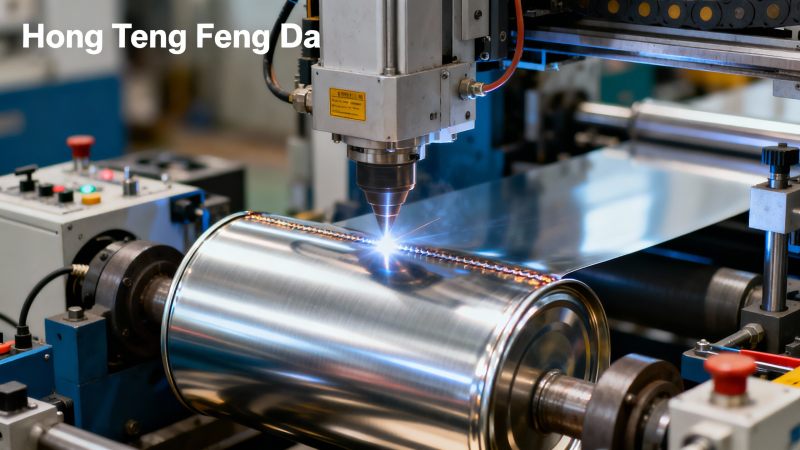
A practical approach starts with material verification. Confirm coil and sheet specifications against forming limits (tensile strength, elongation, coating weight). If frequent flange collapse occurs, test a small sample run with an alternative coil batch or a controlled sample of Z275 Galvanized Sheet to isolate substrate performance differences. On the tooling side, implement routine die inspection intervals: measure die radii, verify polishing condition, and check drawing pad pressure. Track tool counter readings and correlate with the first-pass yield. For lubrication issues, switch to controlled dispense systems and monitor lubricant pick-up on the formed parts; inconsistent lubrication is a primary cause of tearing and scoring.
Operational fixes include tightening process control loops: lock critical setpoints with password protection on PLCs, set automated alarms for draw speed and blank holder force excursions, and create a mandatory pre-shift checklist for operators to confirm die set condition and part dimensions. For distributors and project managers evaluating new metal packaging equipment or a can making machine China, request process capability reports and on-site trials with product-specific settings to reduce flange and body defects before installation. Finally, integrate a feedback loop between quality inspection and maintenance so minor deviations are corrected before they propagate into major batch failures.
Seam Sealing and End-Flanging: Preventing Leak Paths on Food and Aerosol Cans
Seam sealing and end-flanging are the final barriers to product integrity. For food can sealing machine and aerosol can making line operations, the most damaging defects are incomplete seam folds, double-fold errors, detachment between body and end, and improper compound application leading to solvent migration or seal creep. These defects risk contamination in food cans and leakage or propellant escape in aerosol systems. Root causes include mis-set seamer head clearances, incorrect compound type or viscosity, foreign debris trapped in flange areas, and misalignment between end-feeder and seamer timing. Environmental factors such as humidity and temperature can also change sealant behavior, particularly for water-based compounds used in modern food packaging.
To mitigate seam and sealing failures, deploy a layered inspection and control plan: routine dimensional checks of flange overlap, torque and compression testing on sealed samples, dye-penetrant or vacuum-based leak tests, and compound viscosity checks at shift start. Standardize end seamer setup with torque-limited tools and use gauge blocks or master parts to verify the first run of each shift. For compound issues, maintain temperature-controlled storage and use calibrated dispensing systems on the food can sealing machine to ensure consistent wet film thickness. If double-folds or incomplete hooks occur, check the end feeding timing and the seamer spindle indexing; small timing adjustments often resolve a large proportion of defects.
Maintenance and spare parts strategy matters: keep critical seamer rolls, chuck assemblies and tooling spares in inventory and define mean time between replacement (MTBR) targets based on production hours. For contract manufacturers and OEMs comparing tin can machinery manufacturers, request documented seamer setup sheets and preventive maintenance schedules that include acceptable wear limits. Integrating inline leak detection and real-time data capture from the food can sealing machine and adjacent inspection stations supports rapid root-cause analysis and reduces customer complaints for both food-grade and aerosol-grade products.
Shop-Floor Controls, Material Handling and Preventive Programs to Boost Uptime
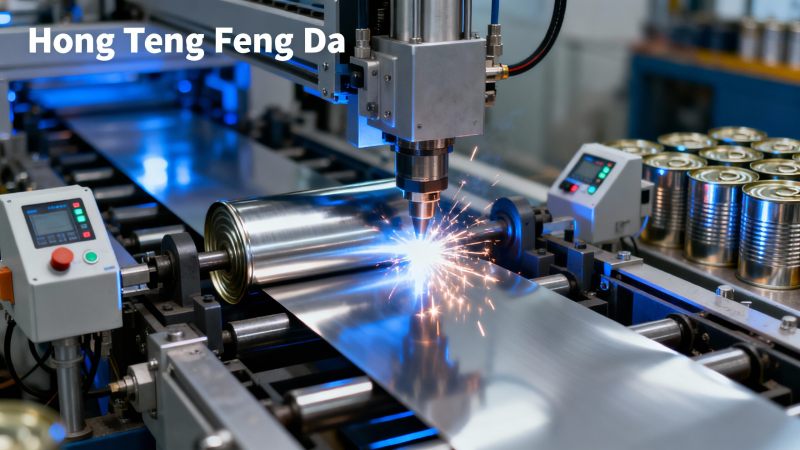
Preventing the defects described above requires a systemic approach linking material specification, handling practices, equipment maintenance, and operator competency. Key shop-floor controls include incoming material inspection, clear traceability from coil to finished can, protective handling for coated materials, and standardized storage to avoid mechanical damage or corrosion. For example, retaining coil test certificates and periodically sampling tensile and coating properties helps determine if a spike in defects is material-related or process-driven. Material handling solutions—coil cars with controlled unwind tension, proper storage racks, and edge protectors—limit pre-processing damage that later shows as edge cracks or seal issues on the can body.
Preventive maintenance should be schedule-driven and data-informed. Implement condition-based checks for critical assemblies on can making lines: vibration analysis for gearboxes, thermal scans of electrical cabinets, and cycle counters for tooling life. Use an asset register and link maintenance records to quality outcomes so you can quantify the impact of maintenance on scrap and uptime. Training programs must be role-specific: operators trained to detect forming anomalies, QC staff trained on seam evaluation and acceptance criteria, and maintenance teams trained on the specific welding machine for tin can components and seamer mechanics. For project managers and distributors, include service-level agreements (SLAs) and spare parts kits as part of any metal packaging equipment procurement to reduce lead time for repairs.
Operational metrics to monitor include first-pass yield, mean time between failures (MTBF), mean time to repair (MTTR), and leak-test pass rate. Regularly review these metrics in joint production-quality reviews and use root-cause trending to prioritize capital spend—whether that is upgraded tooling, additional inline NDT, or new can making machine China models that offer better control and repeatability. Vendors and tin can machinery manufacturer partners should provide baseline capability data and support start-up with on-site optimization to align equipment performance with the realities of your specific steel substrates and production volumes.
Summary and Recommended Next Steps
The tin can forming process in 2025 demands precise coordination between material selection, machine setup, and disciplined shop-floor practices. Weld defects, flange and body anomalies, and sealing failures are the most common drivers of scrap and warranty risk across 2-piece can equipment, 3-piece can production and integrated aerosol can making line and food can sealing machine operations. Practical fixes begin with rigorous incoming material checks, standardized tooling maintenance, operator checklists, and data-driven preventive maintenance. When defects occur, follow structured root-cause analysis that considers material, tooling and parameter windows before making permanent design changes.
Shandong Hongteng Fengda Metal Materials Co., Ltd. brings end-to-end capabilities in steel plate and coil production, and partners with customers to ensure substrate performance aligns with can line expectations. Their experience in supplying a wide range of coils and galvanized sheet products enables faster troubleshooting and better traceability between substrate and finished can outcomes. For operators and procurement teams evaluating suppliers or new equipment, insist on capability demonstrations, documented setup sheets, and quick-response service commitments.
If your line is struggling with recurring weld issues, flange inconsistencies or sealing failures, take three immediate steps: 1) run a material trace and a controlled sample using known-good coil, 2) perform a stop-and-audit of tooling condition and setup parameters, and 3) engage your machine supplier for a parameter restore and operator retraining session. To explore compatible substrates and reliable supply, view product options such as Z275 Galvanized Sheet and contact our technical team for tailored process optimization. Learn more about solutions, request service, or schedule an on-site audit—contact our experts to reduce scrap, improve uptime and ensure regulatory compliance for food and aerosol packaging.
Please give us a message


Please enter what you want to find