Definition and Overview
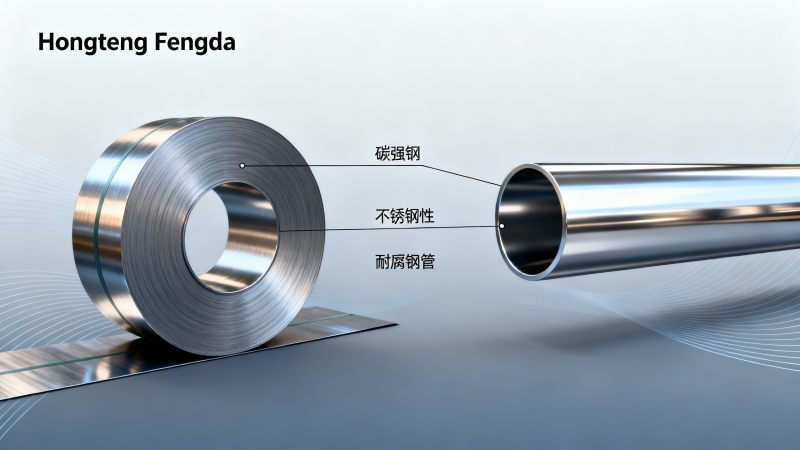
In 2025 procurement managers face an important choice between carbon steel coil and stainless steel pipe when sourcing materials for construction and industrial applications. Understanding the differences in strength, corrosion resistance, and cost efficiency is essential to optimize project performance. As a trusted structural steel manufacturer and exporter from China, Hongteng Fengda provides reliable solutions including C-shaped steel profile, U channel steel, galvanized steel pipe, and stainless steel tubing to help global buyers make informed, cost-effective decisions for their projects. Carbon steel coil is known for its durability, strong load resistance, and excellent machinability, making it a favorite choice for structural and mechanical uses. Stainless steel pipe, on the other hand, offers superior corrosion resistance and clean surface properties that align with hygienic or marine environments. Both materials—carbon and stainless—play a critical role in construction, manufacturing, and infrastructure development. Companies comparing these two steel types should understand not only their composition but also how their performance parameters link to real-world performance and lifecycle value. The decision is not only about strength but also environmental conditions, safety standards, and sustainability goals. For professional procurement, the selection process must merge technical evaluation with logistical efficiency and global supply chain reliability offered by experienced manufacturers like Hongteng Fengda.
Market Overview and Industry Background
The steel market in 2025 continues to evolve under the combined influence of infrastructure upgrades, industrial automation, and environmental regulations. The demand for carbon steel coil, galvanized steel pipe, and stainless steel pipe remains strong across Asia, North America, and Europe. Procurement managers, decision makers, and quality supervisors now prioritize performance-certified materials that meet ASTM, EN, JIS, and GB standards. Manufacturers such as Hongteng Fengda strengthen their market presence by maintaining modern production facilities and consistent international quality. Carbon steel coil retains its leading position in heavy industry, while stainless steel tubing dominates sectors requiring sanitary surfaces like food processing, chemical equipment, and medical instruments. With increasing global trade and sustainability-focused initiatives, the steel industry is moving toward innovative coating technologies such as Electro Galvanized Wire and Galvanized Channel Steel, which extend the lifespan of steel components in aggressive environments. Market analysts expect continued diversification of applications, from large construction to customized OEM solutions—a field in which Hongteng Fengda offers flexibility, efficient logistics, and compliance with multiple certification programs like ISO, SGS, and BV. Price volatility linked to raw iron ore and chromium costs also drives the need for precise procurement planning, making detailed comparisons between carbon and stainless options crucial for cost control and risk management.
Technical Performance and Material Comparison
Technically, both carbon steel and stainless steel feature strong mechanical profiles but differ in chemical composition. Carbon steel coil primarily contains iron and carbon, providing high tensile strength and weldability but limited corrosion resistance. Stainless steel pipe includes alloys of chromium, nickel, and other elements that create a self-repairing oxide film, giving it chemical stability in humid or acidic environments. For example, stainless steel tubing performs exceptionally well in food and pharmaceutical production lines where cleanliness is critical, while carbon steel coil excels in large load-bearing structures such as bridges and industrial frames. In precision terms, tensile strengths of typical carbon steel range from 400 MPa to 900 MPa, whereas stainless types like grade 430 and 201 show strength around ≥ 520 MPa with yield strength ≥ 275 MPa. The elasticity of these materials differs too, affecting forming and bending behavior during fabrication. The 430 Stainless Steel Coil exhibits high formability and can be hardened through cold working, making it suitable for parts requiring flexibility under mechanical stress. Hongteng Fengda manufactures such materials in compliance with international standards, offering customizable dimensions—thickness from 2.5 to 10.0 mm, widths up to 2000 mm, and surface finishes such as BA, 2B, NO.4, and HL—to match diverse application needs. For procurement specialists, understanding these numeric performance indicators ensures that material selection not only meets design specifications but aligns with production efficiency, shipping requirements, and projected lifecycle costs.
Application Scenarios and Performance in Real Projects
Application scenarios for carbon steel coil and stainless steel pipe extend far beyond general construction. Carbon-based materials serve as a backbone in the manufacturing of beams, angle steel, and C-shaped steel profiles used in heavy frameworks and transportation infrastructure. Stainless steel, particularly pipe and tubing, demonstrates supremacy in industrial plants where exposure to chemicals or moisture is constant. In urban architecture and outdoor decoration, stainless steel maintains visual appeal due to its glossy finishes and resistance to tarnish—qualities appreciated by architects and developers focusing on modern city aesthetics. Hongteng Fengda supplies overseas projects featuring a mix of carbon steel frame structures and stainless installations, balancing mechanical strength with corrosion resistance. For example, automotive factories prefer carbon steel coil for chassis and mechanical brackets due to its cost advantage, while stainless pipe networks are preferred for exhaust and fluid systems. The 430 and 201 grades are also common in kitchenware, conveyor belts, trains, and aircraft cabins, where lightweight corrosion-resistant materials enhance performance and safety. Hongteng Fengda’s experience with customized production, including temperature and pressure optimization, ensures that each batch of stainless tubing or galvanized steel wire maintains uniform hardness (≤ 183HB) and elasticity modulus up to 197 GPa. Project managers benefit from reliable documentation, traceable production data, and professional exports logistics, ensuring steady supply and technical consistency across markets in the Middle East and Southeast Asia.
Procurement Guide and Cost Considerations
Selecting the right steel product requires balancing technical specifications with total cost of ownership. Procurement officers should begin by defining the operational environment—humidity, temperature fluctuations, and load requirements—then match these to material properties. Carbon steel generally offers a lower unit price and easy fabrication, but it demands coating or galvanizing for corrosion protection, like through Galvanized Channel Steel or Electro Galvanized Wire technologies. Stainless steel pipe, while more expensive at purchase, reduces long-term maintenance costs, especially in environments encountering water, acids, or saline air. Lifecycle analysis often demonstrates that stainless solutions yield better ROI for food and chemical industries, whereas carbon steel delivers cost efficiency in structural and mechanical frameworks with controlled corrosion protection. During planning, buyers should also evaluate supply chain stability. Hongteng Fengda supports customers through consistent production capacity, adherence to GB and EN certifications, and versatile export logistics. The company also provides OEM customization for non-standard requirements, ranging from special U channel steel sizes to complex cold formed profiles. When budget adjustments are required, combining carbon steel for the skeleton and stainless sections for exposed surfaces can yield both strength and aesthetics. Decision makers should consult technical drawings, verify standard conformity (ASTM A36, AISI 304 or 430 references), and confirm tensile and hardness targets outlined in product data sheets. Efficient procurement thus depends on collaboration with a reliable supplier that ensures quality traceability and timely delivery.
Case Studies and Compliance Practices
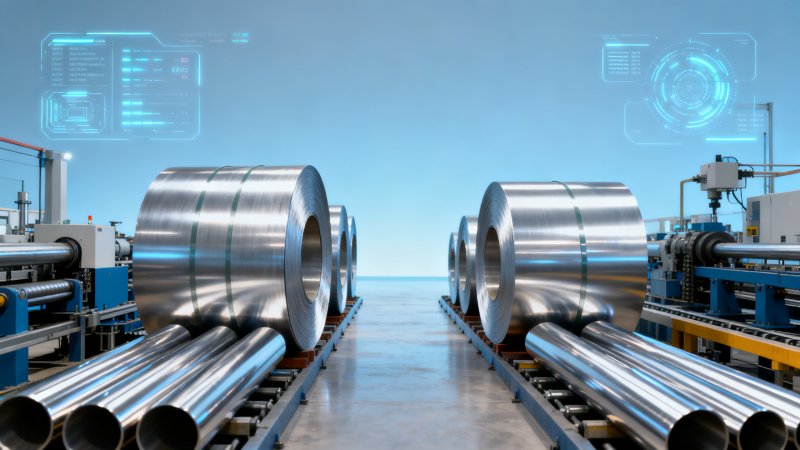
A striking illustration comes from an industrial equipment manufacturer that sourced both carbon steel coil and stainless steel pipe from Hongteng Fengda for a Southeast Asian port renovation project. The carbon steel components formed the structural framework, while stainless tubing ensured resistance to sea mist and oxidation. By adhering to ASTM and EN standards, the project achieved longer durability with reduced maintenance downtime over five years. Another case in the Middle East showcased medical-grade applications using the 430 Stainless Steel Coil in assembling diagnostic devices. The client benefited from consistent yield strength (≥ 275 MPa) and excellent surface reflectivity through 8K mirror finishing, ensuring precise assembly accuracy. Both cases highlight how compliance with ISO and SGS certifications contributes to predictable outcomes and regulatory acceptance in global trade. Transparent inspection records, laboratory mechanical testing, and surface roughness verification serve as evidence of Hongteng Fengda’s robust quality management system. Procurement leaders aiming for sustainable project execution should integrate standardization and traceability in every step, from raw material sourcing to final component packaging.
Trend and Future Insights
Looking forward, the global steel industry is advancing towards intelligent and eco-efficient manufacturing. Automation in coil processing lines and digitalized quality tracking ensure reduced error rates and optimized material usage. Demand for galvanized steel wire and advanced stainless steel tubing grows in tandem with renewable energy infrastructure. Environmental sustainability drives greater use of recyclable carbon steel and low-alloy variants with controlled emissions during production. Procurement professionals should anticipate rising importance of data-driven sourcing decisions, where oxidation resistance, carbon footprint, and recycling compatibility will become selection benchmarks. Hongteng Fengda continually invests in technological upgrade and metallurgical research, ensuring that structural steel and specialized alloys meet the evolving expectations of engineering projects around the globe. Integrating predictive analytics and AI-guided logistics, the company positions itself as a dependable partner for clients navigating complex global supply networks.
Why Choose Hongteng Fengda
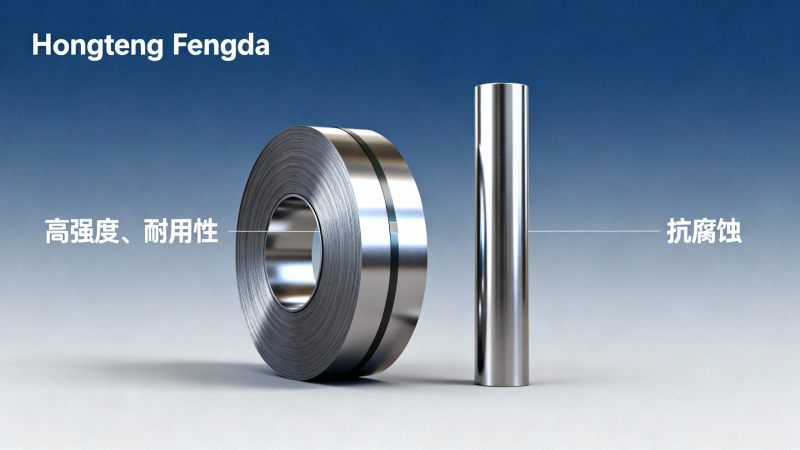
Choosing Hongteng Fengda as your structural steel partner means gaining access to comprehensive expertise, verified quality, and flexible customization. The company offers a full range of structural and processed steels including angle steel, channel steel, galvanized steel pipe, carbon steel coil, and stainless steel pipe—all tested to meet ASTM, JIS, and GB requirements. Buyers benefit from dependable lead times, responsive communication, and continuous improvement programs aimed at minimizing defects and sourcing risk. Every order—whether for U channel steel sections or stainless steel tubing—is backed by modern testing, surface finishing options (from NO.1 to 8K), and strict internal audits. Hongteng Fengda’s long-established export experience across North America, Europe, and Asia guarantees on-time delivery and reliable cost control. For organizations seeking not just materials but partnership, the company provides technical consultation, project-based logistics planning, and aftersales service to ensure smooth integration of steel components into final structures. Contact Hongteng Fengda today to discuss customized structural steel solutions that align with your engineering targets, quality requirements, and sustainability objectives.
- channel steel
- steel i
- angle steel
- galvanized steel wire
- galvanized wire
- galvanized steel pipe
- Electro Galvanized Wire
- steel tubing
- carbon steel coil
- steel pipe
- steel coil
- galvanized steel
- structural steel
- steel profiles
- C-shaped steel profile
- C-shaped steel
- Galvanized Channel Steel
- U channel steel
- galvanized channel steel
- Structural Steel
- U Channel Steel
- stainless steel tubing
- stainless steel pipe
- stainless pipe
- ss pipe
- Profile
- Galvanized
- Steel Wire
- carbon steel
- steel profile
Related recommendations
 How to Select the Correct Steel Sheet Grade for Auto PartsSelect the ideal steel sheet for auto parts by balancing performance and cost. Discover expert sourcing strategies to avoid manufacturing traps and optimize procurement. Read our guide now!
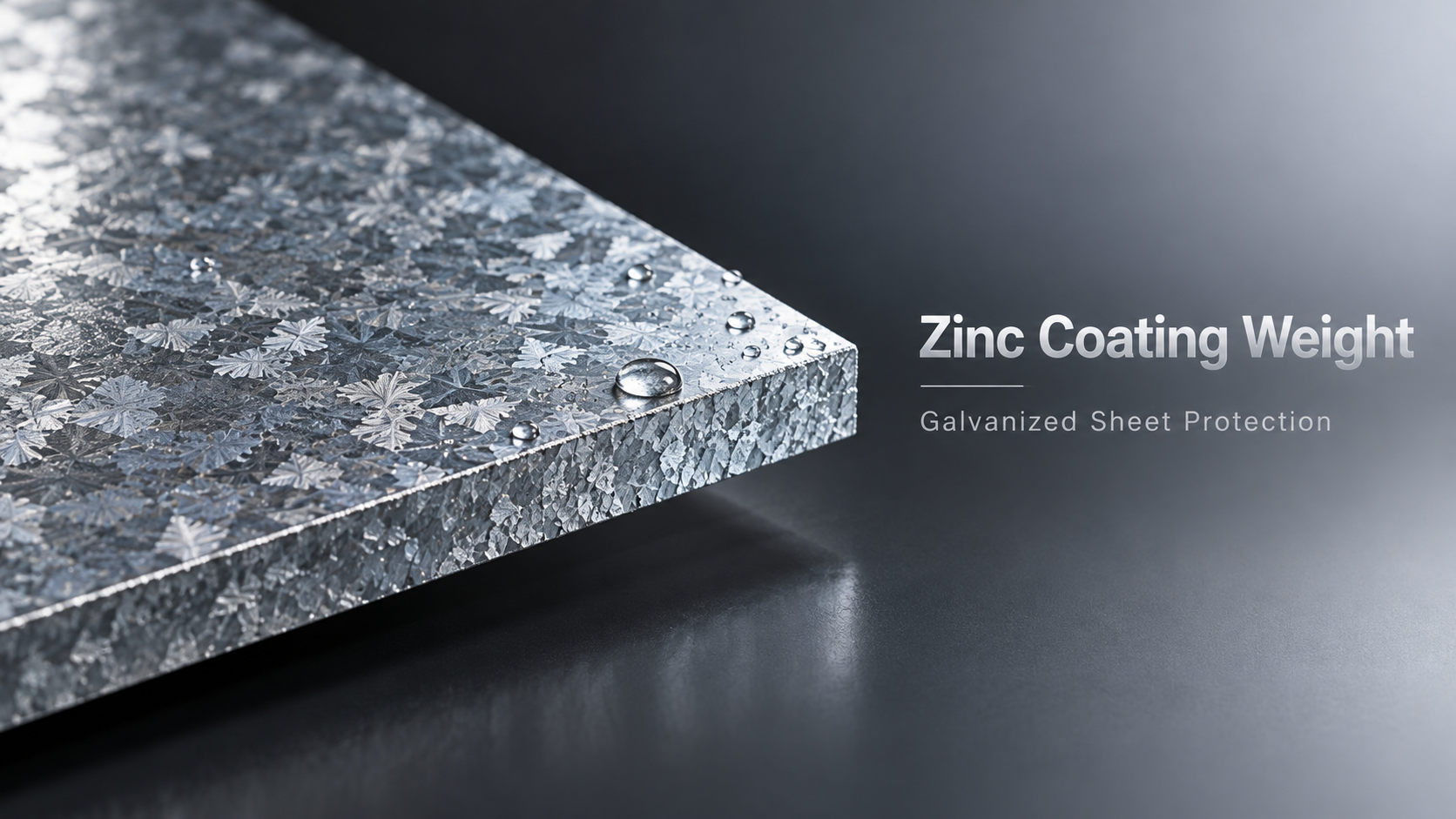
 Choosing the Right Zinc Coating Weight for Galvanized SheetOptimize your galvanized sheet selection by choosing the right zinc coating weight. Discover expert strategies to balance corrosion resistance, formability, and project costs.
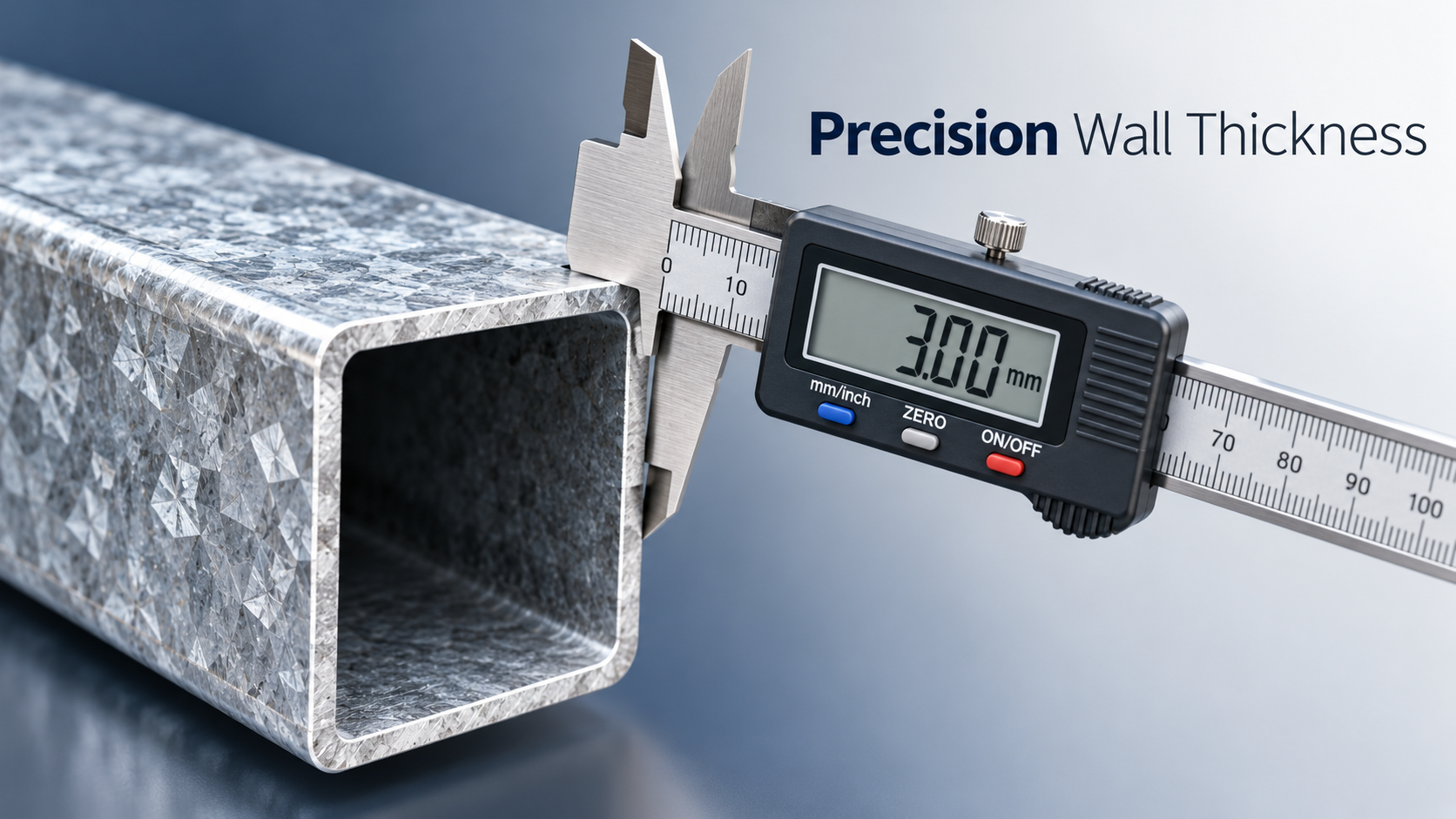
 How to Specify Wall Thickness for Structural Steel TubingMaster wall thickness specification for structural steel tubing. Balance engineering loads, global tolerances, and costs. Read our expert guide to optimize procurement and ensure project safety!
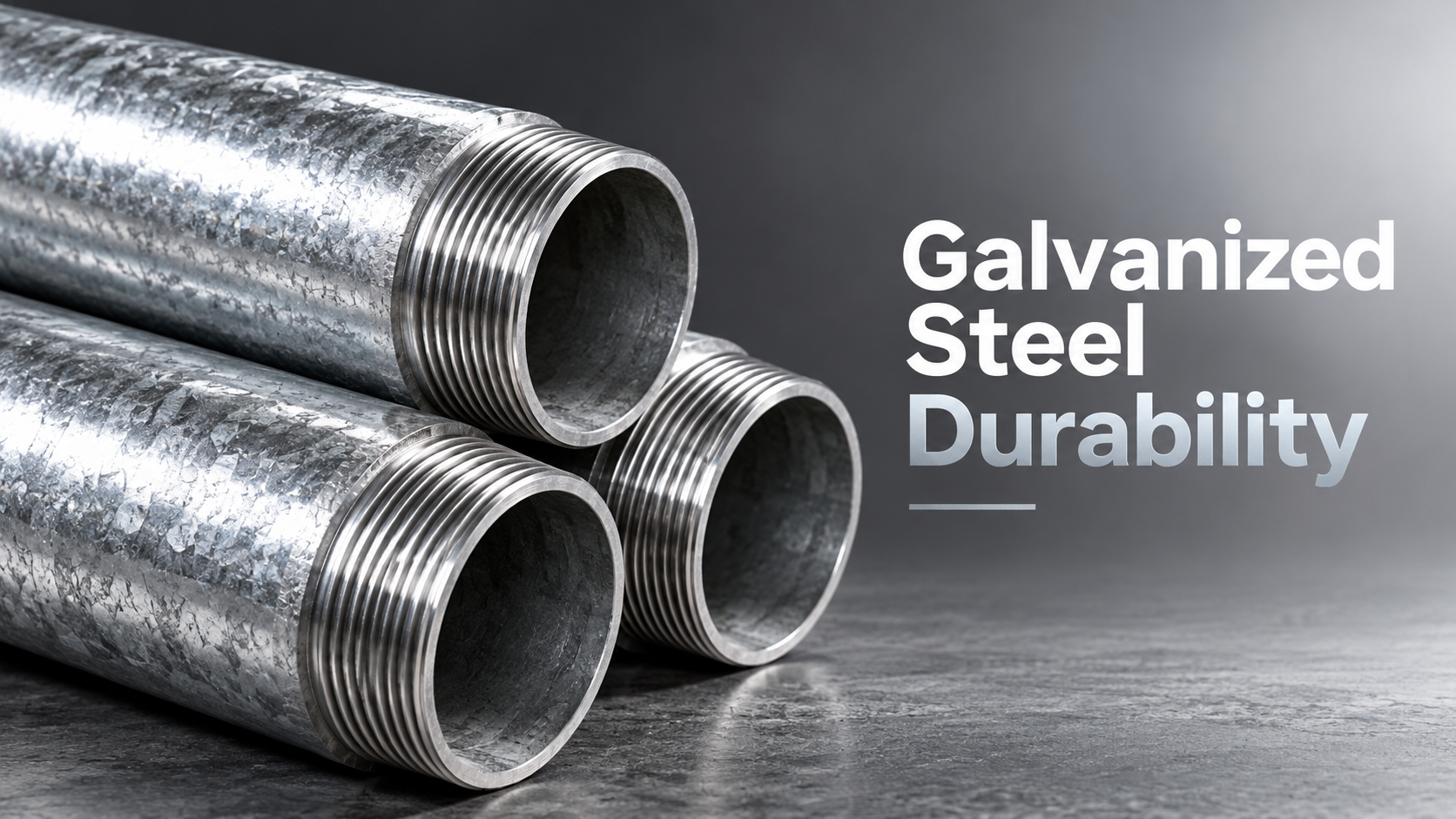
 Galvanized Pipe vs. Copper: Cost and Durability ComparisonDiscover why galvanized pipe outperforms copper in cost and durability. Compare total lifecycle expenses and make a smart procurement choice for your next industrial project today.
Please give us a message


Please enter what you want to find