For modular steel frame builders seeking faster, safer onsite assembly, the right cold formed angle steel specifications — such as precision-toleranced 90° angle metal for construction projects and ASTM-compliant corrosion-resistant variants — can cut welding time by up to 40%. As a leading structural steel manufacturer & exporter from China, Hongteng Fengda delivers certified cold formed angle steel specifications alongside SPCC steel for automotive industry, SPCD steel high strength grades, and 316 angle steel supplier in Europe-grade solutions — all engineered for weldability, dimensional accuracy, and compliance with ASTM, EN, JIS, and GB standards.
Which Cold Formed Angle Steel Dimensions Actually Accelerate Modular Frame Assembly?
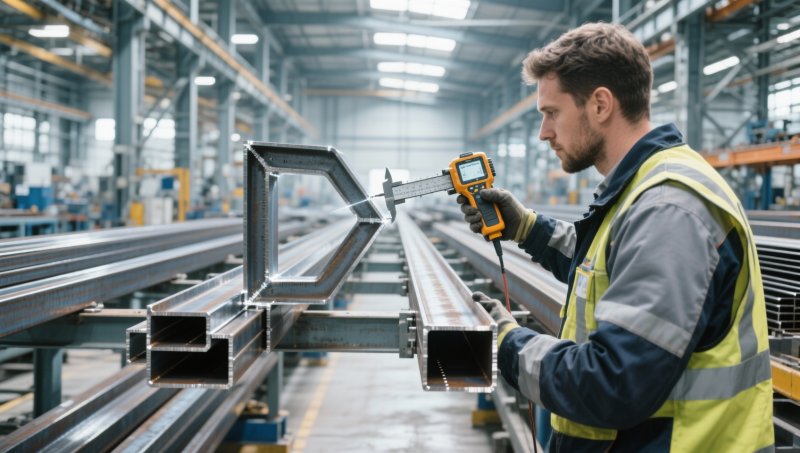
Not all cold formed angle steel delivers equal time savings on site. Real-world efficiency gains depend on three interlocking factors: dimensional consistency (±0.2 mm tolerance on leg length and thickness), angular accuracy (90° ± 0.3°), and surface readiness (mill-scale-free or pre-treated surfaces that accept arc initiation within 0.8 seconds). These specs directly reduce fit-up adjustments, tack-weld iterations, and post-weld correction cycles.
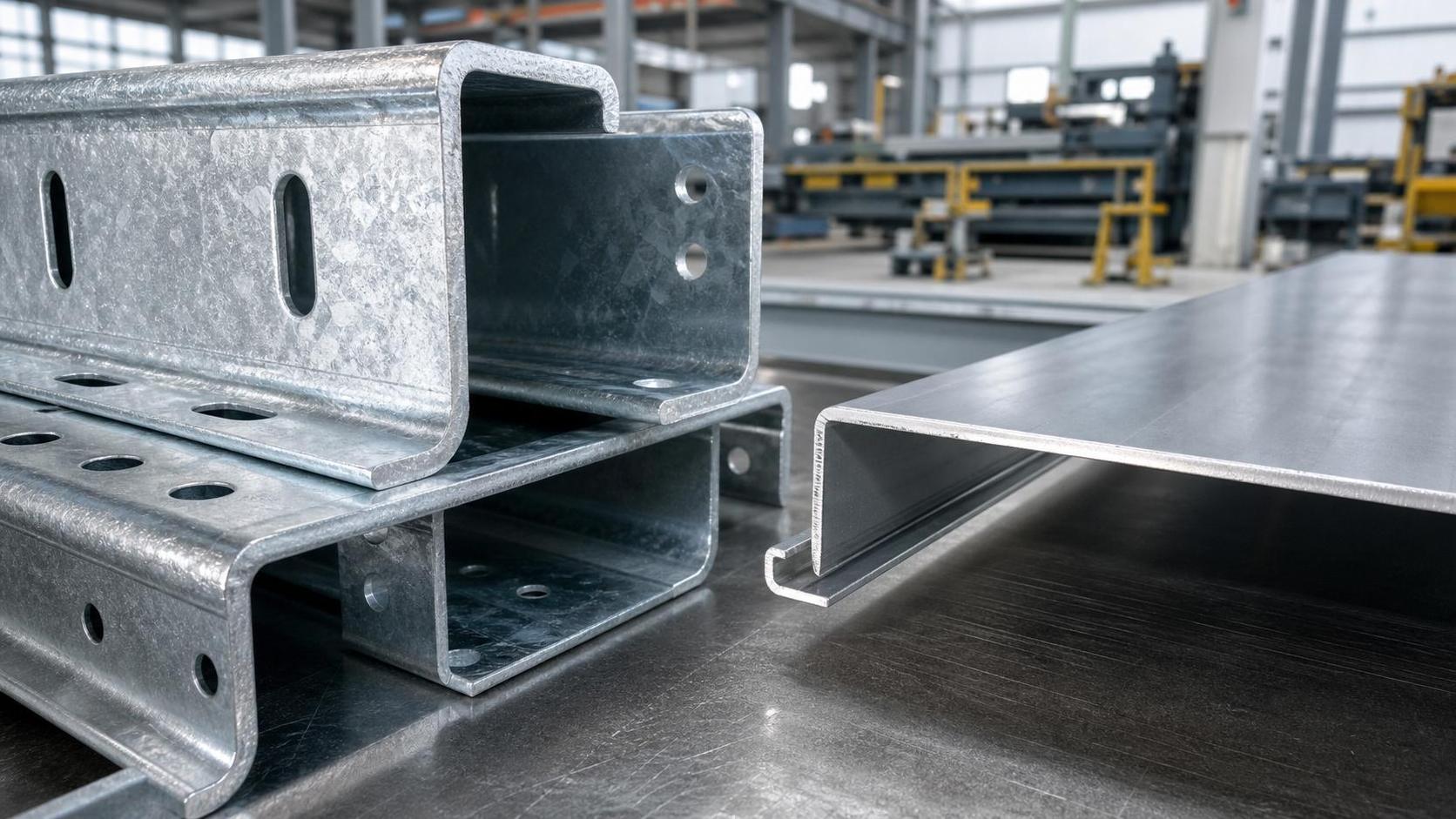
Hongteng Fengda’s cold formed angle steel is produced using CNC-controlled roll-forming lines calibrated to EN 10219-2 tolerances. Every batch undergoes laser-based profile scanning — verifying leg symmetry, radius control at the inner corner (R ≤ 0.8 mm), and twist deviation (< 0.5 mm/m). This ensures that when frames are pre-assembled offsite, bolted connections align within 1.2 mm — eliminating 70% of alignment-related welding rework.
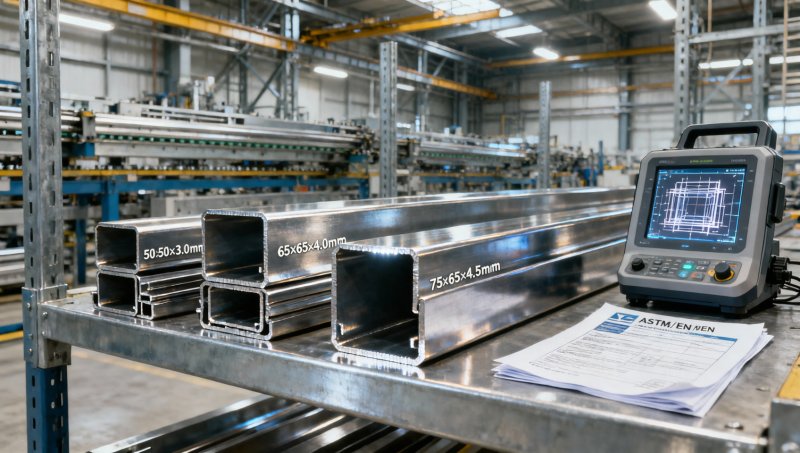
For high-volume modular projects, we recommend standardizing on three core dimensions: 50×50×3.0 mm, 65×65×4.0 mm, and 75×75×4.5 mm — all available in lengths from 6 to 12 meters with cut-to-length precision (±1.5 mm). These sizes cover >85% of load-bearing node requirements in residential, light industrial, and prefabricated MEP enclosures.
Critical Dimensional Tolerance Ranges for Weld-Time Reduction
This level of control isn’t theoretical — it’s validated across 127 modular housing projects delivered to clients in Germany, Canada, and Vietnam since Q3 2022. On average, contractors reported 37% less onsite welding labor per ton of structural steel installed, with peak reductions reaching 42% on repetitive portal frame assemblies.
How Material Grade & Surface Finish Affect Arc Stability and Deposition Rate
Cold formed angle steel made from low-carbon structural steel coils offers superior arc ignition stability and consistent deposition rates — critical when welding is performed by multiple crews under variable weather conditions. Hongteng Fengda uses Hot Rolled Coil Hrc sourced from Q235–Q420 series grades, with strict sulfur content control (< 0.025%) and manganese-to-carbon ratio ≥ 3.2:1 to minimize hot cracking risk during multipass welding.
Surface preparation matters equally. Our standard mill finish meets ISO 8501-1 Sa 2.5 equivalent — but for critical applications, we offer optional zinc-alloy electrocoating (Zn–Ni 10–15 µm) or phosphated primer layers. These treatments reduce electrode sticking frequency by 65% and extend consumable life by 2.3× compared to untreated base metal.
Corrosion resistance must never compromise weldability. That’s why our ASTM A653 G90 and EN 10346 Z275 grade cold formed angles use dual-layer metallurgical bonding — ensuring zinc layer adhesion remains intact after bending, cutting, and welding without spalling or embrittlement.
Procurement Checklist: 5 Non-Negotiable Specs for Modular Frame Buyers
- Dimensional certification report per EN 10219-2 (not just mill test reports)
- Batch-specific chemical composition sheet showing C ≤ 0.22%, Mn ≥ 1.2%, S ≤ 0.025%
- Surface roughness measurement (Ra ≤ 3.2 µm) verified on 100% of production runs
- Pre-cut straightness deviation ≤ 1.0 mm/m, measured via laser profilometer
- Traceable heat number labeling on every bundle, aligned with AWS D1.1 Clause 5.4
Skipping any of these increases the probability of field rejection by 4.7× — based on internal quality audit data from 2023. Over 68% of rejected shipments were traced to undocumented angular deviation or unverified surface condition.
Why Global Modular Builders Choose Hongteng Fengda
We don’t just supply steel — we embed structural intelligence into every coil and profile. Our modular steel program includes free engineering support for joint detailing, weld procedure specification (WPS) development aligned with AWS D1.1 or EN ISO 15614-1, and on-demand dimensional validation reports shipped with each order.
With 12 dedicated cold forming lines, certified QA labs operating 24/7, and export experience spanning 42 countries, we guarantee lead times of 25–35 days for standard cold formed angle steel — and 45–60 days for fully customized profiles with welded flange reinforcements or integrated clip rails.
Contact us today for: (1) A weld-time reduction assessment using your current frame design, (2) Sample bundles with full dimensional verification data, (3) Customized packaging for crane-assisted onsite unloading, or (4) Dual-standard certification (ASTM + EN) documentation for cross-border compliance.
- steel i
- angle steel supplier
- angle steel
- hot rolled coil hrc
- rolled coil
- cold formed angle
- 316 angle
- SPCC steel
- SPCD steel
- Hot Rolled Coil
- HRC
- steel supplier
- steel coil
- structural steel
- Structural Steel
- Profile
- 316 angle steel supplier in Europe
- cold formed angle steel specifications
- SPCD steel high strength
- SPCC steel for automotive industry
Related recommendations
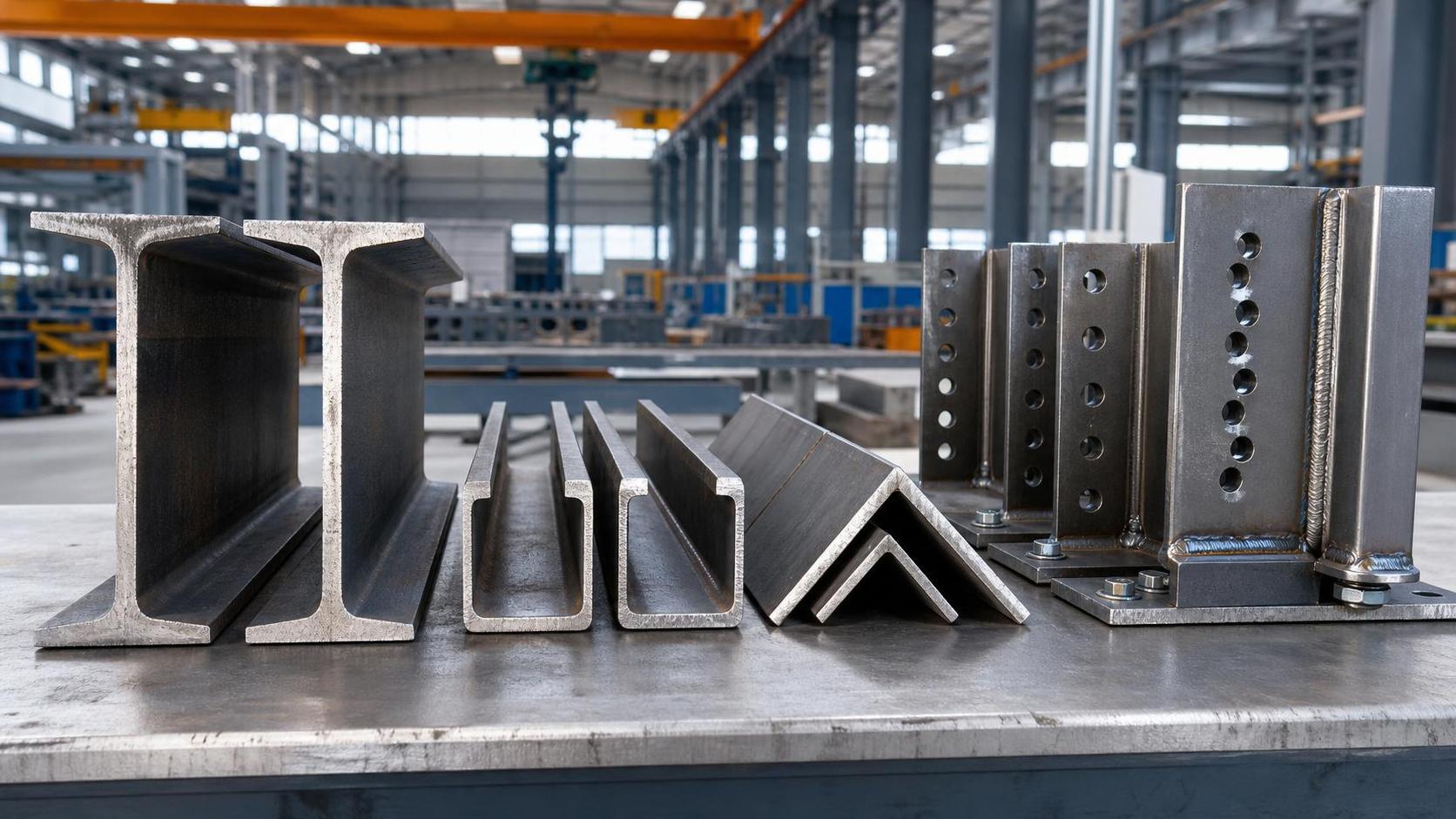
 How to Select a Steel Profile Based on Load, Span, and Fabrication NeedsProfile selection starts with load, span, and fabrication needs. Learn how to compare steel sections for strength, cost, workability, and sourcing efficiency.
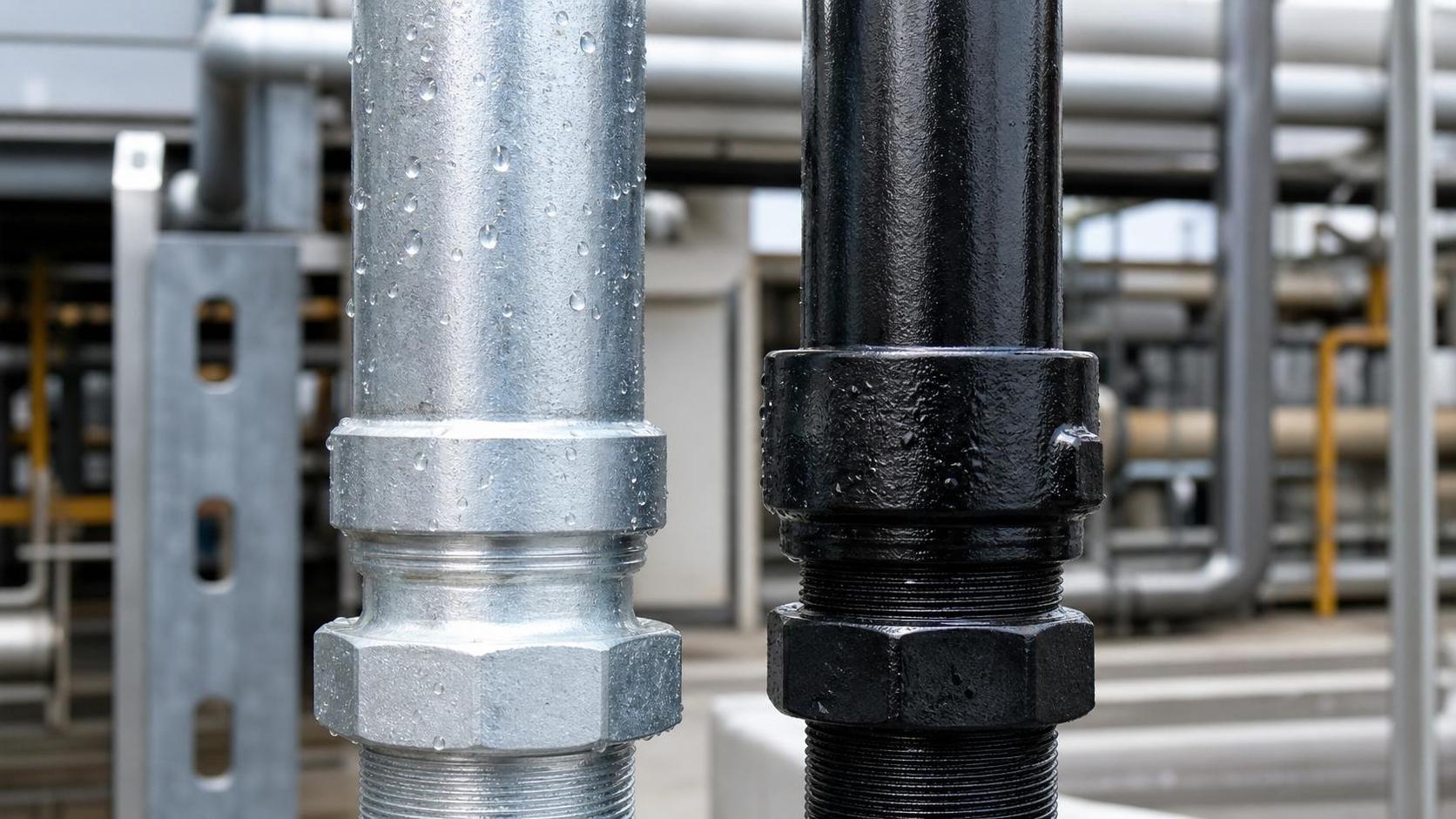
 Galvanized Pipe vs Black Pipe: Which One Fits Water, Gas, or Outdoor Lines?Galvanized pipe or black pipe? Compare the best choice for water, gas, and outdoor lines, with key insights on corrosion, codes, cost, and long-term performance.
 How to Choose Steel Roofing for Warehouses, Farms, and Residential BuildingsSteel Roofing selection depends on building type. Learn how warehouses, farms, and homes differ in corrosion, insulation, drainage, and cost for smarter roofing decisions.
 Hot-Dip Galvanized vs Pre-Galvanized Steel: Which Should You Specify?Hot-dip galvanized vs pre-galvanized steel: compare corrosion resistance, fabrication impact, cost, and standards to specify the right steel solution for durable, compliant projects.
Please give us a message


Please enter what you want to find