Before placing a bulk order for carbon steel plate—whether for shipbuilding, structural fabrication, or industrial applications—it’s critical to vet your carbon steel plate supplier thoroughly. As a trusted carbon steel plate manufacturer and exporter from China, Hongteng Fengda helps global buyers avoid costly delays, compliance gaps, and quality surprises. This checklist-driven guide covers essential questions about material certifications (ASTM/EN/GB), traceability, mill test reports, lead times, and OEM capabilities—key concerns for procurement teams, project managers, QA/QC personnel, and distributors alike. Discover what every high carbon steel plate supplier should transparently address—so you source with confidence.
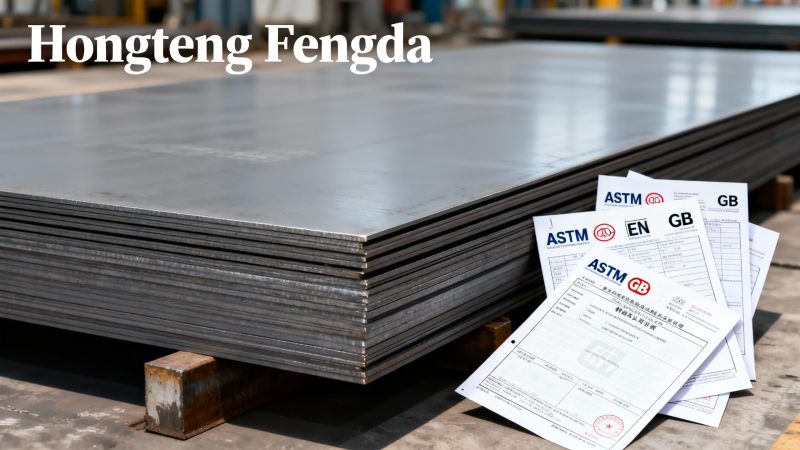
Why Supplier Vetting Is Non-Negotiable for Carbon Steel Plate Buyers
Bulk procurement of carbon steel plate isn’t a transaction—it’s a strategic commitment. For shipbuilders relying on carbon steel plate for shipbuilding, one non-conforming heat batch can halt dry-dock schedules for weeks. For infrastructure contractors, inconsistent yield strength in structural plates risks weld integrity and long-term fatigue performance. Procurement professionals face mounting pressure: rising raw material volatility, tightening regulatory scrutiny (e.g., EU CSDDD, U.S. Buy America provisions), and zero-tolerance policies on documentation gaps. A 2023 industry audit by the International Association of Classification Societies found that 68% of rejected marine-grade deliveries traced back to insufficient mill test report (MTR) alignment—not mechanical failure. That’s why asking the right questions *before* PO issuance isn’t due diligence—it’s risk mitigation. As a certified carbon steel plate supplier serving North America, the Middle East, and ASEAN markets, Hongteng Fengda embeds traceability, third-party verification, and real-time production visibility into every order—ensuring your procurement team receives not just steel, but verifiable assurance.
Core Certification & Compliance Requirements You Must Verify
International projects demand ironclad conformity—not just “meets ASTM A36.” Ask your high carbon steel plate supplier for documented proof across three tiers: (1) Mill-level certification (e.g., ASTM A6/A6M for structural plates, ASTM A131 for marine grades); (2) Third-party inspection reports (SGS, BV, or TÜV witnessed tests); and (3) Full chemical composition + mechanical property traceability per heat number. Critical red flags include generic “test certificates” without lot-specific tensile/yield/elongation data, missing Charpy impact values for low-temperature service, or EN 10025-2 certifications lacking Z-direction testing for through-thickness performance. Hongteng Fengda issues EN-compliant MTRs with full micro-alloying analysis (Nb, V, Ti), and provides optional DNV-GL or LR-certified documentation for offshore and naval contracts. We also support dual-certification (e.g., ASTM A572 Gr.50 + EN S355J2+N) to simplify multi-region deployments—eliminating retesting costs and customs hold-ups.
Technical Performance & Traceability: Beyond the Spec Sheet
A true carbon steel plate manufacturer doesn’t just meet specs—they engineer repeatability. Inquire about hot-rolling process controls: Are plates normalized or thermomechanically rolled? What’s the maximum sulfur content allowed for improved weldability? How is hydrogen-induced cracking (HIC) resistance validated for sour service environments? For high carbon steel plate, ask for Jominy hardenability curves and grain size distribution reports (ASTM E112). At Hongteng Fengda, every coil undergoes ultrasonic testing (UT) per ASTM A435, with 100% surface inspection via automated eddy-current systems. Our digital traceability platform links each plate bundle to its original cast, rolling log, heat treatment parameters, and NDT results—accessible via QR code scan. This granularity matters: When a Southeast Asian wind tower fabricator discovered minor edge cracking during bending, our traceability system isolated the issue to a single furnace run—enabling targeted corrective action without scrapping 200+ tons.
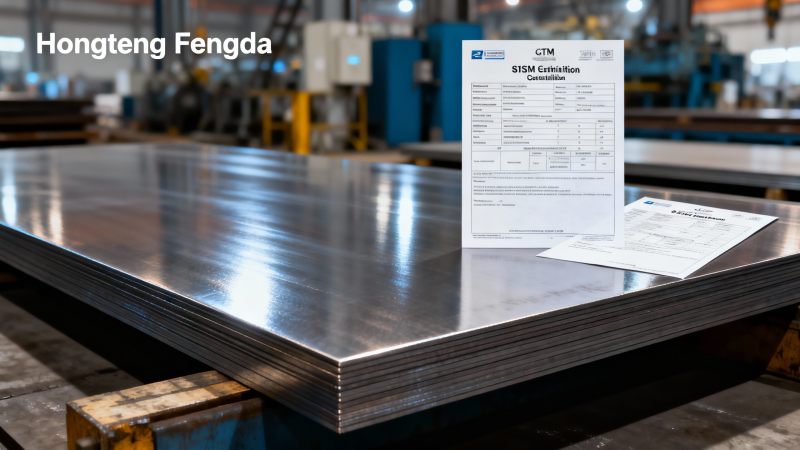
Procurement Realities: Lead Times, MOQs, and OEM Flexibility
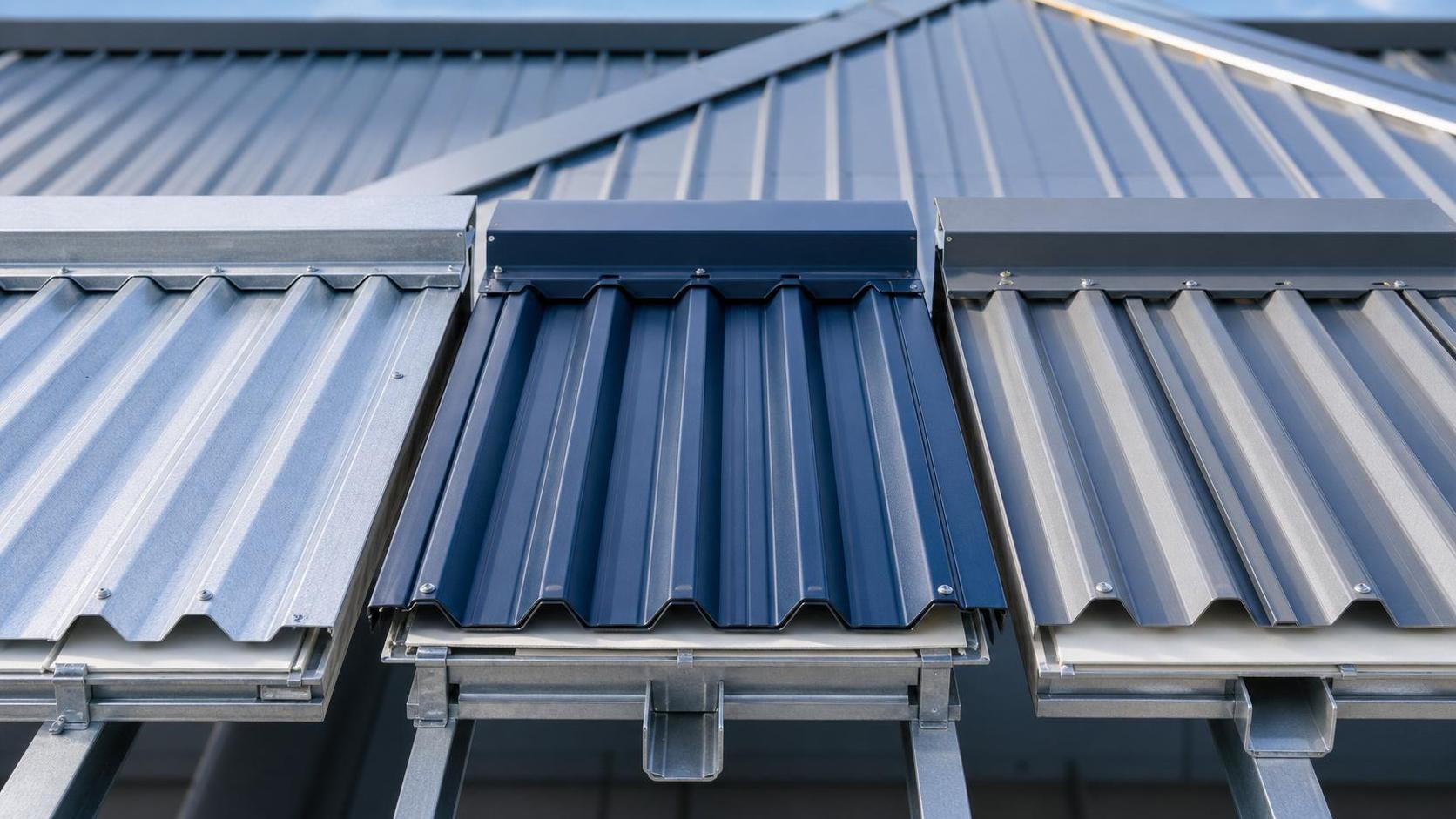
“Standard lead time” means little without context. Clarify whether quoted timelines include raw material sourcing (scrap vs. billet), rolling capacity allocation, and post-processing (cut-to-length, bevelling, coating). Ask about minimum order quantities (MOQs) for custom widths/thicknesses—and whether slitting or leveling incurs surcharges. For OEM partners, confirm if your supplier supports proprietary metallurgical specs (e.g., modified Mn/Si ratios for laser-cutting optimization) and holds ISO 9001:2015 + IATF 16949 for automotive-grade orders. Hongteng Fengda maintains 45,000 MT monthly rolling capacity across 3 production lines, enabling sub-8-week delivery for standard carbon steel plate (6–40 mm thick) and priority scheduling for urgent shipbuilding batches. We accept mixed-spec orders (e.g., ASTM A572 Gr.50 beams + ASTM A131 AH36 plates) under one logistics plan—reducing port handling costs by up to 22%. For value-added solutions, explore our PPGI Steel Sheet line—offering corrosion-resistant, lightweight cladding for auxiliary structures.
Why Global Buyers Choose Hongteng Fengda as Their Carbon Steel Plate Partner
You need more than steel—you need predictability. Hongteng Fengda delivers consistent quality through vertically integrated control: in-house scrap sorting, dual-furnace EAF melting, automated continuous casting, and AI-monitored hot rolling. Every shipment includes bilingual MTRs, EN/ASTM/GB cross-reference tables, and optional pre-shipment inspections at our Qingdao facility. With ISO 3834-2 welding certification, we support fabrication-ready solutions—including pre-painted options like PPGI Steel Sheet for architectural enclosures. Serving 37 countries, we’ve helped distributors in Poland reduce inventory carry costs by 31% via JIT consignment warehousing, and enabled U.S. fabricators to cut import duty exposure by leveraging China-EU FTA origin documentation. Ready to align your next bulk order with a partner who treats your project timeline as their own KPI? Contact our technical sales team today for a customized sourcing roadmap—backed by real-time production dashboards and zero-compromise quality governance.
Related recommendations
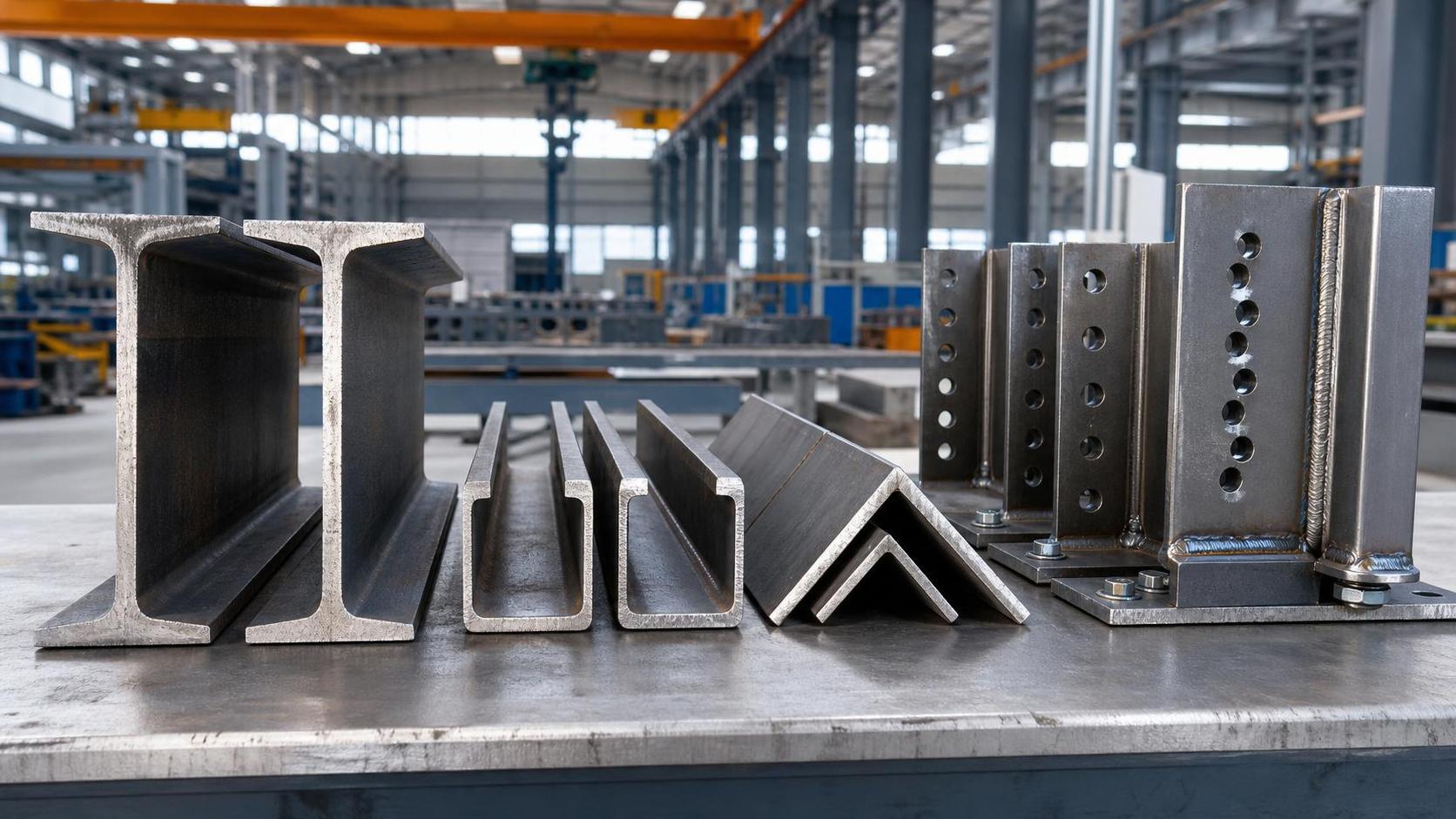
 How to Select a Steel Profile Based on Load, Span, and Fabrication NeedsProfile selection starts with load, span, and fabrication needs. Learn how to compare steel sections for strength, cost, workability, and sourcing efficiency.
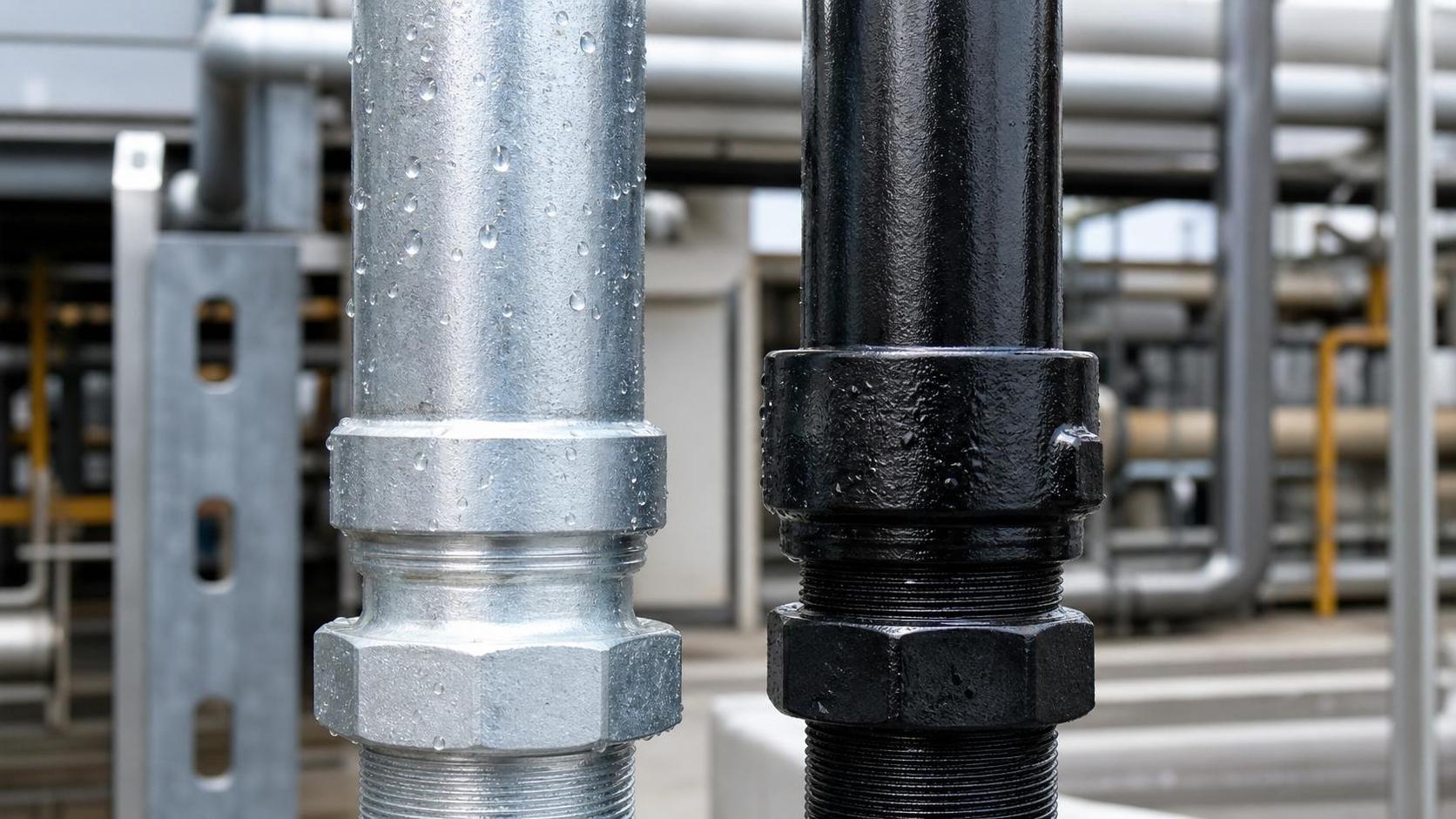
 Galvanized Pipe vs Black Pipe: Which One Fits Water, Gas, or Outdoor Lines?Galvanized pipe or black pipe? Compare the best choice for water, gas, and outdoor lines, with key insights on corrosion, codes, cost, and long-term performance.
 How to Choose Steel Roofing for Warehouses, Farms, and Residential BuildingsSteel Roofing selection depends on building type. Learn how warehouses, farms, and homes differ in corrosion, insulation, drainage, and cost for smarter roofing decisions.
 Hot-Dip Galvanized vs Pre-Galvanized Steel: Which Should You Specify?Hot-dip galvanized vs pre-galvanized steel: compare corrosion resistance, fabrication impact, cost, and standards to specify the right steel solution for durable, compliant projects.
Please give us a message


Please enter what you want to find