Choosing between carbon steel plate and high carbon steel plate for shipbuilding isn’t just about strength—it’s about compliance, safety, and long-term performance under ABS and DNV standards. As a trusted carbon steel plate manufacturer and supplier from China, Hongteng Fengda delivers certified carbon steel plate for shipbuilding and high carbon steel plate solutions tailored to marine structural requirements. Whether you’re a procurement professional, project manager, or quality assurance specialist, understanding material distinctions—and partnering with reliable high carbon steel plate suppliers—is critical for vessel integrity and regulatory approval.
Standards & Certification: Why ABS and DNV Demand Precision in Carbon Content
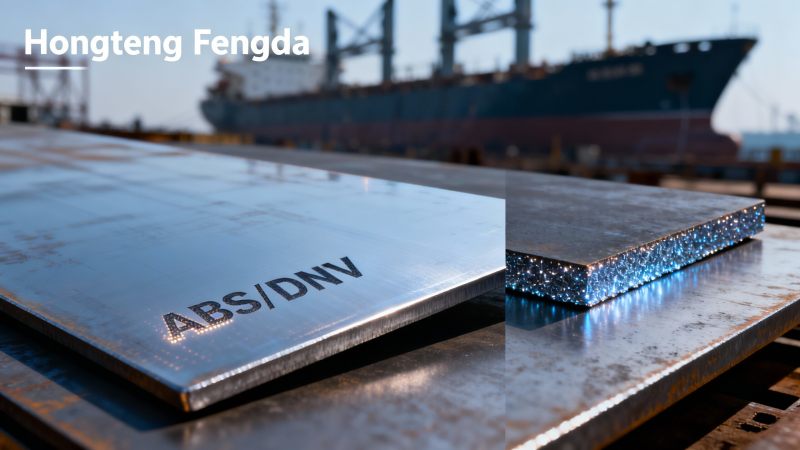
The American Bureau of Shipping (ABS) and Det Norske Veritas (DNV) do not treat all carbon steel plates equally. Their structural steel specifications—ABS Grade A, B, D, E, AH32, DH36, EH40 and DNV GL Grade A, B, D, E, AH36, DH36, EH47—require strict control over chemical composition, tensile properties, impact toughness at low temperatures, and weldability. Carbon content is the single most influential factor governing these properties. Standard carbon steel plate for shipbuilding typically contains 0.14–0.22% carbon (e.g., ABS Grade A/B), while high carbon steel plate—defined by ASTM A6/A6M as exceeding 0.60% C—is virtually prohibited in primary hull structures due to brittleness and poor fracture resistance below 0°C. In fact, neither ABS nor DNV approve high carbon steel plate for load-bearing hull plating, bulkheads, or decks. Instead, they endorse normalized or thermomechanically rolled (TMCP) low-to-medium carbon steels—often alloyed with niobium, vanadium, or titanium—to achieve yield strengths up to 460 MPa without sacrificing ductility or Charpy V-notch impact values ≥27 J at –20°C. This distinction is non-negotiable for classification society approval. Mislabeling or substituting high carbon steel plate as marine-grade invites rejection during survey, delays in dry-dock certification, and potential liability in service failure. At Hongteng Fengda, every carbon steel plate batch undergoes third-party mill test reports (MTRs) verified against ABS/ISO 2603-1 and DNV-OS-B101, ensuring traceable chemistry, mechanical testing, and ultrasonic testing (UT) per ABS Part 2, Section 2, Table 2-2-1.
Comparison Analysis: Mechanical Behavior, Fabrication, and Real-World Marine Performance
Let’s compare core attributes side-by-side—not in theory, but in operational context:
This explains why shipyards—from Hyundai Heavy Industries to Fincantieri—specify only ABS-certified carbon steel plate, never high carbon steel plate, for hull fabrication. The latter belongs in cutting tools, springs, or rail components—not seawater-exposed welded joints subject to cyclic fatigue. For structural continuity, Hongteng Fengda supplies ABS A/B/D/E-certified carbon steel plate in thicknesses from 6 mm to 100 mm, with full UT scanning and PWHT documentation upon request. We also offer complementary structural profiles—including precision-rolled I-beam in Q235, Q345, SS400, and ASTM A36 grades—for integrated deck framing, bulkhead stiffeners, and hatch coaming supports—all traceable to EN 10025-2 and ABS Part 2, Section 3.
Procurement Guide: How Global Buyers Select the Right Carbon Steel Plate Supplier
Procurement professionals face layered risks: inconsistent mill certifications, delayed MTR delivery, mismatched test reports, and lack of audit-ready documentation. Top-tier buyers—especially those managing multi-vessel programs for offshore support vessels or container feeders—prioritize four criteria when evaluating a carbon steel plate supplier: (1) real-time access to mill test reports aligned with ABS Form 2.3 or DNV GL Form 2.1; (2) capacity to issue dual-certified plates (e.g., ABS + EN 10025-2) for hybrid projects; (3) ISO 9001:2015-certified internal QA/QC with independent NDT personnel; and (4) logistics transparency—ETD visibility, container-level packing lists, and customs-compliant COO documentation. Hongteng Fengda meets all four. Our ERP-integrated quality system auto-generates digital MTRs within 24 hours of shipment, embeds QR-coded traceability on each bundle tag, and supports split shipments across multiple ports—Rotterdam, Jebel Ali, Houston—with bonded warehousing options. For distributors and agents, we offer OEM branding, localized technical support in English, Arabic, Spanish, and Vietnamese, and volume-based certification bundling—reducing your administrative overhead while strengthening end-customer trust.
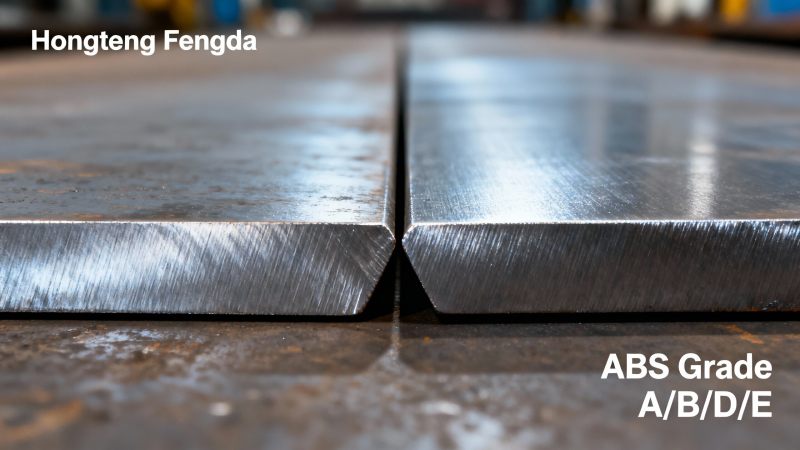
Why Choose Hongteng Fengda? Trusted Carbon Steel Plate Manufacturer for Global Shipbuilders
As a structural steel manufacturer and exporter from China with over 18 years’ experience, Hongteng Fengda bridges the gap between international compliance and cost-efficient supply. We are not a trading company—we own rolling mills, heat-treatment lines, and an in-house ABS-authorized inspection lab. Every carbon steel plate for shipbuilding is produced under ABS Witnessed Production (WP) protocols, with raw billets sourced from Tier-1 Chinese mills (Baosteel, HBIS) carrying GB/T 700 and GB/T 1591 certifications. Our high carbon steel plate suppliers network is reserved exclusively for non-marine industrial clients—ensuring zero cross-contamination risk in our marine-grade production flow. With stable output of 200,000+ MT/year, we guarantee lead times of 35–45 days for standard ABS grades and support JIT delivery to major shipyard clusters in South Korea, Vietnam, and the UAE. Contact us today for a free material compliance review, ABS/DNV grade selection matrix, or customized quotation—including bundled offers with I-beam and cold-formed stiffeners—to accelerate your next vessel build.
- carbon steel plate manufacturer
- high carbon steel plate
- carbon steel plate
- high carbon steel plate suppliers
- carbon steel plate supplier
- Steel Plate Supplier
- ASTM A36
- structural steel
- Structural Steel
- I-Beam
- steel plate
- Profile
- steel plate for shipbuilding
- carbon steel
- carbon steel plate for shipbuilding
Related recommendations
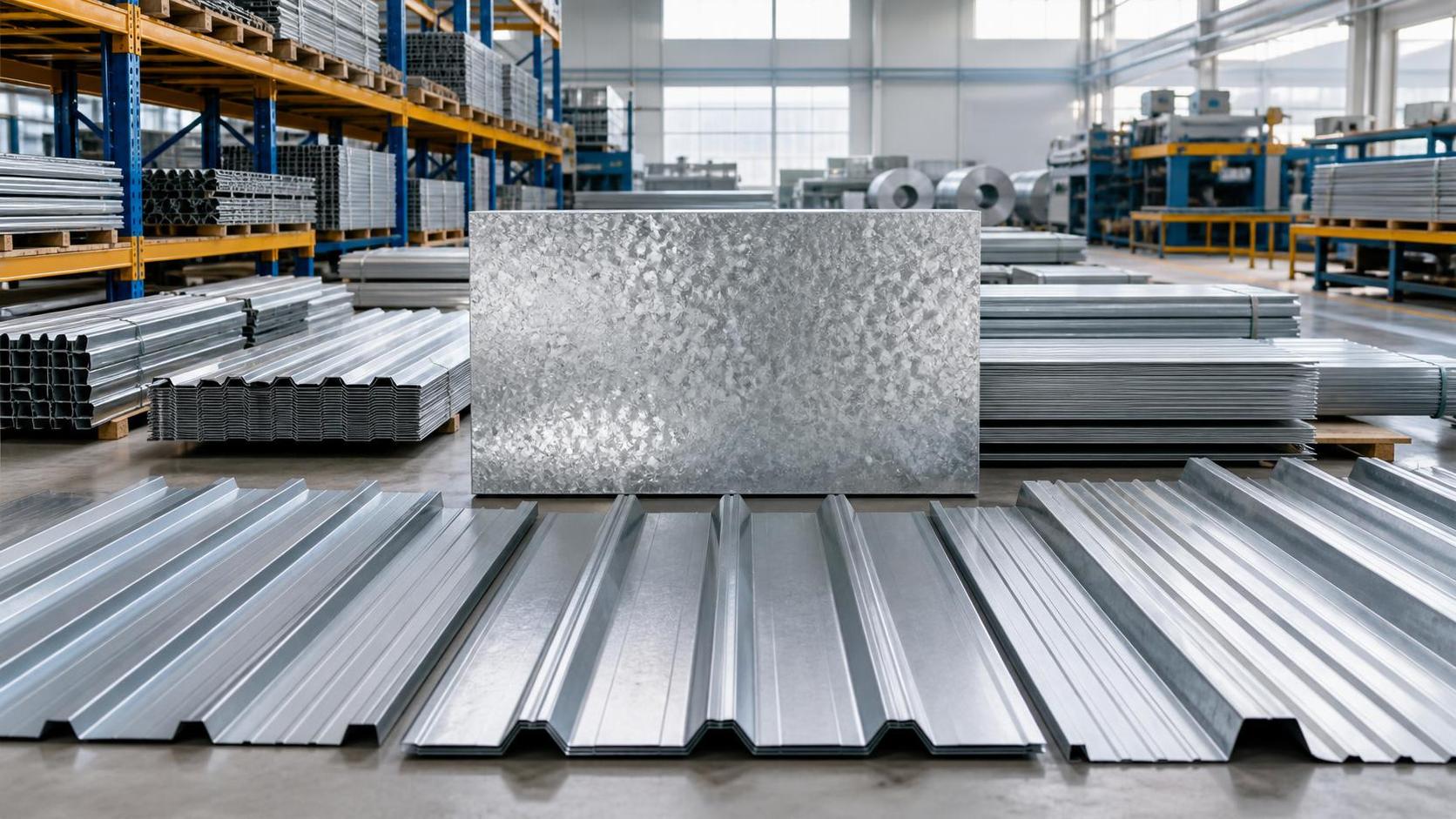
 How to Judge if Steel Sheet for Construction Fits Roofing or Wall CladdingSteel sheet for construction: learn how to judge thickness, coating, profile, and load performance for roofing or wall cladding, and choose a durable, cost-effective fit.
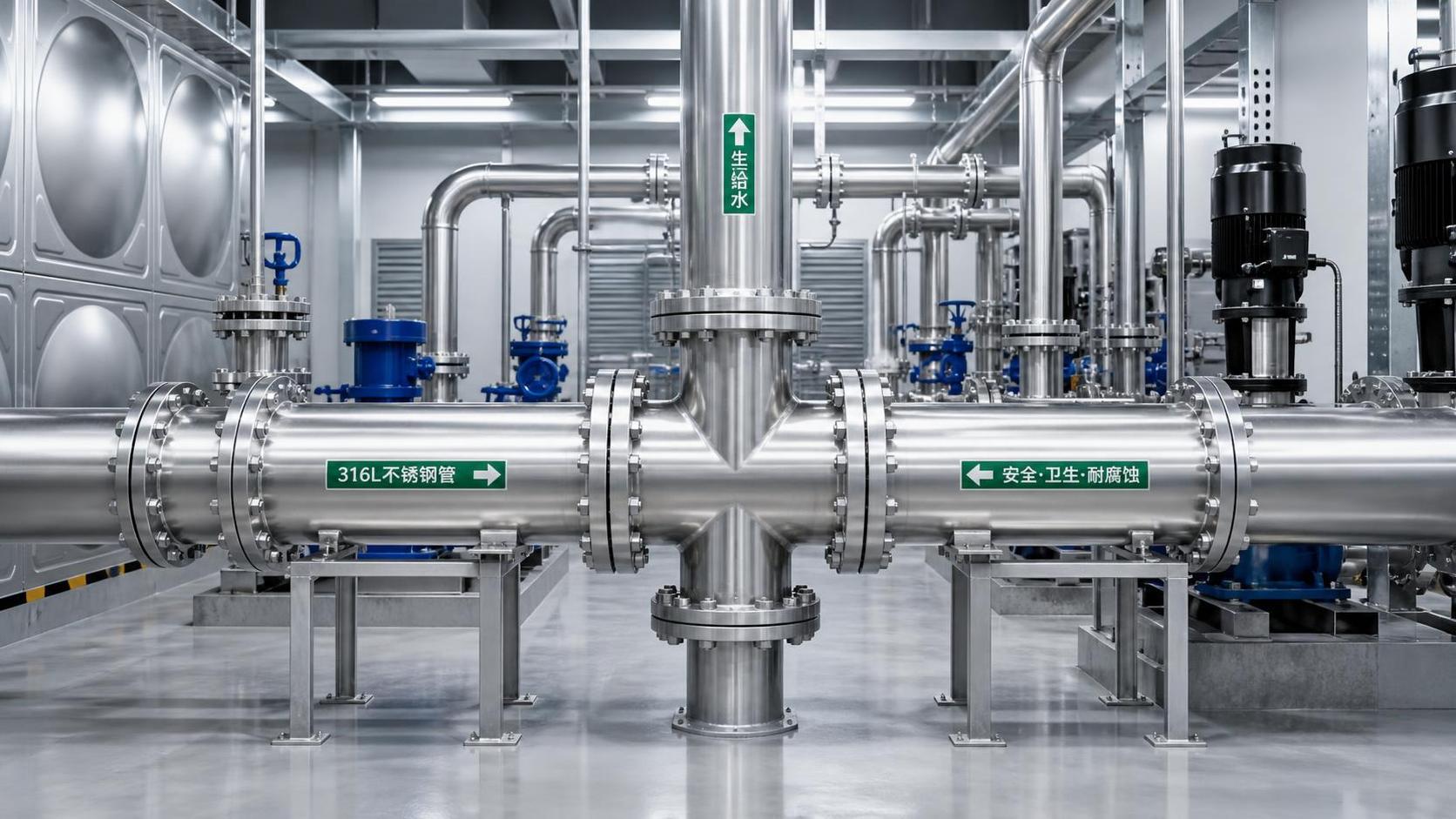
 How to Choose SS Pipe for Water Supply in Corrosion-Prone BuildingsSS pipe for water supply selection guide for corrosion-prone buildings. Compare 304 vs 316 grades, water chemistry, specs, and lifecycle cost to choose a safer, longer-lasting system.
 Steel Wire Rope Manufacturer Standards That Matter in Lifting ApplicationsSteel wire rope manufacturer standards for lifting: learn how to assess traceability, testing, compliance, and real quality control before choosing a safer, more reliable supplier.
 When a Steel Channel Supplier Should Provide Mill Test CertificatesSteel Channel supplier guide on when mill test certificates should be provided for quality control, compliance, and safer procurement.
Please give us a message


Please enter what you want to find