Selecting the right steel square rod for structural frames isn’t just about dimensions—it directly impacts beams weight, load capacity, and long-term safety. Whether you're comparing angle vs channel, calculating i beam weight, or measuring a steel beam on-site, material choice affects everything from fabrication efficiency to compliance with ASTM/EN standards. As a trusted structural steel manufacturer & exporter from China, Hongteng Fengda helps global project managers, procurement teams, and quality controllers make informed decisions—balancing strength, cost, and certification. In this 2024 guide, we break down the top 5 critical factors, including how steel square rod performance compares to steel round bar, steel angle, and steel girder alternatives.
1. Structural Load Requirements & Beams Weight Correlation
The first and most decisive factor is understanding how the intended load path translates into real-world section properties. A steel square rod must support not only static dead loads but also dynamic forces—including wind uplift, seismic activity, and live occupancy loads. Unlike Metal C Beam, which offers optimized moment resistance in one plane due to its asymmetrical geometry, square rods deliver uniform torsional rigidity and symmetrical bending resistance in both axes. This makes them ideal for bracing systems, column infill grids, and modular frame nodes where multi-directional stability is non-negotiable.
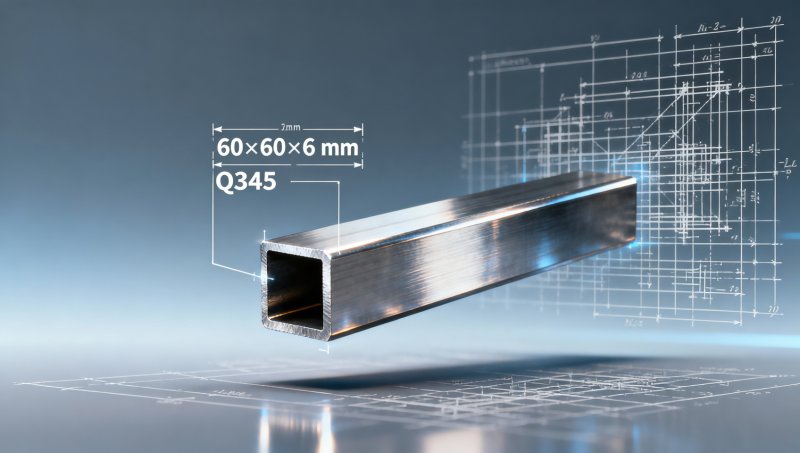
Beams weight plays a pivotal role in cumulative dead load calculations—especially in high-rise or multi-story steel structures. For example, substituting a 60×60×6 mm Q345 steel square rod (weight ≈ 27.3 kg/m) for a comparable steel round bar of similar cross-sectional area (e.g., Ø75 mm, weight ≈ 34.6 kg/m) reduces self-weight by over 21%, directly lowering foundation demand and transport logistics costs. Engineers must cross-reference design loads against certified section tables—not generic online calculators—to ensure accuracy when estimating weight of i beam equivalents or evaluating steel angle versus channel trade-offs.
2. Material Grade & International Certification Compliance
Not all steel square rods are equal in chemical composition, tensile yield, or weldability. At Hongteng Fengda, every batch undergoes third-party verification per ASTM A6/A6M (for dimensional tolerances), EN 10025-2 (for S235JR/S355JR mechanical properties), and GB/T 700 (Q235/Q345 classification). These certifications validate not only minimum yield strength (e.g., Q345 = 345 MPa) but also elongation at break and impact toughness at sub-zero temperatures—critical for cold-climate infrastructure projects across Northern Europe or Canada.
When sourcing globally, procurement professionals must verify traceability: mill test reports (MTRs), heat numbers, and conformity declarations. A discrepancy between stated grade and actual microstructure can compromise how to measure a steel beam’s effective section modulus—or worse, invalidate structural calculations during audit. Our factory’s ISO 9001-certified QA/QC lab performs ultrasonic testing (UT), magnetic particle inspection (MPI), and Charpy V-notch impact tests on every production run, ensuring full alignment with CE, SGS, and BV requirements.
3. Dimensional Precision & Surface Finish Consistency
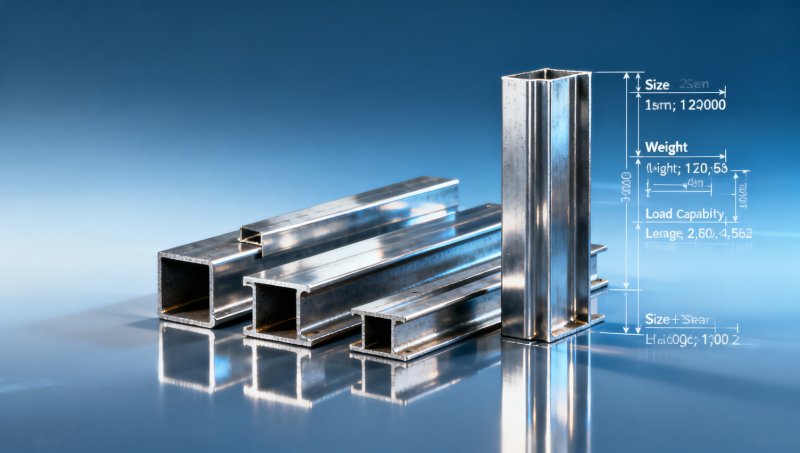
Tolerances matter—especially when integrating steel square rod into CNC-cut connections or bolted splice plates. Industry-standard hot-rolled square sections typically allow ±1.5% dimensional variance, while cold-drawn variants tighten this to ±0.8%. For precision framing systems requiring tight fit-up—such as prefabricated roof trusses or mezzanine floor supports—exceeding tolerance thresholds increases field rework, delays, and welding distortion risks.
Surface condition further influences durability and coating adhesion. Mill scale left untreated can cause premature galvanic corrosion under zinc coatings; conversely, overly aggressive abrasive blasting may introduce micro-cracks. Hongteng Fengda applies controlled shot blasting (Sa2.5 standard) before hot-dip galvanizing or powder coating—ensuring uniform zinc thickness ≥65 µm and zero pinholes. This level of surface treatment control is rarely matched in low-cost commodity suppliers—and it directly extends service life beyond 30 years in coastal or industrial atmospheres.
4. Fabrication Compatibility & Secondary Processing Support
A superior steel square rod fails if it cannot be efficiently cut, bent, drilled, or welded onsite or in the shop. Key considerations include carbon equivalence (CEV), thermal expansion behavior, and grain flow orientation. High-CEV steels (>0.45%) require preheating before welding—a costly and time-consuming step that disrupts lean construction workflows. Our Q235 and S235JR grades maintain CEV ≤ 0.38, enabling consistent MIG/TIG and submerged arc welding without preheat in ambient conditions up to 5°C.
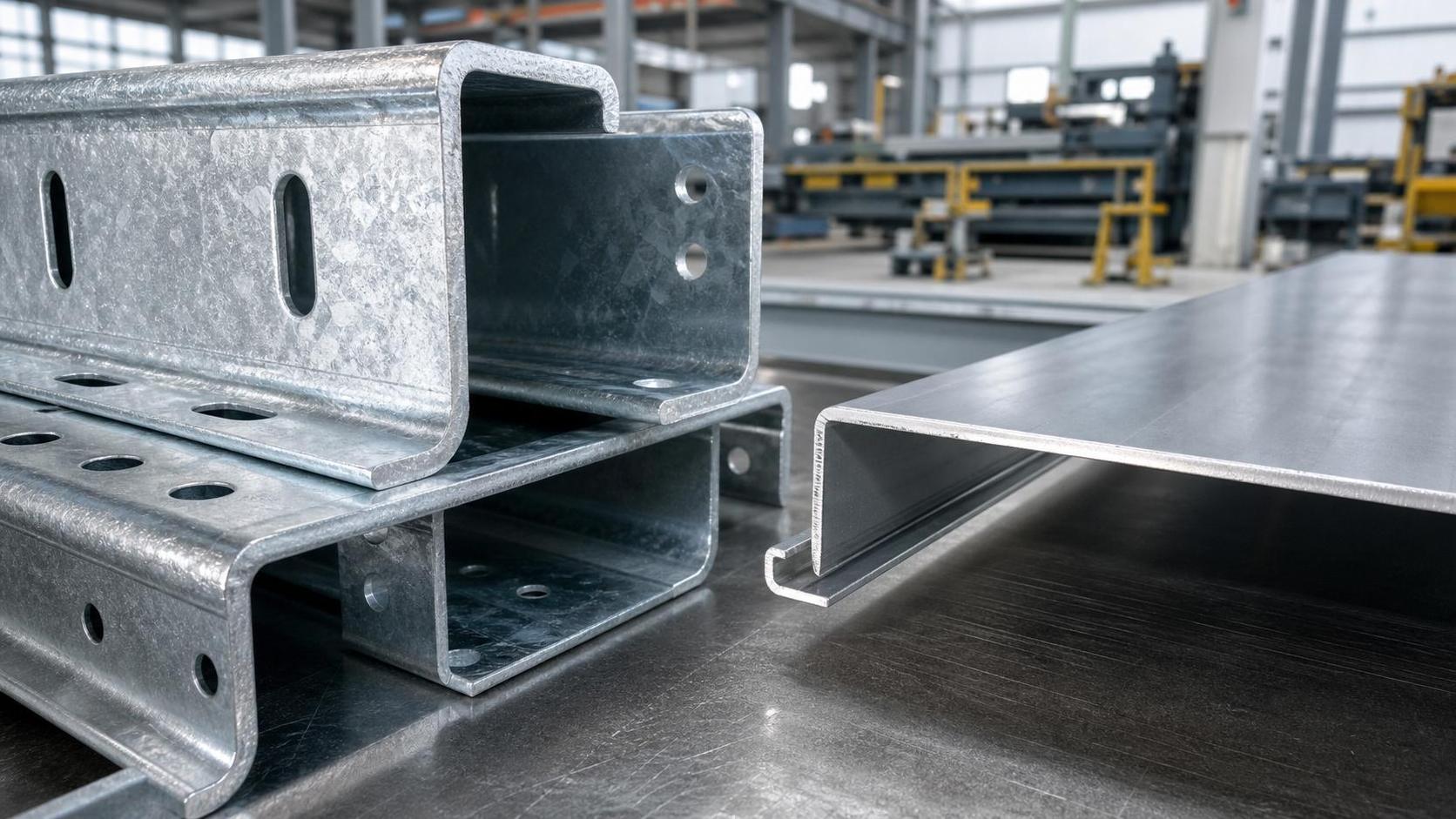
We also offer integrated value-added services: precision saw-cutting to ±0.5 mm, hydraulic bending with radius control (R ≥ 3× section size), and CNC punching for bolt patterns aligned with standard connection hardware. This eliminates supply chain fragmentation—unlike standalone steel wire rope or steel girder components that require separate vendors for cutting and finishing. For clients specifying custom-length Metal C Beam (6m/9m/12m or fully customized), our in-house decoiling and slitting lines ensure seamless integration with square rod substructures.
5. Lifecycle Cost Analysis: Beyond Initial Unit Price
True cost leadership lies in total ownership—not just landed price. While steel angle may appear cheaper upfront, its open profile collects moisture and debris, accelerating corrosion in humid environments. Steel round bar lacks flat bearing surfaces for direct bolting, often requiring costly adapter plates. Steel square rod delivers optimal balance: competitive raw material pricing, minimal secondary processing, and predictable long-term performance—validated through accelerated salt-spray testing (ASTM B117) exceeding 1,500 hours without red rust.
Conclusion: Partner With Confidence, Not Just Commodity
Choosing steel square rod is never a standalone decision—it’s a strategic alignment of engineering intent, regulatory compliance, fabrication readiness, and lifecycle economics. From calculating i beam weight to validating angle vs channel load paths, every specification must serve your project’s unique risk profile and timeline constraints. As a structural steel manufacturer & exporter from China with 18+ years of global delivery experience, Hongteng Fengda combines deep metallurgical expertise, vertically integrated production, and responsive technical support to de-risk your sourcing process.
Whether you’re evaluating steel girder alternatives for seismic retrofitting, specifying steel wire rope anchors for tensioned façades, or optimizing purlin spacing using Metal C Beam and complementary square rod bracing—we provide certified documentation, sample validation kits, and on-demand engineering consultation. Don’t settle for generic data sheets. Request our 2024 Structural Steel Selection Toolkit—including interactive weight calculators, ASTM/EN cross-reference charts, and downloadable BIM-ready families.
Contact Hongteng Fengda today to discuss your next structural frame project—and discover why leading contractors across North America, the Middle East, and Southeast Asia trust us for precision, reliability, and partnership-driven results.
Related recommendations
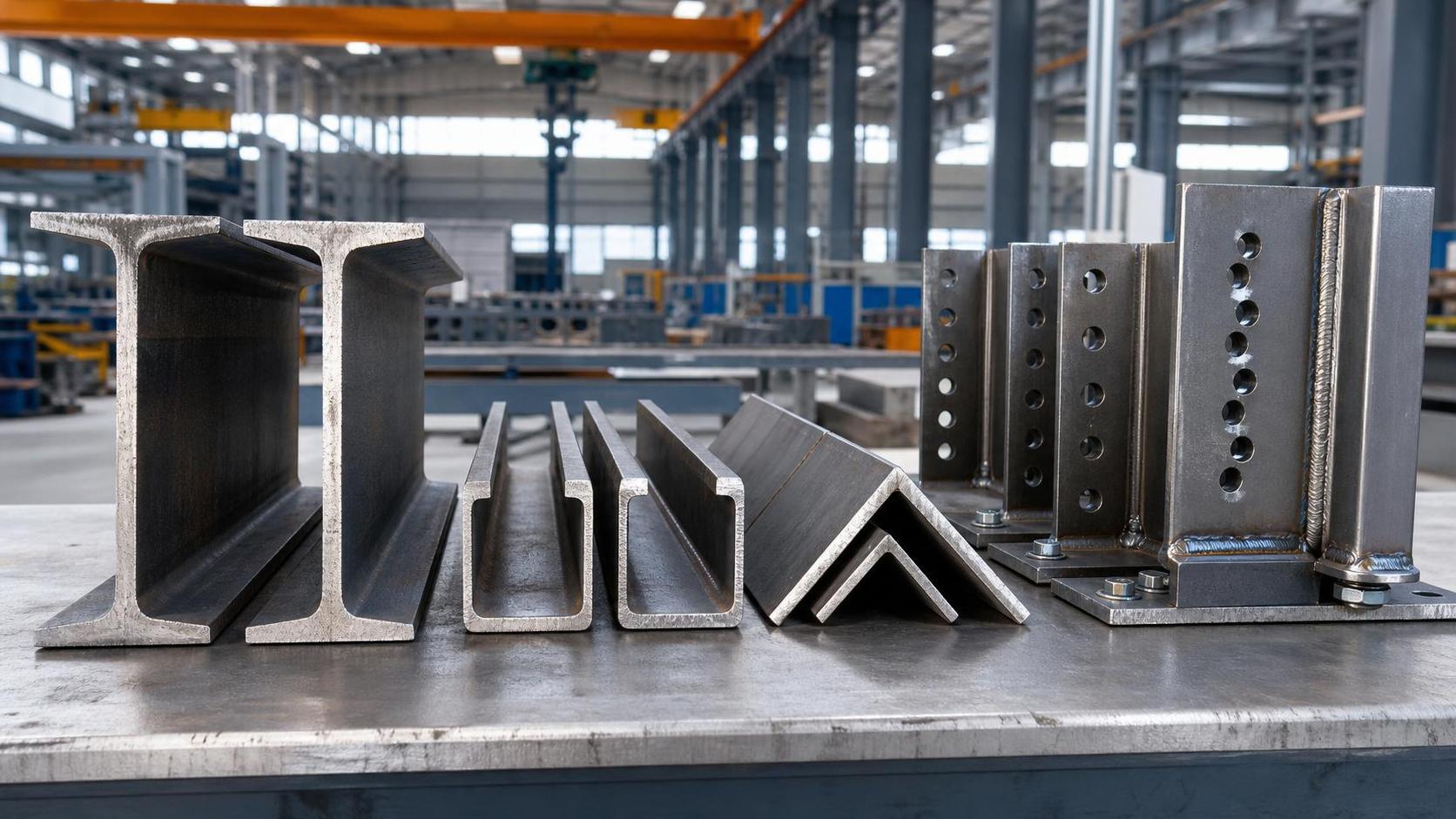
 How to Select a Steel Profile Based on Load, Span, and Fabrication NeedsProfile selection starts with load, span, and fabrication needs. Learn how to compare steel sections for strength, cost, workability, and sourcing efficiency.
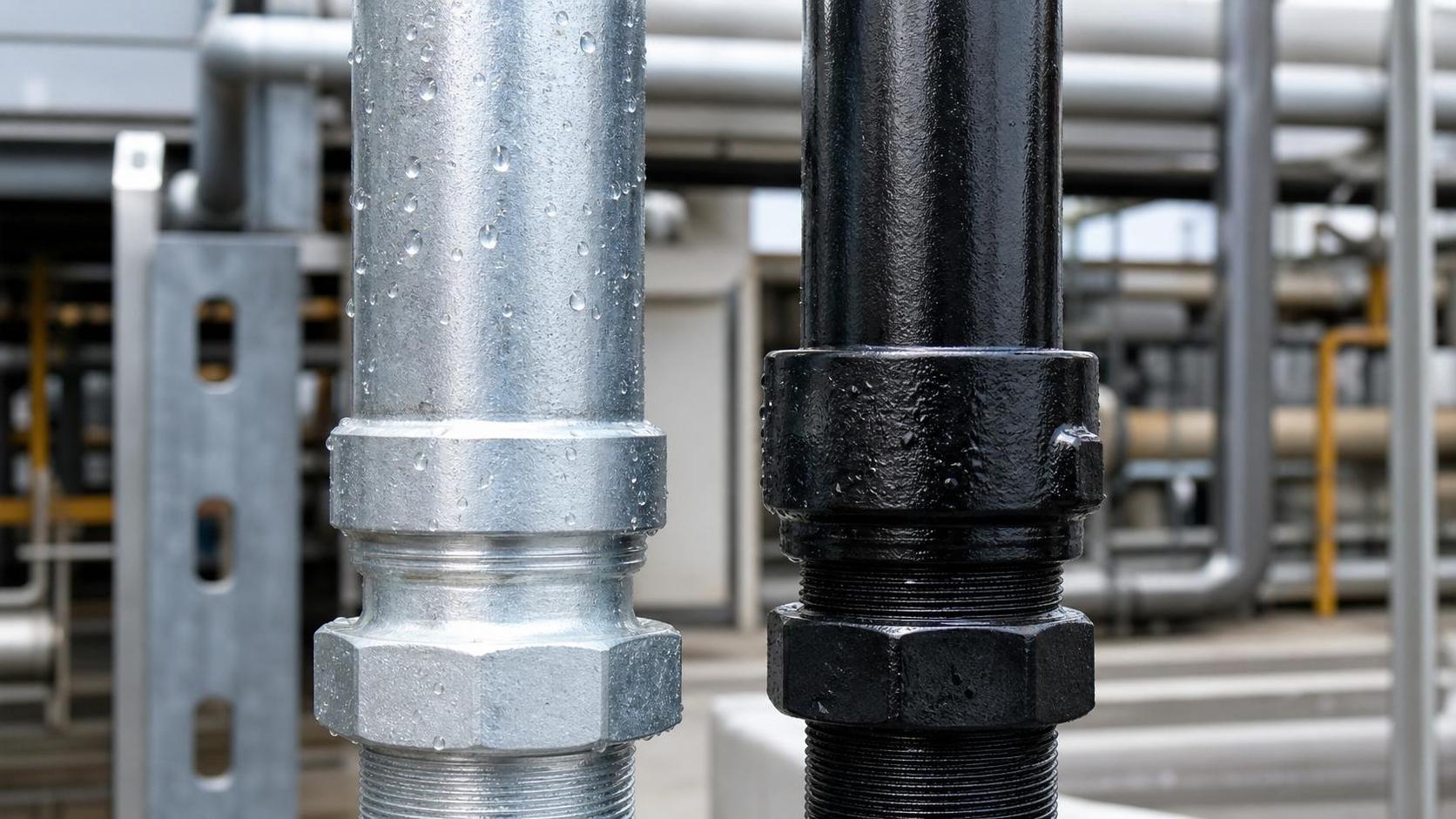
 Galvanized Pipe vs Black Pipe: Which One Fits Water, Gas, or Outdoor Lines?Galvanized pipe or black pipe? Compare the best choice for water, gas, and outdoor lines, with key insights on corrosion, codes, cost, and long-term performance.
 How to Choose Steel Roofing for Warehouses, Farms, and Residential BuildingsSteel Roofing selection depends on building type. Learn how warehouses, farms, and homes differ in corrosion, insulation, drainage, and cost for smarter roofing decisions.
 Hot-Dip Galvanized vs Pre-Galvanized Steel: Which Should You Specify?Hot-dip galvanized vs pre-galvanized steel: compare corrosion resistance, fabrication impact, cost, and standards to specify the right steel solution for durable, compliant projects.
Please give us a message


Please enter what you want to find