Understanding I beam weight—whether per foot or per meter—is critical for global procurement teams balancing compliance, cost, and structural integrity. Whether you're measuring a steel beam for North American construction (ASTM), EU infrastructure (EN), or Middle Eastern industrial projects, accurate unit conversion directly impacts load calculations, shipping logistics, and budgeting. This guide clarifies how to measure a steel beam’s weight correctly, demystifies I beam weight variations across standards, and supports reliable sourcing decisions. As a trusted structural steel manufacturer & exporter from China, Hongteng Fengda ensures consistent beams weight data aligned with ASTM, EN, JIS, and GB specs—helping procurement professionals, project managers, and quality controllers avoid costly miscalculations.
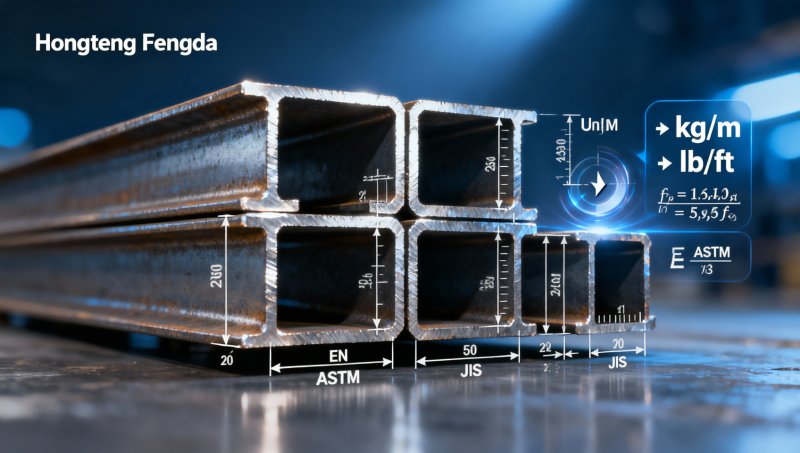
Why Unit Consistency Matters in Global Structural Steel Procurement
For procurement personnel and project managers coordinating cross-border supply chains, inconsistent unit reporting isn’t just confusing—it’s risky. A misread “lb/ft” as “kg/m” can inflate material estimates by up to 36%, triggering over-ordering, storage bottlenecks, or even structural noncompliance. In North America, where I beam weight is universally quoted per foot (e.g., W12×50 = 50 lb/ft), EU-based engineers expect kg/m (e.g., 74.4 kg/m). Without precise conversion, safety margins shrink, crane capacity planning falters, and customs declarations face delays.
Hongteng Fengda bridges this gap by publishing dual-unit weight tables for all standard and custom steel beams—including hot-rolled I-beams (H-beams), parallel flange beams (EN 10034), and ASTM A6/A992 profiles. Our technical documentation includes verified weight values traceable to mill test reports, eliminating guesswork during RFQ preparation or BOM validation.
How to Measure a Steel Beam: From Geometry to Weight
Measuring a steel beam isn’t about tape alone—it’s about dimensional rigor and density precision. To calculate weight of I beam, you need three inputs: cross-sectional area (mm² or in²), length (m or ft), and material density (7850 kg/m³ or 0.2836 lb/in³). For standardized sections, manufacturers like Hongteng Fengda provide certified nominal weights per unit length—derived from actual rolled dimensions, not theoretical formulas.
Here’s the practical workflow for users and quality controllers:
- Verify section designation (e.g., HEA 200 vs. W8×31) against delivery note and mill certificate;
- Confirm measurement units used in spec sheets—look for “kg/m”, “lb/ft”, or “kg/m²” (surface weight);
- Cross-check with physical dimensions using calipers and laser distance meters;
- Compare measured weight per unit length against published tolerance bands (±2.5% per EN 10034, ±3.5% per ASTM A6).
I Beam Weight Conversion Table: Key Standards Compared
The table below shows equivalent I beam weight values across major international designations—calculated using exact dimensional data and standardized densities. All figures reflect nominal weights per linear unit, excluding coating or galvanizing allowances.
Procurement Guide: Avoiding Common Beams Weight Pitfalls
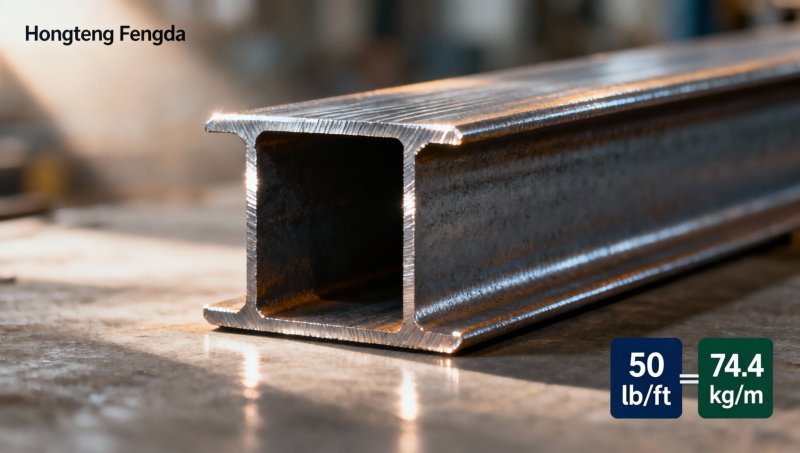
Procurement teams often assume weight tolerances are universal. They’re not. ASTM A6 permits ±3.5% variation on nominal weight for hot-rolled shapes; EN 10034 allows only ±2.5%. That 1% difference becomes critical when ordering 500 tons of I-beams for a wind turbine substructure—potentially 5 tons of unplanned surplus or shortfall.
Another frequent error? Confusing theoretical weight (based on nominal dimensions) with actual delivered weight (measured post-rolling). At Hongteng Fengda, every batch undergoes third-party verification via certified weighbridges and dimensional scanning. We also supply Rolled Coil in grades like Q235B and St37-2—ideal for custom-cut I-beam fabrication—where carbon content (0.12–0.20%) and manganese range (0.30–0.70%) ensure predictable rolling consistency and weldability.
Why Choose Hongteng Fengda for Global I-Beam Sourcing?
When your project spans continents—and your deadlines don’t forgive unit errors—you need more than a supplier. You need a partner who speaks both imperial and metric fluently, certifies every ton to ASTM, EN, JIS, and GB standards, and delivers traceable, auditable weight data with every shipment.
At Hongteng Fengda, our structural steel division maintains dedicated export QA labs, real-time mill production tracking, and bilingual engineering support. Whether you’re an agent sourcing for Dubai’s metro expansion, a contractor verifying beam loads for a Chicago high-rise, or a distributor stocking EN-standard H-beams for German prefabs—we align how to measure a steel beam, validate weight of I beam, and guarantee compliance before loading.
Contact us today for free unit-conversion support, certified weight reports, and customized beam solutions backed by 15+ years of China-based manufacturing excellence.
Related recommendations
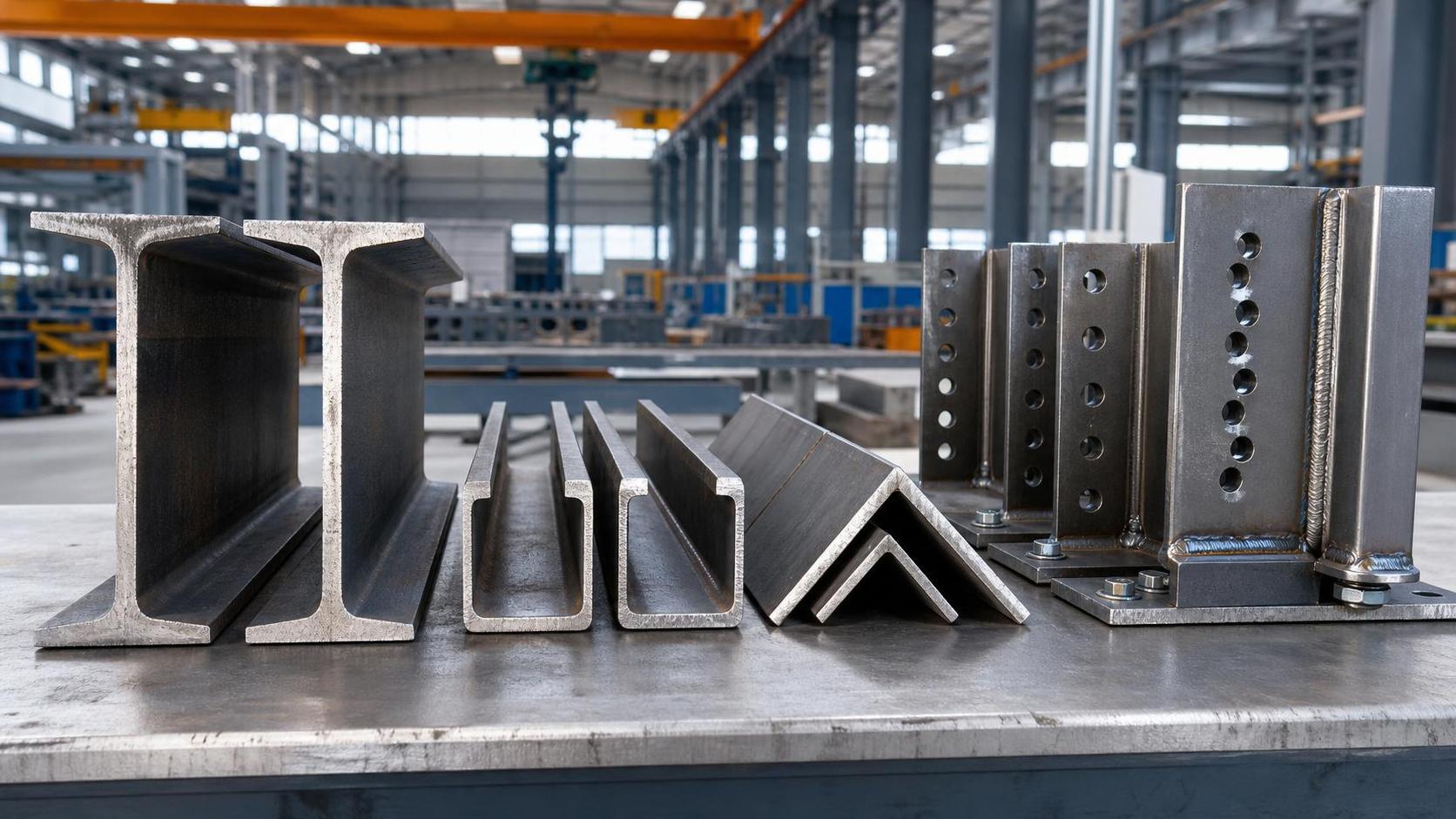
 How to Select a Steel Profile Based on Load, Span, and Fabrication NeedsProfile selection starts with load, span, and fabrication needs. Learn how to compare steel sections for strength, cost, workability, and sourcing efficiency.
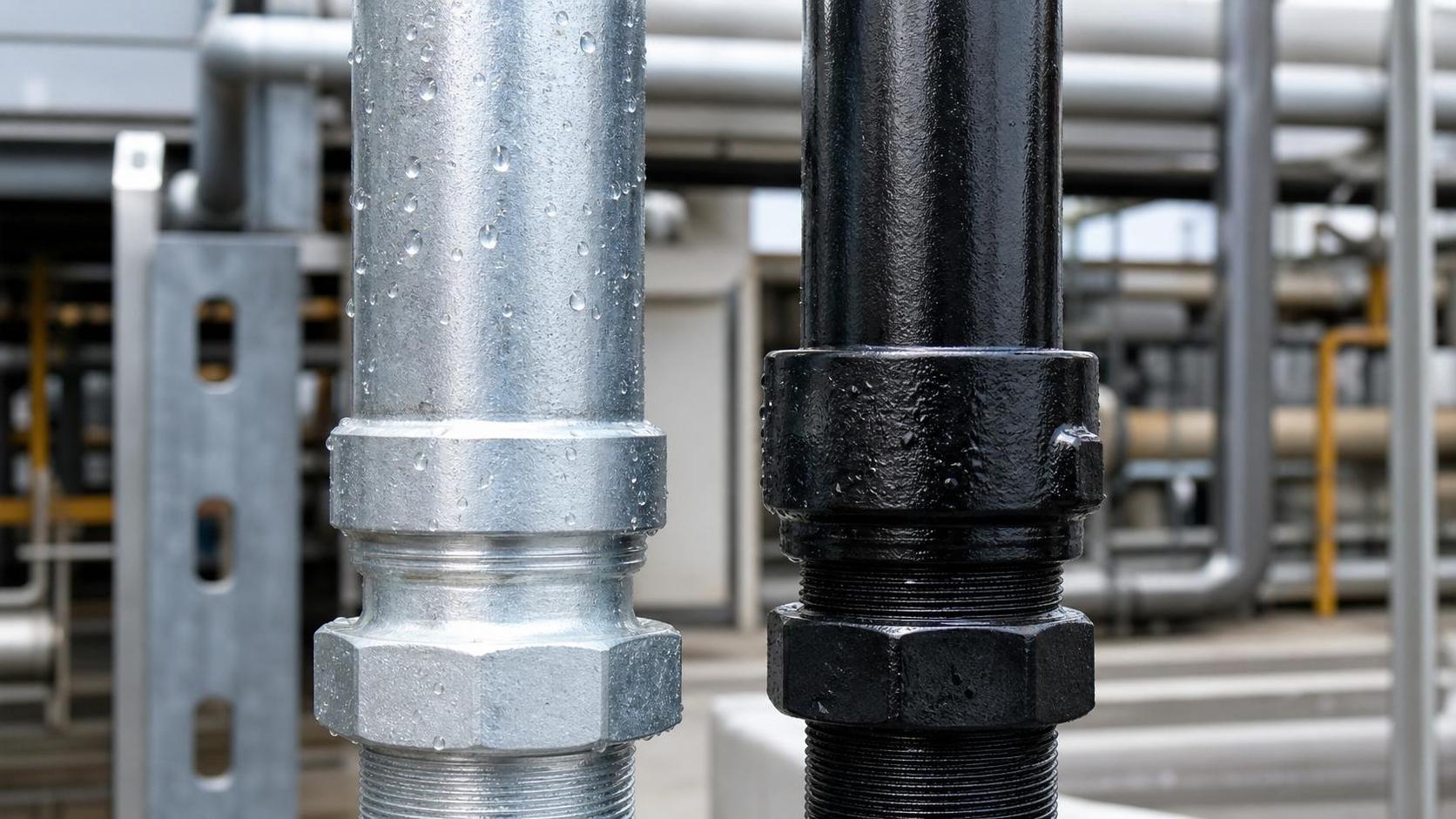
 Galvanized Pipe vs Black Pipe: Which One Fits Water, Gas, or Outdoor Lines?Galvanized pipe or black pipe? Compare the best choice for water, gas, and outdoor lines, with key insights on corrosion, codes, cost, and long-term performance.
 How to Choose Steel Roofing for Warehouses, Farms, and Residential BuildingsSteel Roofing selection depends on building type. Learn how warehouses, farms, and homes differ in corrosion, insulation, drainage, and cost for smarter roofing decisions.
 Hot-Dip Galvanized vs Pre-Galvanized Steel: Which Should You Specify?Hot-dip galvanized vs pre-galvanized steel: compare corrosion resistance, fabrication impact, cost, and standards to specify the right steel solution for durable, compliant projects.
Please give us a message


Please enter what you want to find