When planning a crane lift, the weight of I beam isn’t just a number—it’s a non-negotiable safety parameter. Underestimating beams weight can lead to rigging failure, load instability, or even catastrophic collapse. Whether you’re a safety manager verifying lift plans, a project engineer calculating load distribution, or a procurement professional sourcing I beam from a trusted structural steel manufacturer like Hongteng Fengda, knowing how to measure a steel beam accurately—and why i beam weight matters across ASTM, EN, and GB standards—is essential. This checklist breaks down critical weight-related considerations, from theoretical vs. actual weight to real-world implications for global construction and industrial projects.
Why ‘Weight of I Beam’ Is Not Just a Spec Sheet Number
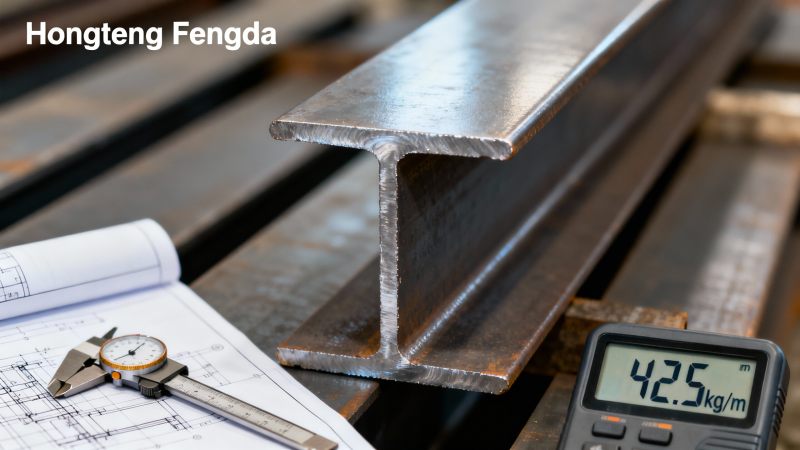
The weight of I beam directly influences every stage of lifting operations—from sling selection and crane capacity verification to ground bearing pressure analysis and dynamic load factor application. In field practice, many incidents trace back not to faulty equipment, but to unverified assumptions about i beam weight. A 3% deviation in estimated weight—common when relying on nominal dimensions without accounting for mill tolerance, coating thickness, or residual stress—can push a 90%-loaded crane into overload territory during boom-up or wind gusts.
For safety managers and project engineers, “beams weight” is both a static value and a dynamic risk variable. It intersects with structural integrity (e.g., flange buckling under lateral load), transport logistics (axle weight limits), and even fire-resistance design (steel mass affects thermal lag). That’s why Hongteng Fengda provides certified mill test reports (MTRs) with actual measured weights—not just theoretical values—for every batch of steel beams shipped under ASTM A6/A6M, EN 10025-2, or GB/T 706.
How to Measure a Steel Beam: From Theory to Field Verification
There are three authoritative ways to determine i beam weight—and each serves a distinct purpose in the safety lifecycle:
- Theoretical Calculation: Based on nominal dimensions × density (7850 kg/m³). Used for preliminary design and procurement quoting. Requires precise knowledge of section modulus, flange width, web thickness, and overall height.
- Mill-Certified Weight: Measured post-rolling using calibrated floor scales and documented in MTRs. Reflects actual as-rolled mass—including dimensional variances within ASTM/EN/GB tolerances (e.g., ±0.5% for height, ±1.0% for web thickness).
- On-Site Weighing: Critical for critical lifts. Done via load cells under supports or overhead crane load monitoring systems. Captures real-time weight including weld attachments, fireproofing, or temporary bracing.
Misalignment between these methods is where risk hides. For example, an EN 10034 S355JR IPE300 beam has a theoretical weight of 42.20 kg/m—but actual mill weight may range from 41.6 to 42.9 kg/m. That ±1.3 kg/m difference multiplies over 20-meter spans, impacting total load by >26 kg per beam.
Standards & Certification: How Global Norms Define Weight Accuracy
International standards don’t just define geometry—they govern permissible weight variance and documentation rigor. Understanding these helps procurement teams and safety officers validate supplier credibility.
Hongteng Fengda issues dual-certified reports compliant with both ASTM and GB standards—enabling seamless cross-border project execution without retesting delays. All exported I beams carry laser-etched heat numbers traceable to raw material batches and rolling logs.
Procurement Guide: What to Demand from Your I Beam Supplier
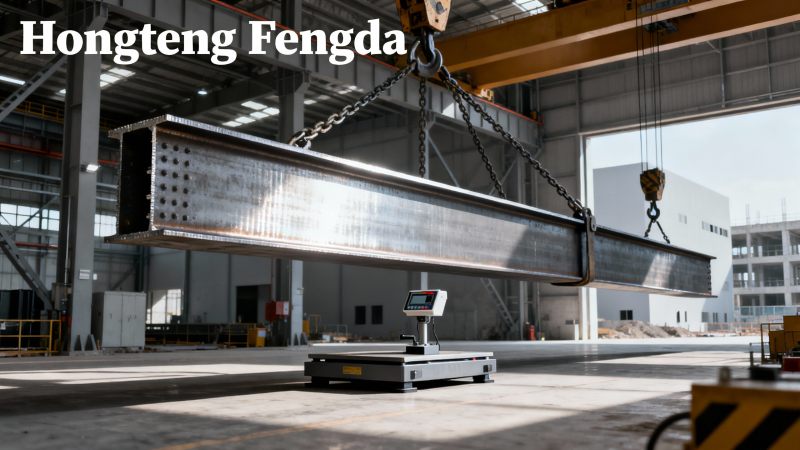
Procurement professionals and distributors must go beyond price and delivery date. Here’s what to verify before approving any order:
- Request actual weight per meter—not theoretical—on proforma invoices;
- Confirm mill test reports include measured weight (not just calculated);
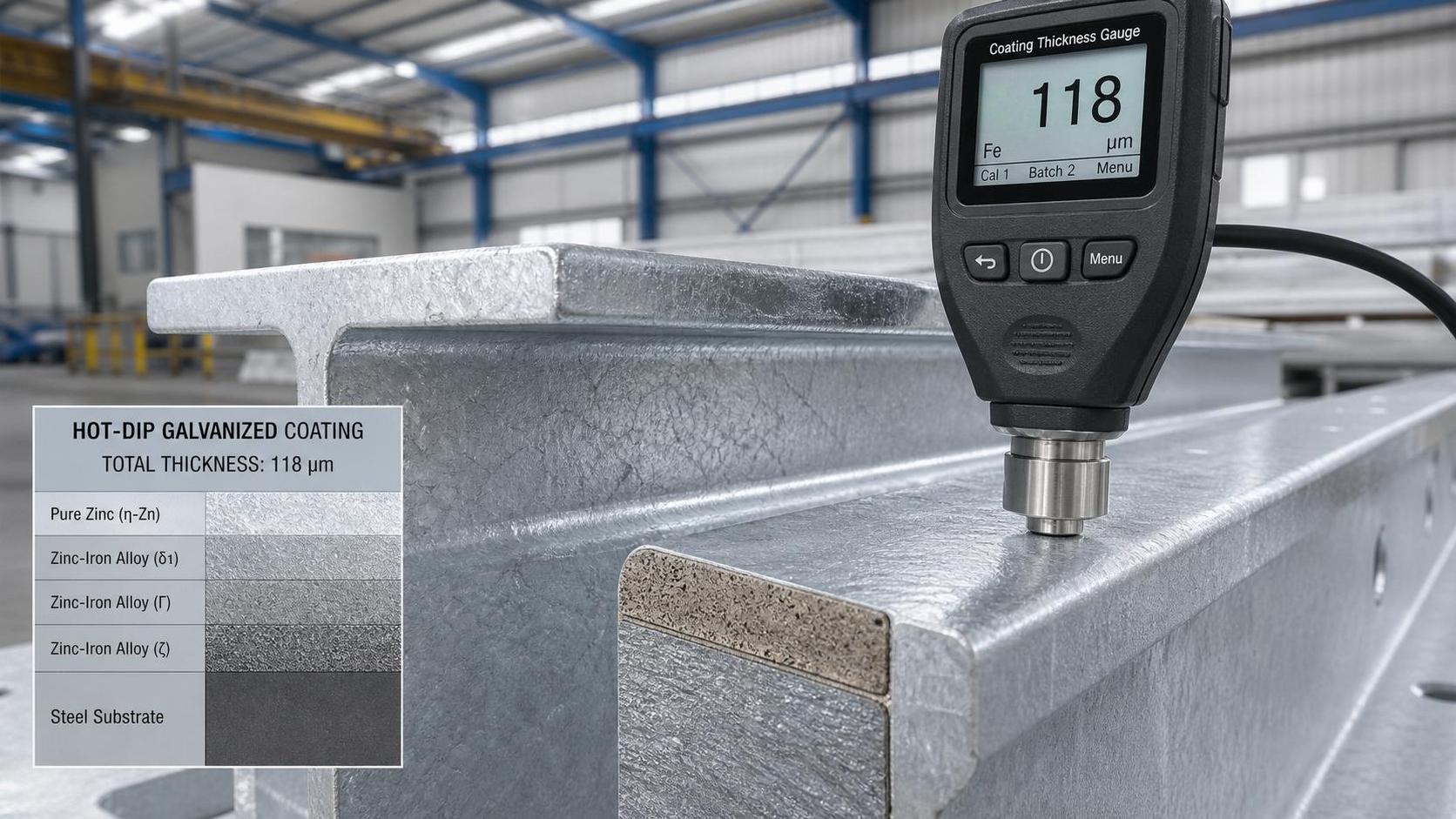
- Verify if coatings (e.g., hot-dip galvanizing) are included in weight reporting—zinc adds ~5–7% mass;
- Check if dimensional tolerances align with your crane software’s input requirements (e.g., RAM Structural System, SkyCiv);
- Ask whether bundled shipments include individual beam tags with heat number, length, and net weight.
For lightweight applications like purlins or wall beams, consider Channel Steel Supplier solutions—offering high strength-to-weight ratios with thicknesses from 1.5mm to 25mm and corrosion-resistant finishes ideal for exposed structural use.
Why Choose Hongteng Fengda for Critical Structural Steel Supply
As a certified structural steel manufacturer and exporter from China, Hongteng Fengda bridges global compliance with local responsiveness. Our ISO 9001-certified production line uses CNC-controlled rolling mills and automated weighing systems—ensuring every I beam meets ±0.3% weight accuracy against theoretical specs. With dedicated QC labs performing tensile, bend, and ultrasonic testing per batch, we eliminate guesswork at the source.
We serve project managers across North America, Europe, and the Middle East—not just as vendors, but as technical partners. Need custom cut lengths? Heat-specific traceability? Dual-standard certification (ASTM + EN)? Real-time shipment weight logs integrated into your ERP? Hongteng Fengda delivers it—all backed by 15+ years of export experience, stable capacity, and zero compromise on safety-critical data integrity.
Contact our engineering support team today for a free weight verification consultation—and receive a complimentary lift-safety checklist tailored to your next I beam project.
Related recommendations
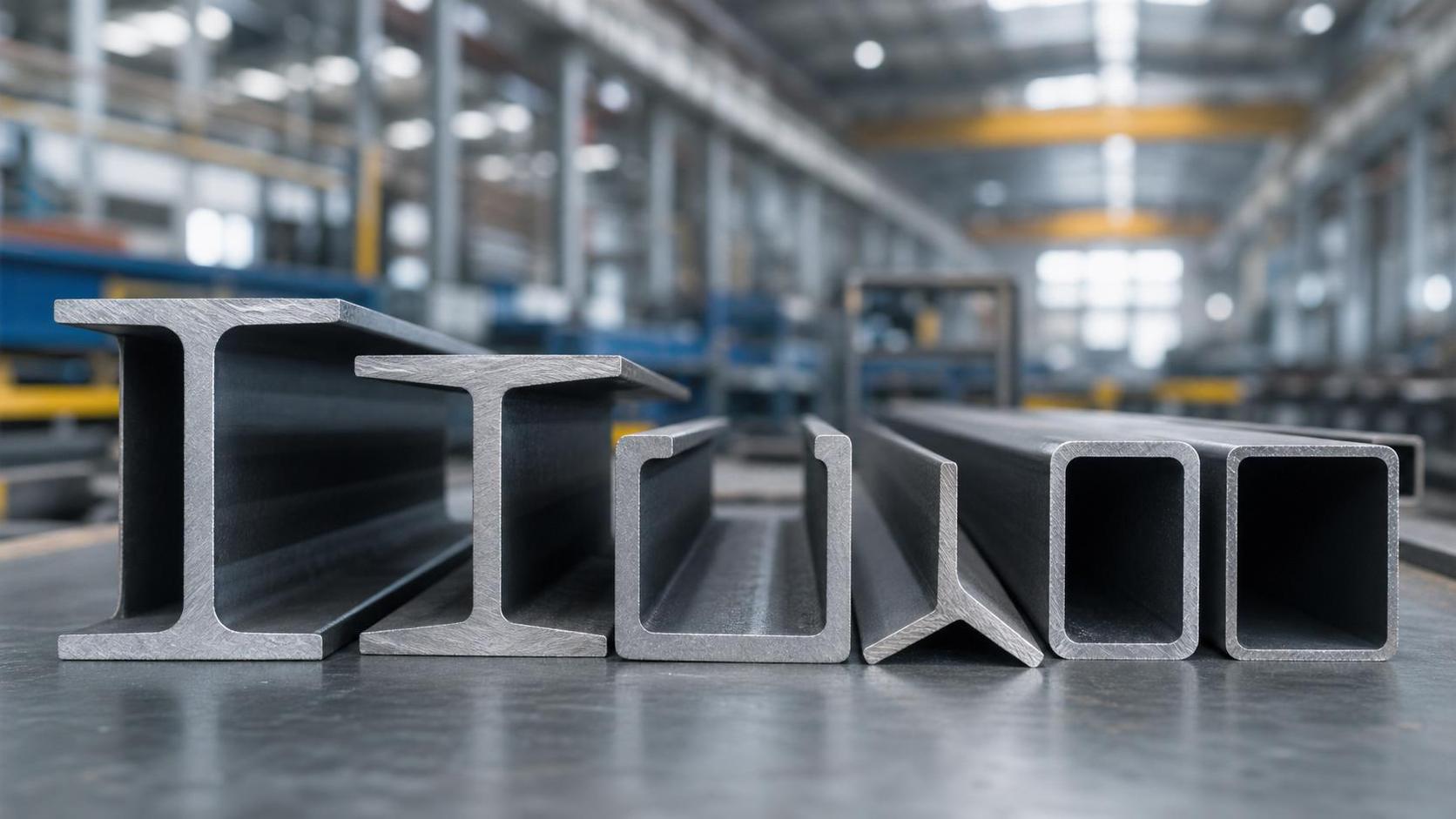
 What Is a Steel Profile? Common Shapes, Uses, and Selection BasicsProfile selection starts with shape, but performance depends on load, fabrication, and standards. Learn common steel profile types, uses, and smart selection basics.
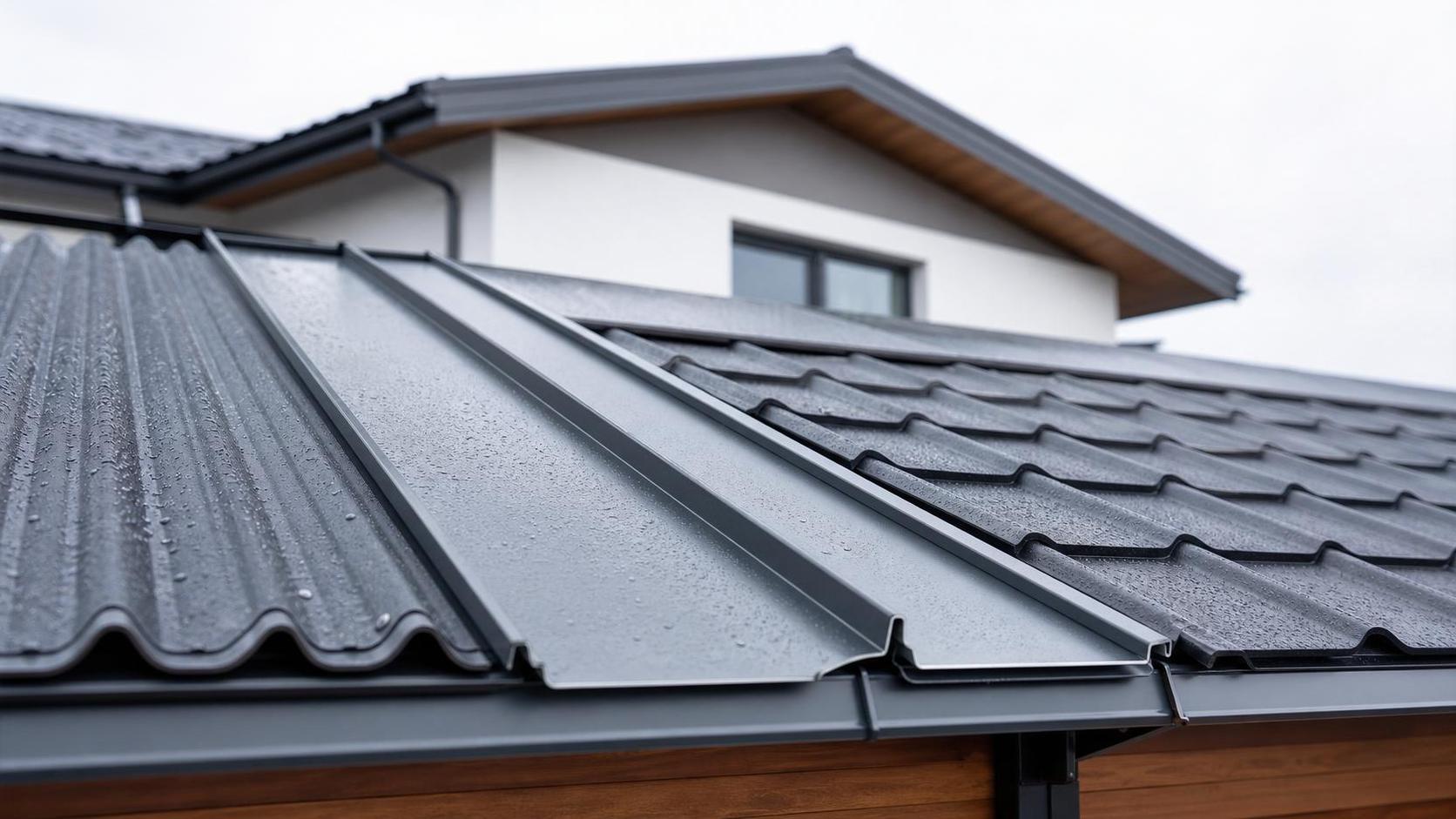
 Steel Roofing Types Explained: Corrugated, Standing Seam, and Metal ShinglesSteel Roofing guide comparing corrugated panels, standing seam, and metal shingles. Discover costs, durability, weather performance, and how to choose the best roof for your home.
 How Hot-Dip Galvanized Coating Thickness Affects Service LifeHot-dip galvanized coating thickness directly affects steel service life. Learn how the right zinc layer improves corrosion protection, controls cost, and supports smarter project decisions.
 Pipe Stainless Grades Explained: 304 vs 316 for Corrosion ResistancePipe stainless grades explained: compare 304 vs 316 for corrosion resistance, cost, and service life. Learn which stainless pipe grade fits marine, chemical, and water system applications.

Please give us a message


Please enter what you want to find