Accurately calculating total landed cost from SS pipe price per meter—whether you're comparing ss304 pipe price, stainless steel square pipe price 20 feet, or 1 1/2 stainless steel pipe price—is critical for procurement teams, project managers, and global buyers. As a leading structural steel manufacturer & exporter from China, Hongteng Fengda helps clients navigate duties, freight, insurance, and local handling charges that turn an attractive ss pipe 2 inch price into a true project cost. This guide breaks down how to factor in stainless tube price volatility, customs classifications, and logistics variables—ensuring smarter sourcing decisions for stainless steel pipe price, steel 304 pipe price, and all SS pipe 304 price scenarios.
Understanding Total Landed Cost in Stainless Steel Pipe Procurement
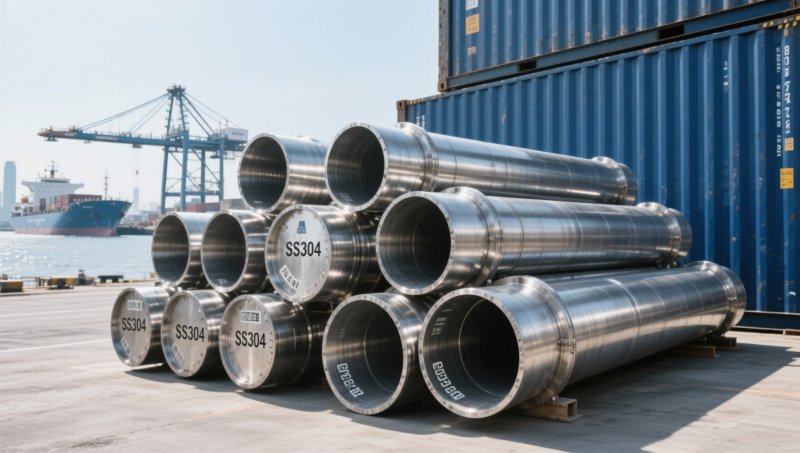
Total landed cost (TLC) is the complete financial picture of importing stainless steel pipes—from factory gate to your warehouse floor. It goes far beyond the quoted ss pipe price per meter. For structural steel buyers sourcing from China, underestimating TLC leads to budget overruns, delayed project timelines, and compromised quality control. Industry benchmarks show that hidden costs—including duties, inland transport, port handling, and compliance documentation—can add 18–35% to the base FOB price, depending on destination country and HS code classification.
Unlike domestic procurement, international stainless steel pipe orders involve at least seven distinct cost layers: (1) ex-works price, (2) inland freight to port, (3) export documentation and inspection fees, (4) ocean/air freight, (5) marine insurance (typically 110% CIF value), (6) import duties and VAT/GST, and (7) local delivery and unloading. Each layer carries variable risk—especially with volatile stainless steel raw material indices like the Shanghai Stainless Steel Index (SSESI), which fluctuated ±12.7% YoY in Q1 2024.
Hongteng Fengda’s procurement advisory team routinely audits client TLC models for discrepancies in tariff treatment—particularly misclassification of stainless steel square pipe under HS 7306.40 (hollow sections) versus 7222.20 (stainless bars), which carry duty rates ranging from 0% (EU under GSP) to 15.5% (India). Accurate classification requires precise specification of wall thickness, OD/ID ratio, and cold-drawn vs. hot-rolled condition.
Key Cost Components Breakdown & Real-World Variables
A robust TLC calculation must account for both fixed and dynamic variables. Fixed elements include agreed-upon MOQs (minimum order quantity), typically 5–10 metric tons for stainless steel pipe shipments, and standard packaging (wooden crates or steel pallets). Dynamic variables—those requiring real-time verification—include fuel surcharges (Bunker Adjustment Factor, BAF), currency exchange spreads (USD/CNY volatility averaging ±0.8% monthly), and port congestion fees (e.g., $280–$650/TEU at Los Angeles Port in Q2 2024).
Customs valuation is another high-risk area. Under WTO Valuation Agreement, the transaction value must reflect the “price actually paid or payable” for goods sold for export to the importing country. This excludes post-importation costs (e.g., installation or commissioning), but includes royalties, assists (e.g., tooling provided free-of-charge), and packing costs. Misreporting can trigger audits, penalties up to 200% of unpaid duties, and shipment detention.
The table above reflects verified cost ranges across 42 recent stainless steel pipe shipments handled by Hongteng Fengda in 2024. Notably, shipments to Southeast Asia incurred 22% lower average handling fees than those to North America due to regional port infrastructure efficiency and simplified customs clearance protocols under ASEAN-China FTA.
Integrating Material Specifications into Cost Modeling
Material grade directly impacts landed cost through three levers: raw material premium, processing complexity, and regulatory scrutiny. For example, 304-grade stainless steel commands a 15–22% premium over 201-grade due to nickel content (8–10.5% Ni vs. 3.5–5.5% Ni), while also triggering stricter REACH and RoHS compliance checks in EU markets. This adds 3–5 business days to pre-shipment documentation review and may require third-party lab testing ($320–$680 per batch).
Within this context, Stainless Square steel rod offers procurement teams a strategic alternative where full corrosion resistance isn’t mission-critical. Made from 201 stainless steel, it delivers ≥520 MPa tensile strength and ≥275 MPa yield strength—sufficient for kitchenware, urban decoration engineering, and low-grade household products—while reducing base material cost by 28–35% versus 304 equivalents. Its higher formability also lowers secondary processing costs: cold bending energy consumption drops by ~19% compared to 304 rods of identical dimensions.
Dimensional tolerances further affect TLC. For instance, specifying “±0.2mm” wall thickness instead of “±0.5mm” increases production rejection rates by 4.3%, raising unit cost by 6.8%. Hongteng Fengda recommends aligning tolerance specs with end-use function—not theoretical best practice—to avoid unnecessary cost inflation. Our technical team provides free tolerance optimization reviews for qualified projects.
Practical Calculation Framework & Common Pitfalls
Here’s a step-by-step framework used by our procurement consultants:
- Start with verified ex-works price per meter (confirm if inclusive of heat treatment, pickling, or passivation)
- Add inland freight: $18–$42/ton for trucking from Jiangsu plant to Shanghai/Ningbo port (distance: 120–280 km)
- Calculate ocean freight: Use current container rate + BAF + CAF (Currency Adjustment Factor); verify with carrier’s official rate card dated within last 7 days
- Apply correct HS code and duty rate—cross-check with latest national customs tariff database (e.g., USITC Tariff Database v.2024.2)
- Include mandatory insurance: 110% of CIF value at minimum 0.12% premium rate
- Factor in local landing charges: terminal handling ($110–$220/TEU), customs brokerage ($75–$185), and last-mile delivery ($210–$490)
Top three pitfalls we observe: (1) Using outdated duty rates (e.g., applying 2022 rates to 2024 shipments), (2) Omitting anti-dumping duties applicable to certain Chinese stainless pipe exports (e.g., 19.16% AD duty on specific welded SS pipes to the U.S.), and (3) Assuming “free trade agreement” coverage without validating Rules of Origin (ROO) criteria—such as the 35% regional value content requirement under USMCA.
These mitigation actions are embedded in Hongteng Fengda’s standard export service package—requiring zero additional setup for clients ordering ≥5 metric tons. We maintain live integration with China Customs’ Single Window platform, reducing document processing time from 3.2 days (industry average) to under 14 hours.
Why Partner with a China-Based Structural Steel Manufacturer?
Beyond competitive pricing, working directly with an integrated structural steel manufacturer like Hongteng Fengda delivers measurable TLC advantages. Our vertically aligned operations eliminate middleman markups (typically 8–15%), while in-house quality labs (CNAS-accredited) provide mill test reports (MTRs) within 24 hours—accelerating customs clearance. We hold dual certifications to ASTM A276 and GB/T 1220, ensuring seamless compliance across North American, European, and Middle Eastern projects.
With production capacity exceeding 320,000 metric tons annually and stable lead times of 25–35 days (FOB Shanghai), we help procurement teams de-risk supply chains. Our OEM service supports custom cutting, threading, beveling, and surface treatments—including No. 4 BA finish for architectural applications—reducing on-site labor costs by up to 22%.
Whether evaluating stainless steel square pipe price 20 feet for a Dubai metro station or optimizing 1 1/2 stainless steel pipe price for an industrial HVAC retrofit in Toronto, accurate landed cost modeling starts with trusted data—and ends with predictable execution.
Ready to validate your next stainless steel pipe landed cost model? Contact Hongteng Fengda’s procurement advisory team for a free, no-obligation TLC audit—including HS code verification, freight benchmarking, and duty optimization analysis tailored to your destination market and specifications.
- steel i
- steel pipe
- structural steel
- Structural Steel
- stainless steel pipe
- ss pipe 2 inch price
- ss pipe price per meter
- ss304 pipe price
- steel 304 pipe price
- stainless steel pipe price
- stainless steel square pipe price
- stainless tube price
- ss pipe price
- stainless steel square pipe price 20 feet
- ss pipe 304 price
- ss steel pipe price
- stainless steel square pipe
- stainless pipe
- ss pipe
- ss tube
- 2 stainless steel pipe
- 304 pipe
- Steel Rod
Related recommendations
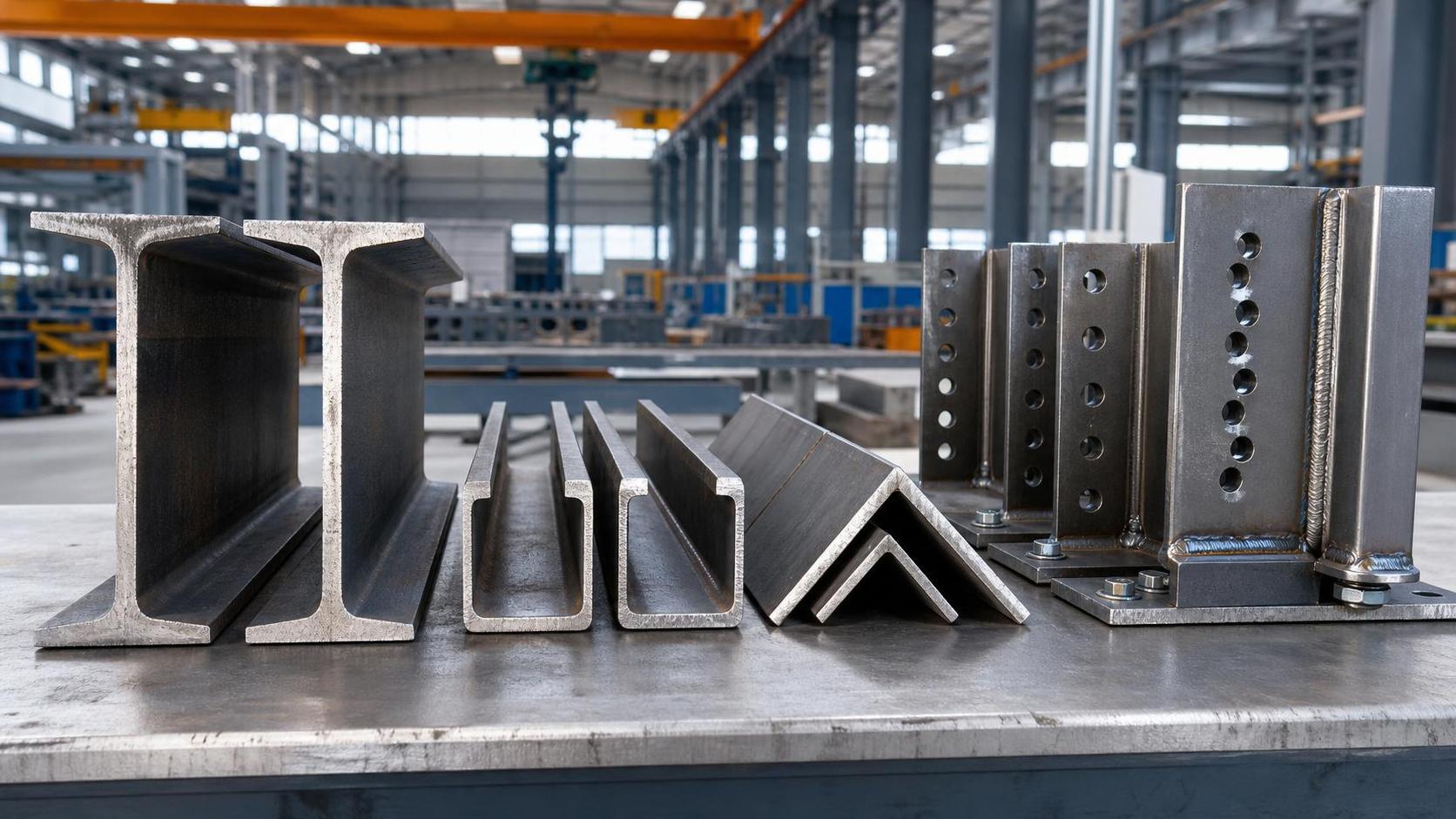
 How to Select a Steel Profile Based on Load, Span, and Fabrication NeedsProfile selection starts with load, span, and fabrication needs. Learn how to compare steel sections for strength, cost, workability, and sourcing efficiency.
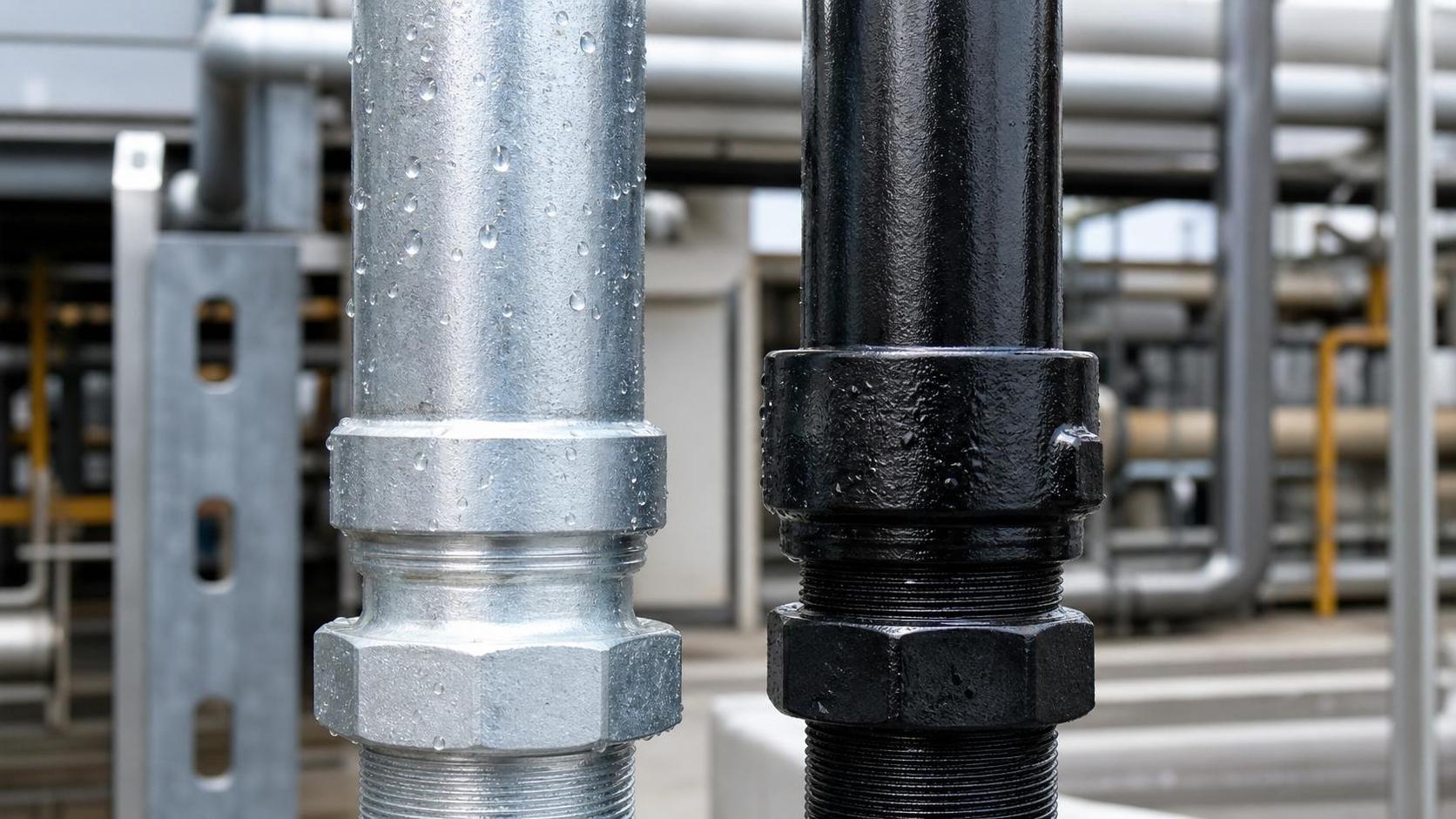
 Galvanized Pipe vs Black Pipe: Which One Fits Water, Gas, or Outdoor Lines?Galvanized pipe or black pipe? Compare the best choice for water, gas, and outdoor lines, with key insights on corrosion, codes, cost, and long-term performance.
 How to Choose Steel Roofing for Warehouses, Farms, and Residential BuildingsSteel Roofing selection depends on building type. Learn how warehouses, farms, and homes differ in corrosion, insulation, drainage, and cost for smarter roofing decisions.
 Hot-Dip Galvanized vs Pre-Galvanized Steel: Which Should You Specify?Hot-dip galvanized vs pre-galvanized steel: compare corrosion resistance, fabrication impact, cost, and standards to specify the right steel solution for durable, compliant projects.
Please give us a message


Please enter what you want to find