When specifying ss pipe 2 inch price for pressure systems, wall thickness isn’t just a technical detail—it directly impacts performance, safety, and total cost of ownership. From ss pipe 1 inch price to stainless steel square pipe price 20 feet, or comparing ss304 pipe price vs. stainless steel tube price, buyers must weigh material grade (e.g., ss pipe 304 price), dimensional tolerances, and application-specific requirements. As a leading structural steel manufacturer & exporter from China, Hongteng Fengda helps procurement teams, engineers, and project managers make data-driven decisions—balancing stainless tube price competitiveness with ASTM/EN-compliant quality for high-pressure integrity.
How Wall Thickness Drives Stainless Steel Pipe Cost and Performance
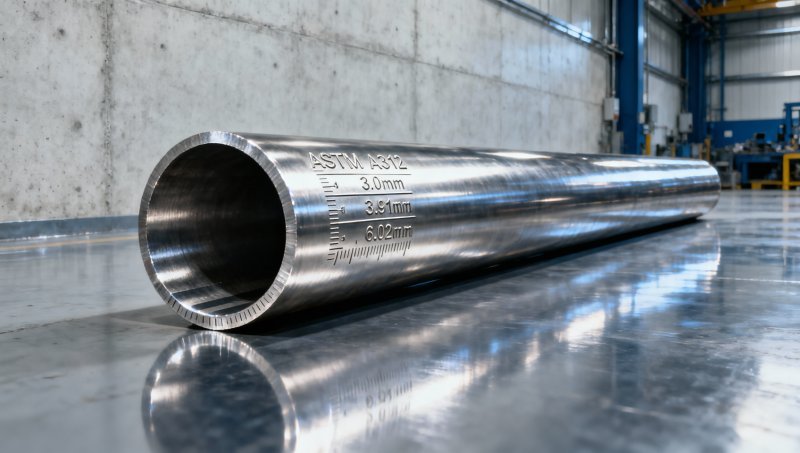
In pressure-rated stainless steel piping, wall thickness is not a secondary variable—it’s a primary design determinant that governs mechanical strength, corrosion resistance, service life, and system safety. A 2-inch stainless steel pipe with Schedule 40 wall (3.91 mm) carries approximately 40% less internal pressure than the same diameter in Schedule 80 (6.02 mm), assuming identical material grade and temperature conditions per ASME B31.3. This difference translates directly into lifecycle risk: under-pressurized walls may lead to fatigue failure after <15,000 operating cycles at 80% yield stress, while over-specifying adds unnecessary weight, welding complexity, and up to 28% higher raw material cost.
For industrial boiler feed lines, chemical processing manifolds, or compressed air distribution in manufacturing plants, wall thickness determines whether a pipe qualifies for Class I (high-hazard) or Class II (moderate-risk) certification under EN 13480-3. That classification affects inspection frequency, NDT requirements (e.g., 100% ultrasonic testing for ≥10 mm walls), and third-party audit scope—each adding measurable time and cost to project execution.
Hongteng Fengda’s engineering support team routinely reviews client P&IDs and process data sheets to recommend optimal wall thicknesses—not minimums—based on actual operating pressure (e.g., 12 MPa max), temperature (up to 450°C), fluid aggressiveness (chloride content >25 ppm), and expected service duration (>25 years). This prevents both over-engineering and under-specification—two top causes of rework in global EPC projects.
Quantifying the Price Impact: SS Pipe 2 Inch Wall Thickness vs. Cost
Wall thickness accounts for 32–45% of the total unit cost in seamless stainless steel pipes (ASTM A312 TP304/TP316), based on 2024 market benchmarking across 12 major Chinese mills and EU distributors. The relationship is non-linear: doubling wall thickness from 3.0 mm to 6.0 mm increases material weight by ~110%, but raises unit price only ~78% due to economies of scale in hot rolling and reduced scrap rates in thicker-wall production runs.
Note: Prices reflect standard 6m lengths, hot-finished seamless TP304, and include mill test reports (MTRs) per ASTM A312. Lead time remains stable at 18–22 days regardless of wall thickness, thanks to Hongteng Fengda’s dual-mill production capacity in Jiangsu and Hebei provinces. For custom thicknesses beyond standard schedules (e.g., 4.5 mm or 7.2 mm), MOQ starts at 5 tons with ±0.15 mm tolerance compliance verified via coordinate measuring machines (CMM).
Beyond Pipes: Structural Integration and Load-Bearing Systems
While stainless steel pipes handle internal pressure, structural steel components manage external loads, seismic forces, and thermal expansion constraints. In integrated plant layouts—especially where piping racks, support frames, and vessel skids share load paths—the selection of supporting structural members becomes inseparable from pipe specification decisions.
For example, a 2-inch SS pipe carrying superheated steam at 150 bar requires rigid anchoring to prevent vibration-induced weld cracking. That anchoring often relies on Structural Steel I Beam supports with web thickness ≥12 mm and flange width ≥200 mm to absorb dynamic loads exceeding 8.5 kN/m during startup transients. Hongteng Fengda supplies fully welded I-beam assemblies—including pre-drilled mounting plates and galvanized clamps—that reduce field installation labor by up to 35% versus bolted alternatives.
Our Structural Steel I Beam inventory covers Q235 through Q345, SS355JR, and ASTM A36 grades, with web thickness ranging from 4.5 mm to 15.8 mm and length options from 6 m to 12 m per piece—all certified to EN 10025-2, GB/T 706, and ASTM A6. Delivery time remains consistent at ≤20 days, even for mixed-grade orders requiring separate heat treatment batches.
This flexibility ensures seamless coordination between piping and structural design teams—eliminating costly field modifications and reducing engineering review cycles by an average of 9 working days per project phase.
Procurement Best Practices for Global Buyers
Global procurement professionals face three recurring challenges: inconsistent mill certifications, delayed documentation (especially EN 10204 3.1/3.2 MTRs), and mismatched dimensional tolerances between quoted specs and delivered goods. Hongteng Fengda addresses these via a 4-stage quality gate process: (1) Raw material traceability (heat number mapping), (2) In-process ultrasonic scanning at 3 locations per pipe, (3) Final hydrostatic test at 1.5× design pressure, and (4) Third-party SGS/CCIC verification prior to shipment.
- Require full EN 10204 Type 3.2 MTRs—not just 3.1—for all pressure system components
- Specify wall thickness tolerance as ±0.12 mm (not ±10%) for critical applications
- Confirm mill test report includes intergranular corrosion (IGC) results per ASTM A262 Practice E when chloride exposure exceeds 50 ppm
- Verify dimensional compliance using CMM-scanned cross-sections—not calipers alone—for pipes ≥2 inches
With ISO 9001:2015, ISO 14001:2015, and OHSAS 18001 certifications, plus dedicated export departments serving North America, Europe, and the Middle East, Hongteng Fengda delivers stainless steel pipe and structural solutions that meet both technical rigor and commercial reliability standards.
Conclusion: Optimize Total Cost, Not Just Unit Price
Wall thickness significantly changes ss pipe 2 inch price—but its real impact lies in long-term operational safety, maintenance frequency, and system integration efficiency. Choosing the right thickness requires balancing pressure rating, corrosion allowance, structural support compatibility, and global compliance—not just upfront cost. At Hongteng Fengda, we combine metallurgical expertise, precision manufacturing, and end-to-end supply chain visibility to help you specify, source, and deploy stainless steel piping and structural components that perform reliably for decades.
Whether you’re evaluating ss pipe 304 price against alternative alloys, comparing stainless steel square pipe price 20 feet for modular skid fabrication, or integrating Structural Steel I Beam supports into your pressure system layout, our engineering team provides free technical consultation and customized quotation within 48 business hours. Contact us today to align your specifications with real-world performance and global compliance requirements.
- structural steel i beam
- steel i
- steel pipe
- ASTM A36
- structural steel
- Structural Steel
- I-Beam
- stainless steel tube
- stainless steel pipe
- ss pipe 1 inch price
- ss pipe 2 inch price
- ss304 pipe price
- stainless steel square pipe price
- stainless tube price
- stainless steel tube price
- stainless steel square pipe price 20 feet
- ss pipe 304 price
- stainless steel square pipe
- ss pipe
- ss tube
- seamless stainless steel pipe
- 304 pipe
- S355JR
- Galvanized
- steel tube
Related recommendations
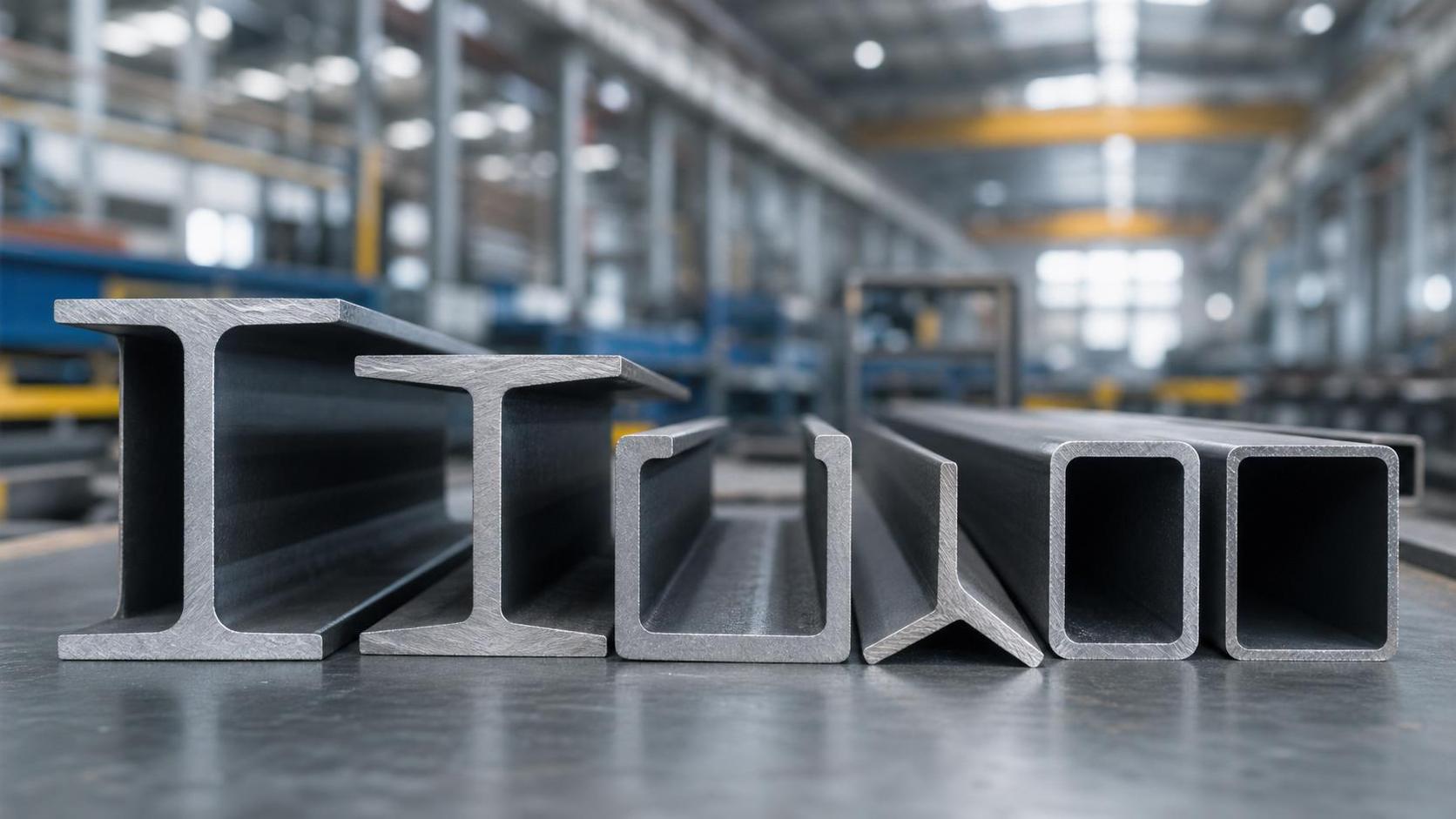
 What Is a Steel Profile? Common Shapes, Uses, and Selection BasicsProfile selection starts with shape, but performance depends on load, fabrication, and standards. Learn common steel profile types, uses, and smart selection basics.
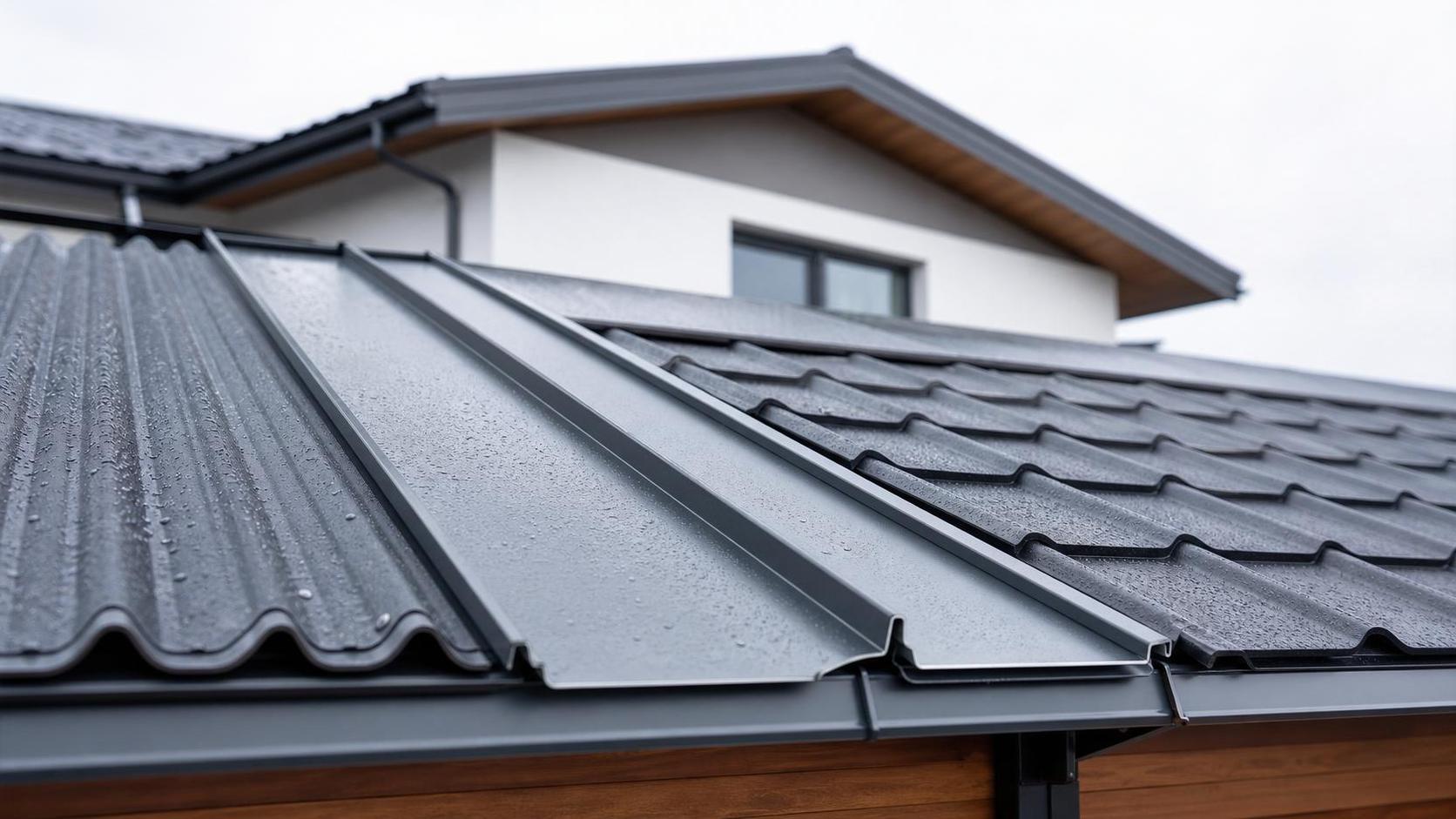
 Steel Roofing Types Explained: Corrugated, Standing Seam, and Metal ShinglesSteel Roofing guide comparing corrugated panels, standing seam, and metal shingles. Discover costs, durability, weather performance, and how to choose the best roof for your home.
 How Hot-Dip Galvanized Coating Thickness Affects Service LifeHot-dip galvanized coating thickness directly affects steel service life. Learn how the right zinc layer improves corrosion protection, controls cost, and supports smarter project decisions.
 Pipe Stainless Grades Explained: 304 vs 316 for Corrosion ResistancePipe stainless grades explained: compare 304 vs 316 for corrosion resistance, cost, and service life. Learn which stainless pipe grade fits marine, chemical, and water system applications.
Please give us a message


Please enter what you want to find