When selecting steel materials for construction and industrial projects, understanding the differences between high strength steel bars and regular steel is crucial for cost-efficiency and performance. As a leading structural steel manufacturer and exporter, Hongteng Fengda provides in-depth analysis on material properties, durability, and pricing for projects ranging from warehouse construction with steel channels to bridge building with steel piles. This guide helps procurement professionals, project managers, and decision-makers make informed choices between high strength steel bars and conventional options for optimal project outcomes.
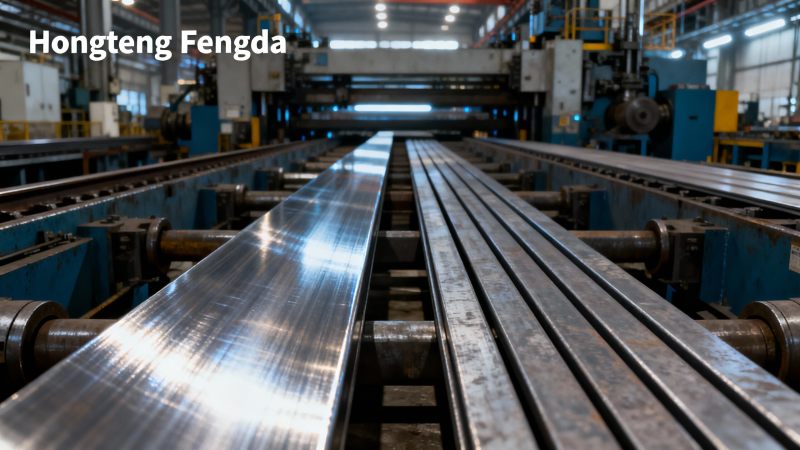
Material Properties: High Strength vs. Regular Steel
High strength steel bars, typically categorized under ASTM A615 Grade 60 or higher, exhibit yield strengths exceeding 60,000 psi, whereas regular carbon steel bars (Grade 40) maintain yield strengths around 40,000 psi. This fundamental difference stems from alloy composition—high strength variants incorporate controlled amounts of chromium, vanadium, or nitrogen to enhance grain structure. For structural applications like 430 Stainless Steel Coil used in automotive parts or bridge construction, these alloys provide 20-30% greater load-bearing capacity without increasing cross-sectional dimensions. Notably, elongation rates (≥55-60% in premium grades) ensure ductility during seismic events, a critical factor for steel rebar in industrial projects. Hongteng Fengda’s metallurgical testing confirms that high strength bars also demonstrate superior fatigue resistance, withstanding over 2 million cycles at 70% of ultimate tensile strength—compared to 1.5 million cycles for conventional steel.
Cost-Benefit Analysis for Construction Projects
While high strength steel bars command a 15-25% price premium over regular steel, their lifecycle cost advantages become evident in large-scale projects. A comparative study on warehouse construction using steel channels revealed that specifying Grade 60 rebar reduced material tonnage by 18%, translating to $4.7 savings per square foot in foundation costs. For oil and gas pipelines requiring carbon steel pipes, high strength variants allow wall thickness reduction while maintaining API 5L X70 pressure ratings—cutting welding time by 22% per joint. Hongteng Fengda’s clients in the Middle East have documented 12-15% overall project cost reductions when combining high strength steel piles with optimized design. The break-even point typically occurs at projects exceeding 500 metric tons, making these bars ideal for bridge construction and high-rise developments.
Durability Metrics in Harsh Environments
Corrosion resistance varies significantly between steel types. High strength bars with micro-alloying elements exhibit 40% slower corrosion rates in chloride-rich environments like coastal regions, as per ASTM G109 testing standards. This aligns with performance data from 430 Stainless Steel Coil applications in marine decoration, where chromium content (16-18%) forms passive oxide layers. In industrial settings with acidic exposure, epoxy-coated high strength rebar lasts 2.3x longer than regular steel before pitting initiates. Hongteng Fengda’s proprietary QUV accelerated weathering tests show that properly specified high strength steel channels for warehouse construction maintain structural integrity for 35+ years in tropical climates—compared to 25 years for standard carbon steel beams.
Fabrication and Installation Considerations
Workability differences impact project timelines. Regular steel’s lower hardness (≤183HB) allows 15% faster cutting and bending versus high strength grades, a crucial factor for custom steel profile manufacturers handling tight deadlines. However, modern CNC equipment minimizes this gap—Hongteng Fengda’s automated lines process Grade 80 steel bars at 92% the speed of Grade 40. Weldability requires special attention: high strength steels demand low-hydrogen electrodes (AWS E7018) and preheating to 150°C for thicknesses above 20mm. Project managers should note that high strength steel piles for bridge construction often require 10-12% more crane capacity during installation due to density (7.8g/cm³), though this is offset by needing fewer pieces.
Global Standards and Compliance
Material specifications vary regionally. While EN 10025-6 governs high strength steel in Europe, Middle Eastern projects typically reference ASTM A706 for seismic zones. Hongteng Fengda’s dual-certified products meet both standards, ensuring compliance for steel rebar suppliers serving multinational clients. Key parameters include:
- Charpy V-notch impact values: ≥27J at -20°C (EN) vs. ≥20J at 0°C (ASTM)
- Maximum carbon equivalent: 0.55% for weldability
- Elastic modulus consistency: 197GPa across grades
For specialized applications like carbon steel pipes for oil and gas, API 5CT Grade L80 high strength casing demonstrates 15% better collapse resistance than conventional J55 grades.
Strategic Sourcing Recommendations
Procurement teams should evaluate these factors when selecting steel suppliers:
- Mill test reports: Verify actual yield strength (often 10-15% above nominal) and elongation rates
- Lead time flexibility: High strength steel exporters in Europe may have 8-10 week lead times versus 4-6 weeks for standard stock
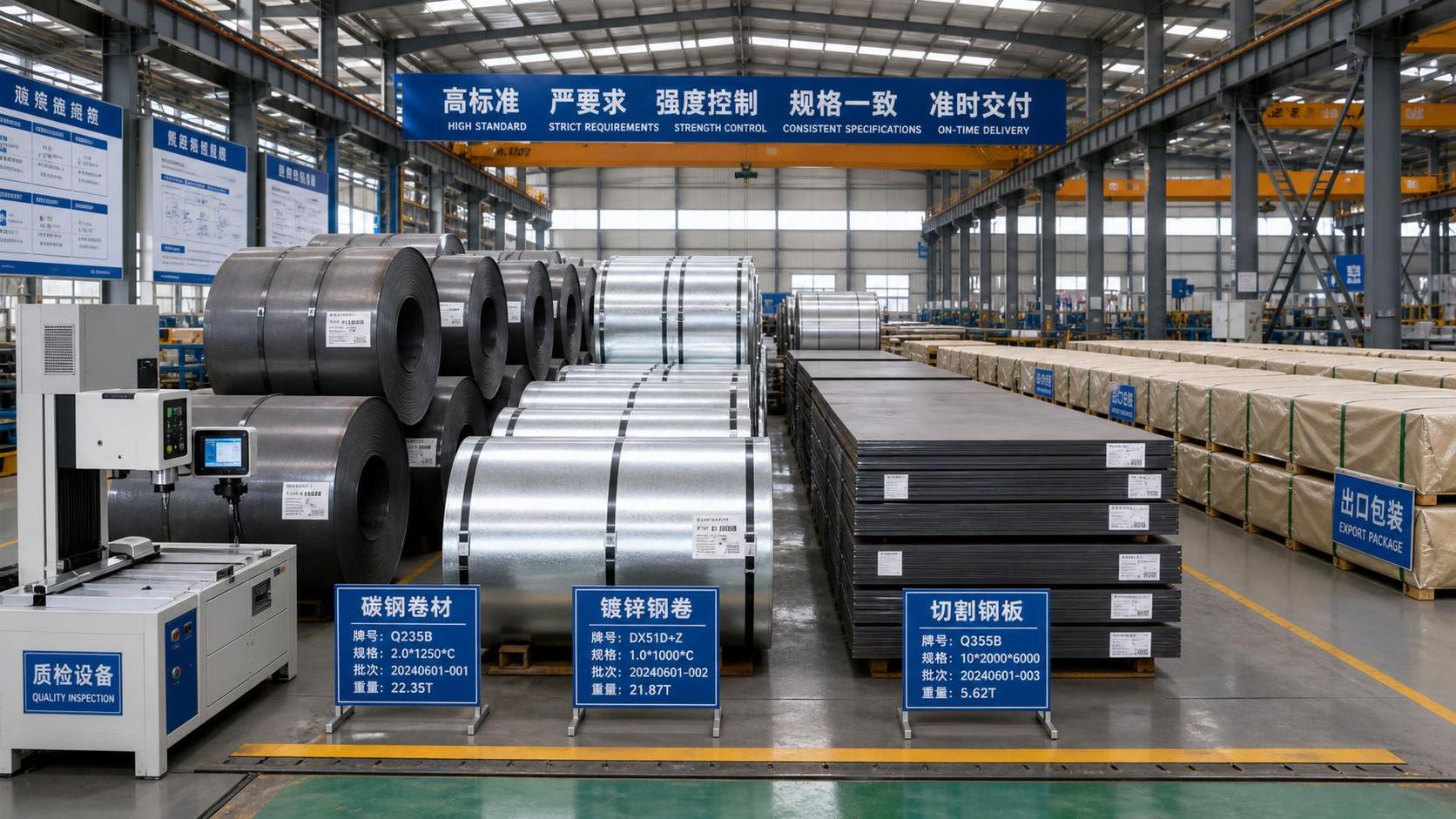
- Cutting/processing services: Some manufacturers like Hongteng Fengda offer precision cutting to reduce jobsite waste
Bulk purchasing (500+ tons) of steel sheets for industrial projects can secure 5-8% price advantages, especially when combining multiple product lines like structural beams and stainless coils.
Conclusion and Next Steps
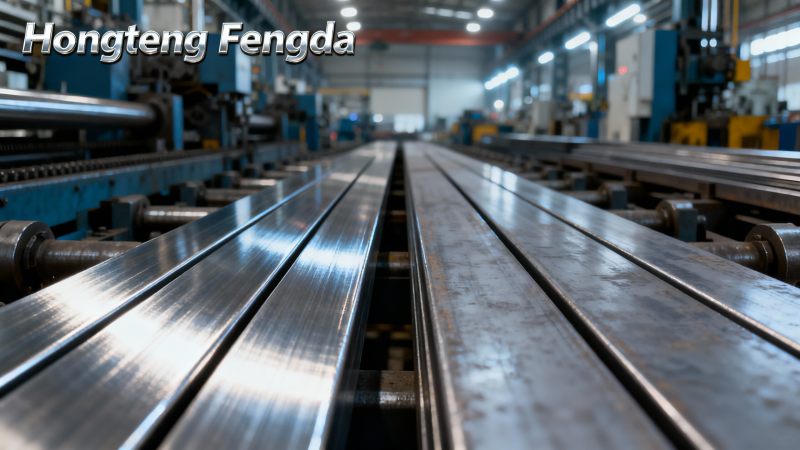
The choice between high strength and regular steel bars hinges on project-specific requirements—high strength variants deliver long-term value for heavy-load structures, corrosive environments, and seismic zones, while conventional steel remains cost-effective for light/medium duty applications. As a trusted steel rebar supplier in the Middle East and beyond, Hongteng Fengda provides technical consultation to optimize material selection based on your project’s structural calculations, budget parameters, and timeline constraints.
Contact our engineering team today for a comparative cost-benefit analysis tailored to your next warehouse construction, bridge project, or industrial development. Leverage our expertise in ASTM/EN compliant high strength steel solutions to achieve optimal performance while controlling project costs.
- steel i
- carbon steel beams
- carbon steel pipe
- steel supplier
- steel suppliers
- steel pipe
- steel coil
- structural steel
- steel beams
- Structural Steel
- Steel Beams
- 430 stainless steel coil
- stainless steel coil
- stainless coil
- ss coil
- Profile
- Rebar
- Steel Beam
- Steel Channel
- carbon steel
- steel sheet
- steel rebar
- steel profile
- steel pile
- steel bar
- high strength steel bar
- custom steel profile manufacturer
Related recommendations
 Galvanized Pipe Manufacturer Selection: Zinc Coating, Tolerance, and ComplianceGalvanized pipe manufacturer selection guide: compare zinc coating quality, tolerance control, and compliance to reduce risk and choose a supplier that delivers reliable steel products.
 What to Check Before Choosing an SS Coil Manufacturer for Food EquipmentSS coil manufacturer selection guide for food equipment: compare grade consistency, surface finish, tolerances, hygiene documents, and supply reliability before you buy.
 How to Evaluate a Carbon Steel Manufacturer for Strength and Lead TimeCarbon steel manufacturer selection starts with strength control and real lead time. Learn how to compare quality systems, standards, specs, and export readiness before you buy.
 Buy 304 Stainless Steel Wire 0.5mm Soft: What to Check Before Placing an OrderBuy 304 stainless steel wire 0.5mm soft with confidence. Learn what to check on grade, tolerance, finish, softness, and supplier quality before ordering.
Please give us a message


Please enter what you want to find