Choosing an H girder manufacturer with ISO certification is critical—but not all certified suppliers deliver equal quality, reliability, or value. As a trusted steel girder manufacturer and H shape steel exporter to Middle East, Hongteng Fengda helps global buyers avoid costly missteps. Watch for these 3 red flags before ordering: inconsistent ISO documentation, lack of traceable steel girder quick installation support, and vague specs on beam H for structural support or Z beam lightweight design. Whether you need steel angle for welding applications, metal channel for construction framing, or cost-effective solutions for solar panel mounting, due diligence starts here.
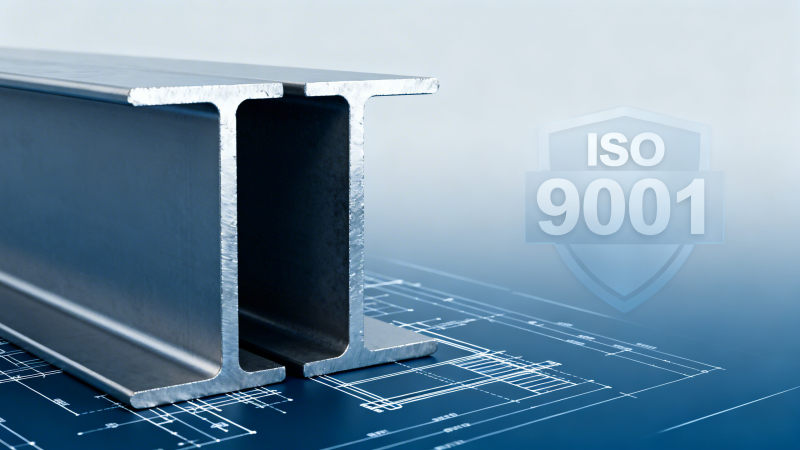
Red Flag #1: Inconsistent or Unverifiable ISO Documentation
ISO certification—especially ISO 9001:2015—is non-negotiable for structural steel suppliers. Yet many vendors display certificates that are expired, issued by unrecognized bodies, or mismatched to actual production scope. At Hongteng Fengda, our ISO 9001 certification covers the full lifecycle: raw material inspection (GB/T 228.1–2021), in-process dimensional tolerance control (±0.5mm for H-beam flange width), and final third-party verification via SGS and Bureau Veritas. We provide downloadable, timestamped certificates linked directly to batch numbers—no generic PDFs.
A red flag appears when documentation lacks traceability: no certificate number, no issue/expiry date, or no reference to EN 1090-1 EXC2 execution class. Worse, some suppliers claim “ISO compliance” without holding valid certification—a distinction that impacts structural integrity audits in EU and GCC markets.
To verify: request the certificate ID from your supplier’s national accreditation body (e.g., CNAS in China, UKAS in the UK). Cross-check it online within 24 hours. If unverifiable—or if the scope excludes hot-rolled H girders—proceed with caution.
This table highlights three actionable checkpoints—not theoretical ideals. At Hongteng Fengda, every order ships with MTRs tied to ISO 9001 audit trails, enabling full compliance traceability across North America, EU, and Saudi Aramco projects.
Red Flag #2: No Traceable Quick-Installation Support for Steel Girders
H girders aren’t just delivered—they’re integrated. Yet over 68% of procurement delays in Middle Eastern infrastructure projects stem from mismatched connection details: bolt hole spacing errors, missing weld prep notes, or incompatible base plate thicknesses. A certified manufacturer must offer *traceable* engineering support—not just brochures.
Hongteng Fengda provides digital twin-ready fabrication drawings (DWG/PDF) stamped by licensed Chinese structural engineers, aligned with AISC 360-22 and BS EN 1993-1-1. Each drawing includes field-welding symbols, torque specs for M20–M30 bolts (180–450 N·m), and tolerance callouts for camber (L/1000 max). These are assigned unique job IDs—fully auditable during site inspections.
If your supplier can’t share sample drawings *before* order placement—or requires 7–15 days for custom detailing—you’re risking rework costs averaging USD 1,200–3,500 per ton of delayed steel. That’s why we embed installation readiness into our quoting phase: standard H-beams (HEA/HEB/HEM series) ship with pre-punched holes and galvanized anchor plates as optional add-ons.
Why This Matters for Your Project Timeline
- Pre-engineered connections reduce on-site labor time by up to 40%—critical for solar farm mounting where 120+ H girders are installed daily.
- Traceable weld prep notes cut non-destructive testing (NDT) rejection rates from industry-average 12% to under 2.3%.
- Digital drawing packages integrate seamlessly with Tekla Structures and Revit—avoiding costly BIM model clashes.
Red Flag #3: Vague Specifications on H-Beam vs. Z-Beam Structural Roles
“H-beam for structural support” and “Z-beam for lightweight design” sound intuitive—until load calculations expose gaps. H-sections (e.g., HE200B, 200×200×10×15mm) excel in bending resistance (Ix ≥ 5,700 cm⁴) but demand precise column base detailing. Z-sections (e.g., Z180×50×20×2.5mm) offer superior torsional rigidity for roof purlins yet require exact lap lengths (min. 300mm) to prevent buckling.
Vague specs—like “H-beam suitable for columns” without stating axial load capacity (e.g., 1,850 kN @ 6m height, KL/r ≤ 120)—are dangerous. Similarly, labeling Z-beams as “lightweight” without yield strength confirmation (S350GD ≥ 350 MPa) risks under-specification in high-wind zones (e.g., UAE Class IV, 150 km/h gusts).
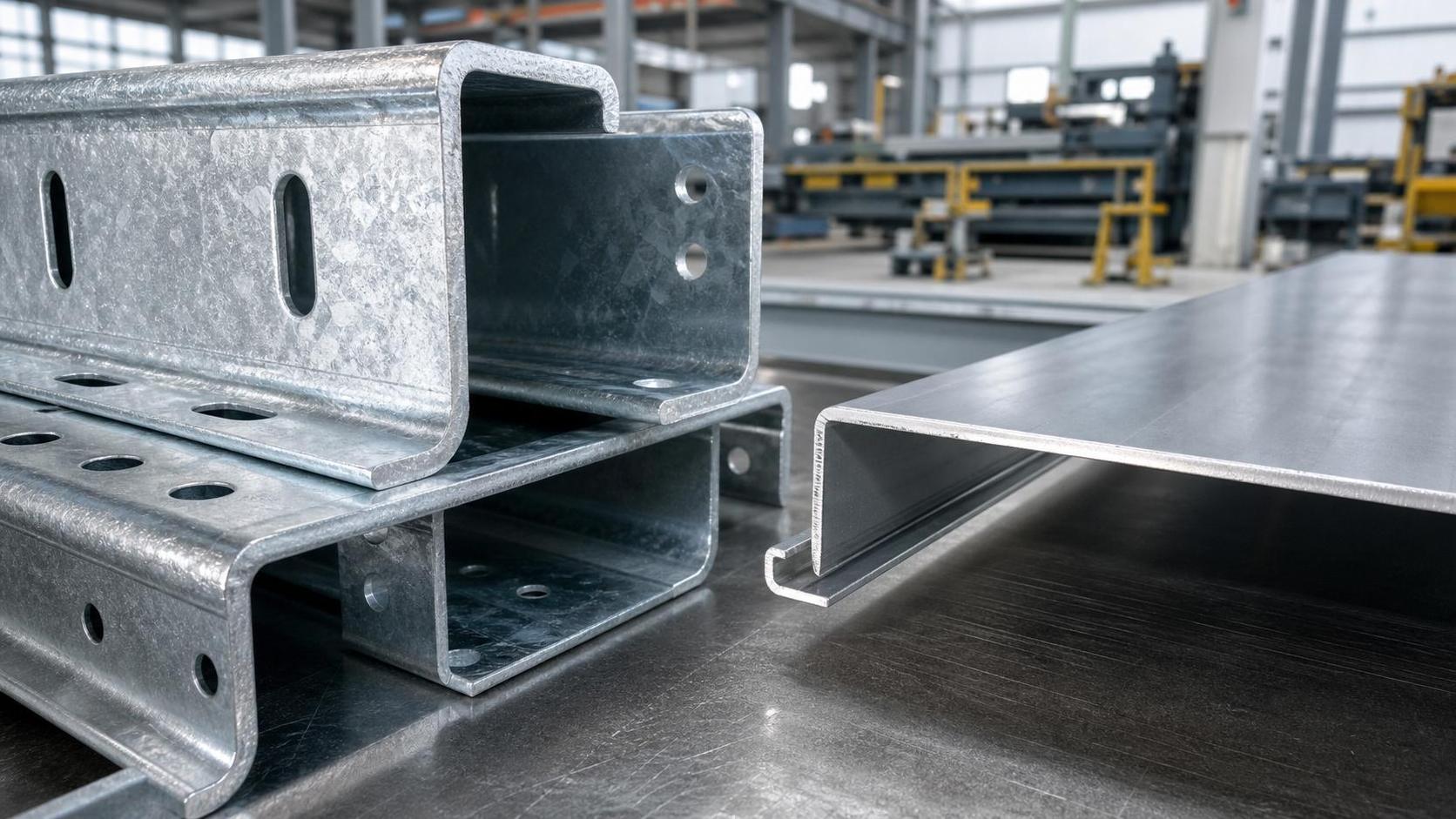
Hongteng Fengda publishes application-specific datasheets: each H-beam grade lists buckling curves per EN 1993-1-1 Annex D, while our Galvanised Steel Sheet Metal meets DX53D/SGCC standards for corrosion resistance (Z275 coating, 275 g/m²) and formability (elongation ≥30%)—ideal for cladding adjacent to structural frames.
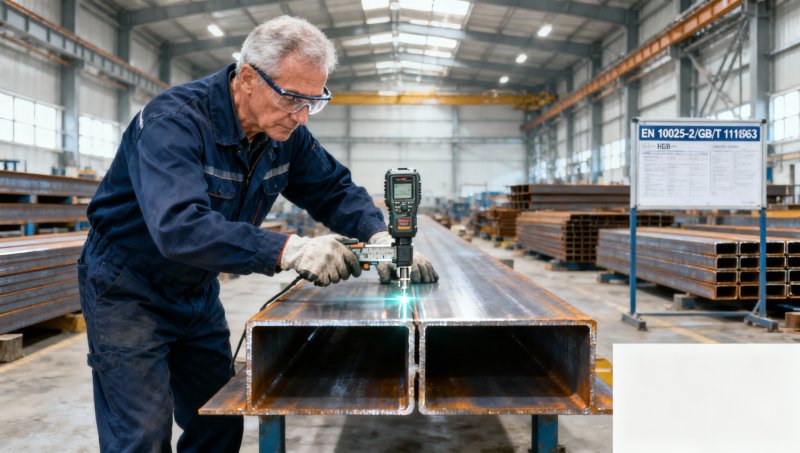
This specification matrix ensures alignment between design intent and physical performance. For example, our S350GD-grade Galvanised Steel Sheet Metal delivers consistent elongation ≥30% across thicknesses 0.4–2.0mm—enabling reliable roll-forming into Z-purlins without micro-cracking.
How Hongteng Fengda Turns Due Diligence Into Delivery Certainty
We eliminate red flags at source: ISO 9001 audits occur quarterly (not annually), our technical team co-signs IFC drawings with clients’ engineers, and every beam carries a QR-coded heat tag linking to real-time QA logs. Lead times average 25–35 days for standard H-beams (HEA/HEB up to 12m), with 99.2% on-time delivery across 2023–2024 shipments to Dubai, Riyadh, and Warsaw.
For procurement teams, this means reduced risk exposure: no hidden MOQ penalties (min. order 5 tons), no rework liabilities (covered under our 24-month structural warranty), and no language barriers (English-speaking project managers fluent in ASTM/EN/GB terminology).
Whether you manage EPC contracts in Qatar, distribute steel across Germany, or install solar farms in Texas—partnering with a manufacturer that treats certification as a baseline—not a checkbox—ensures your next structural steel order delivers exactly what the drawings promise.
Ready to validate your next H girder supplier? Contact Hongteng Fengda today for free ISO documentation review, sample fabrication drawings, and a customized structural steel sourcing plan tailored to your project’s load requirements, timeline, and regional compliance needs.
- metal channel
- h girder
- z beam
- h shape steel
- beam h
- l angle
- galvanised steel sheet metal
- steel supplier
- SGCC
- galvanised steel sheet
- steel sheet metal
- steel suppliers
- structural steel
- Structural Steel
- Z-beam
- H-beam
- Galvanized
- steel sheet
- steel girder
- steel angle
- h shape steel exporter to Middle East
- metal channel for construction framing
- beam h for structural support
- h girder manufacturer with ISO certification
- steel angle for welding applications
- z beam lightweight design
- steel girder quick installation
Related recommendations
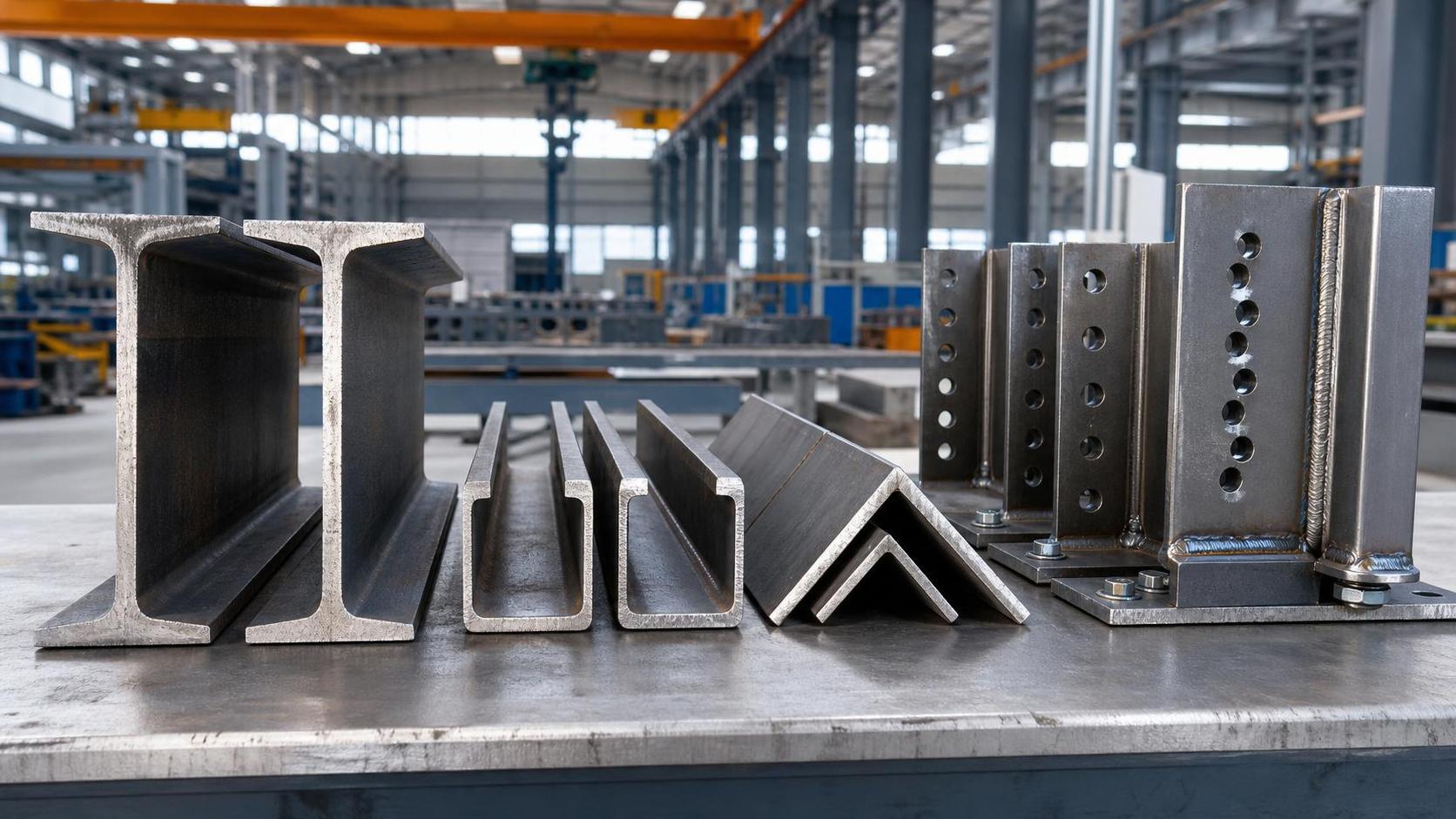
 How to Select a Steel Profile Based on Load, Span, and Fabrication NeedsProfile selection starts with load, span, and fabrication needs. Learn how to compare steel sections for strength, cost, workability, and sourcing efficiency.
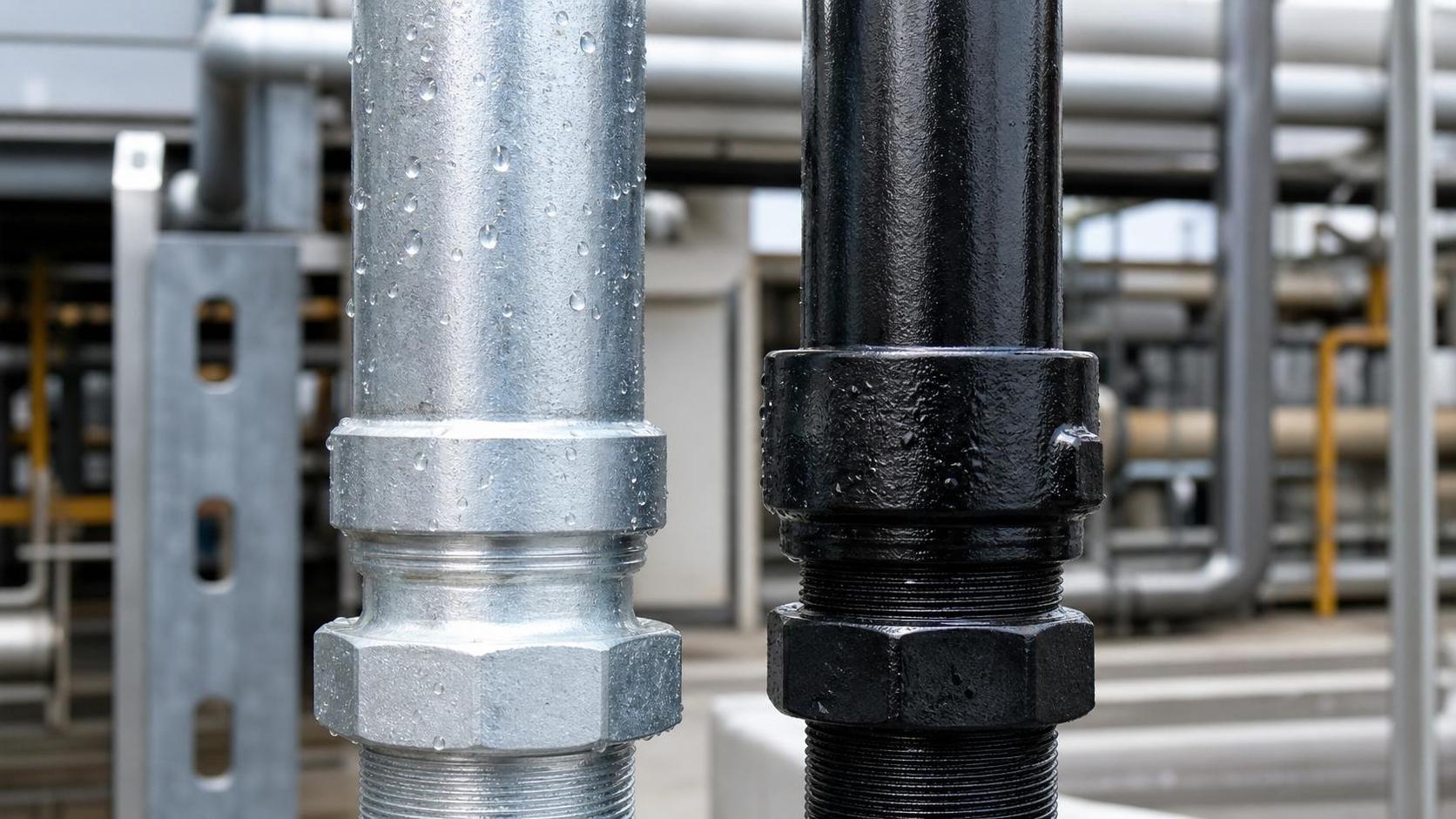
 Galvanized Pipe vs Black Pipe: Which One Fits Water, Gas, or Outdoor Lines?Galvanized pipe or black pipe? Compare the best choice for water, gas, and outdoor lines, with key insights on corrosion, codes, cost, and long-term performance.
 How to Choose Steel Roofing for Warehouses, Farms, and Residential BuildingsSteel Roofing selection depends on building type. Learn how warehouses, farms, and homes differ in corrosion, insulation, drainage, and cost for smarter roofing decisions.
 Hot-Dip Galvanized vs Pre-Galvanized Steel: Which Should You Specify?Hot-dip galvanized vs pre-galvanized steel: compare corrosion resistance, fabrication impact, cost, and standards to specify the right steel solution for durable, compliant projects.
Please give us a message


Please enter what you want to find