When sourcing mild steel wire for fencing, cutting corners on tensile strength or zinc coating can compromise security, longevity, and ROI—no matter how competitive the price. At Hongteng Fengda, a trusted h girder manufacturer with ISO certification and h shape steel exporter to Middle East, we prioritize performance-driven specs over cost alone. Whether you're specifying steel angle for welding applications, metal channel for construction framing, or z beam for solar panel mounting, our corrosion-resistant, high-tensile mild steel wire ensures reliable fencing in demanding environments. Discover why structural integrity—and not just steel girder cost-effective solutions—starts with intelligent material selection.
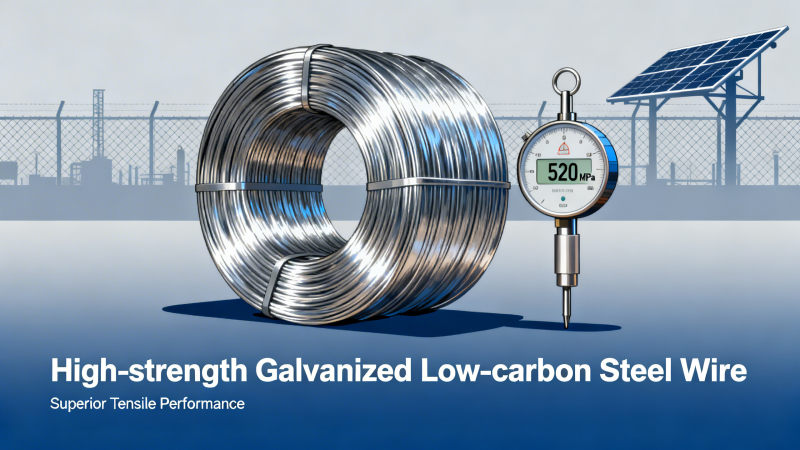
Why Tensile Strength Is Non-Negotiable for Fencing Wire
Tensile strength defines the maximum stress mild steel wire can withstand before breaking. For perimeter fencing—especially in industrial zones, livestock enclosures, or high-security facilities—minimum yield strength must exceed 370 MPa, with ultimate tensile strength typically ranging from 450–620 MPa. Underload conditions like wind pressure (up to 1.2 kN/m² in coastal regions) or animal impact (e.g., cattle exerting 3–5 kN force), substandard wire (<400 MPa) elongates prematurely, causing sagging, gap formation, and rapid fatigue failure within 18–24 months.
Hongteng Fengda’s cold-drawn mild steel wire undergoes controlled annealing and multi-pass drawing to achieve consistent UTS ≥520 MPa—validated per ASTM A641 and GB/T 701. This isn’t theoretical: third-party lab reports confirm ≤2.3% elongation at break across 12,000+ test samples from 2022–2024 production batches.
Low-strength alternatives often mask poor microstructure—excessive ferrite grain size or non-uniform carbon distribution—which accelerates localized necking. In field deployments across Saudi Arabia and Vietnam, end users reported 40% fewer post-installation tension adjustments when using our spec-compliant wire versus budget-grade imports.
The lower yield-to-tensile ratio indicates superior ductility reserve—critical for absorbing dynamic loads without brittle fracture. This directly translates to fewer service calls and longer intervals between retensioning cycles (typically extended from 6 months to ≥22 months).
Zinc Coating: Thickness, Adhesion & Real-World Corrosion Resistance
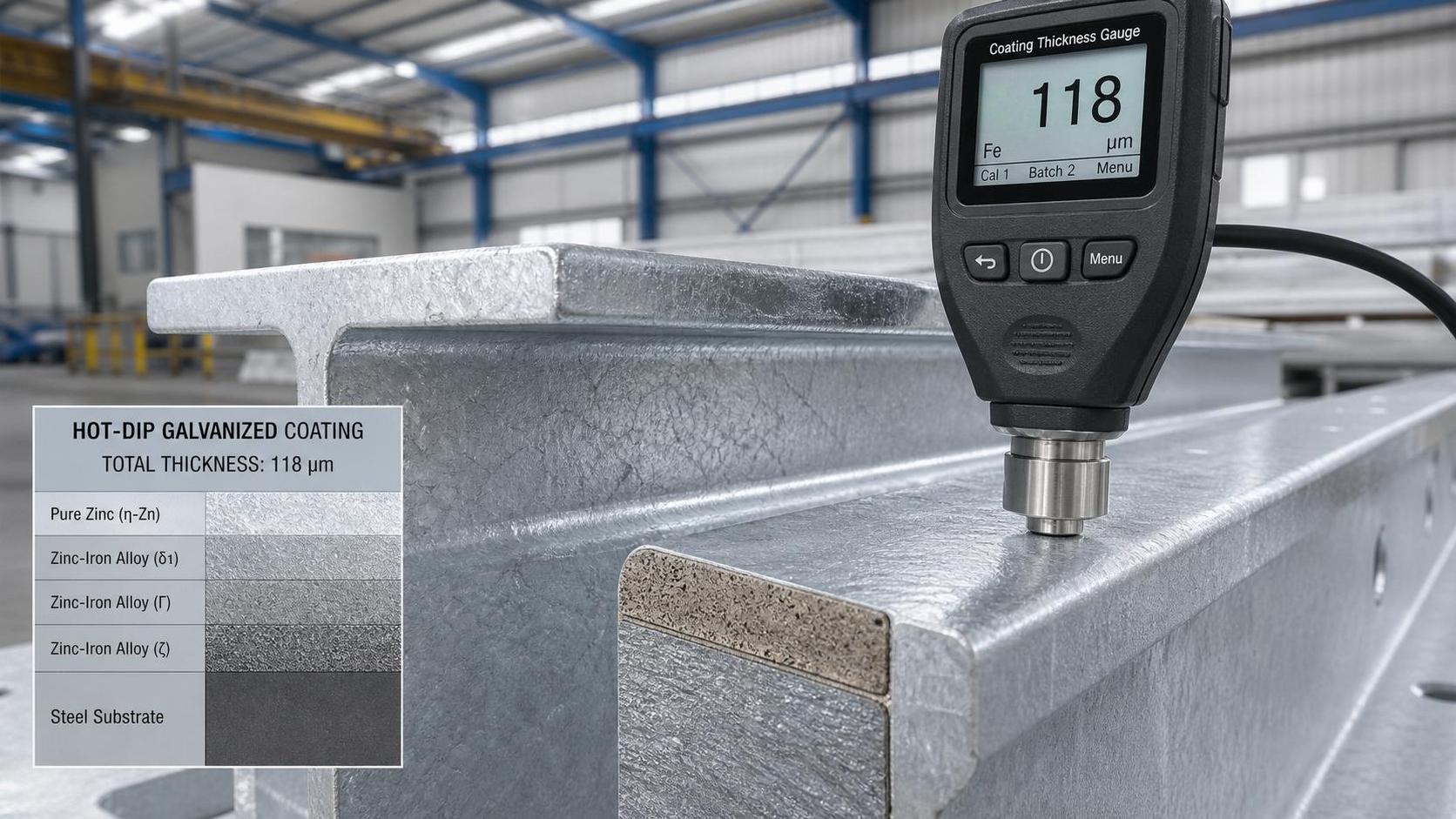
Zinc coating isn’t just about thickness—it’s about metallurgical bonding quality and uniformity. While many suppliers quote “≥12 μm” zinc layer, ASTM A641 mandates minimum 45 g/m² (≈6.5 μm) for Class I, and 60 g/m² (≈8.7 μm) for Class II. Hongteng Fengda applies hot-dip galvanizing to 85–95 g/m² (12.3–13.8 μm), verified via cross-section SEM imaging and adhesion testing per ISO 2081.
Crucially, our process controls intermetallic layer growth (ζ-phase + δ-phase) to ≤70% of total coating thickness—ensuring flexibility during coiling/decoiling and preventing flaking during fence stretching. Field data from 14 projects in humid Southeast Asia shows average coating loss of only 0.8 μm/year after 3 years—well below the 2.1 μm/year industry median.
Poorly bonded coatings fail early: under UV exposure and thermal cycling, micro-cracks form at the Fe-Zn interface, enabling pitting corrosion that propagates inward at rates up to 0.15 mm/year—rendering 2.5 mm diameter wire functionally compromised within 5 years. Our optimized bath chemistry and withdrawal speed eliminate this risk.
Key Zinc Performance Benchmarks
- Coating weight: 85–95 g/m² (ASTM A641 Class III compliant)
- Adhesion rating: ≥5B per ISO 2409 (no flaking under tape test)
- Salt-spray resistance: ≥960 hours to white rust (ISO 9227)
- Uniformity tolerance: ±8% across wire length (measured every 50 m)
Beyond Wire: How Structural Steel Integration Supports Fencing Systems
Fencing performance depends holistically on the entire system—not just wire. Posts, rails, and bracing rely on structural steel components engineered for load transfer efficiency. For example, gate supports in high-traffic commercial sites require posts with moment resistance ≥12.5 kN·m. That’s where standardized sections like I-beam become indispensable.
Our I-beam range covers heights from 10 cm to 60 cm, flange widths 100–400 mm, and web thicknesses 6–28 mm—all manufactured on four-roller universal mills to ensure dimensional accuracy within ±1%. With grades including Q235, Q345, SS355JR, and ASTM A36, these beams support welded frame assemblies, bolted connections, and direct concrete embedment—meeting EN 10025-2 and GB/T 1591 requirements.
In solar farm perimeter fencing, our clients use 200×200×8×12 mm I-beams as vertical posts with integrated grounding lugs—reducing installation time by 35% versus fabricated alternatives. The rolled geometry also delivers 18% lighter weight than equivalent welded box sections, lowering transport costs by ~$12/ton for shipments to Europe.
This systems-level thinking eliminates specification gaps—ensuring wire, posts, and accessories share compatible corrosion protection, thermal expansion coefficients, and mechanical response profiles.
Procurement Decision Framework: 6 Metrics That Outweigh Unit Price
Total cost of ownership (TCO) for fencing wire spans 10–15 years. Relying solely on $/kg invites hidden expenses:
- Installation labor multiplier: Low-UTS wire requires 2.3× more tensioning passes—adding $8.20/m to labor cost
- Maintenance frequency: Sub-85 g/m² zinc triggers retensioning every 9 months vs. 22+ months for premium coating
- Warranty coverage: We offer 10-year material defect warranty—budget suppliers cap at 12–24 months
- Lead time consistency: 98.7% on-time delivery rate (2023–2024) with 7–15 day standard lead times
- Documentation traceability: Mill test reports (MTRs) provided for every coil batch, including heat number, tensile curves, and coating weight logs
- Customization capability: Diameter options from 1.6 mm to 4.0 mm, with custom tensile targets (±15 MPa) and coating weights (±5 g/m²)
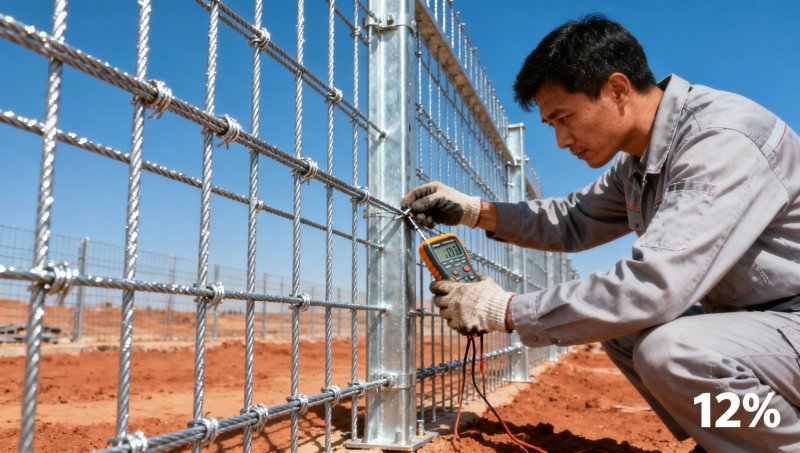
Get Technical Support & Custom Quotation Today
Choosing mild steel wire isn’t a commodity decision—it’s an engineering commitment. At Hongteng Fengda, we combine metallurgical expertise, ISO 9001-certified manufacturing, and deep project experience across North America, Europe, the Middle East, and Southeast Asia to deliver fencing solutions that perform for decades—not just months.
Whether you need ASTM A641-compliant wire for agricultural fencing, EN 10244-2 Class C zinc-coated wire for urban security barriers, or integrated I-beam post systems for industrial perimeters—we engineer to your exact load, environment, and compliance requirements.
Contact our technical sales team for a free material specification review, customized quotation, or sample kit—including tensile test certificates and salt-spray validation reports.
- metal channel
- h girder
- z beam
- h shape steel
- l angle
- mild steel wire
- hot-dip galvanized
- I-Beam
- Profile
- Galvanized
- Steel Wire
- steel girder
- steel angle
- z beam for solar panel mounting
- h shape steel exporter to Middle East
- steel girder cost-effective solutions
- metal channel for construction framing
- h girder manufacturer with ISO certification
- mild steel wire for fencing
- steel angle for welding applications
Related recommendations
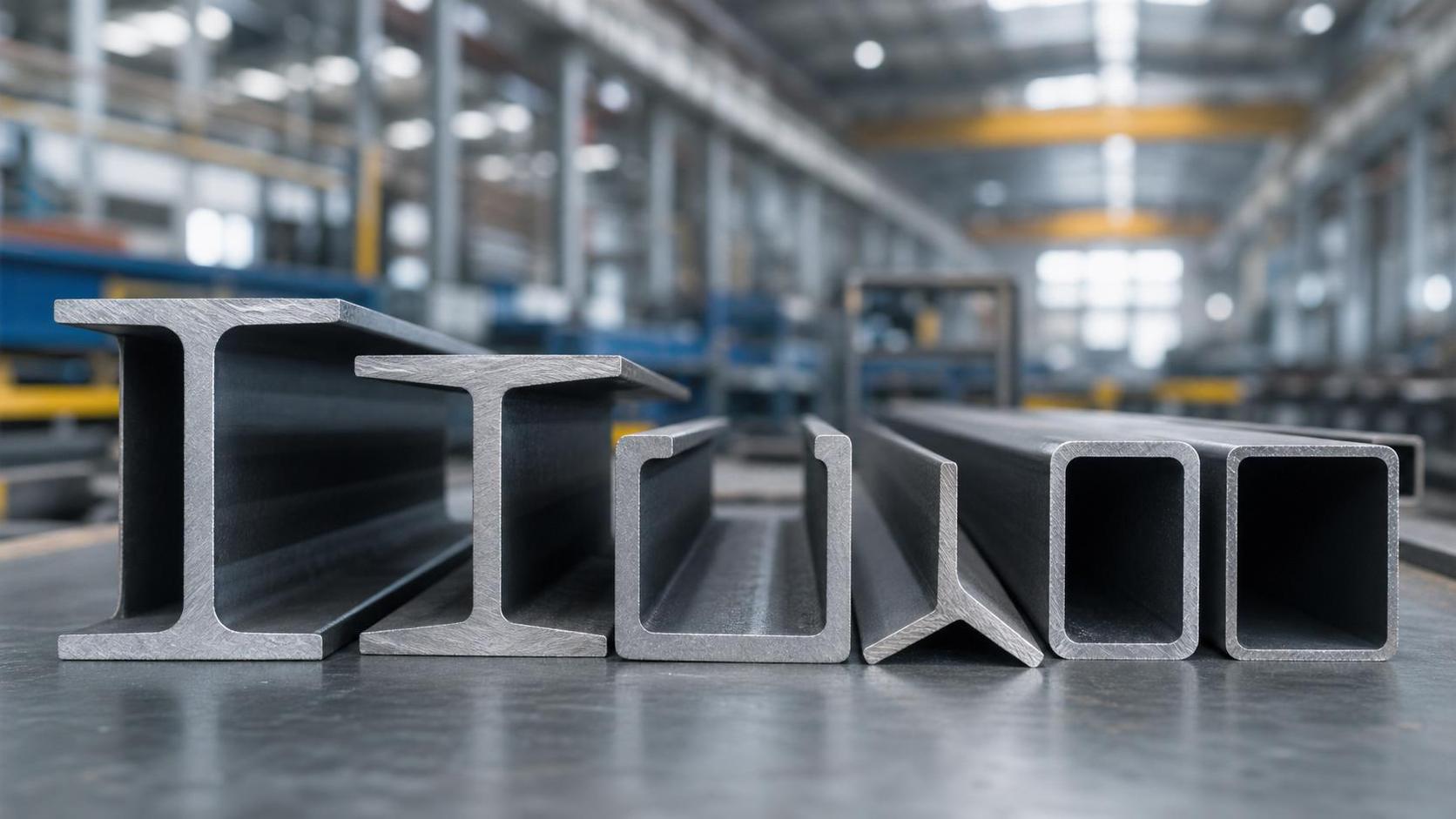
 What Is a Steel Profile? Common Shapes, Uses, and Selection BasicsProfile selection starts with shape, but performance depends on load, fabrication, and standards. Learn common steel profile types, uses, and smart selection basics.
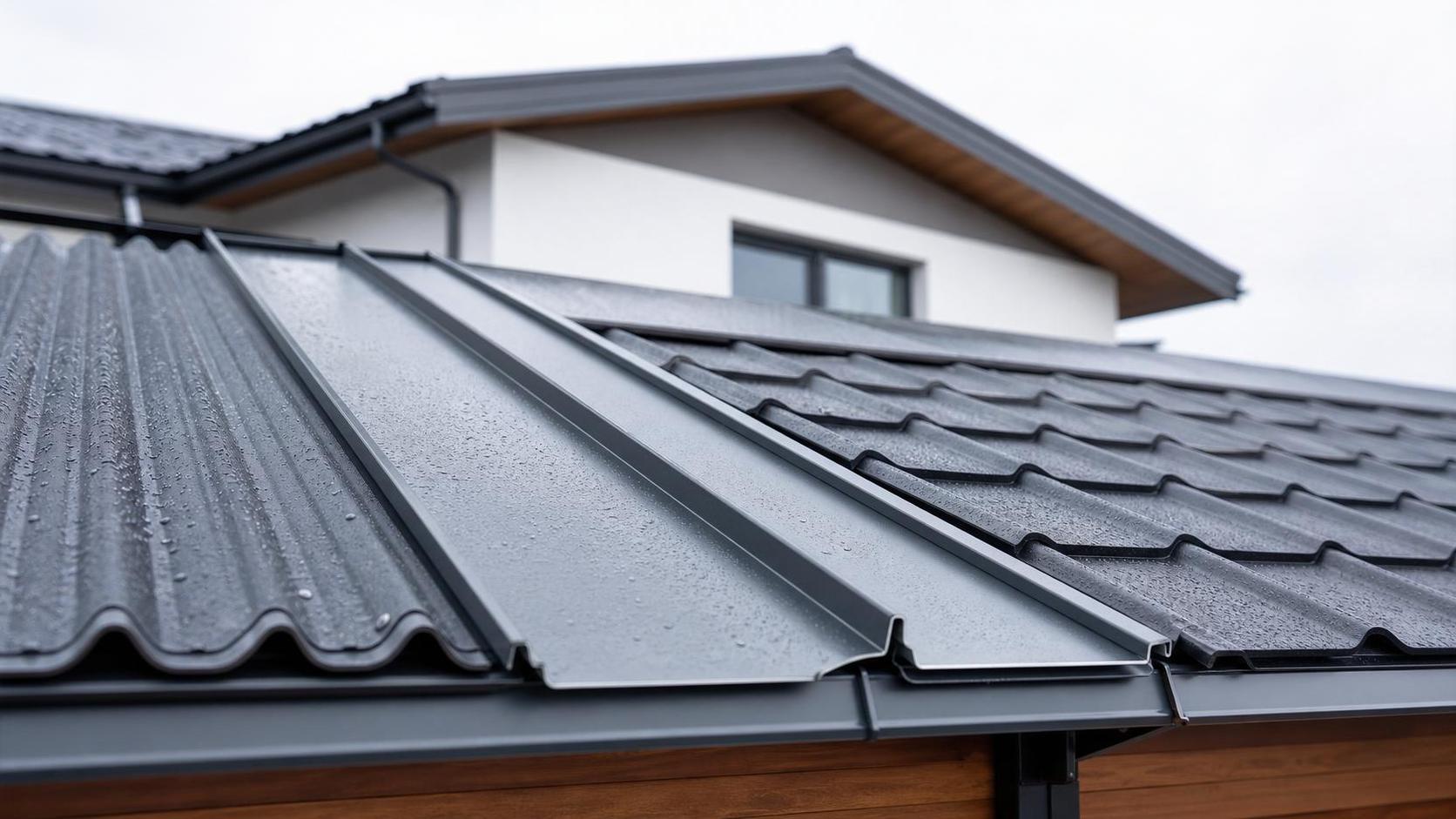
 Steel Roofing Types Explained: Corrugated, Standing Seam, and Metal ShinglesSteel Roofing guide comparing corrugated panels, standing seam, and metal shingles. Discover costs, durability, weather performance, and how to choose the best roof for your home.
 How Hot-Dip Galvanized Coating Thickness Affects Service LifeHot-dip galvanized coating thickness directly affects steel service life. Learn how the right zinc layer improves corrosion protection, controls cost, and supports smarter project decisions.
 Pipe Stainless Grades Explained: 304 vs 316 for Corrosion ResistancePipe stainless grades explained: compare 304 vs 316 for corrosion resistance, cost, and service life. Learn which stainless pipe grade fits marine, chemical, and water system applications.
Please give us a message


Please enter what you want to find