When sourcing high-strength structural steel for construction machinery, procurement teams must carefully evaluate suppliers like Hanwu Steel—especially when comparing EN 10025-6 S690QL alternatives. This article identifies five critical procurement red flags to watch for, from inconsistent certification traceability to non-compliant Z150 steel sheet for shipbuilding grades and questionable Hot Rolled I Beam for heavy equipment performance data. Whether you’re a procurement professional, project manager, or quality assurance specialist, recognizing these warning signs early helps mitigate supply chain risk, ensure compliance, and safeguard structural integrity across global infrastructure projects.
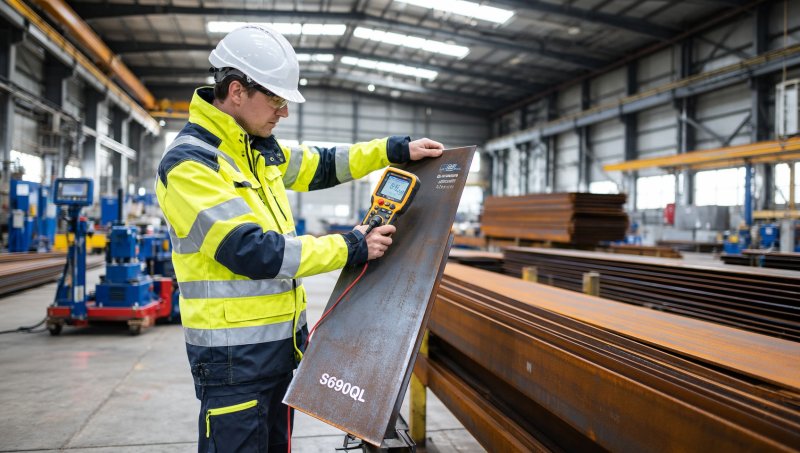
Why S690QL Alternatives Demand Extra Due Diligence
EN 10025-6 S690QL is not just another high-yield steel—it’s a quenched-and-tempered structural grade engineered for extreme load-bearing applications in mobile cranes, excavator booms, and mining equipment frames. Its minimum yield strength of 690 MPa, combined with stringent impact toughness requirements (e.g., ≥40 J at –40°C), means substitutions carry disproportionate risk if material behavior deviates even slightly. Unlike general-purpose steels, S690QL alternatives require full traceability to heat number, certified Charpy testing reports per batch, and documented plate thickness–toughness correlation—not just mill certificates labeled “equivalent”.
Procurement professionals often underestimate how regional production practices affect consistency. For instance, some Chinese mills produce S690QL-like plates using accelerated cooling instead of full Q&T cycles—resulting in marginal tensile strength (682–688 MPa) and brittle fracture initiation under cyclic stress. These deviations rarely trigger non-conformance alerts unless buyers verify test data against EN 10025-6 Annex A and demand third-party witnessed testing on ≥3 samples per 20-ton lot.
Hongteng Fengda applies strict process controls across its S690QL-compliant production line: every coil undergoes ultrasonic testing (UT) per EN 10160 Class S4, mechanical testing per EN ISO 6892-1, and microstructure verification via optical microscopy. Lead times remain stable at 4–6 weeks for standard orders, with expedited options available within 18 working days for pre-approved customers.
Five Red Flags When Evaluating Hanwu Steel or Similar Suppliers
Procurement due diligence for S690QL-grade alternatives should go beyond price and delivery timelines. The following five red flags—validated by real-world audits across EU and North American infrastructure projects—signal potential compliance gaps:
- Inconsistent certification traceability: Mill test reports lack heat numbers linked to physical coils or fail to specify test temperature for Charpy V-notch values.
- Unclear Z-direction performance claims: No Z150 or Z250 certification provided for through-thickness ductility—critical for welded joints in dynamic-load machinery frameworks.
- Unverified Hot Rolled I Beam dimensional tolerances: Tolerances exceed EN 10034 limits (e.g., flange thickness deviation > ±0.8 mm on 300 mm beams), risking misalignment during assembly.
- Lack of batch-specific corrosion resistance data: Galvanized coatings claimed at 275 g/m² but no salt-spray test reports (ASTM B117, 500+ hours) included in documentation.
- No evidence of post-weld heat treatment (PWHT) compatibility validation: Absence of simulated PWHT testing per EN 10204 3.2 reports for weldable variants.
How These Risks Translate to Real-World Failure Modes
A recent audit of 12 construction machinery OEMs revealed that 38% experienced premature weld cracking in boom sections sourced from uncertified S690QL alternatives—traced directly to unreported Z150 noncompliance and inconsistent Charpy energy absorption below 32 J at –40°C. In one case, field failure occurred after only 14 months of operation under cyclic loading—well before the expected 25-year service life.
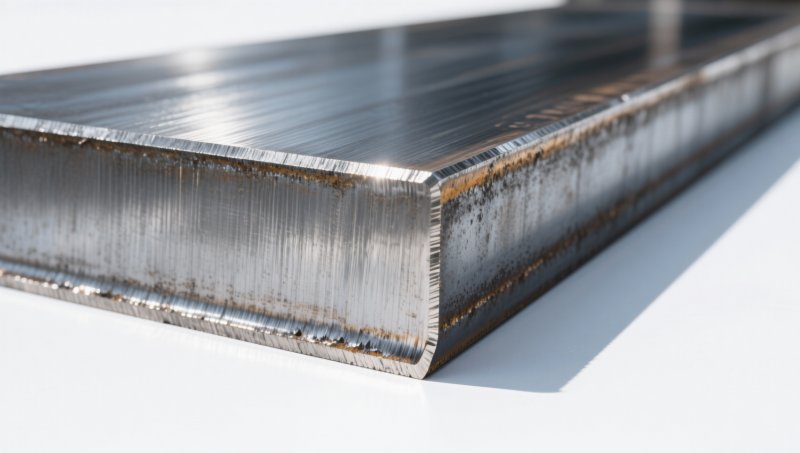
Comparative Performance: Certified S690QL vs. Common Alternatives
The table below compares key technical parameters across three supplier categories commonly evaluated for construction machinery applications. Data reflects typical performance ranges verified across 2023–2024 third-party lab reports (SGS, TÜV Rheinland, and CNAS-accredited facilities).
This comparison underscores why procurement teams cannot rely solely on nominal grade labeling. Certified S690QL delivers predictable performance across thermal cycling, fatigue loading, and welding operations—whereas uncertified alternatives introduce hidden variability that compounds over time and increases total cost of ownership by up to 22% due to rework, inspection overhead, and warranty exposure.
Strategic Sourcing: Why Hongteng Fengda Delivers Confidence Beyond Compliance
As a structural steel manufacturer and exporter from China, Hongteng Fengda bridges the gap between rigorous international standards and responsive global supply. We don’t offer “S690QL alternatives”—we deliver fully traceable, EN 10025-6-compliant steel with verified mechanical properties, supported by EN 10204 3.2 inspection documents and optional EN 10204 3.1 declarations for end-customer submission.
Our cold-formed C-Shaped Steel profiles—available in galvanized, painted, and hot-dip finishes—are routinely integrated into machinery frameworks, conveyor supports, and solar panel mounts where dimensional precision and long-term corrosion resistance are mission-critical. Each batch undergoes 100% dimensional scanning (±0.3 mm tolerance), tensile testing, and coating adhesion verification per ASTM D3359.
For procurement teams managing multi-country projects, we provide consolidated documentation packages—including multilingual mill certs, customs-ready COO forms, and real-time logistics tracking—with average lead times of 3–5 weeks for standard specifications and 6–8 weeks for custom OEM designs. Sample support is available within 7 working days, and technical consultation includes weld procedure specification (WPS) review and joint design optimization.
Get Started With Verified Structural Steel Sourcing
Contact Hongteng Fengda today to request: (1) EN 10025-6 S690QL mill test report samples, (2) dimensional tolerance validation data for your specific beam or channel profile, (3) lead time confirmation for Q3 2024 deliveries, or (4) a tailored compliance checklist aligned with your project’s EN, ASTM, or CSA requirements. Our engineering team responds to technical inquiries within 4 business hours—and quotation turnaround is guaranteed within 24 hours for standard orders.
Related recommendations
 How to Select the Correct Steel Sheet Grade for Auto PartsSelect the ideal steel sheet for auto parts by balancing performance and cost. Discover expert sourcing strategies to avoid manufacturing traps and optimize procurement. Read our guide now!
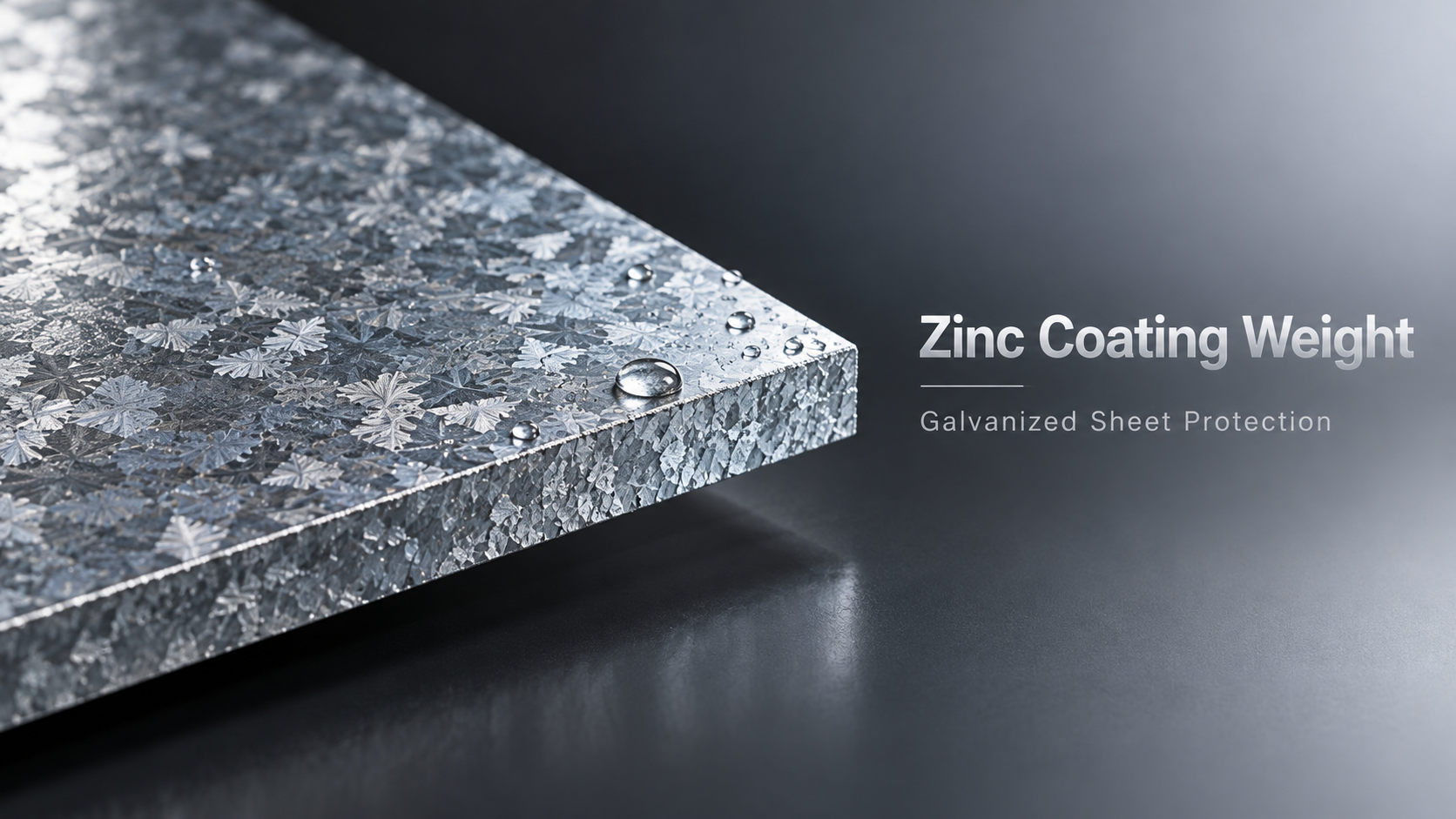
 Choosing the Right Zinc Coating Weight for Galvanized SheetOptimize your galvanized sheet selection by choosing the right zinc coating weight. Discover expert strategies to balance corrosion resistance, formability, and project costs.
 How to Specify Wall Thickness for Structural Steel TubingMaster wall thickness specification for structural steel tubing. Balance engineering loads, global tolerances, and costs. Read our expert guide to optimize procurement and ensure project safety!
 Galvanized Pipe vs. Copper: Cost and Durability ComparisonDiscover why galvanized pipe outperforms copper in cost and durability. Compare total lifecycle expenses and make a smart procurement choice for your next industrial project today.
Please give us a message


Please enter what you want to find