Introduction: Making the Right Material Decision
Choosing between carbon steel for chemical plants and stainless options is a key decision that influences safety, durability, and cost-efficiency in industrial projects. As a structural steel manufacturer and exporter, Hongteng Fengda provides expert insights into material selection, comparing performance and lifecycle costs. Whether you need Steel Channel for shelving systems, steel sheet for roofing, or steel rebar for infrastructure projects, understanding these differences helps buyers and project managers make smarter, value-driven choices for modern construction and manufacturing demands. The selection of structural materials does not simply determine initial project budgets—it defines long-term reliability, maintenance requirements, and compliance with global standards such as ASTM, EN, JIS, and GB. For engineers, procurement teams, and safety professionals, gaining a clear understanding of the trade-offs between carbon steel and stainless steel options ensures that every investment in materials aligns with operational performance, environmental conditions, and design intent. This article offers an in-depth analysis focusing on how Hongteng Fengda’s structural products, such as beams, channels, and profiles, deliver both cost control and engineering performance across sectors including chemical processing, energy, and infrastructure development.
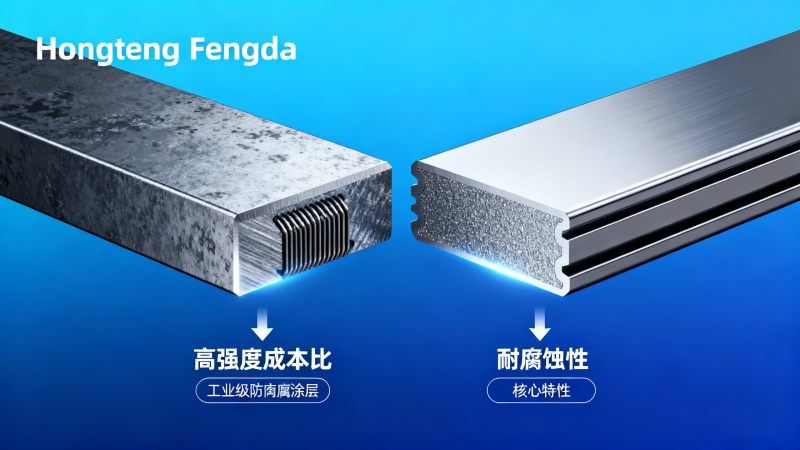
Material Characteristics: Carbon Steel vs Stainless Steel in Chemical Environments
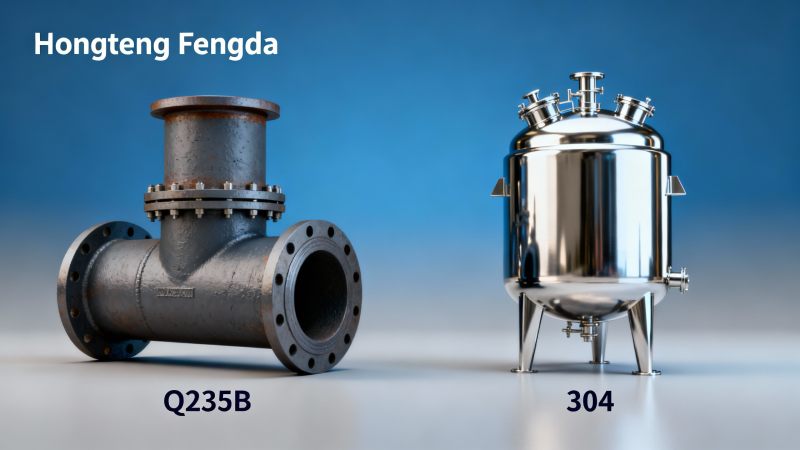
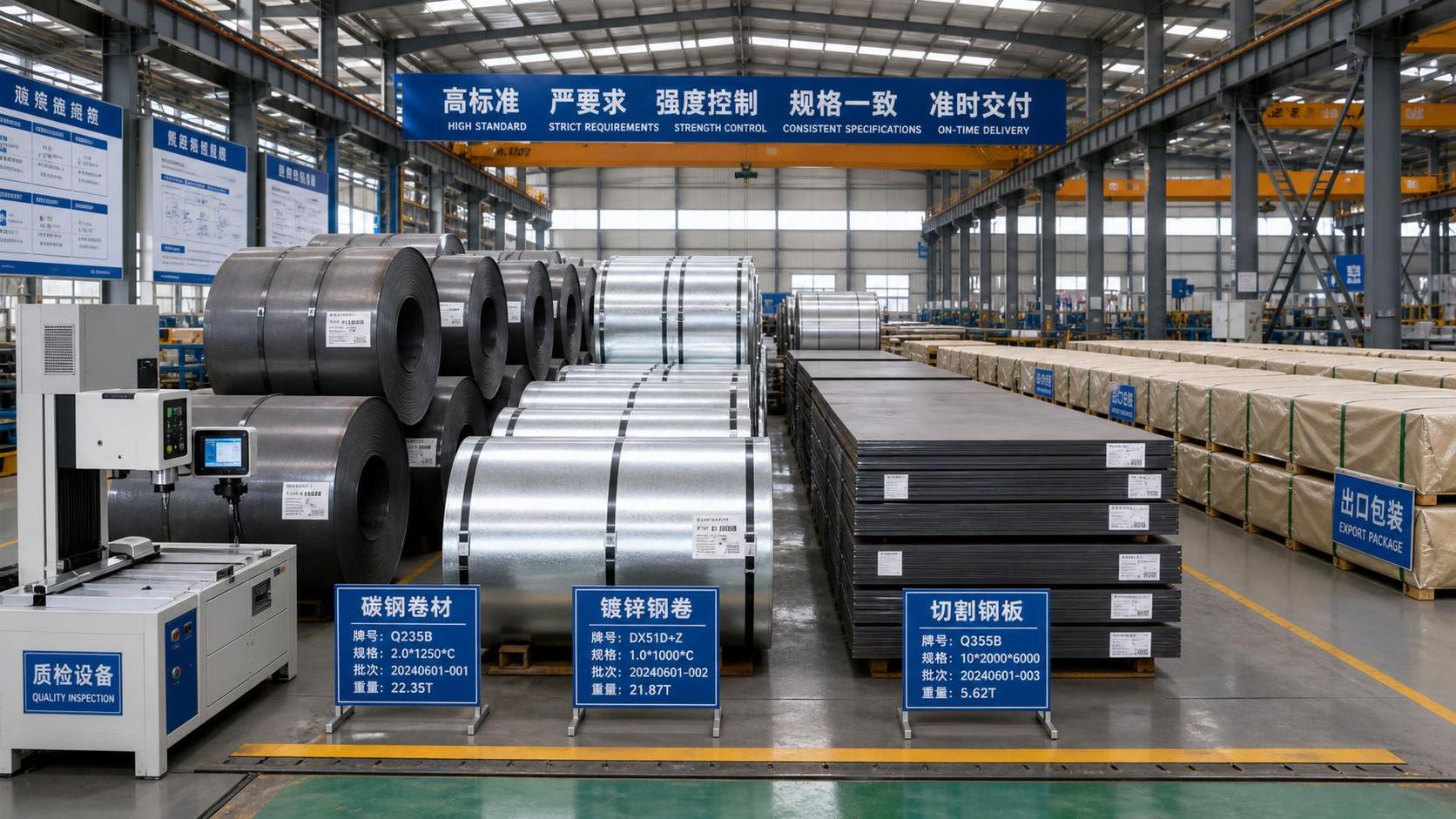
Carbon steel for chemical plants is valued for its high strength-to-cost ratio, weldability, and adaptability in large-scale construction. Grades such as Q235B, Q345B, and ASTM A36 are widely adopted for pressure vessels, piping supports, tanks, and mechanical frames where operational temperatures and stresses are stable. The material’s main advantage lies in its affordability and versatility—carbon steel components are easier to fabricate, cut, and assemble, which greatly reduces project turnaround times. However, in environments with high levels of corrosion—such as those exposed to acids, alkalis, or moist air—carbon steel requires additional coatings or linings to ensure longevity. In contrast, stainless options like 304 or 316 series offer superior corrosion resistance due to chromium oxide layers that self-heal when scratched. Yet, these properties come with a cost premium that can range between 30% to 70% higher than carbon steel depending on market conditions.
Procurement professionals managing budgets for chemical and industrial projects must evaluate not only the material prices but also total ownership costs, including maintenance cycles, downtime, and potential replacement intervals. For example, components such as steel bar for transmission towers or steel profile for stadium construction rely more on dynamic load capacity rather than corrosion resistance, making carbon steel a pragmatic option. On the other hand, stainless steel becomes preferable in fluid systems handling aggressive chemicals where long-term safety outweighs initial savings. By aligning these material characteristics with specific operational conditions, Hongteng Fengda helps plants and engineering contractors build resilient, compliant structures without compromising economic efficiency.
Lifecycle Cost and Maintenance Considerations
In any industrial project, understanding the lifecycle cost of materials is as important as evaluating their upfront price. Carbon steel for heavy machinery and construction applications tends to offer low initial investment, yet it may incur recurring costs related to corrosion protection, repainting, and maintenance inspections. Coatings such as galvanization or epoxy provide excellent protection, extending the life of steel rebar for highway construction and steel pile for riverbank protection. Still, these protective layers require proper surface preparation and periodic renewal. In contrast, stainless steel, with its inherent chemical stability, eliminates most coating expenses. Its passive layer effectively shields against both moisture and oxidizing agents, allowing for longer maintenance intervals.
However, the return on investment for stainless steel largely depends on exposure severity and expected service life. In moderate environments, coated carbon steel components—such as Steel Channel for mezzanine flooring or structural Z-shaped profiles—often perform adequately for decades, especially when supported by modern anticorrosion technologies. Hongteng Fengda provides well-documented production records and third-party certifications (CE, SGS, BV, ISO), assuring contractors that each product meets engineering standards. A balanced maintenance plan that includes surface inspection schedules can achieve reliability comparable to stainless steel at significantly lower overall cost, making carbon steel an intelligent compromise for a broad range of infrastructure projects.
Performance Insights: Case Applications Across Sectors
The real-world performance of carbon and stainless steels becomes evident in multi-sector project case studies. For instance, in petrochemical facilities where pipelines and reaction vessels operate under controlled internal pressures, carbon steel components with specialized coatings have proven economic and dependable. Hongteng Fengda’s customized fabrication, including elements like Z-beam profiles, has supported international clients in designing high-strength structural frameworks for steel structure construction purlins, wall beams, and lightweight roofs. Manufactured from materials such as Q345B, Q420C, and SS400, these profiles are available in zinc or silver coatings, with precise thickness (6–25mm) and tolerances within ±1%. The result is a product line precisely aligned with global engineering requirements for workshops and mechanical structures.
For other industrial environments—such as water treatment plants, offshore platforms, and transport infrastructure—Hongteng Fengda’s steel rebar for infrastructure projects and steel sheet for roofing deliver adaptable solutions. While stainless steel may dominate high-exposure applications with chloride or acid compounds, carbon steel continues to dominate medium-duty assemblies thanks to its flexibility and optimization potential through galvanization, perforation, or welding refinement. Projects involving steel bar for transmission towers or steel profile for stadium construction depend on load-bearing rather than chemical exposure qualities; hence, properly finished carbon steel material maintains reliability and simplifies logistics. As end users review these project types, comparing performance histories across different climate zones and regulatory markets demonstrates how structured specifications can govern product longevity and cost-effectiveness simultaneously.
Market Trends and Sustainable Development of Structural Steel
Current global steel market dynamics show an increasing demand for sustainable products that combine mechanical performance with environmental responsibility. Both carbon and stainless steel sectors are adapting to stricter environmental standards, emphasizing low-carbon manufacturing and circular economy practices. Hongteng Fengda contributes to this transformation by optimizing raw material selection, recycling processes, and adopting energy-efficient production methods. For example, steel profiles used in public infrastructure or renewable energy facilities follow international codes ensuring minimal waste generation during fabrication.
Construction firms focusing on long-term sustainability often evaluate how recyclable materials influence total project sustainability ratings. Carbon steel fits well within this objective, as it can be reprocessed without losing mechanical integrity. Stainless steel is also fully recyclable, but due to alloy content, remelting often requires specialized facilities, increasing its carbon footprint per unit. As more clients adopt lifecycle assessment frameworks, Hongteng Fengda assists decision-makers in achieving sustainability targets without compromising project feasibility. The company’s design flexibility extends to auxiliary systems, where products like color steel tile, rock wool sandwich panels, and floor decks support comprehensive steel solutions compatible with green building certification requirements. Furthermore, extensions such as the galvanization-coated Z-beam can enhance light manufacturing beams, brackets, or mechanical columns in ways that optimize both operating efficiency and environmental compliance.
Practical Recommendations for Buyers and Project Managers
When balancing performance with budget, project managers should establish a material selection matrix based on exposure level, mechanical stress, maintenance accessibility, and compliance requirements. For most process plants and warehouse structures, carbon steel for chemical plants remains the primary option due to its low investment threshold, standard availability, and simplicity of fabrication. Stainless steel alternatives are best reserved for sections facing continuous chemical exposure, high heat, or stringent hygiene standards. To achieve maximum efficiency, procurement departments should also consider supplier reliability, sourcing logistics, and documentation completeness. Hongteng Fengda supports partners through traceable quality assurance protocols, stable lead times, and global export experience across North America, Europe, the Middle East, and Southeast Asia.
Users seeking versatile steel products for construction and industrial assembly can coordinate orders across different product categories: Steel Channel for shelving systems in logistics buildings, steel sheet for roofing in manufacturing plants, or steel pile for riverbank protection in infrastructure defense projects. Integrated sourcing ensures consistency in material quality, welding performance, and structural alignment, ultimately reducing overall procurement risks. For large-scale chemical facilities, combining diverse sections of structural steel components into modular frameworks not only cuts down construction cycles but also facilitates easier inspection and replacement in maintenance routines. The cost-to-benefit ratio further improves when clients adopt standardized products verified under GB50018-2002 processing standards, assuring predictable mechanical strength and safe load distribution under dynamic operation.
Conclusion: Partnering with Hongteng Fengda for Long-term Value
Selecting the ideal material between carbon steel and stainless steel requires thorough assessment of performance conditions, lifecycle costs, and sustainability goals. For environments with moderate chemical exposure or demanding structural loads, carbon steel—especially in configurations such as Steel Channel for mezzanine flooring or reinforced rebar systems—delivers robust performance with manageable maintenance overheads. Stainless steel, while pricier, excels in corrosion-critical applications or zones requiring minimal contamination risk. Hongteng Fengda’s comprehensive product portfolio empowers buyers, engineers, and contractors to make informed choices based on precise engineering support and proven manufacturing expertise.
As a leading Chinese structural steel manufacturer and exporter, Hongteng Fengda ensures that its materials, from beams and angles to customized profiles, consistently exceed client expectations in quality and supply reliability. Certified under CE, SGS, BV, and ISO frameworks, the company’s production systems meet the standards demanded by global projects across industrial, infrastructure, and energy sectors. By offering OEM solutions and bespoke fabrication services, Hongteng Fengda maximizes efficiency, reduces delays, and guarantees performance integrity throughout a component’s service life. Whether your next project involves a high-load industrial complex, a chemical treatment facility, or a modern sports arena, you can count on Hongteng Fengda to provide the steel strength behind your strategic vision. Contact our technical and sales specialists today to learn more about customized structural solutions and start building your next generation of durable, cost-effective steel systems.
- steel i
- ASTM A36
- structural steel
- steel profiles
- Steel structure construction
- Structural Steel
- Profile
- Rebar
- Z-beam
- Steel Channel
- carbon steel
- steel sheet
- steel rebar
- steel profile
- steel pile
- steel bar
- steel rebar for infrastructure projects
- carbon steel for heavy machinery
- Steel Channel for mezzanine flooring
- steel bar for transmission towers
- steel pile for riverbank protection
- steel profile for stadium construction
- steel rebar for highway construction
- steel sheet for roofing
- carbon steel for chemical plants
- Steel Channel for shelving systems
Related recommendations
 Galvanized Pipe Manufacturer Selection: Zinc Coating, Tolerance, and ComplianceGalvanized pipe manufacturer selection guide: compare zinc coating quality, tolerance control, and compliance to reduce risk and choose a supplier that delivers reliable steel products.
 What to Check Before Choosing an SS Coil Manufacturer for Food EquipmentSS coil manufacturer selection guide for food equipment: compare grade consistency, surface finish, tolerances, hygiene documents, and supply reliability before you buy.
 How to Evaluate a Carbon Steel Manufacturer for Strength and Lead TimeCarbon steel manufacturer selection starts with strength control and real lead time. Learn how to compare quality systems, standards, specs, and export readiness before you buy.
 Buy 304 Stainless Steel Wire 0.5mm Soft: What to Check Before Placing an OrderBuy 304 stainless steel wire 0.5mm soft with confidence. Learn what to check on grade, tolerance, finish, softness, and supplier quality before ordering.
Please give us a message


Please enter what you want to find