Choosing Hanwu Steel Suppliers: Key Verification Points for Procurement Managers in 2026
As global demand for high-strength materials continues to rise, procurement managers evaluating Hanwu Steel suppliers in 2026 must focus on key verification points such as product compliance, reliability, and R&D capabilities. From Z150 steel sheet for military applications to Hot Rolled I Beam for structural support, C section steel for trailer manufacturing, and ASTM steel beam for industrial shelving, ensuring the right structural steel partner like Hongteng Fengda can define project success across construction, automotive, and shipbuilding industries.
Understanding the 2026 Structural Steel Procurement Landscape
The global steel industry is projected to exceed 2.1 billion metric tons in 2026, reflecting steady growth of approximately 3.5% annually. This surge is driven by infrastructure investment, renewable energy projects, and modular construction trends. For procurement managers, these dynamics mean stricter quality benchmarks, diversified supply channels, and the need for verified compliance with standards such as ASTM A992 or EN 10025.
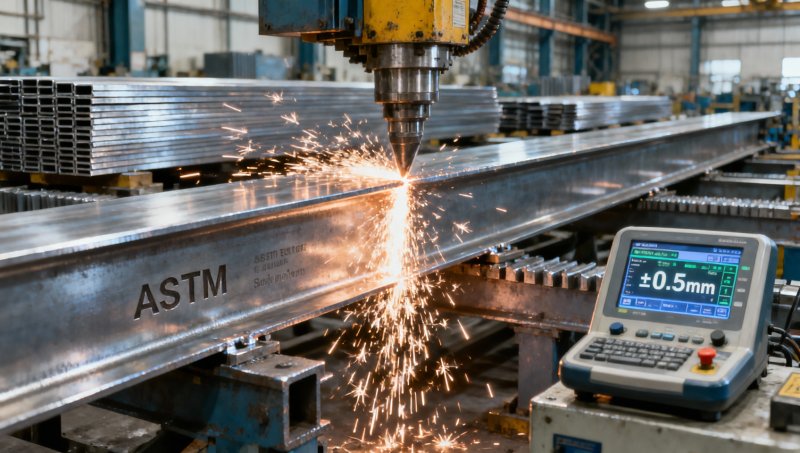
Selecting a Hanwu Steel supplier requires more than cost comparison. Factors like tolerance control (±0.5 mm – ±1.5 mm), tensile strength consistency (400–700 MPa range), and lead times within 20–35 days determine whether the material will meet a project’s precision and efficiency requirements. Local stocking capacity and export documentation efficiency also play an increasing role in risk mitigation.
Hongteng Fengda, a Chinese-based structural steel manufacturer and exporter, addresses these shifting conditions by offering angle steel, channel steel, steel beams, cold-formed profiles, and customized sections. With compliance across ASTM, EN, JIS, and GB standards, it supports international projects from high-rise buildings to heavy machinery platforms.
The table below summarizes major market expectations for structural steel delivered to international projects in 2026:
These parameters highlight how procurement verification now extends into performance-based criteria rather than only catalog specification checks. Procurement managers evaluating 2026 suppliers should verify lab test data and certification traceability before approving material sources.
Verification Points for Hanwu Steel Suppliers
Sourcing steel in 2026 involves evaluating at least six technical and managerial dimensions. Beyond ISO 9001 certified processes, buyers must assess metallurgical consistency, R&D responsiveness, and production automation level. Below are four essential verification categories procurement specialists should prioritize:
1. Material Certification and Traceability
A compliant supplier should provide mill test certificates referencing standards such as ASTM A252 Gr.2–Gr.3 and GB/T 700 Q235. Each batch must show heat number traceability and chemical composition within 0.05–0.25 %C and ≤1.65 % Mn. For example, Hongteng Fengda’s in-house laboratory conducts multiple-stage analysis ensuring Fe purity ≥ 98.5 % and surface defect rate < 0.5 %.
2. Manufacturing Precision and Surface Protection
Advanced rolling lines and CNC finishing ensure straightness tolerance less than ±0.8 mm/m. Protective treatments such as oiling, passivation, or lacquer sealing minimize oxidation during transit lasting 45–90 days over long-sea shipping. The inclusion of galvanized and phosphated layers extends average shelf life by 25–40 % under humid storage conditions.
3. Capacity and Lead-Time Control
Reliable suppliers maintain consistent monthly production capacity, typically above 3,000 tons of structural sections and 5–12 days inspection cycles. Procurement teams should examine ERP-integrated scheduling and see if the supplier meets on-time delivery rates exceeding 95 % in the last 12 months. Hongteng Fengda, for instance, maintains stable export logistics to North America and Europe with flexible 20–40 ft container shipment options.
4. R&D Responsiveness
Innovation capability takes center stage as new codes, such as Eurocode 4:2024 revisions, introduce stricter fatigue test procedures. Suppliers investing more than 3 % of annual revenue into R&D are better equipped to customize non-standard profiles, integrate welding enhancements, or simulate stress patterns digitally using finite element tools.
Before finalizing supply agreements, buyers should request a technical dossier comprising at least three pages of test data, recent calibration certificates, and welding qualification records for material categories across S235JR–S355JR grades.
Integrating Product Evaluation Within Supplier Assessment
One effective way to cross-check supplier claims is to benchmark a specific product line. A practical reference item in build and industrial fabrication is the Carbon Steel Round Bar. These bars, available in grades like 10#, 20#, 45#, S235JR, S355JR, or 30CrMo, demonstrate a supplier’s capability in heat treatment, dimensional control, and finishing diversity.
Typical diameters range from 5 mm to 2500 mm, with lengths of 2 m, 5 m, 6 m, and 12 m. The product’s applications cover handrails, staircases, and construction fittings. Surface options—passivation, phosphating, or black painting—indicate processing maturity. For procurement validation, tensile strength over 520 MPa and wear resistance above standard index 1.0 are practical thresholds.
When evaluating such products, the following comparative table helps identify which supplier’s process design delivers more value across project types:
The findings determine if a supplier can ensure mechanical stability under varying load conditions and environmental exposure. Verified product lines such as Carbon Steel Round Bar become benchmarks for judging production discipline and continuous improvement across multiple steel grades.
Common Procurement Risks and Mitigation Strategies
Procurement managers face recurring risks in global steel sourcing—from documentation inconsistencies to shipping delays. Approximately 18 % of international buyers report surface oxidation issues due to packaging gaps, and nearly 12 % encounter dimensional deviations exceeding tolerance. Mitigation requires both procedural diligence and supplier collaboration.
- Establish a 5‑step incoming inspection: dimensional check, hardness test, certificate validation, visual surface review, and coating test.
- Include penalty clauses for deviation beyond ±1 % of contractual value for tensile metrics.
- Adopt dual-source models when annual consumption exceeds 5,000 tons to maintain stability during raw-material volatility.
- Request loading photos and third-party pre-shipment reports, especially for sea routes exceeding 30 days.
Another overlooked area is after-sales metallurgical support. A robust supplier provides consultation within 48 hours of delivery to guide on‑site welding temperatures (typically 180 ℃ – 220 ℃ for medium carbon steel) and corrosion inhibitor recommendations suitable for coastal climates.
Global Compliance and Future Readiness
By 2026, international trade compliance for steel will increasingly reference dual certification—ASTM & EN or JIS & GB—to facilitate multi-region approvals. Buyers targeting North American markets must ensure the supplier’s quality documents include mechanical and chemical equivalence mapping. Hongteng Fengda’s documentation cross-references ASTM A36 to EN S235JR and provides full digital access via QR‑coded certificates for traceability.
Suppliers equipped with digital QC systems reduce inspection lead time by 30–40 %, enabling procurement managers to shorten total sourcing cycles from 45 days to around 25 days. Cloud-linked data retention also helps in audit preparation as environmental and carbon‑intensity disclosures become mandatory under ISO 14067 frameworks.
Future-ready steel partners are those embracing smart manufacturing—AI‑assisted defect detection systems, automated straightening machinery, and predictive maintenance reducing downtime by up to 15 %. Procurement decisions in 2026 should mirror this digital competency, integrating long-term sustainability into cost and reliability metrics.
Conclusion and Procurement Action Guide
Selecting the right Hanwu Steel supplier in 2026 requires systematic verification of technical quality, performance traceability, and service coordination. Buyers should prioritize features such as stable tensile strength, strict dimensional accuracy, global compliance, and transparent R&D investment. Hongteng Fengda, as a structural steel manufacturer and exporter, exemplifies these principles through its globally certified production, customized delivery capabilities, and responsive technical support.
Procurement teams can achieve up to 20 % cost efficiency and 30 % schedule improvement when partnering with suppliers maintaining cross‑standard documentation and automated inspection cycles. Whether sourcing H‑beams, channels, or precision round bars, the focus should remain on evidence-based verification rather than price alone.
To ensure long-term project reliability and compliance—contact Hongteng Fengda today to request detailed technical data sheets, customized quotations, and global logistics solutions tailored to your 2026 procurement plan.
- channel steel
- steel i
- angle steel
- steel supplier
- steel suppliers
- Z150 steel sheet
- Hot Rolled I Beam
- Hanwu Steel
- structural steel
- steel beams
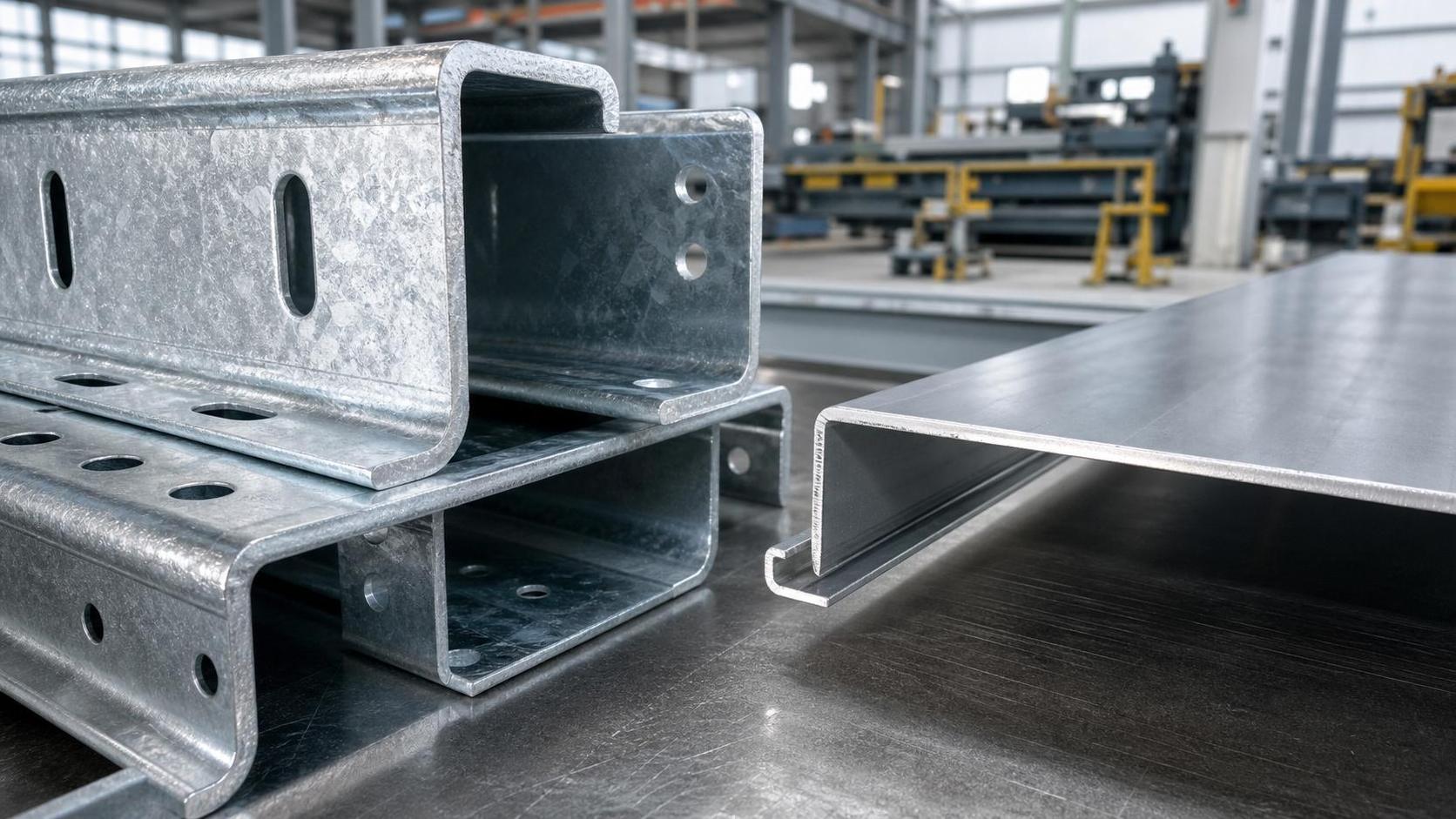
- C section steel
- ASTM steel beam
- Structural Steel
- Steel Beams
- Profile
- S355JR
- Galvanized
- Steel Beam
- carbon steel
- steel sheet
- steel round bar
- ASTM steel beam for industrial shelving
- C section steel for trailer manufacturing
- Hot Rolled I Beam for structural support
- Z150 steel sheet for military applications
Related recommendations
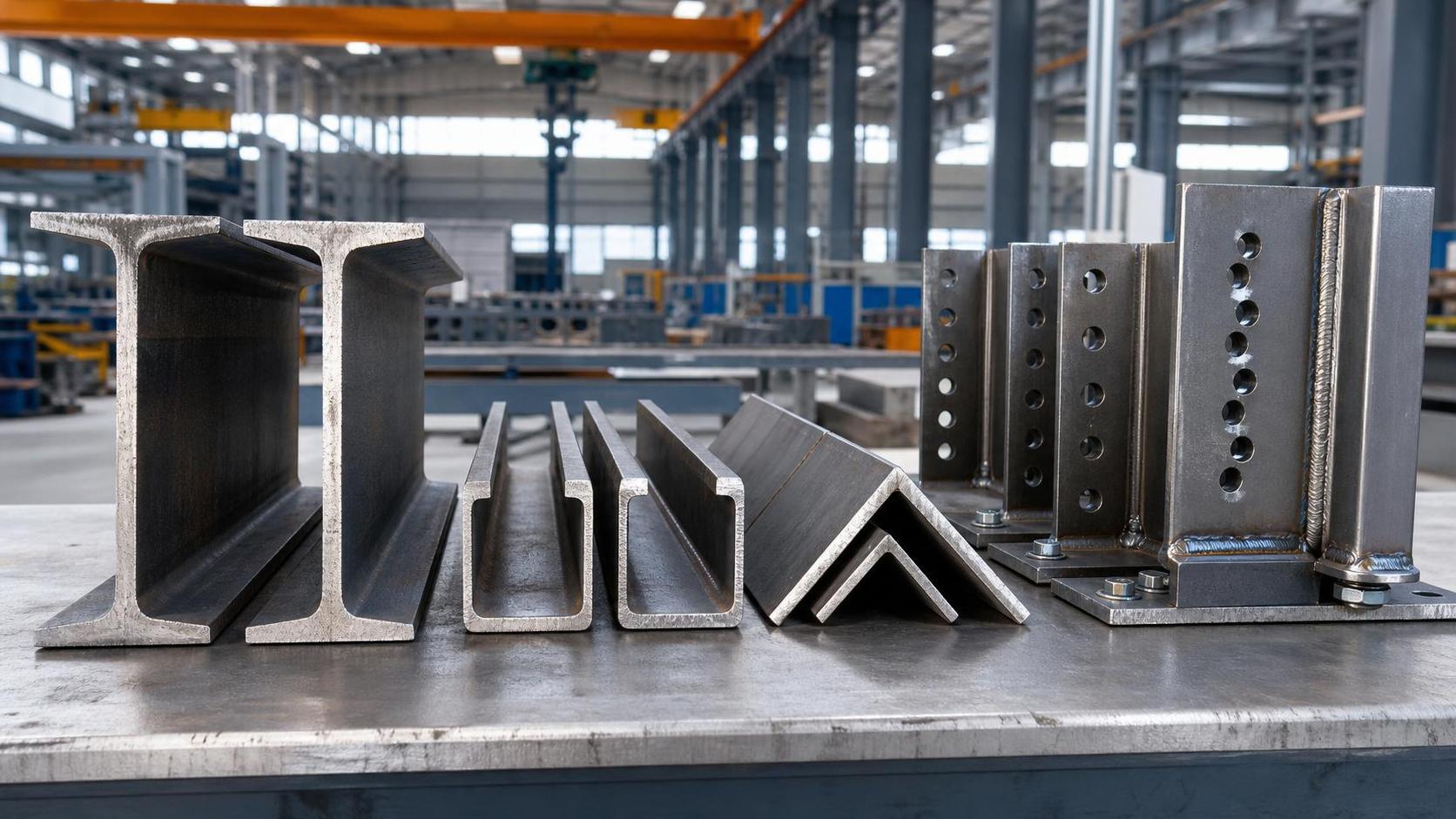
 How to Select a Steel Profile Based on Load, Span, and Fabrication NeedsProfile selection starts with load, span, and fabrication needs. Learn how to compare steel sections for strength, cost, workability, and sourcing efficiency.
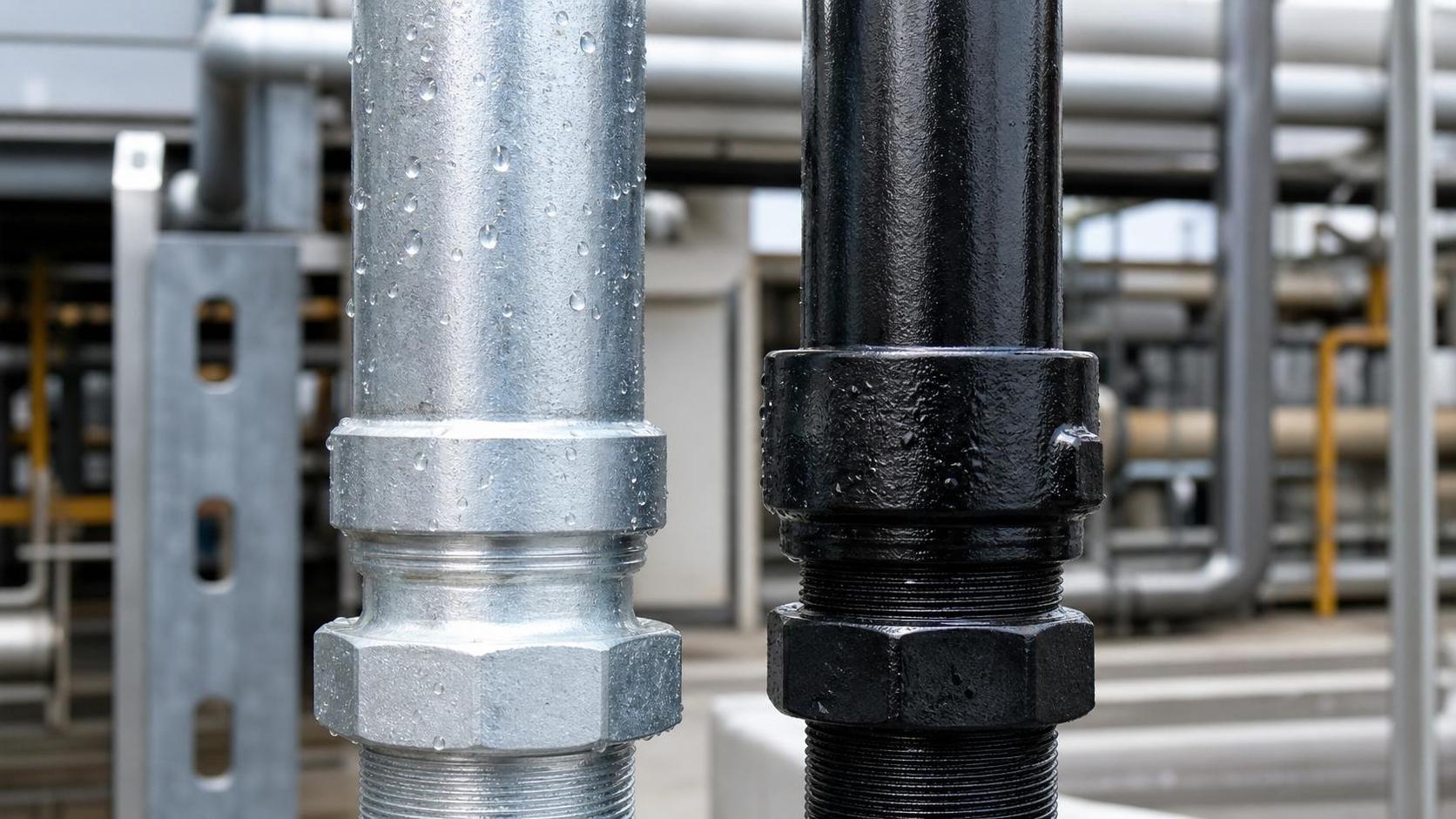
 Galvanized Pipe vs Black Pipe: Which One Fits Water, Gas, or Outdoor Lines?Galvanized pipe or black pipe? Compare the best choice for water, gas, and outdoor lines, with key insights on corrosion, codes, cost, and long-term performance.
 How to Choose Steel Roofing for Warehouses, Farms, and Residential BuildingsSteel Roofing selection depends on building type. Learn how warehouses, farms, and homes differ in corrosion, insulation, drainage, and cost for smarter roofing decisions.
 Hot-Dip Galvanized vs Pre-Galvanized Steel: Which Should You Specify?Hot-dip galvanized vs pre-galvanized steel: compare corrosion resistance, fabrication impact, cost, and standards to specify the right steel solution for durable, compliant projects.
Please give us a message


Please enter what you want to find