Choosing the right carbon steel plate supplier is critical for shipbuilding, infrastructure, and industrial projects—especially when balancing lead time, MOQ, and QC rigor. Whether you're sourcing carbon steel plate for shipbuilding, high carbon steel plate for wear-resistant applications, or standard carbon steel plate from a trusted carbon steel plate manufacturer, domestic vs. international suppliers present distinct trade-offs. As a certified structural steel manufacturer & exporter, Hongteng Fengda delivers ASTM/EN-compliant carbon steel plates with transparent QC processes, flexible MOQs, and reliable lead times—helping procurement teams, project managers, and quality controllers mitigate supply chain risk without compromising performance.
Market Overview: Global Demand & Regional Sourcing Dynamics
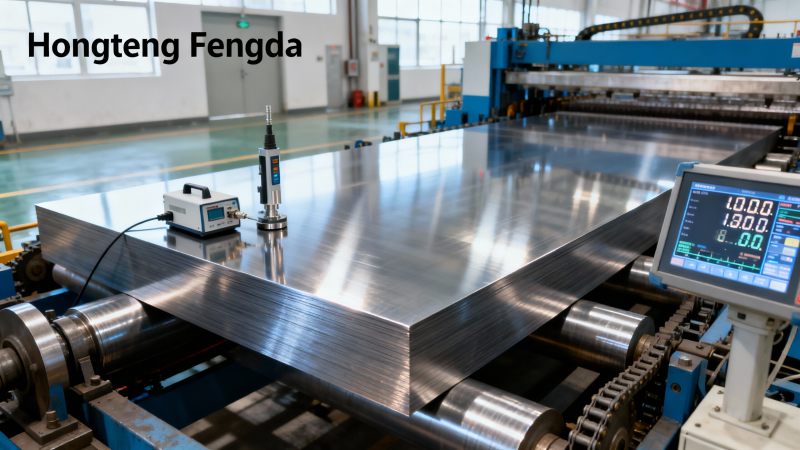
The global carbon steel plate market exceeded USD 120 billion in 2023, driven by sustained demand from shipbuilding, offshore platforms, heavy machinery, and renewable energy infrastructure. According to the International Iron and Steel Institute (IISI), Asia-Pacific accounts for over 62% of global carbon steel production—China alone contributes nearly 54%. Meanwhile, North America and Europe rely increasingly on diversified sourcing strategies due to import tariffs, logistics volatility, and ESG-driven procurement policies. For procurement professionals evaluating a carbon steel plate supplier, regional proximity no longer guarantees speed or reliability; instead, traceability, audit-ready documentation, and real-time production visibility have become decisive criteria. Domestic U.S. mills offer fast local delivery but face capacity constraints during peak construction seasons—often extending lead times beyond 14 weeks for ASTM A131 Grade AH36 plates used in naval architecture. In contrast, qualified Chinese exporters like Hongteng Fengda maintain dual-certified rolling lines (ASTM + GB/T + EN10025) and buffer inventory for common thicknesses (6–40 mm), enabling consistent 6–8 week lead times—even during Q4 shipping surges. This responsiveness stems not from low-cost labor alone, but from vertically integrated billet casting, hot-rolling, and ultrasonic testing capabilities housed under one roof.
Comparison Analysis: Lead Time, MOQ & QC Process — Side-by-Side Evaluation
Below is a comparative benchmark across five key dimensions critical to engineering and procurement decision-makers:
Application Scenarios: Where Carbon Steel Plate Performance Is Non-Negotiable
Carbon steel plate isn’t a commodity—it’s an engineered system component. In shipbuilding, carbon steel plate for shipbuilding must meet strict toughness requirements at -20°C (per ASTM A131) to prevent brittle fracture in Arctic waters. High carbon steel plate, meanwhile, serves hydraulic cylinder barrels and crusher liners where hardness >250 HB and wear resistance outweigh ductility needs. For structural frameworks in seismic zones, yield strength consistency across heats matters more than nominal grade—this is why Hongteng Fengda performs 100% ultrasonic testing (UT) on plates ≥12 mm thick and issues individual heat-specific mechanical property reports. Notably, our 202 Stainless Steel Coil leverages similar process discipline: austenitic stabilization via nickel-manganese balance ensures uniform elongation (≥55%) and thermal stability across food processing lines and marine HVAC ductwork—proving that metallurgical control transcends alloy families.
Procurement Guide: How Project Managers & Quality Controllers Can De-Risk Sourcing
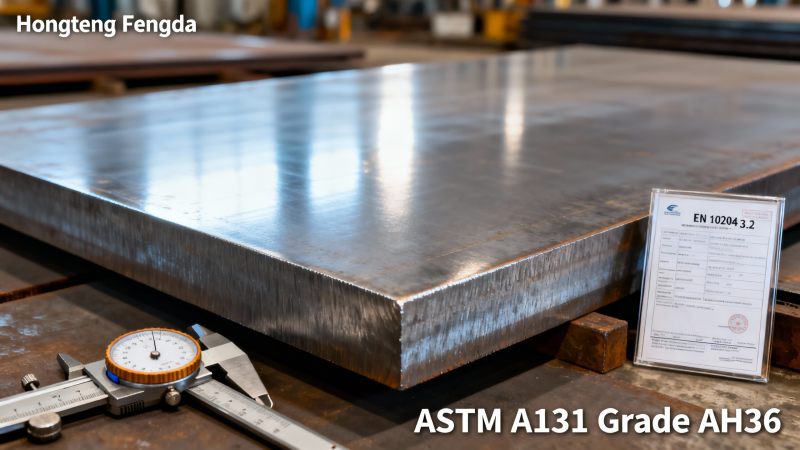
Start with specification alignment—not price. Verify whether your “high carbon steel plate” requirement truly demands C ≥0.60% (e.g., AISI 1060) or if medium-carbon grades (C 0.30–0.59%, e.g., ASTM A572 Gr.50) better serve weldability and fatigue life. Request mill test reports *before* PO issuance—not after shipment. Insist on EN 10204 Type 3.2 certification for all structural applications. Audit your supplier’s QC lab: does it hold ISO/IEC 17025 accreditation? Can they provide raw material traceability down to the billet heat? At Hongteng Fengda, every carbon steel plate batch carries a QR-coded label linking to its full production history—from ladle analysis to final surface inspection. We also support joint inspections with third parties (BV, SGS, TÜV) at our Qingdao facility, ensuring zero surprises during pre-shipment review. For distributors managing multi-country inventories, our ERP-integrated stock visibility platform updates real-time availability across 12 global warehouses—including bonded zones in Rotterdam and Los Angeles—reducing forecast error by up to 37%.
Why Choose Hongteng Fengda?
We are not just another carbon steel plate supplier. As a vertically integrated carbon steel plate manufacturer with ISO 9001, ISO 14001, and OHSAS 18001 certifications, we own the entire value chain—from raw material selection to final packaging. Our 120,000-ton annual capacity ensures scalability without quality compromise. Every plate undergoes magnetic particle testing (MT) for surface cracks, ultrasonic scanning (UT) for internal laminations, and Charpy V-notch impact testing at service temperatures. With offices in Dubai, Hamburg, and Houston—and bilingual technical support available 24/7—we bridge cultural, linguistic, and procedural gaps between global buyers and Chinese manufacturing excellence. Ready to validate performance claims? Request a free sample pack with full EN 10204 3.2 documentation—or schedule a live factory tour via Zoom with our QA team. Your next project deserves more than steel. It deserves certainty.
- steel i
- carbon steel plate manufacturer
- high carbon steel plate
- carbon steel plate
- carbon steel plate supplier
- Steel Plate Supplier
- ASTM A572
- steel coil
- structural steel
- Structural Steel
- 202 stainless steel coil
- stainless steel coil
- steel plate
- steel plate for shipbuilding
- carbon steel
- carbon steel plate for shipbuilding
Related recommendations
 How to Select the Correct Steel Sheet Grade for Auto PartsSelect the ideal steel sheet for auto parts by balancing performance and cost. Discover expert sourcing strategies to avoid manufacturing traps and optimize procurement. Read our guide now!
 Choosing the Right Zinc Coating Weight for Galvanized SheetOptimize your galvanized sheet selection by choosing the right zinc coating weight. Discover expert strategies to balance corrosion resistance, formability, and project costs.
 How to Specify Wall Thickness for Structural Steel TubingMaster wall thickness specification for structural steel tubing. Balance engineering loads, global tolerances, and costs. Read our expert guide to optimize procurement and ensure project safety!
 Galvanized Pipe vs. Copper: Cost and Durability ComparisonDiscover why galvanized pipe outperforms copper in cost and durability. Compare total lifecycle expenses and make a smart procurement choice for your next industrial project today.
Please give us a message


Please enter what you want to find