Understanding the key angle steel vs channel steel differences is essential for selecting the most suitable section in your 2024 construction project. Each profile offers unique strength, load-bearing, and installation advantages that directly impact structural performance and cost efficiency. As a leading Chinese structural steel manufacturer and exporter, Hongteng Fengda helps global builders and project managers make informed decisions through quality materials, professional guidance, and customized steel solutions. The choice between these two structural forms is not just a matter of shape—it's about balancing mechanical behavior, connection requirements, and project goals across various industries, from high-rise frameworks to industrial machinery foundations.
Definition and Overview of Angle Steel and Channel Steel
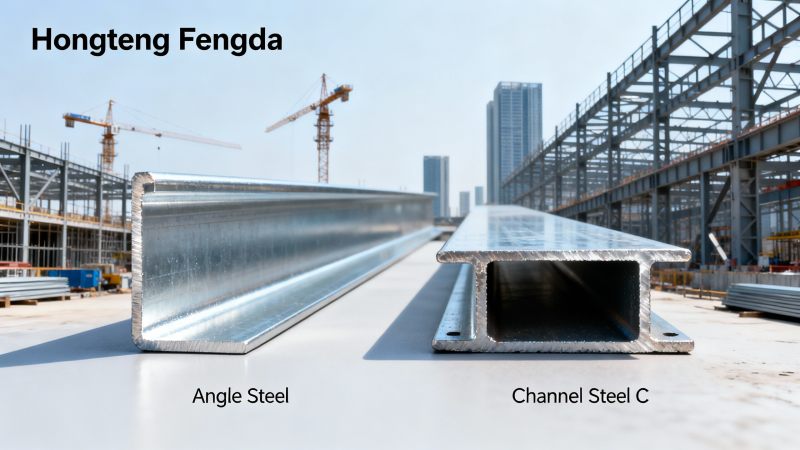
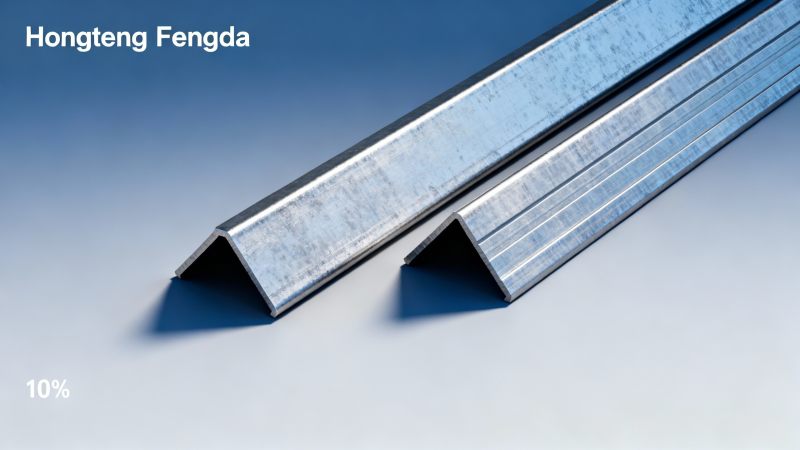
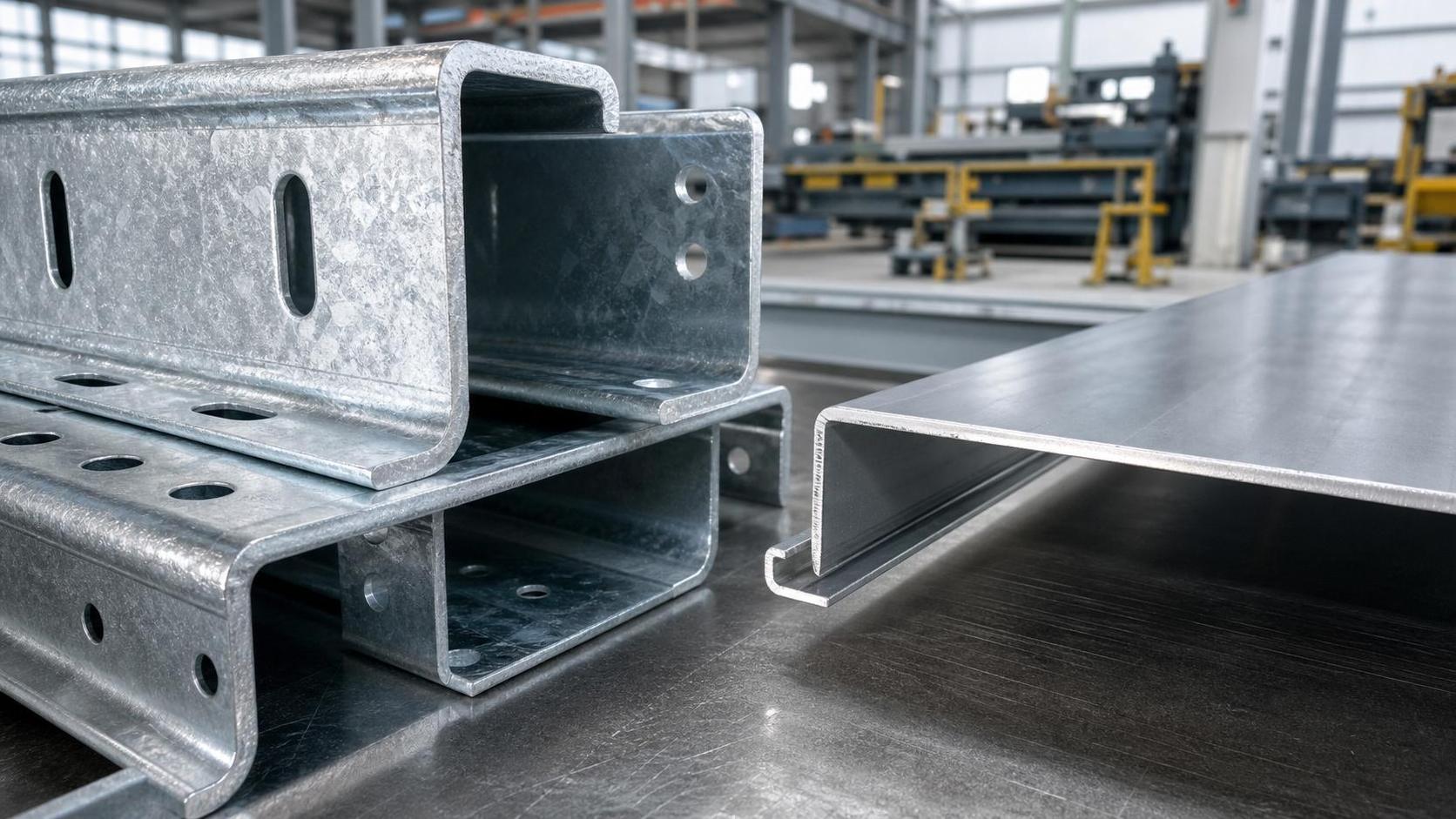
Angle steel, often called L-section or angle bar, is a long steel product with two sides meeting perpendicularly to form an “L” shape. Depending on the angle’s leg dimensions, it can be equal or unequal. Channel steel, on the other hand, is characterized by a “C” or “U” cross-section, having one web and two parallel flanges. These geometrical structures define their mechanical properties—angle steel is particularly suitable for frameworks requiring torsional stability and corner reinforcement, while channel steel delivers higher flexural strength for horizontal or vertical beams and supports. In structural design, both are essential components for load distribution in construction, mechanical manufacturing, and fabrication projects. Angle steel is typically used in truss systems, tower structures, and bracings, while channel steel is common in building walls, bridges, and equipment frames. Their production follows international standards like ASTM A36, EN10025, or JIS G3101 to ensure dimensional precision and material integrity. Hongteng Fengda manufactures angle and channel sections using premium-grade steel billets and modern hot rolling technology that optimizes strength-to-weight ratio and surface finish.
Market Overview and Industrial Context in 2024
The global structural steel market continues to grow steadily in 2024, driven by increased investments in infrastructure, renewable energy construction, and industrial modernization. For engineers and purchasers comparing angle steel vs channel steel differences, understanding local supply chains and international certifications is now more critical than ever. North America and Asia-Pacific lead the demand for channel steel due to rapid expansion in prefabricated and modular construction, while angle steel remains dominant in telecommunications towers and mechanical structures where flexibility and connection efficiency matter most. Hongteng Fengda, as a trusted Structural Steel Manufacturer & Exporter from China, plays a strategic role in this landscape by providing cost-effective sourcing solutions. With global logistics coverage across Europe, Southeast Asia, and the Middle East, and adherence to strict manufacturing standards like ASTM, EN, JIS, and GB, the company ensures that its clients receive consistent quality and dependable delivery times. Its integrated quality management and surface treatment options, including galvanizing and hot rolling, allow engineers to select customized sizes and finishes while mitigating corrosion risk and maintenance costs.
Comparison Analysis: Key Differences Between Angle Steel and Channel Steel
When evaluating angle steel vs channel steel differences, understanding their geometric and mechanical behavior determines how each suits a specific application. 1. **Geometry and Load Direction**: Angle steel provides lateral stability, commonly used for diagonal bracing and supporting corners. Channel steel offers linear support, ideal for beams or longitudinal frames that resist bending. 2. **Moment of Inertia and Bending Resistance**: Channel steel’s C-shape grants a higher moment of inertia, allowing greater resistance to vertical bending loads. Angle steel is better when torsional rigidity or corner reinforcement is needed. 3. **Ease of Connection and Fabrication**: Because of its asymmetrical shape, angle steel simplifies bolted or welded joints at corners or cross members. Channel steel, being open on one side, allows bolts, plates, and extras to fit easily into large-span or composite systems. 4. **Weight and Cost Balance**: Angle steel usually consumes less material for equal-length spans, making it cost-efficient for lightweight frameworks. Channel steel, though heavier, provides superior support capacity per section size. These distinctions directly affect procurement and installation strategies. Hongteng Fengda offers both sections in standard and tailor-made specifications to match each project’s performance parameters and design efficiency goals.
Technical Performance and Product Parameters
Modern construction demands not only accurate dimensions but also high-grade mechanical performance. When sourcing structural materials, engineers often integrate angle and channel sections with complementary products like the Hot Rolled H Beam. This product, available in grades including Q235, Q345B, S275JR, and A992, is characterized by flange thickness of 8–64mm, web thickness of 5–36.5mm, and lengths up to 12 meters (customizable). These beams provide structural continuity and reinforce heavy-load cores such as bridge trusses or machinery bases. Hongteng Fengda’s manufacturing capabilities encompass bending, welding, decoiling, punching, and cutting, ensuring integration flexibility for both standard and complex profiles. All products comply with recognized certifications such as JIS G3101, EN10025, ASTM A36, ASTM A572, and ASTM A992, guaranteeing traceability and consistency. Whether in mechanical manufacturing, shipbuilding, or automotive structure production, performance optimization depends on matching section form with strength requirement. Detailed knowledge of specifications helps users streamline inventory planning, avoid overdesign, and enhance sustainability through optimized steel utilization.
Application Scenarios and Engineering Practices
In real-world construction, the application of angle and channel steel varies depending on structural function. - **Commercial Buildings**: Channel steel frames are often used in mid-rise and low-rise construction for main supports and ceiling systems due to their ability to span large distances while supporting compressive and tensile loads. - **Telecommunication Towers**: Angle steel predominates thanks to its light weight and efficient connection geometry. Equal-leg angle bars are frequently used in lattice-pylon frameworks for electricity transmission and telecommunication masts. - **Industrial Equipment Frames**: Combined systems using channel beams with angle reinforcements improve vibration resistance in factory setups and conveyor assemblies. - **Marine Construction and Bridges**: Corrosion-resistant stainless-steel channel sections perform excellently under humid or saline environments, reducing maintenance cycles. - **Automotive and Mechanical Manufacturing**: Precision-cut angle and channel parts improve rigidity in chassis and support elements. By offering custom cutting and surface treatment options, Hongteng Fengda provides versatile solutions adapting to design tolerances and unique load criteria. Engineers can confidently integrate these profiles with complementary structures like the second optional Hot Rolled H Beam to achieve balanced performance across multidirectional stress zones.
Procurement Guide and Selection Criteria
When purchasing structural steel, decision-makers should consider not only section shape but also yield strength, coating requirements, and compliance with international norms. For instance, ASTM A572 or S355JR grades offer higher yield strength for long spans, whereas Q235 or SS400 may suit cost-driven projects with moderate load specifications. Surface coating like galvanizing enhances corrosion protection—vital for outdoor use or maritime conditions. A recommended selection process includes:
- Clarify application scenario, load layout, and environmental exposure.
- Confirm compliance with design standards and regional building codes.
- Compare total cost per structural weight rather than ton-based pricing alone.
- Evaluate supplier certification, production capacity, and delivery reliability.
- Consider engineering support and post-sale services, especially for large-scale projects.
Cost Considerations and Alternatives
In 2024, construction material pricing remains influenced by raw steel costs, energy consumption, and freight factors. Angle steel offers a cost advantage when lighter loads or simple connections are sufficient. Channel steel, although slightly more expensive, offsets initial cost with extended lifespan and seismic resistance. Where bending and compression requirements exceed channel performance, engineers often transition to H-beam structures for maximum stability. By analyzing lifetime cost—including installation, maintenance, and recyclability—project decision makers can make more balanced investments. Hongteng Fengda’s flexible quotation system provides comparative analysis to help clients choose economical alternatives meeting project safety and sustainability goals. Combined with precision cutting and fast on-site assembly, its steel sections reduce man-hour expenditure and waste. In markets concerned about environmental impact, lightweight structural design supported by high-strength small-section profiles demonstrates both cost optimization and ecological benefit.
Standards, Certification, and Quality Assurance
International building codes require strict adherence to standard specifications for load-bearing materials. Hongteng Fengda’s angle and channel steel products meet major benchmarks including ASTM A36, EN10025, and JIS G3101. Testing covers tensile strength, elongation, chemical composition, and dimensional accuracy. Non-destructive inspection methods such as ultrasonic and magnetic particle testing verify weld integrity. Surface coatings, galvanization, and mill markings ensure traceability and alignment with ISO quality management systems. For buyers, certified compliance translates into risk reduction and smoother approval processes. Projects audited under European or American codes benefit from international mill certificates, material test reports (MTR), and stable long-term supply. Hongteng Fengda integrates digital quality tracking, enabling customers to verify manufacturing batches and mechanical results instantaneously through its ERP platform. This focus on compliance extends beyond documentation—it reflects consistent craftsmanship and manufacturing excellence at every production stage.
FAQ and Common Misconceptions
**Q1: Is channel steel always stronger than angle steel?** Not exactly. While channel steel exhibits higher bending resistance along one plane, angle steel provides superior torsional and corner strength under multi-directional stress. **Q2: Can angle and channel sections be welded together?** Yes, both can be welded using standard MIG or SMAW processes, especially when materials share compatible grades. Hongteng Fengda provides fabrication advice to ensure optimal penetration and distortion control. **Q3: How to prevent corrosion in outdoor applications?** Galvanized or stainless materials offer longer durability; surface painting and coating maintenance also protect against oxidation. **Q4: What are typical dimensional tolerances?** Commonly within ±2% of section size depending on standard. Products from Hongteng Fengda comply with stringent ASTM and EN precision requirements. Understanding these FAQs helps purchasers and operators avoid oversights that might otherwise compromise performance or increase costs.
Trends and Future Insights
Emerging trends in 2024 indicate accelerated adoption of smart fabrication and BIM-based steel detailing. Customized small-batch production supported by automated roller lines allows contractors to optimize both angle and channel inventory. Sustainable manufacturing, driven by carbon-reduction policies, will encourage higher-strength lightweight sections and recycled steel integration. Advanced coatings, including zinc-aluminum-magnesium layers, are extending life cycles in harsh environments. As digital twin technologies continue shaping project planning, accurate material data from suppliers like Hongteng Fengda enable designers to simulate performance in real time. This enhances safety analysis and reduces rework. Market-wise, partnerships between global contractors and Chinese manufacturers will intensify, as clients seek quality parity at competitive costs. Therefore, strategic sourcing from certified producers ensures not only technical reliability but also environmental and financial sustainability.
Why Choose Hongteng Fengda
Hongteng Fengda combines advanced production, strong quality control, and international export expertise to deliver structural steel that meets the most rigorous requirements. Its comprehensive product lineup—ranging from angle and channel steel to H-beams and cold-formed profiles—caters to construction, manufacturing, and infrastructure needs on a global scale. Every batch is manufactured under strict monitoring, ensuring dimensional accuracy, consistent metallurgical properties, and reliable performance. By choosing Hongteng Fengda, partners gain:
- Access to diversified grades including carbon, alloy, galvanized, and stainless structural steel;
- Compliance with ASTM, EN, JIS, and GB standards for seamless international acceptance;
- Tailored fabrication services meeting project-specific drawings and tolerance requirements;
- Comprehensive export support and punctual logistics management ensuring timely delivery;
- Professional consultation from material selection to structural optimization, reducing sourcing risk and total cost of ownership.
Related recommendations
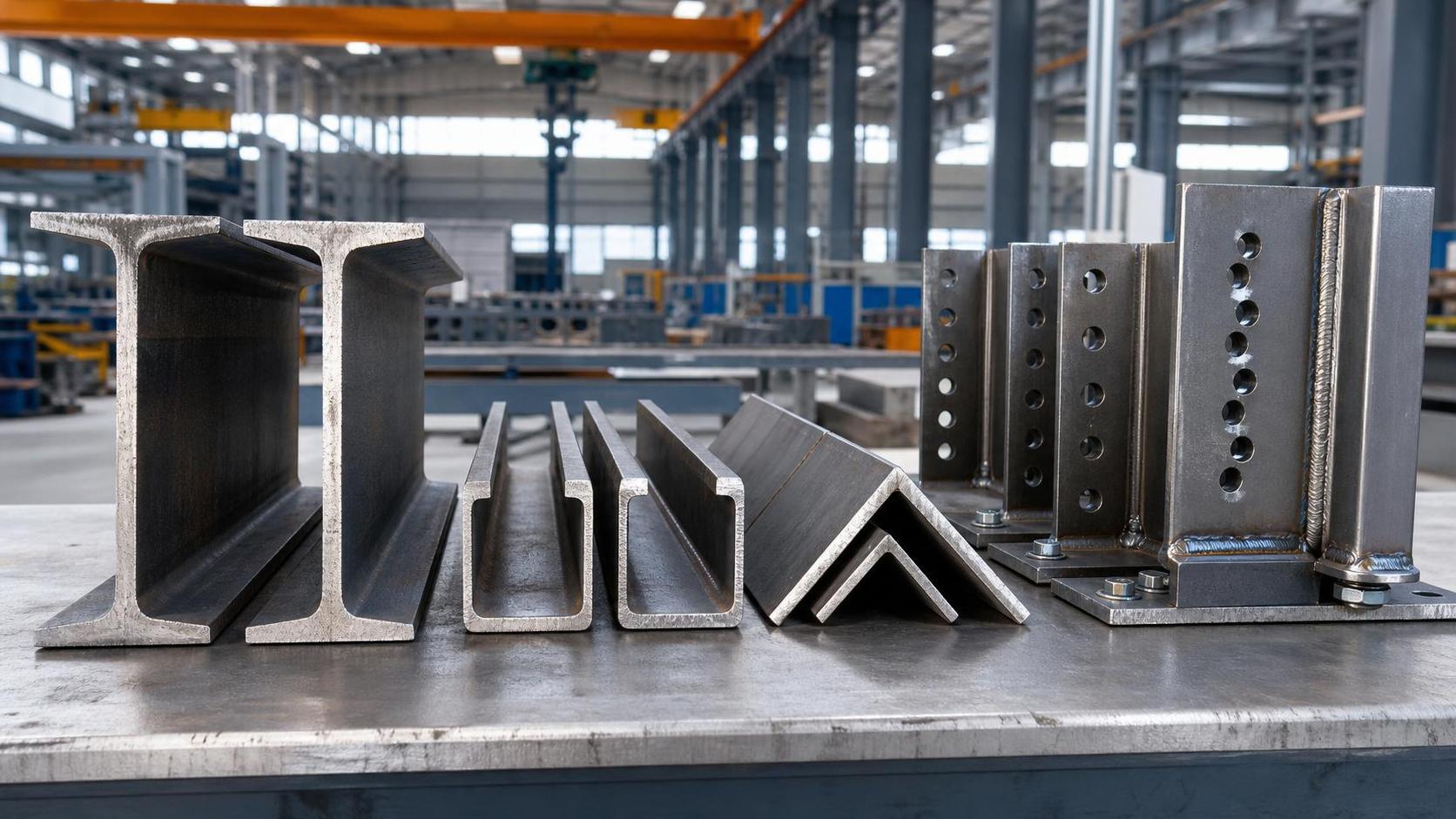
 How to Select a Steel Profile Based on Load, Span, and Fabrication NeedsProfile selection starts with load, span, and fabrication needs. Learn how to compare steel sections for strength, cost, workability, and sourcing efficiency.
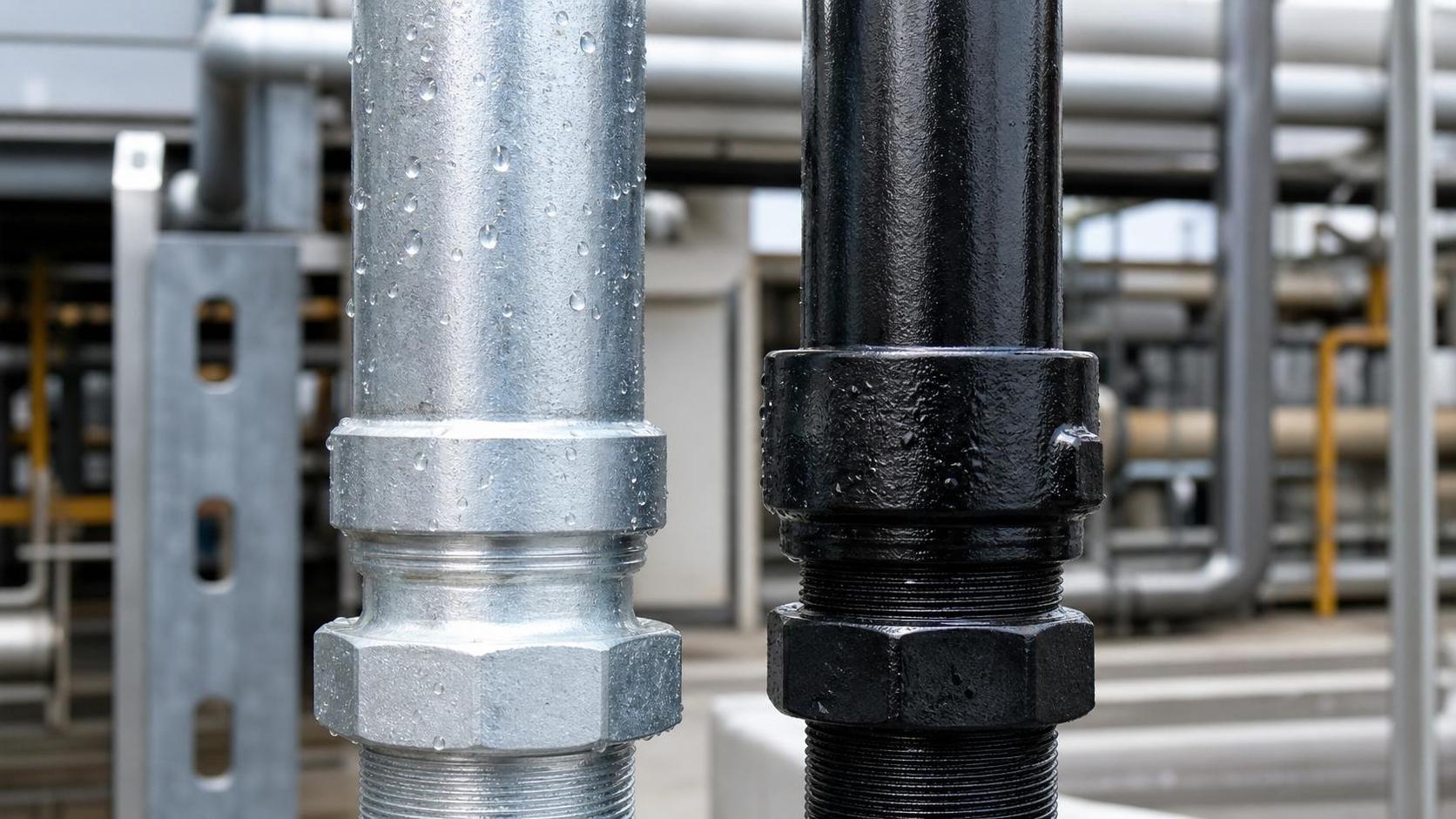
 Galvanized Pipe vs Black Pipe: Which One Fits Water, Gas, or Outdoor Lines?Galvanized pipe or black pipe? Compare the best choice for water, gas, and outdoor lines, with key insights on corrosion, codes, cost, and long-term performance.
 How to Choose Steel Roofing for Warehouses, Farms, and Residential BuildingsSteel Roofing selection depends on building type. Learn how warehouses, farms, and homes differ in corrosion, insulation, drainage, and cost for smarter roofing decisions.
 Hot-Dip Galvanized vs Pre-Galvanized Steel: Which Should You Specify?Hot-dip galvanized vs pre-galvanized steel: compare corrosion resistance, fabrication impact, cost, and standards to specify the right steel solution for durable, compliant projects.
Please give us a message


Please enter what you want to find