Before ordering 202 stainless steel coil — a cost-effective alternative to 304, widely used in appliances, automotive trim, and light industrial applications — buyers must understand its critical tensile strength and formability trade-offs. As a trusted structural steel manufacturer & exporter from China, Hongteng Fengda helps global procurement teams, engineers, and project managers evaluate real-world performance vs. specifications. Whether you’re comparing carbon steel pipe for oil and gas, sourcing stainless seamless pipe, or evaluating a galvanized steel pipe supplier, material behavior under stress and bending directly impacts fabrication yield, safety, and lifecycle cost. Don’t overlook these 3 key mechanical compromises.
Why 202 Stainless Coil Is Popular — And Where It Falls Short
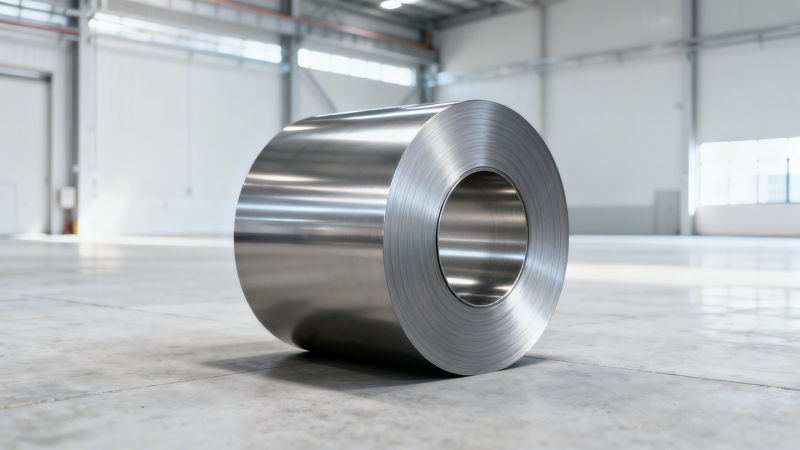
Grade 202 stainless steel is a chromium-manganese-nickel alloy designed to reduce reliance on expensive nickel while retaining decent corrosion resistance and workability. Its typical composition includes ~17–19% Cr, ~4–6% Ni, and ~7–10% Mn — making it significantly more affordable than 304 (with ~8–10.5% Ni) without sacrificing all performance. This cost advantage drives adoption across mid-tier appliance housings, decorative trims, food processing conveyors, and non-critical structural cladding.
However, the Mn substitution introduces measurable mechanical trade-offs. Tensile strength ranges from 515–690 MPa (ASTM A240), but elongation at break typically drops to 40–50% — notably lower than 304’s 55–60%. More critically, strain hardening rate increases by ~15–20%, meaning rapid loss of ductility during deep drawing or tight-radius bending. For projects requiring high repeatability in stamping or roll forming, this translates to higher scrap rates — especially when tooling isn’t recalibrated for 202’s unique flow behavior.
Hongteng Fengda routinely observes 8–12% higher post-forming rejection in 202 coils versus 304 across OEM appliance lines where flange widths vary ±0.3 mm. That’s why we recommend verifying not just nominal tensile specs, but also true stress-strain curves and n-value (strain hardening exponent) — ideally sourced from mill test reports traceable to ASTM E8/E21.
The 3 Critical Trade-Offs You Must Validate Before Placing Your Order
1. Higher Yield-to-Tensile Ratio = Reduced Margin for Error in Bending
202 stainless typically exhibits a yield-to-tensile (Y/T) ratio of 0.65–0.75 — compared to 0.50–0.60 for 304. This means once plastic deformation begins, less additional load can be applied before necking or cracking. In cold-formed structural components like brackets or enclosures, this narrows the safe bending window — particularly at radii < 3× material thickness. We’ve seen field failures in HVAC duct supports where 202 coils were substituted without adjusting bend die clearances.
2. Lower Work Hardening Exponent = Increased Springback Variability
With an average n-value of 0.22–0.26 (vs. 0.30–0.36 for 304), 202 shows reduced resistance to shape recovery after unloading. This causes inconsistent springback — up to ±0.8° variation in 90° air bends — complicating automated assembly line tolerancing. For precision-fitted panels or interlocking profiles, that variability forces tighter process controls or secondary correction steps.
3. Sensitized Grain Boundaries After Welding = Localized Corrosion Risk in Fabricated Assemblies
While 202 offers acceptable atmospheric corrosion resistance, its lower Cr/Ni ratio and higher C content (~0.12% max) increase susceptibility to sensitization between 425–850°C. In welded mesh structures or cut-and-welded frames, this can trigger intergranular attack — especially in humid coastal or chemical-laden environments. Stainless Steel Welded Mesh made from 202 requires post-weld annealing or strict thermal management to avoid premature failure in filtration or architectural screening applications.
How to Compare 202 Against Alternatives — A Procurement Decision Matrix
Selecting the right stainless grade involves balancing cost, fabrication efficiency, service life, and compliance requirements. Below is a comparative assessment aligned with ASTM A240, EN 10088-2, and GB/T 20878 standards — based on real production data from Hongteng Fengda’s 2023–2024 coil shipments to North America and Southeast Asia.
Note: While 202 delivers faster turnaround than 304, its narrower formability envelope often extends total project timelines due to rework. At Hongteng Fengda, we offer free pre-bend simulation support for coil orders exceeding 5 metric tons — helping clients optimize tooling setup and reduce first-article scrap by up to 35%.
Why Global Buyers Choose Hongteng Fengda for Structural Stainless Solutions
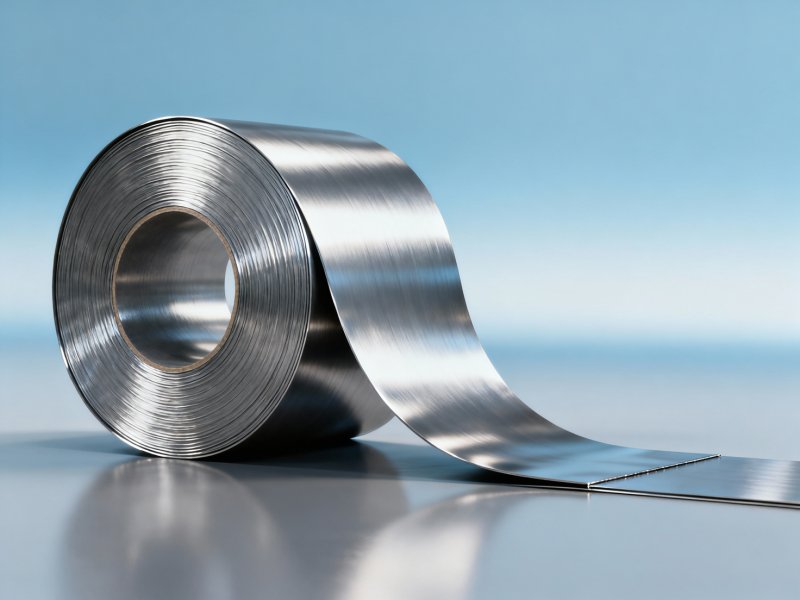
As a certified structural steel manufacturer and exporter from China, Hongteng Fengda bridges the gap between cost-driven sourcing and engineering-grade reliability. We don’t just supply coils — we co-engineer solutions. Our ISO 9001-certified facilities perform in-house tensile testing per ASTM E8, bend qualification per ASTM A480, and intergranular corrosion evaluation per ASTM A262 Practice E — all documented in mill test reports shipped with every order.
For buyers managing multi-region projects, our standardized documentation includes EN 10204 3.1 certification, bilingual (English/Chinese) packaging labels, and compliance summaries for ASTM, GB/T, and JIS standards. We support custom slit widths down to ±0.15 mm tolerance, surface finish options (2B, BA, No. 4), and heat traceability via QR-coded coil tags — enabling full traceability from melt batch to installation site.
Whether you need technical validation for 202 coil formability limits, comparison data against 304L or 316L alternatives, or assistance selecting the optimal stainless grade for welded mesh applications, our engineering team responds within 4 business hours. Request your free material suitability assessment — including bend radius recommendations, weld procedure guidance, and sample coil availability — by contacting us today.
- steel i
- carbon steel pipe
- galvanized steel pipe
- seamless pipe
- steel pipe
- steel coil
- galvanized steel
- structural steel
- Structural Steel
- 202 stainless steel coil
- stainless steel coil
- stainless coil
- ss coil
- 304 stainless coil
- ss pipe
- stainless seamless pipe
- Profile
- Stainless Steel Welded Mesh
- galvanized steel pipe supplier
- Galvanized
- carbon steel
- carbon steel pipe for oil and gas
Related recommendations
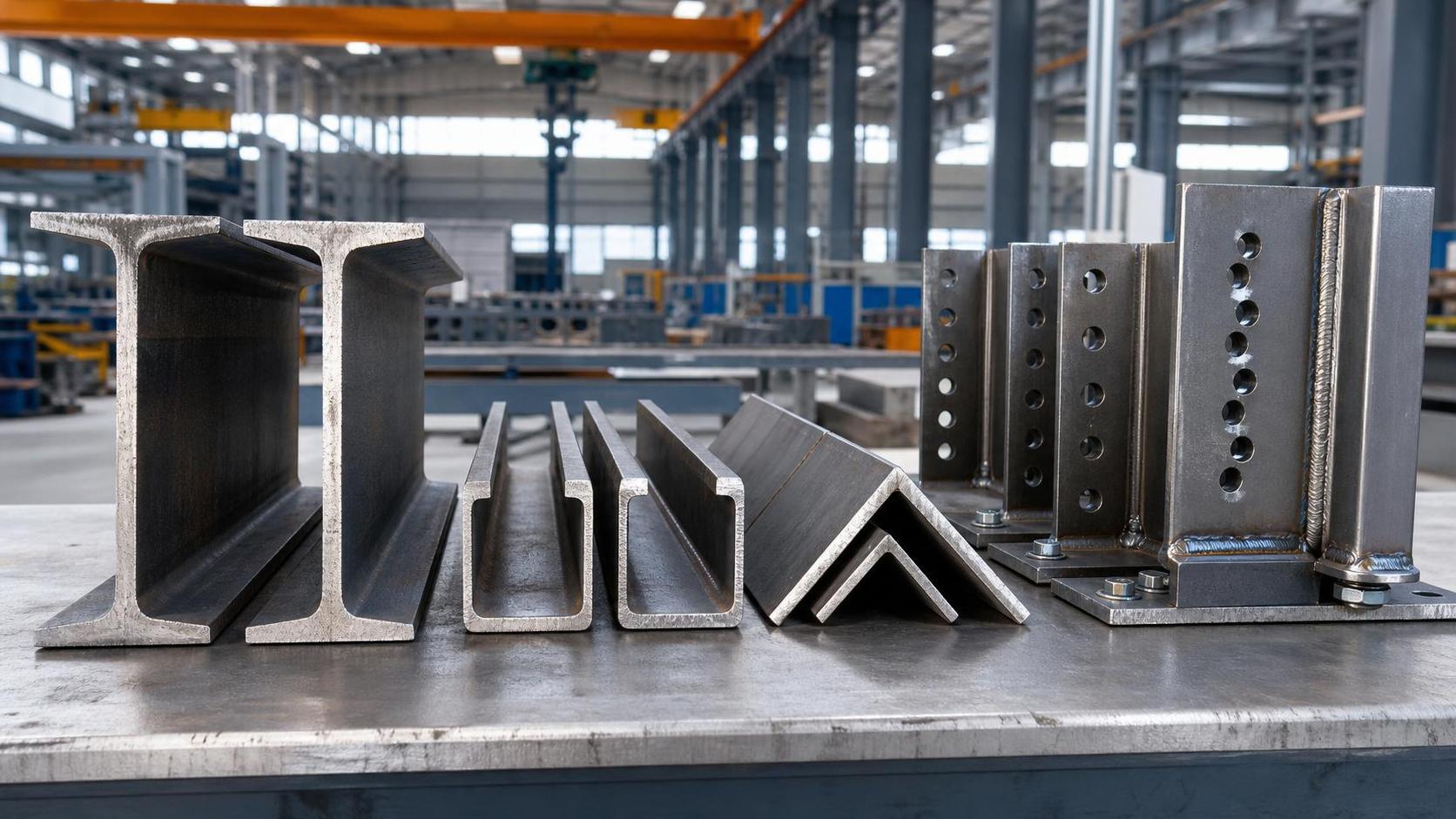
 How to Select a Steel Profile Based on Load, Span, and Fabrication NeedsProfile selection starts with load, span, and fabrication needs. Learn how to compare steel sections for strength, cost, workability, and sourcing efficiency.
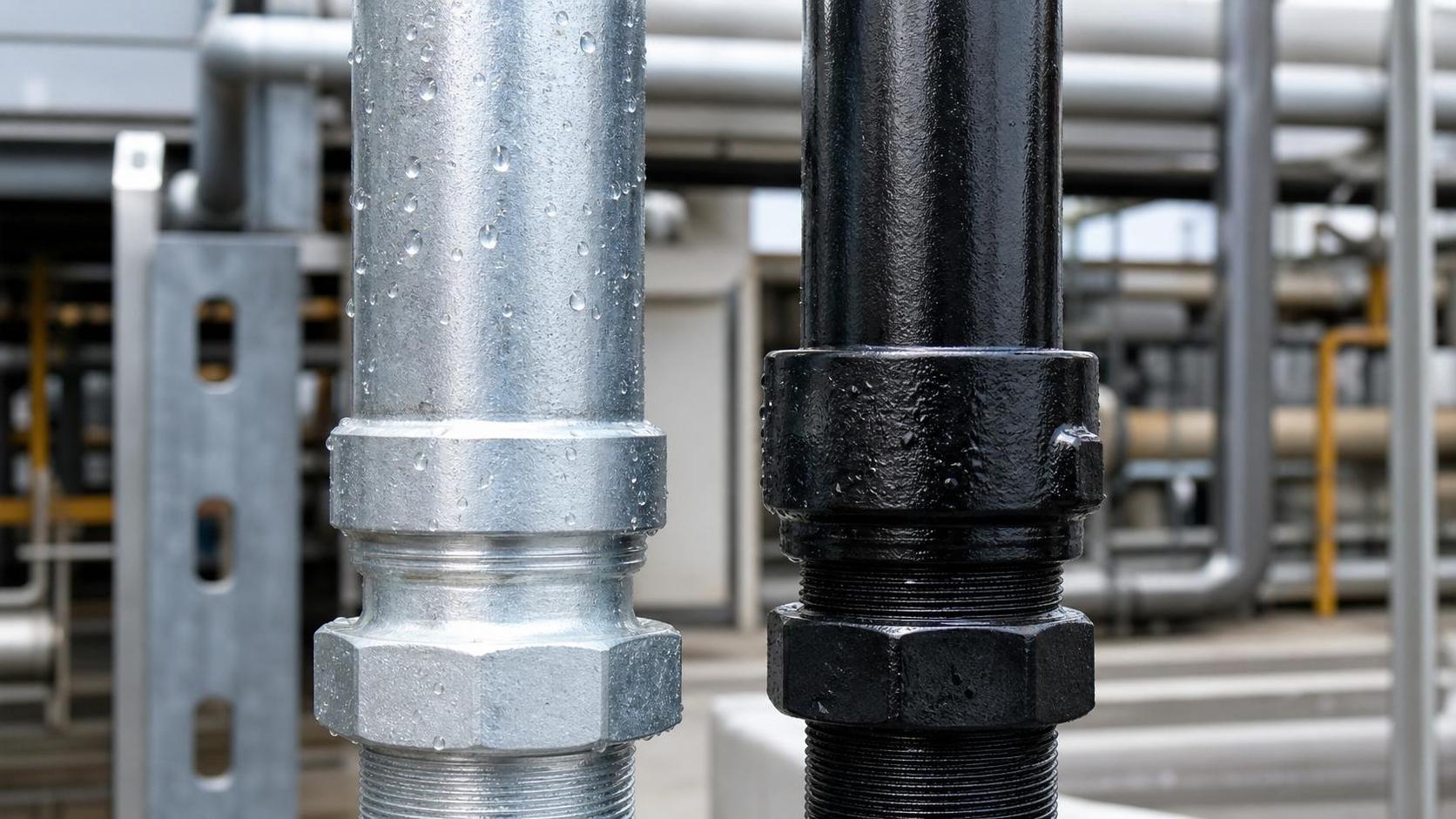
 Galvanized Pipe vs Black Pipe: Which One Fits Water, Gas, or Outdoor Lines?Galvanized pipe or black pipe? Compare the best choice for water, gas, and outdoor lines, with key insights on corrosion, codes, cost, and long-term performance.
 How to Choose Steel Roofing for Warehouses, Farms, and Residential BuildingsSteel Roofing selection depends on building type. Learn how warehouses, farms, and homes differ in corrosion, insulation, drainage, and cost for smarter roofing decisions.
 Hot-Dip Galvanized vs Pre-Galvanized Steel: Which Should You Specify?Hot-dip galvanized vs pre-galvanized steel: compare corrosion resistance, fabrication impact, cost, and standards to specify the right steel solution for durable, compliant projects.
Please give us a message


Please enter what you want to find