Introduction: Immediate actions for procurement and project continuity
As global 2025 supply risks threaten large-scale projects, procurement and project managers must secure reliable Wire Products inventory now. Shandong Hongteng Fengda’s integrated production and logistics offer consistent supply of electrogalvanized wire, galvanized steel channel, Wire Products such as Profile, Steel Rod and angle stainless steel, plus pipe stainless varieties — 304 pipe, ss 304 pipe and stainless seamless pipe. This outlook highlights practical strategies to de-risk sourcing, optimize stock levels, and ensure timely delivery for engineers, buyers, distributors and after-sales teams facing tight timelines and complex specifications. In the face of constrained global shipping capacity, raw material price volatility and regional production interruptions, engineering teams and purchasing departments need a clear, tactical plan specific to steel and wire products. Decision makers require inventory policies that balance capital efficiency with the certainty of supply for milestones and commissioning. For downstream users—fabricators, installers, maintenance teams—consistent lead times for electrogalvanized wire and galvanized steel channel determine whether schedules slip and costs inflate. Distributors and agents must evaluate minimum order quantities and warehouse buffer strategies for Wire Products such as Profile sections, Steel Rods and angle stainless steel to serve industrial and infrastructure customers reliably. Project managers handling procurement for bridges, plant construction or heavy industrial structures must account for long-lead items like pipe stainless lines and specialized fittings such as 304 pipe and ss 304 pipe, which are sensitive to alloy supply and mill scheduling. This introduction sets the scene: we will assess 2025 risk drivers, recommend inventory strategies tailored to large-scale projects, explain why vertically integrated suppliers matter, and outline technical controls to ensure that stainless seamless pipe and other items consistently meet spec and schedule. The recommendations that follow are grounded in industry practice and practical steps procurement and engineering teams can implement in the next 90–180 days to reduce schedule risk and protect project margins.
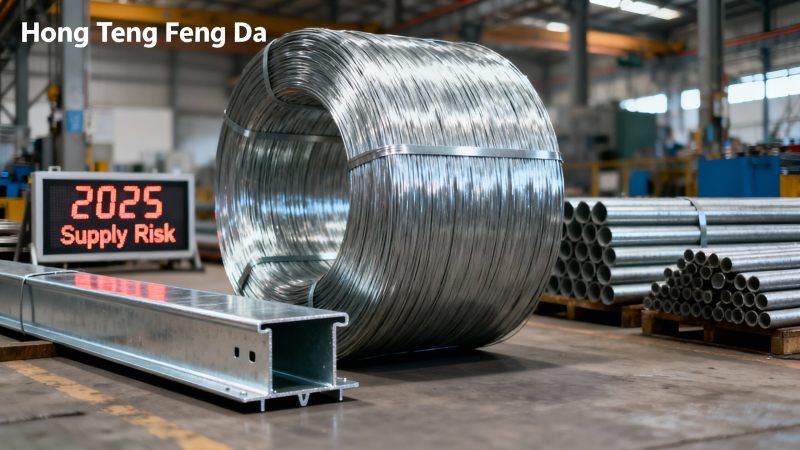
Assessing 2025 supply risks for Wire Products and structural steel
Understanding the specific risk vectors that affect electrogalvanized wire, galvanized steel channel and related Wire Products is the first step to building resilience. In 2025, primary risks include raw material access (iron ore and alloying metals), energy and coking availability, transportation bottlenecks, and regulatory shifts that impact export quotas or tariffs. For procurement teams, the symptoms are predictable: longer lead times for Profile sections, sporadic availability of Steel Rod and higher premiums for angle stainless steel. Project managers must quantify risk by SKU: categorize items like pipe stainless (including 304 pipe, ss 304 pipe and stainless seamless pipe) as long-lead, medium-lead or short-lead based on historical delivery data and supplier capacity. Use risk matrices that pair likelihood with project-criticality; a delay in a galvanized steel channel used for primary framing has outsized schedule impact compared with finish trims. For distributors and agents, the commercial risk includes inventory carrying cost against the sales visibility in target markets. Data-driven approaches—weekly supplier lead-time dashboards, rolling 90-day forecasts and safety-stock models—help identify where additional buffer inventory buys project continuity. For maintenance and after-sales teams, the larger exposure is ensuring replacement parts like electrogalvanized wire coils and Profile components are stocked in the correct material grades to match on-site weldability and corrosion resistance. Leverage performance data: monitor historical variance in lead times and percentage of on-time deliveries from core suppliers. Where feasible, diversify sourcing across facilities with different energy and logistics footprints to avoid single-point failures. Finally, document change control for specifications: an unexpectedly substituted Stainless Seamless Pipe or alternate ss 304 pipe grade without engineering acceptance can create rework and warranty risk, so robust technical acceptance criteria and pre-approved alternates are essential to mitigate procurement pressure during supply shortfalls.
Inventory strategies and stock optimization for large-scale projects
Effective inventory strategies for electrogalvanized wire, galvanized steel channel and other Wire Products blend statistical models with project-oriented pragmatism. For capital projects, move away from purely just-in-time methods for critical long-lead items and adopt a hybrid approach: maintain safety stock for essential Profile, Steel Rod and structural stainless components while applying JIT for commodity or repeat-order items. Safety stock calculations should incorporate project milestone exposure, not just historical demand variance. For example, maintain contingency volumes of pipe stainless, including 304 pipe and stainless seamless pipe, equal to the expected usage for the next critical milestone plus a buffer that reflects current supplier reliability. Use ABC/XYZ segmentation: classify items by value and demand variability—angle stainless steel and specific alloy rods often fall into A/X categories and deserve higher fill rates. Implement milestone-triggered replenishment: tie release of bulk orders to reaching engineering or fabrication milestones so capital is converted to materials with maximum project benefit. Cross-functional stock pooling is also a proven tactic—centralize a portion of electrogalvanized wire and galvanized steel channel inventory at a regional hub to serve multiple projects, reducing overall safety stock while improving response time. For distributors and dealers, consignment stock agreements can transfer some inventory carrying cost back to suppliers while ensuring immediate availability for end users. Complement physical inventory policies with contractual levers: secured capacity agreements, rolling monthly allotments and penalty clauses for excessive lead-time variance. Finally, maintain a prioritized allocation framework: when constraints occur, distribution should follow an agreed hierarchy—critical project sectors first, long-term clients second, and spot orders last—to protect reputations and contractual commitments. These practices ensure that Profile, Steel Rod and pipe stainless supply align with both cash management and project delivery imperatives.
Supplier reliability, vertical integration and logistical advantages
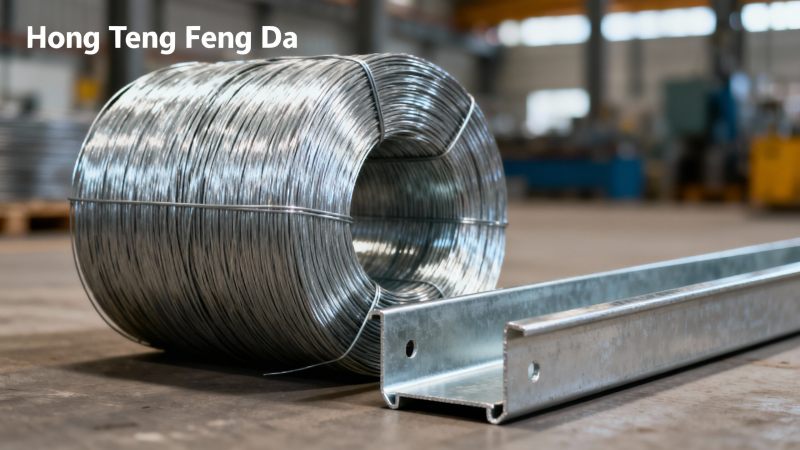
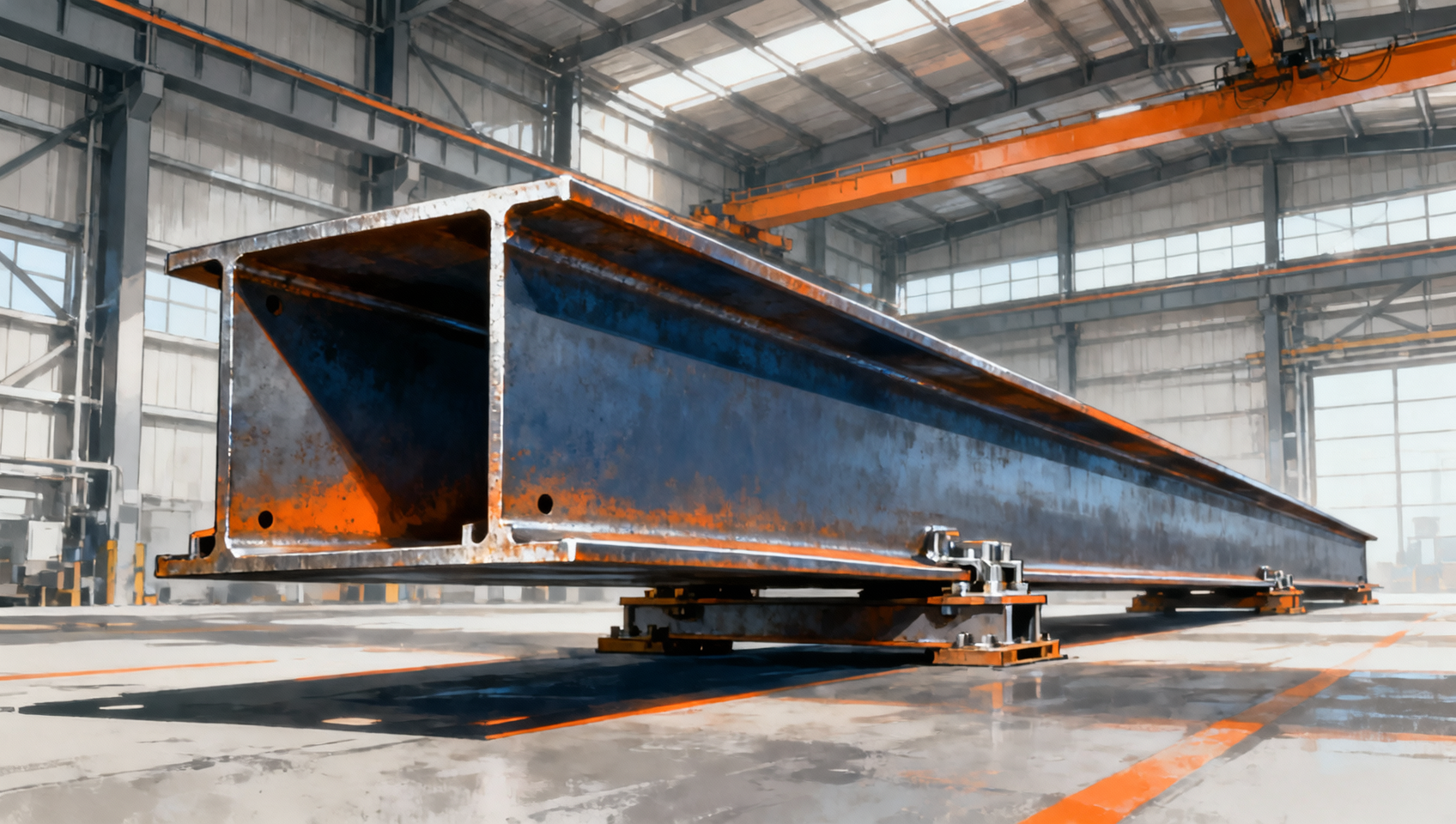
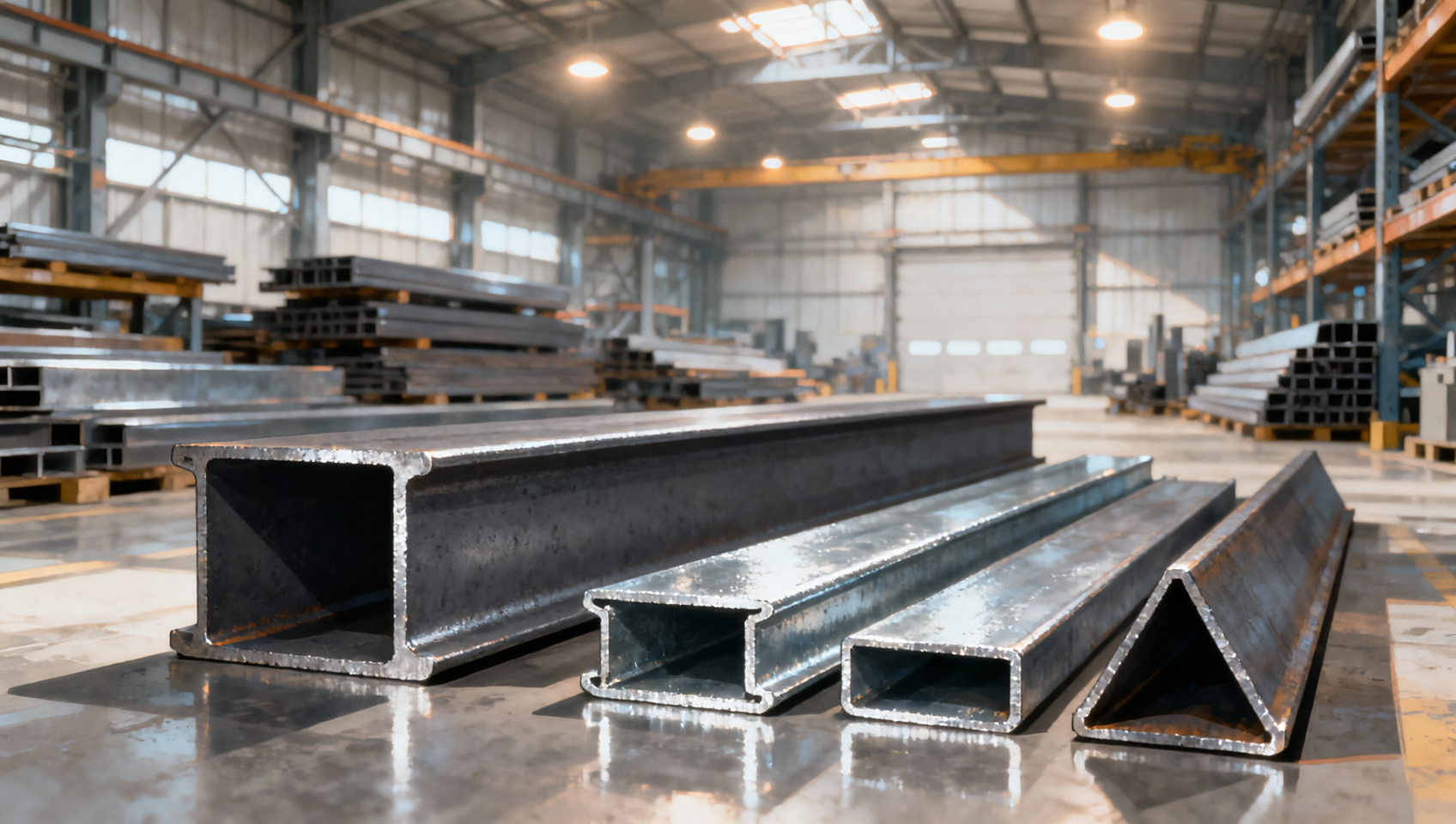
Choosing suppliers with integrated production and robust logistics reduces risk for electrogalvanized wire, galvanized steel channel and other Wire Products. Shandong Hongteng Fengda Metal Materials Co.. Ltd. exemplifies how vertical integration—coking, sintering, steelmaking and rolling—creates upstream control over quality, scheduling and cost. Suppliers owning the full value chain can prioritize feedstock, control heat-treatment variability and dispatch finished coils and sections on predictable schedules, which benefits buyers managing tight deadlines. When evaluating suppliers, examine production equipment, quality systems, and energy resilience; plants with redundant power and captive energy systems have lower disruption probability. Logistics capability is equally important: firms with advanced Kaiping processing equipment paired with a strong distribution network can offer faster turnaround for customized Profiles and Steel Rod specifications. For projects that require customized structural shapes or fast mobilization of angle stainless steel and pipe stainless components, supplier teams that offer cut-to-length, decoiling, punching and bending services near distribution hubs reduce on-site labor and rework. Operational transparency is a differentiator—regular capacity reports, rolling production plans and shipment visibility feed into procurement forecasting. One practical example: when a client required a range of I-beam sizes for an industrial structure, the supplier provided certified supply windows and delivered prefabricated sections just-in-time for assembly. For specific structural needs, consider suppliers offering standardized sizes and tolerances—models such as Q195-Q235, Q345, SS355JR, SS400 and A36—as well as broader standards compliance. For technical buyers, review product tolerances (for example thickness ranges like 4.5mm-15.8mm, flange widths 100mm-400mm and length options 6–12m) and acceptable dimensional variance; these parameters reduce surprises in fabrication. Where a precise industrial structural section is required, consider sourcing components like the I-beam from an integrated supplier to streamline delivery and maintain quality traceability.
Technical compliance, quality control and specification management
Quality assurance and specification governance are pivotal when securing electrogalvanized wire, galvanized steel channel and stainless pipe lines. Procurement should demand test certificates and traceable inspection records that reference accepted standards such as JIS, ASTM, DIN, GB and EN. For stainless seamless pipe and ss 304 pipe, mechanical properties, chemical composition and non-destructive testing requirements must be validated before shipment. Implement a three-tier inspection regime: supplier factory acceptance tests, independent third-party inspection at dispatch and receiving inspection at site. Critical parameters to validate include material grade conformity (for example SS400 or S235J2 equivalents), thickness tolerances (±1% for many rolled sections), surface treatment quality for electrogalvanized wire and galvanizing thickness on galvanized steel channel. For welded or formed components, verify pre- and post-weld heat treatment plans and any passivation required for stainless items to avoid corrosion issues in service. Documentation is equally important: mill certificates, packing lists and dimensional inspection reports must accompany shipments. For large projects use sample-based destructive testing protocols on initial batches to confirm metallurgical properties and weldability of Profile and Steel Rod components. Maintenance and after-sales teams should retain retention samples and maintain an indexed material passport for future replacements. Engineers must also approve acceptable alternates—e.g., a different grade of pipe stainless—under a controlled engineering change process to avoid retroactive warranty disputes. Where possible, include clear acceptance criteria in purchase orders (e.g., hardness, tensile strength, galvanizing thickness, straightness tolerances) and require supplier corrective action plans for non-conformance. These measures protect project performance and ensure that delivery of items like stainless seamless pipe or 304 pipe match design intent and long-term durability.
Summary and call to action: secure supply and reduce project risk now
In summary, 2025 will present tangible supply challenges for electrogalvanized wire, galvanized steel channel and a broad family of Wire Products, from Profile and Steel Rod to angle stainless steel and various pipe stainless types including 304 pipe, ss 304 pipe and stainless seamless pipe. Projects that prepare now—segmenting risk by SKU, implementing hybrid inventory strategies, partnering with vertically integrated suppliers and enforcing technical compliance—will preserve schedules and margins. Shandong Hongteng Fengda’s combination of full-process capability, quality systems and logistics reach positions them as a pragmatic partner for large-scale industrial projects that require predictable deliveries, consistent metallurgical quality and the flexibility to meet custom tolerances. For procurement teams: begin by running a 90-day SKU risk assessment, secure capacity agreements for long-lead items and set up a regional buffer for critical structural components. For project managers: require supplier capacity evidence and pre-shipment inspection for first deliveries. For distributors and agents: negotiate consignment or allocation frameworks to maintain service levels without excessive capital tie-up. For engineers and maintenance teams: document approved alternates and test acceptance criteria for stainless products to prevent field substitutions. To translate these recommendations into action, contact Shandong Hongteng Fengda Metal Materials Co.. Ltd. to review lead-time windows, confirm material specifications and negotiate tailored logistics solutions. Immediate steps—request capacity reports, sample test certificates and a tailored inventory plan—will materially reduce schedule exposure. Reach out today to discuss stock strategies, technical compliance or to request quotations and sample approvals. Secure supply now to avoid costly delays later: contact us to learn more and implement a resilient Wire Products inventory plan for your next large-scale project.
Related recommendations
 Key Structural Steel Properties That Affect Load Capacity and DurabilityStructural steel properties determine load capacity, deflection, fatigue resistance, and corrosion durability. Explore key factors for safer, longer-lasting steel designs.
 Structural Steel Benefits: Comparing Lifecycle Value in Commercial BuildingsStructural steel benefits for commercial buildings: compare lifecycle value, speed, adaptability, maintenance, and sourcing risks to make smarter investment decisions.
 Where Are Structural Steel Applications Most Effective in Industrial Facilities?Structural steel applications deliver clear spans, crane support, adaptable warehouses, and durable process platforms—discover where steel adds the most value in industrial facilities.
 How to Select Structural Steel Products by Grade, Section, and CoatingStructural steel products selection guide: compare grades, sections, coatings, certifications, and total delivered value for safer, cost-effective projects.
Please give us a message


Please enter what you want to find