Selecting high-quality steel girders is crucial for the success and safety of large infrastructure projects. Understanding the top quality indicators helps engineers and procurement teams make informed decisions when comparing options such as steel angle, steel square rod, steel rail, steel tube, or steel conduit. As a leading structural steel manufacturer and exporter from China, Hongteng Fengda offers reliable materials that meet international standards, ensuring durability, consistency, and performance from design to final construction. Their comprehensive expertise extends to products such as angle steel, channel steel, and customized structural components that are essential in modern bridge, railway, and industrial facility construction. Choosing correctly at the sourcing stage minimizes risk, ensures compliance, and supports timely project delivery.
Definition and Importance of Steel Girder Quality
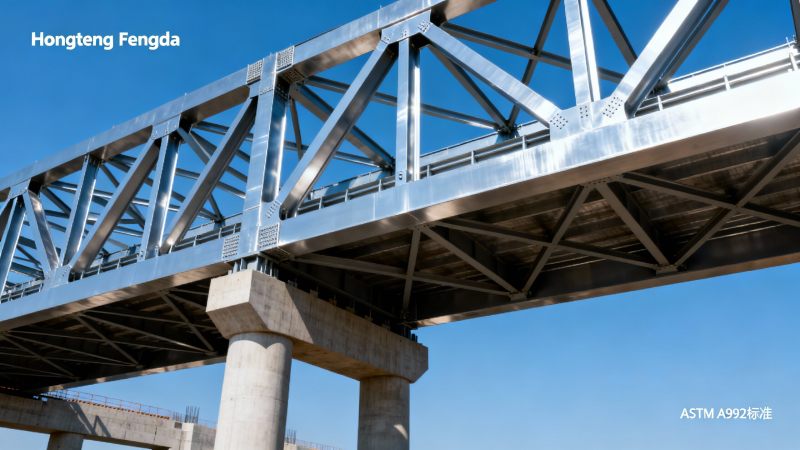
A steel girder is a main horizontal support structure used in bridges, towers, buildings, and other large-scale infrastructure. In practical engineering, it carries heavy loads, transfers stress, and ensures overall structural integrity. Quality indicators for steel girders generally encompass five dimensions: material purity, mechanical strength, dimensional precision, weldability, and corrosion resistance. Each of these factors directly affects safety margins, maintenance costs, and lifespan. Selecting girders that meet or exceed ASTM, EN, JIS, or GB standards ensures not only compliance but also reliability in challenging environments such as coastal regions or high-humidity industrial zones. Comparing angle vs channel profiles provides further understanding of how geometry contributes to efficiency and stability. Procurement teams and engineers should examine whether suppliers hold strict quality documentation and test reports, including chemical composition and tensile strength certificates. Such attributes are decisive for long-term project success.
Market Overview and Global Sourcing Context
The global steel industry, driven by increasing infrastructure investments in transportation and energy, continues to evolve toward stricter quality control and sustainable production. For purchasers sourcing steel girders, market variability in raw material availability and compliance with technical standards requires a strategic sourcing approach. Chinese manufacturers, like Hongteng Fengda, have established strong reputations through consistent quality, advanced rolling technologies, and reliable logistics. They export to North America, Europe, the Middle East, and Southeast Asia, supporting construction giants and local contractors alike. Global buyers increasingly assess suppliers through audits, third-party inspections, and traceability systems to ensure transparency from billet to beam. Complementary products, including steel conduit, steel roof sheet, and steel tube, are typically evaluated under similar criteria when assessing mechanical consistency, zinc coating thickness, and performance under stress. These integrated sourcing strategies enable construction and industrial clients to mitigate risk, reduce delay, and control total project cost.
Technical Performance and Key Quality Indicators
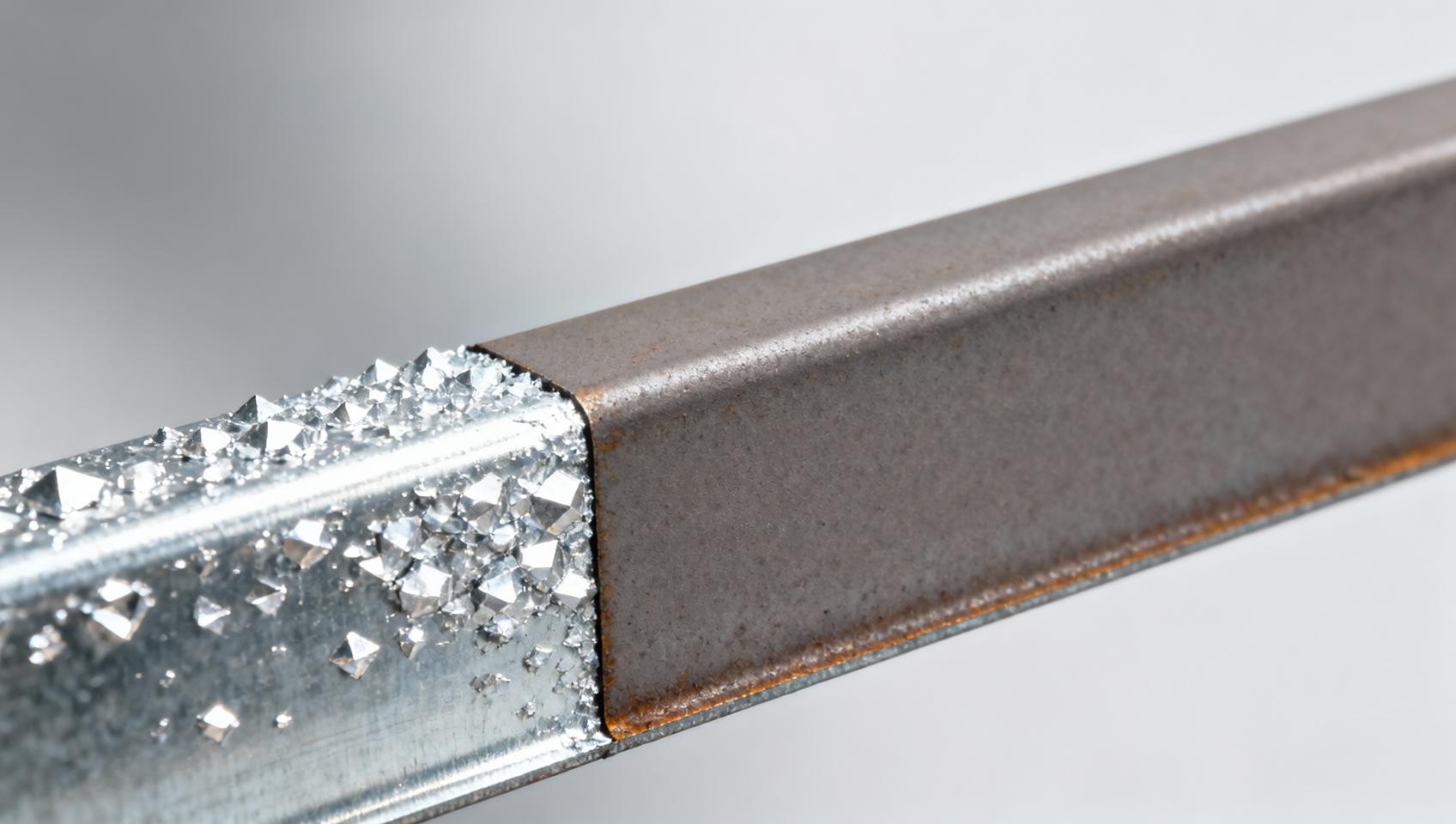
Five major quality indicators determine a girder’s suitability for large-scale projects. Firstly, composition purity defines the presence of low residual elements such as phosphorus or sulfur, which may weaken performance under fatigue. Secondly, mechanical properties, including yield and tensile strength, typically align with parameters of 235 to 550 MPa for high-strength structural steels. Thirdly, dimensional tolerance ensures that fabrication and assembly proceed seamlessly, avoiding misalignment or welding stress concentrations. Fourthly, surface protection coatings like galvanization or epoxy painting resist oxidation and enhance long-term durability. Fifthly, weldability and machinability guarantee ease of onsite adjustments without compromising microstructure integrity. Hongteng Fengda maintains rigorous testing for each batch, verifying hardness, impact resistance, and microstructure through modern QC protocols. When integrated into bridge or highway systems, steel girder alignment accuracy and internal grain structure both influence vibration response and load distribution. Those details, though microscopic, translate directly into large-scale safety outcomes.
Comparison Analysis: Angle vs Channel and Related Components
In practical design considerations, comparing angle vs channel sections helps engineers balance weight and strength ratios. An angle steel provides excellent support at corners or connections, while a channel steel offers effective vertical load-bearing within a framing system. Steel beams, steel tubes, and square rods complement these components by reinforcing bending resistance or shear distribution. Each has a role depending on the structural layout. For example, a steel square rod may serve in lattice frameworks requiring torsional strength, while steel rail products provide the backbone of transportation systems that demand long-term fatigue resistance. Technical staff should assess cross-section geometry, connection method, and applied loading pattern to determine which material configuration maximizes efficiency. Many projects also combine galvanized elements for corrosion resistance and aesthetic value. The continued evolution of production lines in China allows suppliers like Hongteng Fengda to deliver high-precision shapes through hot-rolled and cold-formed processes, meeting distinct engineering specifications across different environmental conditions.
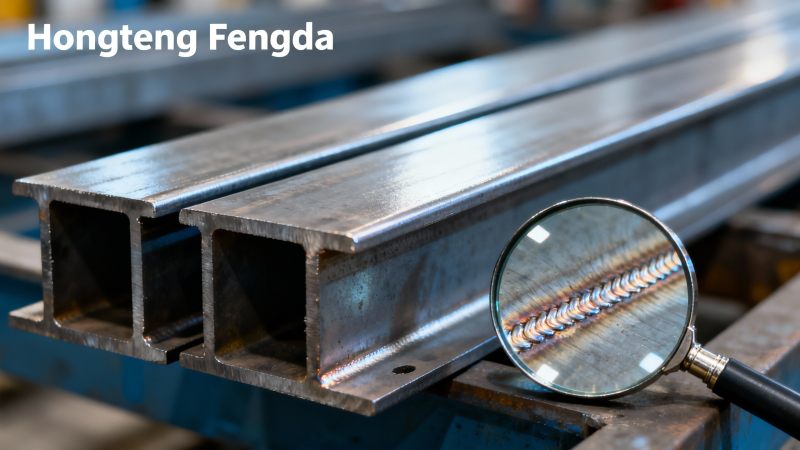
Procurement Guide and Sourcing Considerations
Effective procurement of steel girders integrates technical evaluation with commercial strategy. Buyers should clearly define mechanical standards, evaluate supplier certifications, and request traceability for every production lot. Batch testing data, dimensional inspection results, and welding procedure records are essential during pre-qualification. Logistics management also matters—stable lead times and packaging integrity affect cost efficiency. Hongteng Fengda’s supply chain is designed for flexibility: both standard and OEM specifications are available to match project schedules. Procurement teams are advised to consider complementary steel materials, including steel conduit for wiring protection or steel roof sheet for structural coverage. Another useful product for secondary applications is Hot Dipped Galvanized Steel Wire, which features low carbon steel composition (Q195 or Q235), zinc coating thickness of 8–25 g/m², and tensile strength up to 550 MPa. It supports construction, wire mesh, or barrier isolation applications with corrosion-resistant, bright, and durable performance. Integrating diversified materials from a trusted source can optimize project coordination and minimize supplier management costs.
Standards and Certification
International standards govern structural safety and quality assurance across construction projects. ASTM A992, EN 10025, JIS G3101, and GB/T700 define ranges for chemical composition, mechanical properties, and dimensional accuracy. Certified suppliers must also demonstrate compliance with ISO 9001 for quality management and ISO 14001 for environmental management, ensuring sustainable and consistent production practices. Inspections performed by third-party agencies reinforce buyer confidence through independent verification. Hongteng Fengda enforces multi-level checks, from chemical spectrometry to ultrasonic defect scanning, before shipment. Documentation transparency gives engineers quantitative assurance that each steel girder meets global criteria. Additionally, protective coatings are tested for adhesion and thickness uniformity, ensuring the surface meets anti-corrosion standards demanded for marine or humid climates. Buyers should verify that each mill test certificate aligns with the desired grade. Aligning technical documents with international benchmarks reduces rework, prevents specifications mismatch, and supports smooth project approvals.
Case Studies and Real-World Applications
Recent infrastructure expansions showcase how high-quality girders improve efficiency and safety. One Asian bridge contractor selected Hongteng Fengda’s steel beams due to their consistent dimensional accuracy and easy assembly on-site, leading to a 15% reduction in installation time. In another example, an energy facility in the Middle East used customized steel channel structures paired with corrosion-resistant Hot Dipped Galvanized Steel Wire for supporting mesh enclosures, demonstrating excellent resistance to saline air exposure. These use cases highlight the benefits of integrated structural solutions under varied climates and loading demands. The combination of steel rail and girder systems underlines how modular steel structures simplify large-scale installations. Each successful project strengthens the importance of comprehensive supplier collaboration—from design consultation to post-delivery quality review. Contractors, procurement teams, and safety managers report enhanced reliability when engaging a supplier with advanced testing and packaging capabilities.
Trend and Insights for the Steel Industry
The steel industry is rapidly transitioning toward precision manufacturing, digital monitoring, and low-emission production methods. Intelligent traceability systems and automated inspection lines enhance consistency from the casting phase to finished beams. New processes, such as grain refinement and alloy optimization, enable thinner yet stronger girders, assisting sustainable construction goals. Increasing emphasis on green infrastructure projects boosts demand for certified, recyclable steel materials. Sourcing strategies thus evolve toward partners that can demonstrate environmental commitment alongside mechanical excellence. Hongteng Fengda invests continuously in process innovation, coupling robotic welding and real-time quality feedback loops to maintain accuracy across production runs. For engineers and decision-makers, tracking these developments ensures alignment between project design and available product performance. Predictive maintenance systems and AI-driven inspection will further redefine acceptance standards. Collaboration between manufacturers and end users will remain the key to building safer, more efficient, and environmentally responsible infrastructures worldwide.
Why Choose Hongteng Fengda
Choosing Hongteng Fengda means selecting proven reliability, modern manufacturing integrity, and complete technical support. The company integrates advanced production equipment with strict quality controls covering angle steel, steel beams, channel steel, and cold-formed sections. Its engineering team collaborates directly with clients for design customization, packaging planning, and logistics optimization. Whether supplying heavy girder components or accessory items such as steel square rod and steel conduit, Hongteng Fengda adheres to international standards to ensure compliance and excellence. Serving clients across multiple continents, the company provides stable capacity and timely response that support complex schedules. As a trusted structural steel partner, Hongteng Fengda contributes to safer construction, greater cost efficiency, and long-term durability. To discuss tailored solutions or request a technical consultation, interested partners and distributors can contact the company directly through its official channels for professional guidance and reliable supply.
- channel steel
- steel i
- l angle
- angle steel
- hot dipped galvanized steel wire
- galvanized steel wire
- ot Dipped Galvanized Steel Wire
- galvanized steel
- structural steel
- steel beams
- Structural Steel
- Steel Beams
- wire mesh
- Profile
- Galvanized
- Steel Beam
- Steel Wire
- Steel Channel
- carbon steel
- steel conduit
- steel roof sheet
- steel tube
- steel rail
- steel girder
- steel angle
- steel square rod
- angle vs channel
Related recommendations
 Is acero galvanizado para exterior vulnerable to white rust formation during monsoon storage?Acero galvanizado para exterior *is* vulnerable to white rust in monsoons — but it’s preventable. Discover proven storage & handling strategies that protect your structural steel.
 Does ASTM A 36 plate meet impact toughness requirements for low-temperature bridge girders?Does ASTM A 36 plate meet low-temp bridge requirements? Short answer: no—unless specially tested. Discover why toughness matters more than strength in cold climates.
 Does ASTM A653 certification cover both zinc-coated and zinc-iron alloy coated steels?ASTM A653 covers both zinc-coated and zinc-iron alloy coated steels—but they’re not interchangeable. Learn key differences in testing, performance & certification.
 Does acero prepintado require surface pretreatment before welding or cutting?Does acero prepintado require pretreatment before welding or cutting? Discover when grinding is essential—and when it’s not—for safety, weld integrity & corrosion resistance.
Please give us a message


Please enter what you want to find