Understanding the right Steel Channel for structural support is critical for ensuring strength, safety, and longevity in modern construction. Engineers, project managers, and procurement teams must consider load-bearing requirements, fabrication standards, and compliance with ASTM, EN, JIS, or GB specifications. As a trusted Structural Steel Manufacturer & Exporter from China, Hongteng Fengda provides high-quality solutions not only for mezzanine floors and architectural designs but also for specialized applications such as steel piles for port construction and rebar for earthquake resistance. The company’s products adhere to international quality benchmarks, ensuring that every steel channel meets precise dimensional tolerances and mechanical properties for dependable performance in complex engineering structures.
Definition and Structural Importance of Steel Channels
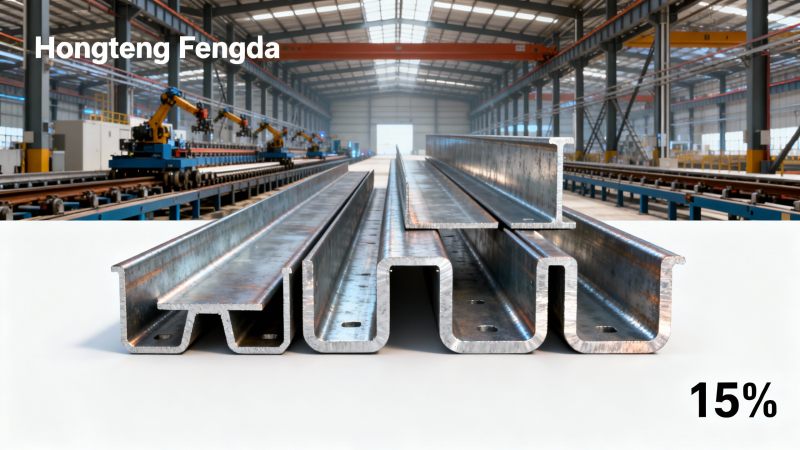
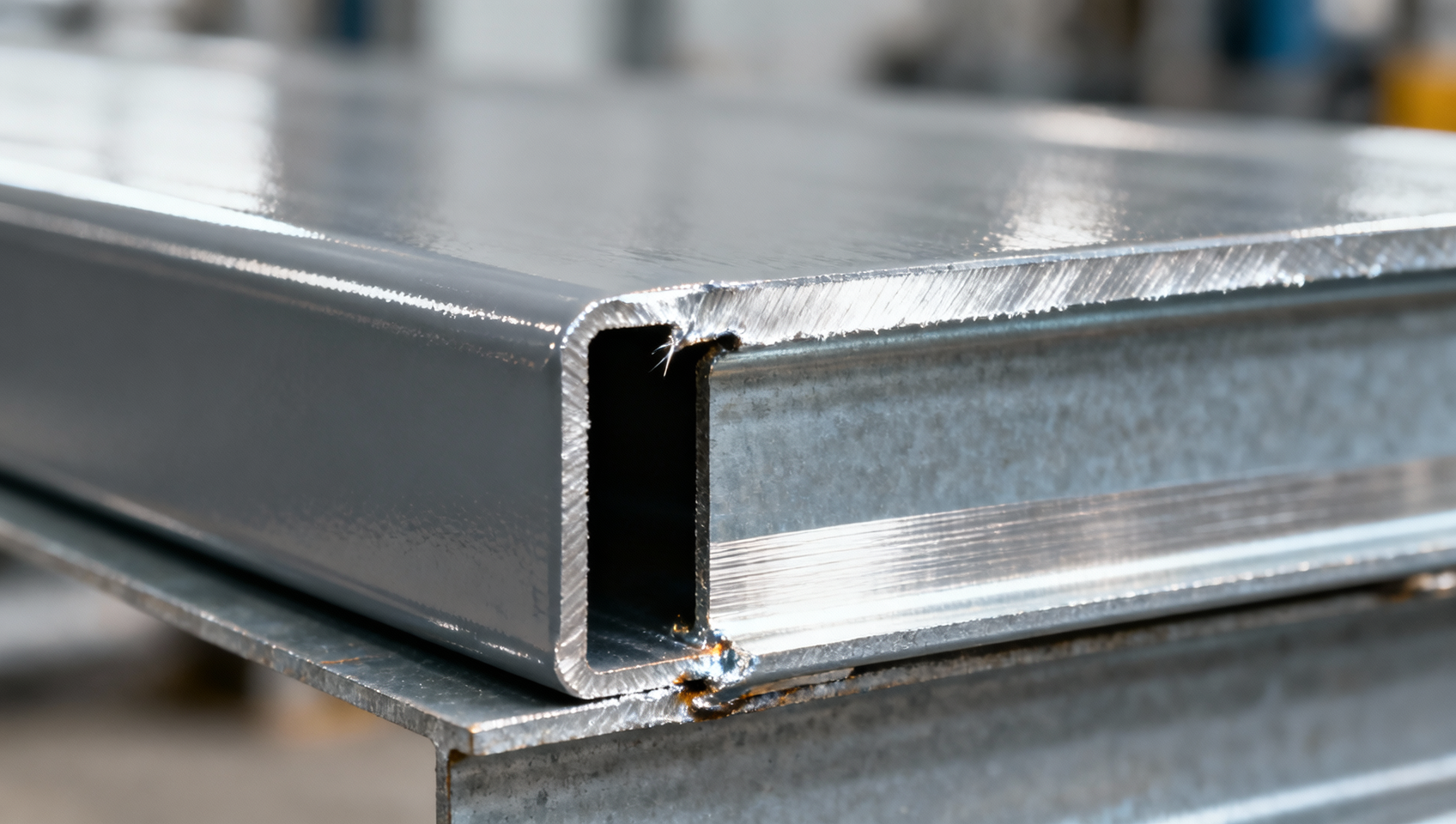
Steel channels, often referred to as C-channels or U-channels, are fundamental structural components used to carry loads across various building applications. They are commonly produced through hot-rolled or cold-formed processes, offering versatile usage in frames, mezzanine floors, beams, and bracing systems. The unique geometry of a Steel Channel for structural support allows it to provide enhanced torsional resistance and high strength-to-weight ratio, which is why architects and structural engineers prefer it in both commercial and industrial frameworks. In the context of modern global construction, the choice between carbon steel for pressure vessels and a steel channel depends heavily on design demands, environmental exposure, and cost efficiency. With standards such as ASTM A36, EN 10025, and JIS G3192, these profiles can be manufactured in varying thicknesses and flange dimensions according to project specifications. When paired with complementary products like the Wire rod, which ensures reinforcement flexibility, structural reliability is further improved.
Market Overview and Global Demand Trends
In the last decade, the global steel market has witnessed a dynamic transformation driven by urbanization, infrastructure renewal, and energy transition projects. Steel Channels for mezzanine floors and industrial plants occupy a significant share of this demand owing to their adaptability and reusability. Countries across North America, Europe, the Middle East, and Southeast Asia continue to expand their construction investments, creating consistent requirements for structural profiles that comply with ASTM and EN standards. Moreover, sustainability initiatives urge industries to seek high-performance yet recyclable materials, placing steel in a superior position versus alternatives such as reinforced concrete. For engineers, understanding carbon steel for automotive industry usage patterns can also reveal specific metallurgical advantages applicable to structural channels, such as improved elasticity under thermal stress. Hongteng Fengda’s capability to produce cold-formed steel profiles under tight tolerances supports this global trend, ensuring stable lead times and reduced sourcing risks for international buyers.
Technical Performance and Fabrication Standards
Fabrication standards play a vital role in determining how a Steel Channel for structural support performs in service environments. Engineers must evaluate parameters like yield strength, tensile strength, and deflection under distributed loads. The company’s production lines are equipped with advanced rolling mills that maintain uniform thickness and cross-sectional integrity across batches. Hongteng Fengda ensures that each channel steel complies with relevant ASTM, EN, JIS, and GB certifications. Beyond steel channels, their extensive product spectrum extends to pre-painted steel sheet for aesthetic design, corrugated steel sheet for roofing reinforcement, and steel rebar for earthquake resistance. For precise control, fabrication involves secondary processes such as galvanizing, cutting, or welding, all of which follow ISO and SGS quality verification. Many modern designs integrate steels with treatments like anti-rust oil or PVC coating to improve corrosion resistance in coastal or humid regions. The integration with reinforcing materials such as Wire rod offers additional flexibility for load distribution, particularly in composite structures where channels act as the primary frame.
Application Scenarios Across Industries
Steel channels are crucial not only in building frameworks but also in specialized infrastructures. Typical use cases include container frames, bridges, transmission towers, and warehouse mezzanine floors. In the oil and gas industry, the Steel Channel for structural support is often combined with carbon steel for pressure vessels to create durable skid-mounted modules. Transportation projects, such as steel bar for railway construction, benefit from the stiffness and fatigue resistance of standardized channel profiles. In architectural innovations, designers adopt steel profile for architectural design applications to provide aesthetic appeal and structural strength. The flexibility of the channel’s open cross-section means it can easily integrate with beam systems, trusses, and floor decking. Furthermore, with the increasing adoption of green building codes, high-strength carbon steel channels offer longer service life and reduced replacement costs, contributing to sustainable construction goals worldwide.
Comparison Analysis and Material Advantages
When comparing a Steel Channel for structural support to other structural elements such as I-beams, T-bars, or hollow sections, notable differences arise in mechanical characteristics and fabrication convenience. C-shaped channels are easier to install and require less welding effort than wide-flange beams. They also allow efficient bolt connections for modular construction systems, making them ideal for prefabricated buildings. Compared with hot-rolled H-beams, channels generally save material while retaining substantial load capacity, optimizing both cost and weight. They deliver reliable performance for seismic applications when combined with steel rebar for earthquake resistance frameworks. On the other hand, hollow tubes may offer higher moment of inertia but are costlier to fabricate and inspect. Hence, choosing channel steel presents a practical equilibrium between performance, cost, and manufacturability. Hongteng Fengda’s emphasis on precision hot rolling and surface treatment ensures smooth welding compatibility and dimensional uniformity that global engineers demand.
Procurement Guide and Quality Considerations
When sourcing structural steel, procurement managers and project decision-makers must focus on certification, traceability, and mechanical consistency. A Steel Channel for structural support should always be accompanied by mill test reports and compliance certificates such as ASTM A36/A572, JIS G3101, or EN 10025-2. Buyers should verify dimensional tolerances, load-bearing ratings, and surface treatment specifications before finalizing orders. Hongteng Fengda assists clients in customizing the shape, size, and coating according to regional construction regulations and specific design needs. For example, galvanized and black-painted finishes can resist corrosion in marine environments, while cold-formed lightweight channels help reduce overall structure weight. Furthermore, effective jointing with complementary steel components—like beams, angle steels, or other carbon steels—ensures that every structure achieves integrated performance. By streamlining supply chain transparency, the manufacturer allows engineers to avoid costly inconsistencies caused by mismatched batches or inferior metallurgy.
Standards and Certification Compliance
Manufacturers must ensure their steel products comply with diverse international specifications to match global project requirements. Channels produced under ASTM A36 or EN S355 standards follow strict tolerances on yield stress and elongation, providing predictable structural performance. Hongteng Fengda maintains a robust documentation trail, enabling customers to trace every product’s batch number. Furthermore, the factory has achieved certifications including ISO, CE, SGS, and BV, showcasing its compliance towards technical integrity. Their products align with the mechanical requirements commonly specified for offshore platforms and high-rise buildings. For large infrastructure like steel pile for port construction, high yield channels are essential to handle compressive loads and lateral stress. This combination of standards verification and controlled production ensures the reliability of every shipment to overseas markets, substantially minimizing risk for procurement and project management teams.
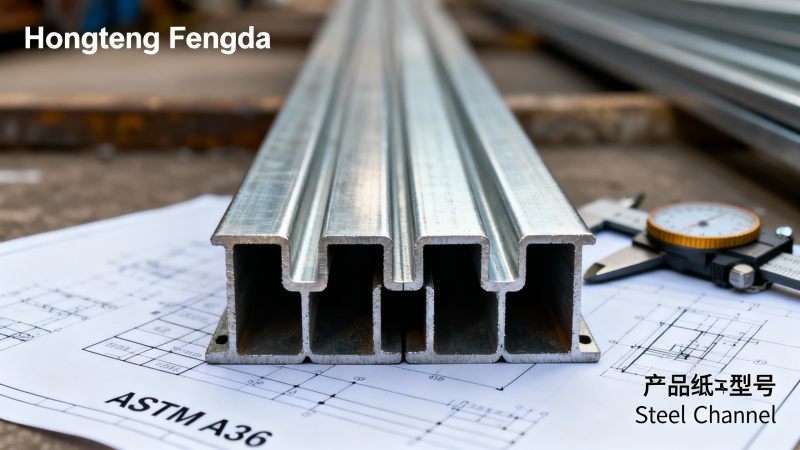
Case Studies: Performance in Global Projects
Hongteng Fengda’s steel channels have been deployed in numerous international projects where structural reliability and long-term durability were paramount. In a Middle Eastern logistics warehouse expansion, their steel channel for mezzanine floors reduced total steel consumption by 8% while maintaining load safety margins. Another case involved a Southeast Asian coastal bridge where the combination of channel beams and galvanized steel bars provided exceptional corrosion resistance under saline humidity. In North America, their pre-painted steel sheet was used to complement internal framing systems for modern architectural facades. Such examples underline that the company’s integrated fabrication expertise is not limited to traditional shapes; it actively supports custom-engineered channels for architectural and industrial transformations. For clients seeking dependable solutions, partnering with a proven Structural Steel Manufacturer & Exporter from China leads to improved lifecycle performance and reduced maintenance intervals.
Trend and Future Insights
The future of steel channel applications is rapidly evolving towards automation, prefabrication, and digital modeling. Engineers today rely heavily on BIM (Building Information Modeling) to analyze load paths and material efficiency. Hongteng Fengda leverages these advanced digital integrations to optimize profile geometry and reduce waste during cutting and assembly. As construction embraces sustainability, recycled steel and low-carbon fabrication methods are becoming the norm, guiding the development of carbon steel for pressure vessels and eco-friendly channel products. The use of AI-driven inspection tools during milling processes further enhances quality precision and minimizes human error. Capitalizing on steady demand from renewable energy projects—such as solar panel mounting structures and offshore wind platforms—steel channels will continue serving as the backbone for critical global infrastructure over the next decades. Buyers who align early with certified suppliers gain stronger assurance of supply chain stability and cost efficiency.
Why Choose Hongteng Fengda
Hongteng Fengda stands out through its integrated production capacity, global logistics coordination, and unwavering adherence to fabrication standards. By focusing on customer requirements across civil engineering, manufacturing, and architectural sectors, it ensures every Steel Channel for structural support meets the performance expectations of international contractors. The firm’s expertise covers angle steel, beams, cold-formed profiles, and custom components, each subjected to rigorous inspection and testing. Dedicated to clients in North America, Europe, the Middle East, and Southeast Asia, Hongteng Fengda minimizes sourcing risks and ensures competitive pricing through efficient production management. Whether the goal is to secure compliant materials for port construction, railway infrastructure, or modern buildings, choosing Hongteng Fengda as your long-term steel partner guarantees quality, dependability, and responsive service. For technical inquiries or bulk orders, customers are encouraged to contact their professional sales team to discuss tailored structural solutions.
- structural channel
- channel steel
- channel beam
- steel i
- h beam
- angle steel
- wire rod
- galvanized steel
- ASTM A36
- structural steel
- H channel steel
- steel profiles
- Structural Steel
- I-Beam
- Profile
- Rebar
- H-beam
- Galvanized
- Steel Channel
- carbon steel
- steel sheet
- steel rebar
- steel profile
- steel pile
- steel bar
- corrugated steel sheet
- carbon steel for automotive industry
- Steel Channel for structural support
- steel bar for railway construction
- steel pile for port construction
- steel profile for architectural design
- steel rebar for earthquake resistance
- pre-painted steel sheet
- carbon steel for pressure vessels
- Steel Channel for mezzanine floors
- steel sheet for roofing
Related recommendations
 Is acero galvanizado para exterior vulnerable to white rust formation during monsoon storage?Acero galvanizado para exterior *is* vulnerable to white rust in monsoons — but it’s preventable. Discover proven storage & handling strategies that protect your structural steel.
 Does ASTM A 36 plate meet impact toughness requirements for low-temperature bridge girders?Does ASTM A 36 plate meet low-temp bridge requirements? Short answer: no—unless specially tested. Discover why toughness matters more than strength in cold climates.
 Does ASTM A653 certification cover both zinc-coated and zinc-iron alloy coated steels?ASTM A653 covers both zinc-coated and zinc-iron alloy coated steels—but they’re not interchangeable. Learn key differences in testing, performance & certification.
 Does acero prepintado require surface pretreatment before welding or cutting?Does acero prepintado require pretreatment before welding or cutting? Discover when grinding is essential—and when it’s not—for safety, weld integrity & corrosion resistance.
Please give us a message


Please enter what you want to find