Understanding Thermal Stability of Stainless Steel Round Bar in Industrial Applications
In demanding industrial and construction applications, understanding how a stainless steel round bar performs under high-temperature conditions is essential for material selection and project reliability. As a leading structural steel manufacturer and exporter from China, Hongteng Fengda provides insight into thermal resilience and mechanical stability across materials such as SGCC, C-shaped steel, cold rolled steel, stainless steel square bar, ASTM A106 Gr.B, and steel tubing. This comparison helps engineers, quality managers, and procurement professionals choose the right steel solution for high-performance environments. High-temperature resistance directly affects the lifespan of a component, its load-bearing capacity, and dimensional stability during prolonged exposure to extreme operations such as chemical processing, power generation, or oil refining. Stainless steel, known for its chromium-rich composition, resists oxidation up to 870°C, yet different grades vary greatly in performance. Understanding these distinctions is vital for decision-makers aiming to reduce maintenance frequency and avoid structural degradation. Hongteng Fengda not only produces various grades of structural steels but also guides clients through technical selection to align materials with operational conditions. Drawing from experience in international standards like ASTM and EN, the company integrates metallurgical testing data and on-site performance results to help enterprises achieve long-term project assurance. By exploring comparative performance, this article enables both buyers and engineers to make precise, cost-effective decisions based on empirical strength, thermal conductivity, and fatigue resistance characteristics under elevated temperature exposure.
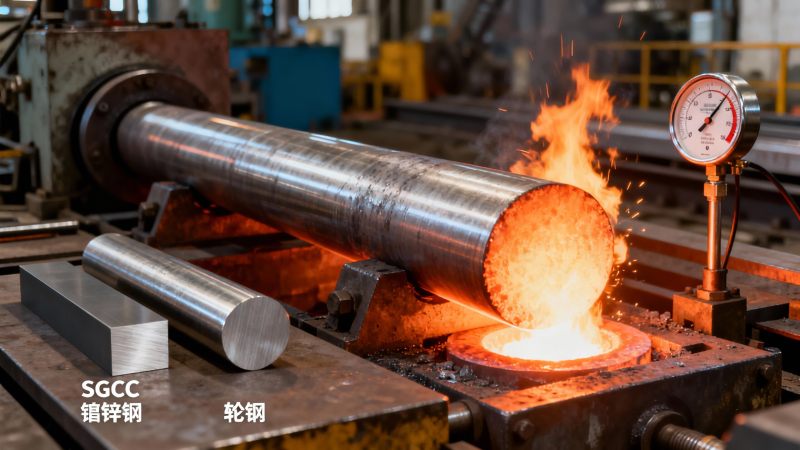
Comparing Stainless Steel Round Bars Against Other Structural Steels
When comparing stainless steel round bars with SGCC galvanized steel, cold rolled steel, or ASTM A106 Gr.B seamless pipes, significant differences arise in oxide film integrity and tensile stability at elevated temperatures. Stainless steel round alloys, particularly austenitic types, sustain ductility even after multiple heating cycles, while materials like SGCC or C-shaped steel may lose yield strength once temperatures exceed 400°C. This resilience stems from chromium oxide layers that form a self-healing barrier, effectively preventing scaling and corrosion in heat-exposed industrial setups. In contrast, ASTM A106 Gr.B, despite being an outstanding carbon steel for high-pressure systems, begins to drop in impact strength above 500°C. Cold rolled steel shows superior dimensional precision but generally lacks the same oxidation tolerance, requiring protective coatings when exposed to thermal stress. For fabricators designing heat exchangers, processing equipment, or offshore platforms, recognizing these performance boundaries makes a substantial difference in lifecycle cost. Research also demonstrates that stainless steel square bar and steel tubing with higher nickel content minimize creep deformation, ensuring dimensional reliability over long cycles. Hongteng Fengda’s production control employs continuous testing aligned with EN and JIS standards, ensuring consistent metallurgical quality. The company’s practical field data confirm that stainless steel round bars outperform general-purpose carbon steels in fluctuating temperature environments typically found in petrochemical and energy sectors, providing engineers confidence in sustained operational safety.
Heat Treatment, Alloy Composition, and Performance Factors
The performance of a stainless steel round bar under high-temperature conditions largely depends on its chemical composition and heat-treatment process. Chromium, nickel, and molybdenum are among the key elements that enhance oxidation resistance and mechanical integrity. For example, a 304 stainless bar with 18% chromium and 8% nickel exhibits strong oxidation resistance, while grades like 316L with molybdenum provide added chloride stress corrosion resistance, important for chemical and marine applications. Conversely, steels such as SGCC or cold rolled steel rely on zinc and carbon control to improve surface properties but cannot achieve similar thermal endurance. Heat treatment methods such as solution annealing and water quenching refine grain boundaries to prevent carbide precipitation, which otherwise could weaken high-temperature tensile properties. For C-shaped steel used in structural frameworks, design enhancement focuses on optimizing strength-to-weight ratio rather than heat endurance. Depending on engineering requirements, hybrid adoption of ASTM A106 Gr.B seamless steel tubing and stainless steel square bar components can achieve both cost efficiency and temperature reliability. Moreover, Hongteng Fengda’s advanced production technology ensures consistent alloy uniformity through precision-controlled furnaces and automated rolling systems. The company’s in-house laboratory applies EN10248 and ASTM standards to every manufacturing batch to ensure accuracy. With proper metallurgical processing, the stainless steel round material maintains hardness above 200HB at elevated levels, outperforming common structural alternatives. Such sophisticated material preparation supports industries striving for performance-based procurement, reducing lifecycle costs and unforeseen downtime.
Integration with Structural Systems and Complementary Products
In large infrastructure and offshore construction projects, various steel profiles are integrated to achieve comprehensive structural functionality. The stainless steel round bar often acts as a reinforcement element in combination with beam assemblies, C-shaped steel channels, or structural sheet components. Hongteng Fengda additionally supplies related materials such as Steel Sheet Piles, designed for construction in deep water and formation of cofferdams. These piles come in multiple grades—S275, S355, S390, S430, SY295, SY390, and ASTM A690—compliant with EN10248, JIS5528, and ASTM production standards. With single lengths up to 80 meters, they demonstrate high strength and superb reusability, ensuring effective soil retention even in harsh environmental conditions. Integrating such components with stainless steel round bars enhances the overall thermal and structural stability of projects such as bridge foundations, port installations, and retaining walls. For project managers evaluating combined solutions, understanding the synergy among different steel types—SGCC plating layers protecting cold rolled panels from oxidation, ASTM A106 Gr.B tubes maintaining pressure lines, and stainless assemblies ensuring corrosion resistance—leads to optimized engineering performance. This holistic material approach reduces maintenance complexity and ensures that design and safety specifications remain consistent throughout the asset life cycle, especially in high-stress temperature applications.
Market Outlook and Technological Trends in High-Temperature Steel Solutions
The global demand for stainless steel round bars and high-performance alloys continues to rise across energy, aerospace, and construction sectors. Market growth is driven by the need for materials supporting higher thermal loads and environmental compliance. Manufacturers like Hongteng Fengda increasingly invest in advanced forging, continuous casting, and surface treatment technologies. Intelligent temperature control systems in modern rolling facilities ensure precise metallographic structures, improving consistency across batches of stainless steel round and square bars. Meanwhile, new solutions in nanostructured coatings are being developed to enhance scaling resistance beyond traditional chromium oxide barriers. At the same time, the growing adoption of cold rolled steel in lightweight, low-heat environments complements the use of stronger and heat-resistant steels in process-intensive sectors. For engineers implementing hybrid structures, combining ASTM A106 Gr.B pipelines with stainless tubing and SGCC-processed coatings offers flexibility across operating temperatures. Hanwu Steel and other reputable producers have also contributed to technological exchanges in this segment, promoting standardization and digital traceability in production data, which aligns with international procurement requirements. The ongoing evolution of green manufacturing and recyclability in structural steel design integrates lifecycle and environmental cost assessments, allowing project owners to meet both performance and sustainability goals. Therefore, the diversity of application scenarios—from industrial kilns to marine retaining systems—continues to expand, reinforcing the importance of data-based steel performance evaluation.
Performance Optimization and Practical Selection Guidance
Choosing the correct steel grade involves assessing temperature range, load stress, and environmental exposure. Stainless steel round bars excel where both mechanical load and corrosion resistance are essential, while SGCC or cold rolled steel can be ideal for enclosed structural frameworks. ASTM A106 Gr.B pipes deliver reliable pressure handling in moderate heat zones, whereas C-shaped steel channels contribute to rigidity and assembly flexibility. For developers working in coastal or chemical environments, stainless steel square bars ensure lower failure risks due to stress oxidation. Hongteng Fengda’s technical team assists clients by performing simulation-based thermal expansion analyses, offering precise data on dimensional tolerances under high loads. Moreover, its comprehensive product line, including reusable and waterproof Steel Sheet Piles, enables customers to complete complex projects swiftly while maintaining compliance with ISO9001, ISO14001, and CE FPC standards. These integrated steel systems lead to reduced sourcing risks and improved cost control. For industries emphasizing productivity and safety, applying data-driven material selection—covering both stainless and carbon-based steels—ensures consistent reliability across production cycles. Such evidence-based engineering brings tangible returns in reduced failures, optimized inventory, and extended asset longevity, reflecting Hongteng Fengda’s continuing commitment to its clients’ success through trusted partnership and professional service.
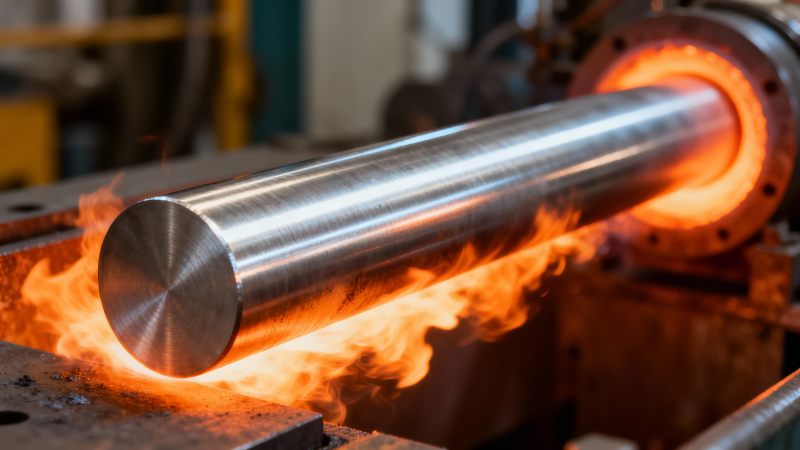
Conclusion and Action Call
In summary, stainless steel round bars provide unparalleled performance in high-temperature conditions compared to SGCC, cold rolled, or ASTM A106 Gr.B steels. Their ability to maintain mechanical integrity, resist oxidation, and perform efficiently under fluctuating heat makes them indispensable for critical industrial and construction applications. When integrated with complementary products like steel tubing, stainless steel square bar sections, or Steel Sheet Piles, these materials form cohesive structural solutions capable of withstanding the toughest environments. Hongteng Fengda, with its modern manufacturing capability and strict adherence to international standards, remains a trusted supplier for projects worldwide. The company’s deep expertise across structural materials enables customers from North America, Europe, the Middle East, and Southeast Asia to accomplish robust engineering outcomes with guaranteed quality and dependable delivery. For engineers, procurement teams, and construction professionals seeking long-term reliability and cost efficiency, partnering with Hongteng Fengda ensures that every steel component—from stainless bars to C-shaped profiles—performs beyond expectation. Contact our team today to explore customized high-temperature steel solutions that deliver both technical precision and commercial value, helping your enterprise build stronger, safer, and more sustainable projects around the world.
- steel i
- h beam
- stainless steel round
- cold rolled steel
- ASTM A106 Gr.B
- seamless pipe
- steel tubing
- ASTM standards
- ASTM standard
- SGCC
- galvanized steel
- Hanwu Steel
- structural steel
- steel profiles
- C-shaped steel
- Structural Steel
- high-temperature steel
- ss pipe
- Profile
- Galvanized
- Steel Sheet Pile
- Steel Channel
- stainless steel square bar
- carbon steel
- steel sheet
- steel profile
- steel round bar
Related recommendations
 Is acero galvanizado para exterior vulnerable to white rust formation during monsoon storage?Acero galvanizado para exterior *is* vulnerable to white rust in monsoons — but it’s preventable. Discover proven storage & handling strategies that protect your structural steel.
 Does ASTM A 36 plate meet impact toughness requirements for low-temperature bridge girders?Does ASTM A 36 plate meet low-temp bridge requirements? Short answer: no—unless specially tested. Discover why toughness matters more than strength in cold climates.
 Does ASTM A653 certification cover both zinc-coated and zinc-iron alloy coated steels?ASTM A653 covers both zinc-coated and zinc-iron alloy coated steels—but they’re not interchangeable. Learn key differences in testing, performance & certification.
 Does acero prepintado require surface pretreatment before welding or cutting?Does acero prepintado require pretreatment before welding or cutting? Discover when grinding is essential—and when it’s not—for safety, weld integrity & corrosion resistance.
Please give us a message


Please enter what you want to find