Choosing between an H 20 beam and an H shape steel is essential to achieving the right balance of strength, cost efficiency, and performance for your construction project. As a trusted structural steel manufacturer and exporter from China, Hongteng Fengda offers high-quality solutions such as industrial I beam, steel H sections, and right angle sheet metal products. Whether you need standard or customized H shaped steel beams, our expertise helps you select the most cost-effective option that meets international standards and project requirements. Global buyers, from structural engineers to procurement managers, often face the challenge of optimizing material costs while ensuring safety and quality. This article explores how to select the right beam type, understand their mechanical properties, and how professional suppliers like Hongteng Fengda add value through consistent quality and customization support.
Understanding the Difference Between H 20 Beam and H Shape Steel
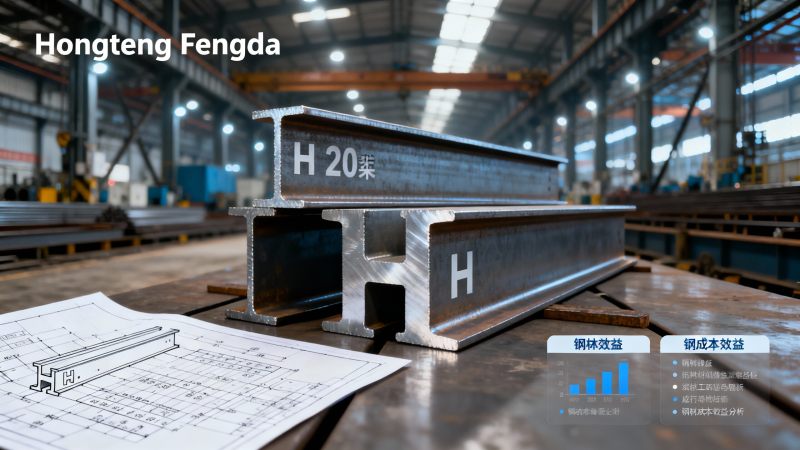
H 20 beam and H shape steel both play a vital role in the structural steel industry. However, the distinction between them lies in geometry, application performance, and manufacturing precision. The H 20 beam is typically used in formwork systems and heavy-duty load-bearing structures such as bridges and large-scale construction projects. Made from high-strength steel materials, it offers superior stability and resistance to bending. On the other hand, the H shape steel, sometimes referred to as H metal beam or steel H sections, is widely applied in both industrial and civil construction, providing excellent load distribution across the flange and web. Because H shaped steel beam features symmetrical flanges and precise dimensions, it allows faster assembly during building or welding operations. When compared with traditional I beams or angle carbon steel, H shape sections minimize material wastage while enhancing torsional capacity. Engineers value them for their efficiency and standardized compatibility under EN and ASTM certifications.
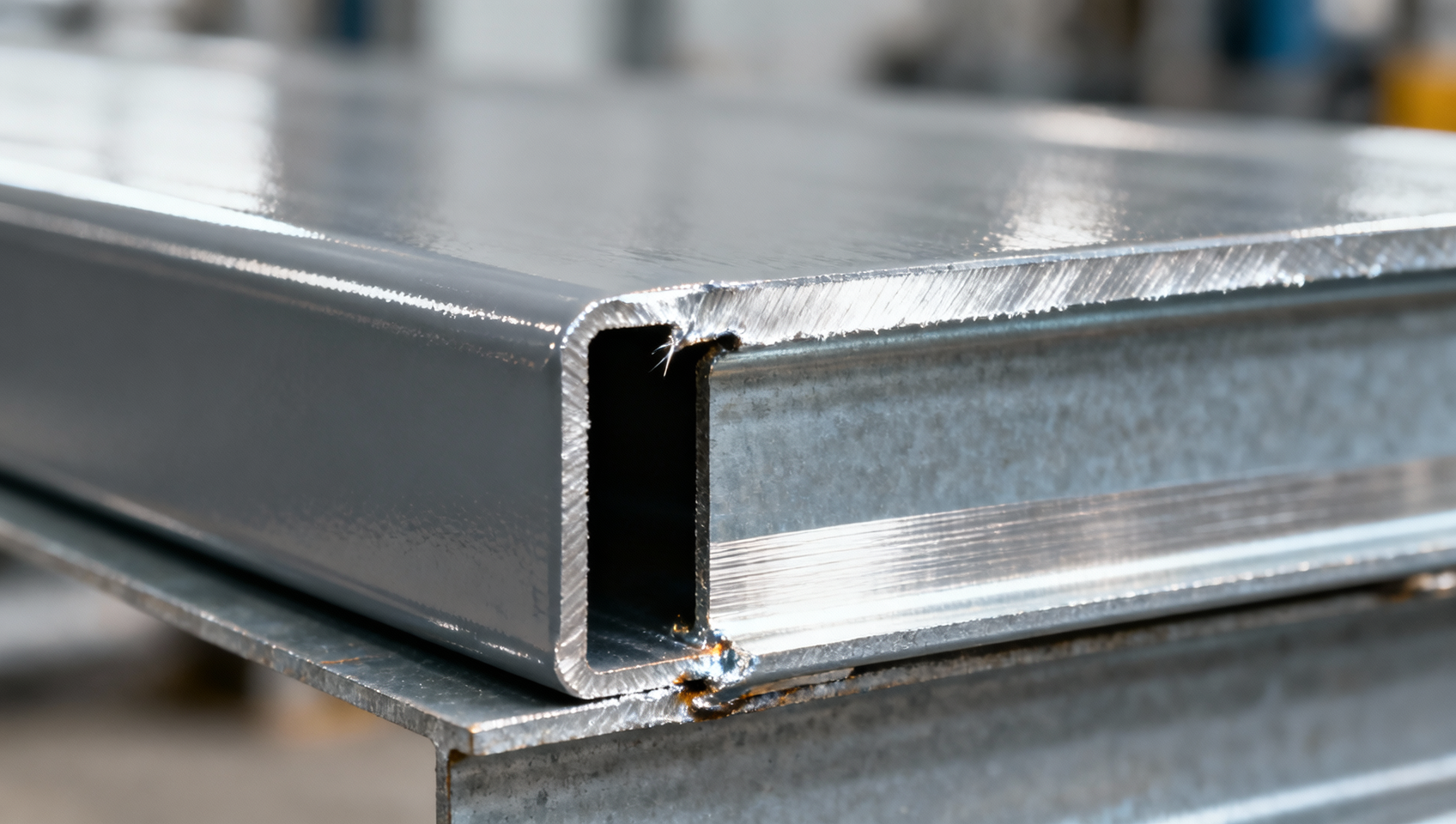
In the context of project design, selecting between a supplier I beam or H 20 beam also relates to budget consideration. H shape steels tend to be more cost-effective for general building frames, while H 20 beams, known for their exceptional stiffness, remain ideal for bridge decks, reinforcement frames, or formwork systems. Structural analysts often use advanced modeling software to determine which beam type optimizes weight-to-load ratios without over-engineering the framework. For instance, Hongteng Fengda supports clients with customized steel profiles—including right angle sheet metal and steel shelf angle solutions—ensuring that every product conforms to GB and JIS standards. This approach reduces sourcing complexity and guarantees a perfect fit between project design and material properties.
Material Properties, Manufacturing Standards, and Quality Considerations
When evaluating structural components like H shaped steel beams and industrial I beams, understanding material standards and production quality is crucial. H 20 beams are produced under strict guidelines such as DIN and EN, often utilizing high-strength carbon steel with optimized cross-sectional thickness. These beams undergo rigorous dimensional testing to ensure straightness and parallelism within acceptable tolerance limits. Likewise, H shape steels, manufactured by reputable companies such as Hongteng Fengda, adhere to ASTM and JIS requirements for mechanical performance, weldability, and corrosion resistance. Each steel section undergoes ultrasonic inspection, tensile testing, and surface treatments such as blasting and painting on demand. The objective is not only to meet engineering strength but also to ensure long-lasting reliability under varying environmental conditions.
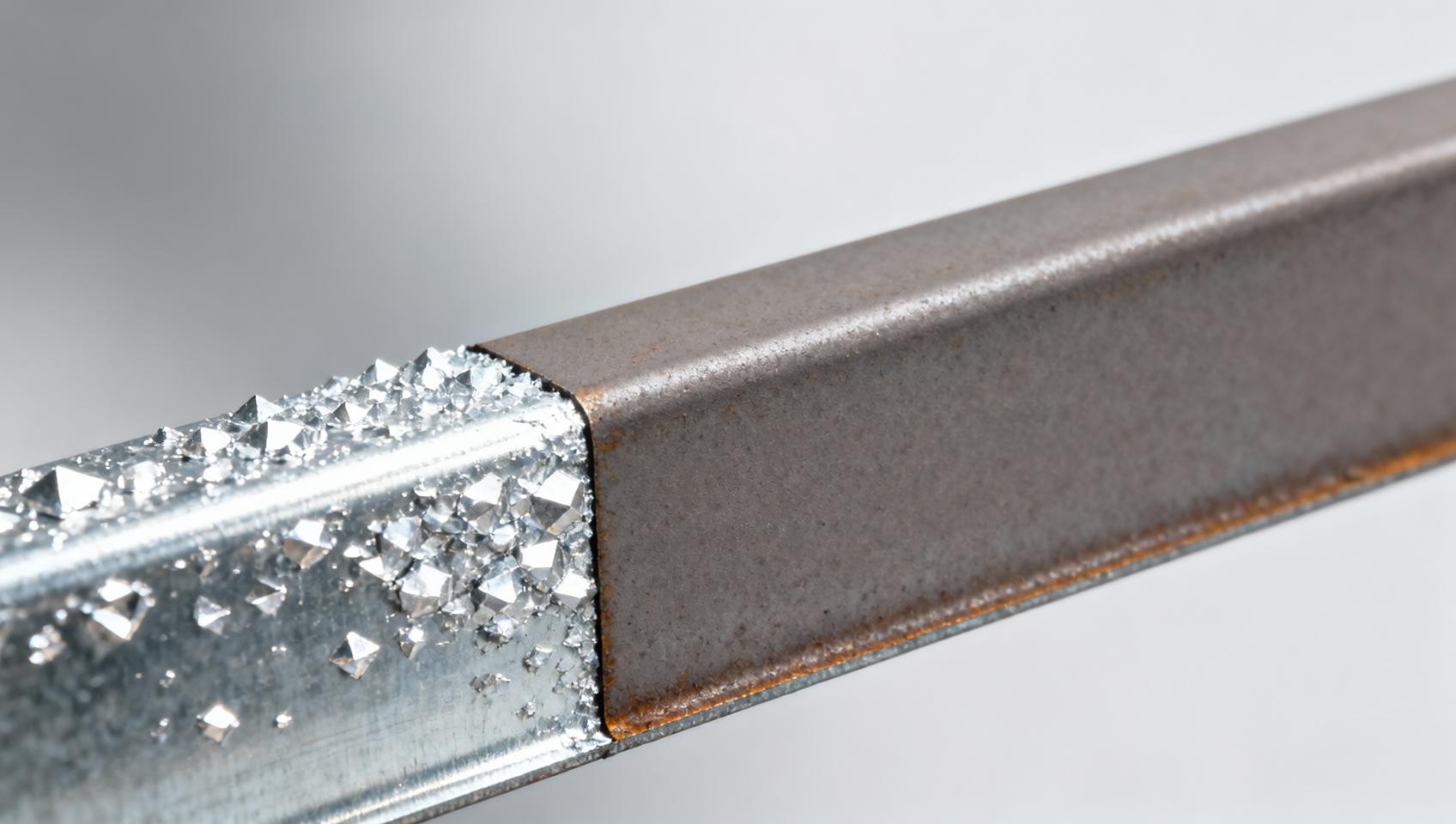
An important consideration for global procurement specialists is the integration of modern anti-corrosion technologies. For example, galvanized coatings significantly enhance steel protection against moisture and oxidation. In structural and pipeline applications, products like Galvanized Pipe with DX52D material are commonly used, offering thickness ranges from 0.1mm to 300mm and customizable lengths up to 12m. These pipes follow AISI, ASTM, and JIS certifications, making them widely applicable in construction, chemical industries, bridges, and transport systems. The hot-dip galvanized layer increases corrosion resistance and extends service life, aligning perfectly with the durability requirements expected in steel H sections and h 20 beam assemblies. When complementing structural frames, galvanization allows developers to maintain long-term stability without excessive maintenance costs.
Cost Efficiency and Design Optimization Strategies
Cost-effectiveness in large engineering projects depends not only on the initial price per ton of steel but also on fabrication costs, assembly time, and lifecycle maintenance. Choosing between an H 20 beam, an H metal beam, or a steel H section must align with load performance and supply chain efficiency. Structured procurement analysis reveals that H shape steels deliver a balance between high bending strength and material economy. Their geometrical accuracy ensures uniform stress distribution, which minimizes the need for redundant reinforcement. This attribute directly reduces fabricating labor. For instance, in multi-level industrial structures, H shaped steel beam configurations facilitate modular assembly methods, saving substantial time on-site. Conversely, H 20 beams, though more expensive, may outperform in environments requiring extra rigidity or repeated reusability such as concrete formwork systems.
To achieve maximum return on investment, project managers leverage comparative modeling techniques such as finite element analysis (FEA). Through such evaluations, engineers determine the required moment of inertia and deflection limits under designated loading conditions. Furthermore, choosing suppliers with advanced quality control like Hongteng Fengda ensures predictable performance and consistent yield strength. The company’s structural steel solutions extend beyond standard products, including customized configurations in angle carbon steel and steel shelf angle categories. These variations help optimize the junctions between columns, beams, and external load-bearing frames. In addition, implementing comprehensive logistic support from manufacturing plants in China reduces lead times and provides seamless quality documentation, including ASTM compliance certificates and EN conformity test reports.
Global Applications and Industrial Use Cases
H shape steels and H 20 beams are fundamental across numerous industries—from commercial construction and bridge engineering to machinery production and transport infrastructure. In modern industrial development, these beams serve as essential load-bearing elements in both permanent and temporary frameworks. For instance, factories and warehouse structures adopt industrial I beams and steel H sections to accommodate heavy equipment and large-span roofs. In offshore or humid environments, galvanized steel components and related materials like Galvanized Pipe ensure the corrosion resistance necessary for pipelines, oil distribution, and supporting frames. Such integration prevents rust-induced failures in oil pipelines, condensation coolers, and ocean platforms. Meanwhile, architects appreciate the uniform dimensional tolerance of H shaped steel beam configurations because they allow for predictable joint details and aesthetic symmetry.
Additionally, in sectors such as coal mining, power generation, and high-rise development, H 20 beam utilization provides unmatched stability for scaffolding and trestle systems. The beams’ well-engineered design supports repetitive loading without deformation, a factor especially critical for bridge deck maintenance projects. In regions requiring compliance with multiple regulatory standards, choosing a manufacturer that provides broad conformity under GB, DIN, and ASTM systems becomes a strategic advantage. Hongteng Fengda’s export portfolio spans North America, Europe, the Middle East, and Southeast Asia, ensuring that international buyers receive products compatible with local building codes. This global reputation is reinforced through consistent product inspection, traceability, and flexible coating solutions such as blasting, painting, and galvanizing according to specific environmental demands.
Future Trends in Structural Steel and Sustainable Manufacturing
The future of structural steel lies in sustainability, modularity, and digital integration. As global urbanization increases, the demand for efficient steel systems like H 20 beam and H shape steel will grow steadily. Technological progress in rolling and welding allows thinner yet stronger steel profiles to be created without compromising mechanical capacity. The use of recycled steel and energy-efficient furnaces is becoming a priority for manufacturers aiming to minimize carbon emissions. Hongteng Fengda continues to invest in eco-friendly production, integrating waste heat recovery and water recycling mechanisms into its steel rolling lines. International buyers increasingly value such environmental accountability when forming supply partnerships. The combination of lightweight materials and digital fabrication (e.g. CNC cutting and robotic welding) enhances accuracy and reduces human error during beam assembly.
Furthermore, collaborations across industries encourage development of hybrid systems combining structural steel with other materials such as concrete and composites, achieving versatile solutions for bridge and tower construction. As automation advances, project managers will be able to trace each batch of steel H sections directly to digital quality certificates, streamlining compliance management. Companies that integrate intelligent supply chain management systems will remain competitive by offering real-time updates, predictive maintenance insights, and transparent delivery schedules. Therefore, when selecting between a supplier I beam, h 20 beam, or h shaped steel beam, decision-makers should evaluate not only cost but also the long-term sustainability and technological adaptability of their chosen partners.
Conclusion and Call to Action
Choosing the right structural element—be it an H 20 beam or an H shape steel—requires comprehensive understanding of load performance, cost, environmental exposure, and sourcing reliability. When guided by a professional manufacturer like Hongteng Fengda, clients gain access to precision-engineered products that comply with ASTM, EN, JIS, and GB standards. The company’s portfolio covers diverse categories, from industrial I beam and steel shelf angle to customized right angle sheet metal, ensuring flexibility for any construction or manufacturing requirement. With consistent quality control, timely delivery, and a global export network, Hongteng Fengda empowers stakeholders to achieve better safety, lower project costs, and sustainable structural integrity. For those planning new projects or optimizing existing steel frameworks, now is the ideal moment to explore high-performance solutions. Contact Hongteng Fengda today to start building stronger, smarter, and more efficient structures worldwide.
- steel i
- h beam
- steel h sections
- h shaped steel beam
- industrial i beam
- h metal beam
- h shape steel
- h 20 beam
- supplier i beam
- right angle sheet metal
- steel shelf angle
- angle carbon steel
- galvanized pipe
- hot-dip galvanized
- galvanized steel
- structural steel
- steel beams
- steel profiles
- Structural Steel
- Steel Beams
- Profile
- Galvanized
- Steel Beam
- carbon steel
- steel profile
Related recommendations
 Is acero galvanizado para exterior vulnerable to white rust formation during monsoon storage?Acero galvanizado para exterior *is* vulnerable to white rust in monsoons — but it’s preventable. Discover proven storage & handling strategies that protect your structural steel.
 Does ASTM A 36 plate meet impact toughness requirements for low-temperature bridge girders?Does ASTM A 36 plate meet low-temp bridge requirements? Short answer: no—unless specially tested. Discover why toughness matters more than strength in cold climates.
 Does ASTM A653 certification cover both zinc-coated and zinc-iron alloy coated steels?ASTM A653 covers both zinc-coated and zinc-iron alloy coated steels—but they’re not interchangeable. Learn key differences in testing, performance & certification.
 Does acero prepintado require surface pretreatment before welding or cutting?Does acero prepintado require pretreatment before welding or cutting? Discover when grinding is essential—and when it’s not—for safety, weld integrity & corrosion resistance.
Please give us a message


Please enter what you want to find