Selecting the right ASTM A106 Gr.B steel tubing is crucial for ensuring the safety, durability, and performance of any industrial or structural project. For engineers, buyers, and project managers evaluating materials such as SGCC, cold rolled steel, stainless steel square bar, C-shaped steel, or stainless steel round, understanding specification, quality, and compliance standards is essential. Hongteng Fengda, a trusted structural steel manufacturer and exporter from China, shares key inspection points to help professionals make informed procurement decisions and optimize project outcomes.
Understanding the Performance and Specifications of ASTM A106 Gr.B Steel Tubing
ASTM A106 Gr.B steel tubing is widely used in high-temperature and high-pressure applications such as petrochemical plants, power generation systems, and industrial boilers. It is known for its uniform composition, material strength, and excellent weldability. Before procurement, engineers must understand the mechanical properties, chemical composition, and dimensional tolerances specified under ASTM standards. These factors determine performance reliability, especially in environments involving steam, gas, or fluid transportation at extreme conditions. When compared to cold rolled steel or SGCC materials, ASTM A106 Gr.B offers superior temperature and pressure resistance, making it a preferred choice for critical process pipelines and structural supports. Technical teams often conduct tensile and impact tests to verify compliance, while quality control teams check inner surface finishing and wall thickness uniformity.
Another aspect engineers should pay attention to is manufacturing traceability. Reputable suppliers like Hongteng Fengda provide mill test certificates indicating heat number, batch, and chemical analysis results. This transparency ensures that each steel tubing piece can be traced back to its production parameters. Global buyers increasingly require this traceability to meet project documentation standards and audit trails. Additionally, verifying that materials such as stainless steel square bar, stainless steel round, and C-shaped steel profiles comply with ASTM or EN standards enhances overall material integrity within the same structural system. Engineers should also focus on calibration of dimensional inspection tools to maintain consistency during quality checks across multiple shipments, thereby reducing inter-batch deviation risks.
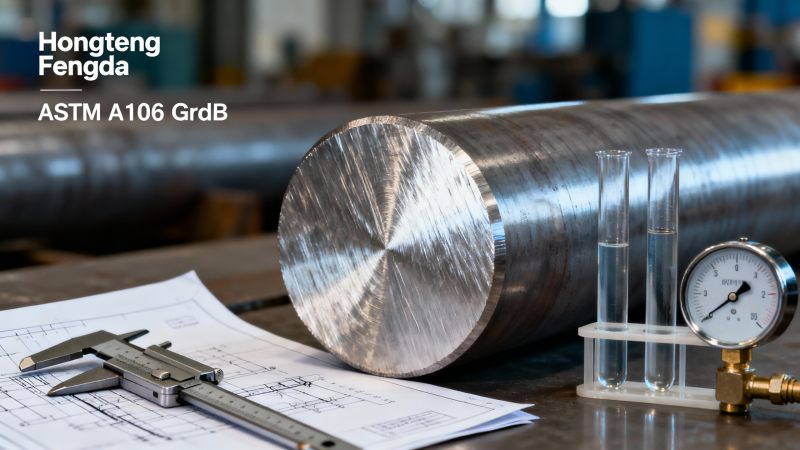
Key Inspection Points and Quality Assurance Measures Before Procurement
Quality inspection is a decisive step when procuring ASTM A106 Gr.B steel tubing. Material verification begins with reviewing the supplier’s heat treatment records, hydrostatic testing data, and visual inspection reports. Each test validates the steel’s suitability for high-pressure applications. Dimensional accuracy should meet specified tolerances since even minor deviations can affect flow characteristics and assembly precision. Laboratories perform ultrasonic and radiographic examinations on critical projects to detect internal discontinuities and prevent future failures. Engineers also measure the ovality and wall thickness ratio to maintain compliance with engineering design standards. In projects involving Hanwu Steel or similar brands, cross-verifying mechanical parameters ensures source consistency and compatibility with existing systems.
Hongteng Fengda emphasizes process control at every stage—from billet selection and hot forming to final heat treatment. The company’s comprehensive quality management, adhering to ISO, CE, SGS, and BV certifications, ensures product consistency. These controls extend to other materials like SGCC and cold rolled steel, making them reliable for general structural applications. For purchasers, always request sample reports prior to mass procurement to verify compliance. Another effective quality assurance practice involves third-party inspections before shipment, reducing potential discrepancies between production and delivery. Buyers managing multi-region supply chains benefit greatly from working with suppliers experienced in international logistics documentation, which minimizes customs clearance delays and supports on-time project completion. Reliability and transparency in testing and documentation are thus crucial procurement criteria for every technical evaluator.
Comparing ASTM A106 Gr.B with Other Common Steel Materials in Engineering Applications
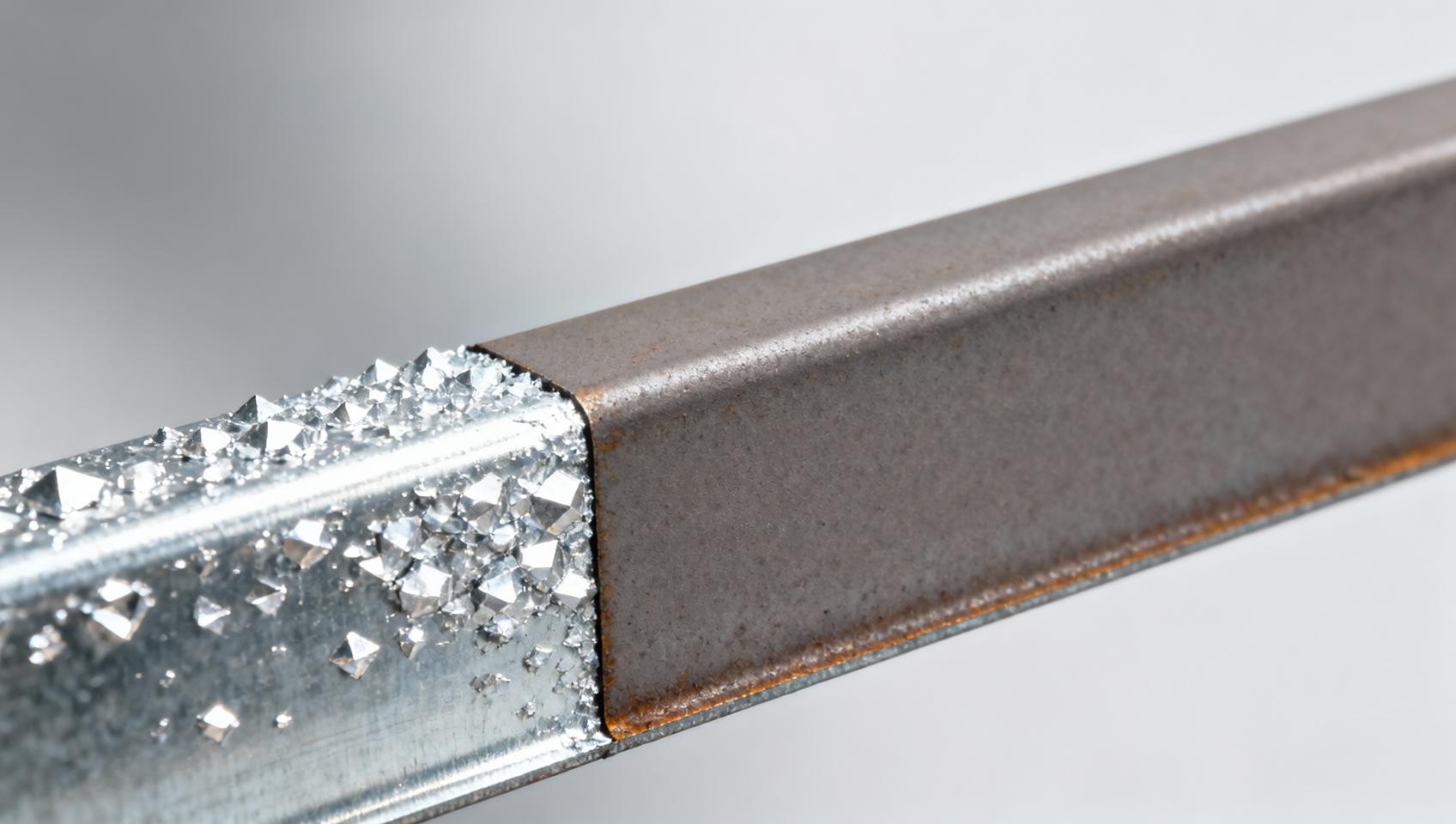
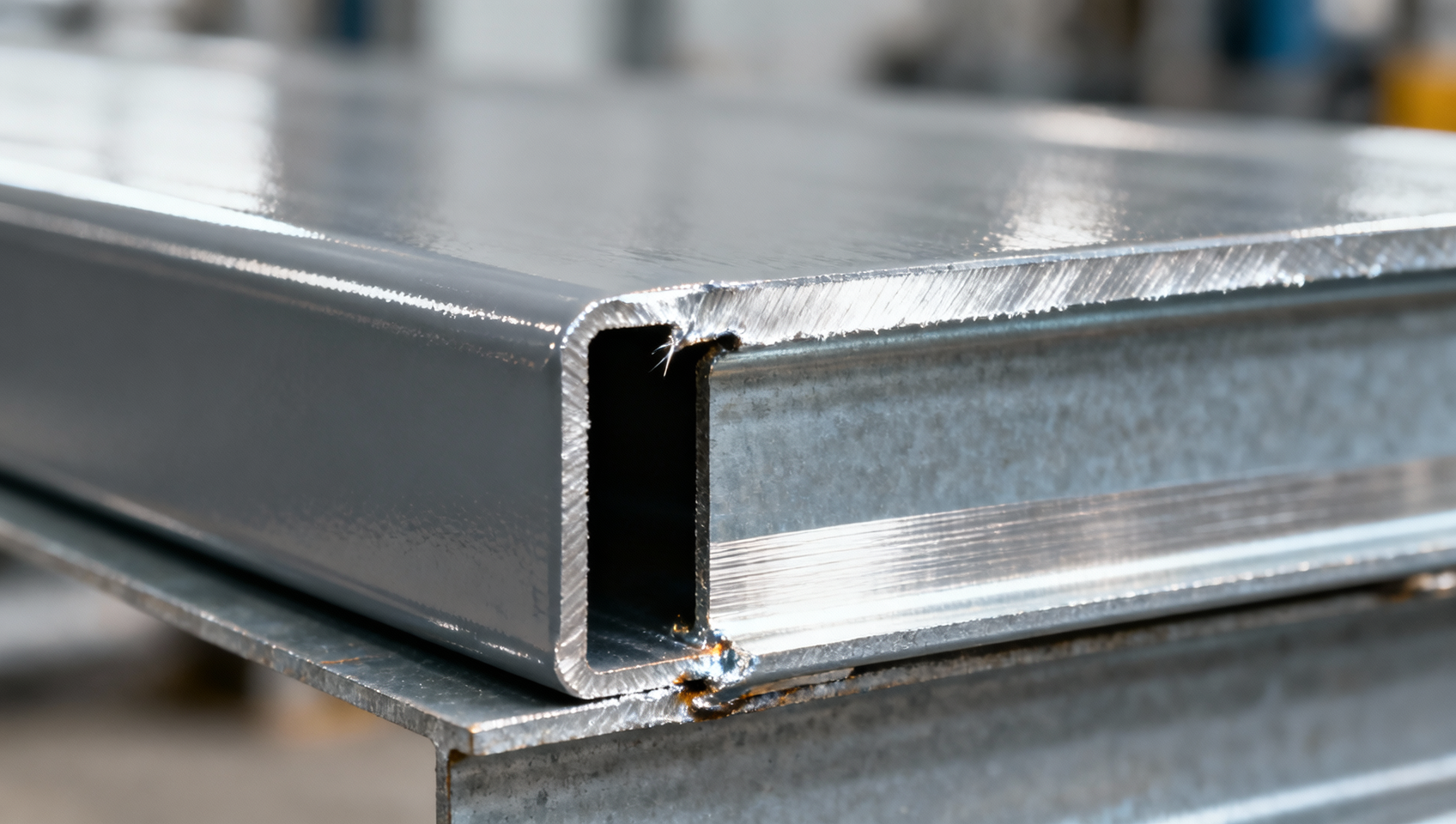
When choosing materials for engineering projects, understanding the differences between ASTM A106 Gr.B, SGCC, cold rolled steel, and C-shaped steel can help optimize performance and cost. ASTM A106 Gr.B tubing offers superior strength and higher thermal tolerance, whereas SGCC galvanized steel prioritizes corrosion resistance for structures exposed to moisture. Cold rolled steel delivers excellent surface finish and dimensional precision, making it ideal for fabrication requiring close tolerances. C-shaped steel provides structural efficiency for purlins and lightweight frames, offering strength with reduced weight. Stainless steel square bar and stainless steel round materials serve in aesthetic or high-corrosion environments, ensuring longevity and minimal maintenance. Selecting among these materials depends on the project’s temperature conditions, load requirements, and economic constraints.
In many modular structures, ASTM A106 Gr.B tubing complements other steel elements such as the Z-beam reinforcement systems. The Z-beam, made from Q235B, Q345B, or S355 materials, operates as a lightweight yet durable component for roof and wall beam constructions. Available in thicknesses ranging from 6–25mm and lengths from 2 to 12 meters, it supports diverse engineering applications including mechanical columns and brackets. Its galvanization and precise manufacturing tolerances (±1%) help maintain frame stability across large-span designs. By integrating comprehensive solutions, Hongteng Fengda allows engineers to combine ASTM A106 Gr.B tubing with Z-shaped steel profiles or color steel tiles for enhanced structural integrity and reduced assembly time. The synergy between these steel products illustrates the value of working with an experienced, certified supplier capable of offering synchronized production and customization services.
Procurement Considerations and Supply Chain Optimization
Beyond material selection, procurement specialists should assess supplier capabilities, production volume, and logistic coordination. For ASTM A106 Gr.B steel tubing, stable manufacturing capacity and predictable lead times are crucial in maintaining project schedules. Hongteng Fengda utilizes advanced rolling and heat-treatment production lines, ensuring consistency between batches. The company also provides tailored packaging and transport methods to prevent surface damage during international shipping. Engineers should confirm that suppliers implement proper storage conditions to avoid oxidation before assembly. Technical teams benefit when suppliers provide predictive lead-time management, synchronized with procurement systems for just-in-time delivery. This significantly reduces warehousing costs and improves project cash flow.
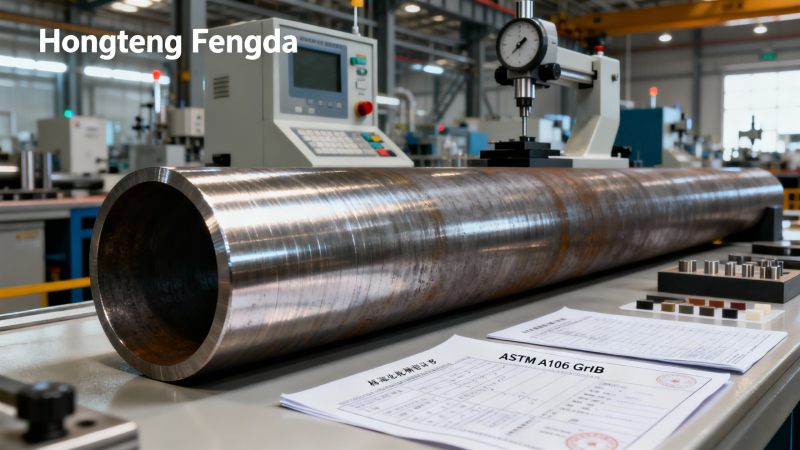
Supply chain resilience becomes increasingly important amid global market fluctuations. Diversified sourcing—combining suppliers from China, Southeast Asia, or Europe—can mitigate regional risk. However, maintaining uniform quality across different steel grades such as ASTM A106 Gr.B, SGCC, Hanwu Steel, and cold rolled steel requires alignment on international testing protocols. Hongteng Fengda’s expertise in exporting to North America, Europe, the Middle East, and Southeast Asia ensures seamless documentation and compliance support. Companies engaged in transnational construction or industrial fabrication can benefit from pre-approved product lists and standardized test certificates. Integrating these practices establishes stronger supply predictability and minimizes cost swings due to unplanned procurement issues. Experienced buyers emphasize partnerships with manufacturers offering consistent technical engagement, transparent pricing, and after-sales inspection assistance.
Market Trends and Future Development in Structural Steel Applications
The global structural steel industry continues evolving with innovations emphasizing lightweight design, sustainability, and digital traceability. ASTM A106 Gr.B steel tubing remains integral to energy infrastructure, while cold rolled steel and SGCC materials are gaining traction in prefabricated modular construction. Smart production technology is transforming how manufacturers like Hongteng Fengda monitor process parameters and maintain traceable quality frameworks. Increasing demand for eco-friendly coatings and low-carbon steel production methods is reshaping procurement decisions. Engineers and decision-makers now factor in lifecycle emissions, recyclability, and energy efficiency when choosing materials. Stainless steel square bar and stainless steel round profiles are also being developed with improved corrosion resistance through nano-alloy treatments, extending service life in marine and chemical environments.
For structural assemblies, innovative components like the high-strength Z-beam offer enhanced load distribution and improved thermal performance under roof applications. Market data suggests that globally the demand for Z-shaped steel profiles will grow alongside modular construction trends. As engineering teams push for cost-efficient yet durable design, integration between tubing systems, beams, and cold-formed sections becomes crucial. For instance, in modern industrial workshops, combining ASTM-grade tubing with Z-beams and color steel tiles enables faster installation and reduced maintenance costs. Manufacturers adopting digital inspection and standardized traceability systems not only ensure better compliance but also build trust with long-term partners across industrial sectors. These trends underline the necessity for buyers to collaborate with experts who understand both technical and market-driven dynamics within the steel industry.
Conclusion and Call to Action
Selecting ASTM A106 Gr.B steel tubing requires systematic evaluation of specifications, standards, and supplier reliability. From heat treatment verification to hydrostatic testing and dimensional control, every stage impacts structural safety and lifespan. Comparing materials such as SGCC, cold rolled steel, C-shaped steel, and stainless steel variants allows better alignment with project performance requirements. Hongteng Fengda, as a professional structural steel manufacturer and exporter from China, integrates stringent quality control systems and certified production to deliver dependable solutions. Whether engineering teams need precision-machined tubing, customized components, or structural reinforcements like Z-beams, Hongteng Fengda provides both technical expertise and global logistics support to ensure success. Contact our specialists today to discuss detailed technical specifications, tailored procurement strategies, and reliable delivery schedules that support your construction or industrial project worldwide.
- steel i
- stainless steel round
- cold rolled steel
- ASTM A106 Gr.B
- steel tubing
- ASTM standards
- ASTM standard
- SGCC
- galvanized steel
- Hanwu Steel
- structural steel
- steel profiles
- C-shaped steel profile
- C-shaped steel
- Structural Steel
- ss pipe
- Profile
- Z-beam
- Galvanized
- stainless steel square bar
- carbon steel
- steel profile
Related recommendations
 Is acero galvanizado para exterior vulnerable to white rust formation during monsoon storage?Acero galvanizado para exterior *is* vulnerable to white rust in monsoons — but it’s preventable. Discover proven storage & handling strategies that protect your structural steel.
 Does ASTM A 36 plate meet impact toughness requirements for low-temperature bridge girders?Does ASTM A 36 plate meet low-temp bridge requirements? Short answer: no—unless specially tested. Discover why toughness matters more than strength in cold climates.
 Does ASTM A653 certification cover both zinc-coated and zinc-iron alloy coated steels?ASTM A653 covers both zinc-coated and zinc-iron alloy coated steels—but they’re not interchangeable. Learn key differences in testing, performance & certification.
 Does acero prepintado require surface pretreatment before welding or cutting?Does acero prepintado require pretreatment before welding or cutting? Discover when grinding is essential—and when it’s not—for safety, weld integrity & corrosion resistance.
Please give us a message


Please enter what you want to find