Introduction
Choosing a top-rated carbon steel pipe supplier in the USA is crucial for ensuring strength, durability, and cost efficiency in structural steel projects. Whether you are sourcing for construction, oil and gas, or industrial applications, evaluating a supplier’s production capacity and quality control in 2024 can determine your project’s success. Selecting the right partner means looking beyond price—considering consistency, certification, and manufacturing expertise. As a trusted structural steel manufacturer and exporter, Hongteng Fengda supports global buyers with ASTM-certified, high-strength, and custom carbon steel pipe solutions for demanding engineering needs. The company’s experience covers everything from structural beams to cold-formed profiles, ensuring consistent quality and reliable delivery. This article will explore how to effectively evaluate a carbon steel pipe supplier in the USA, analyze global sourcing trends, and outline why suppliers like Hongteng Fengda have become essential for international buyers.
Definition and Overview of Carbon Steel Pipe Supply Industry
Carbon steel pipes are fundamental to the global steel infrastructure. They serve as conduits for fluids, structural frameworks, and pressure systems across multiple industries. In 2024, the market for carbon steel pipe suppliers has expanded to include precision manufacturing, digital supply-chain transparency, and advanced metallurgy. A carbon steel pipe supplier for structural steel projects must be capable of producing pipes with uniform thickness, accurate tolerances, and superior welding properties. The most trusted suppliers align with ASTM, EN, JIS, and GB standards to guarantee performance and compliance with international codes.
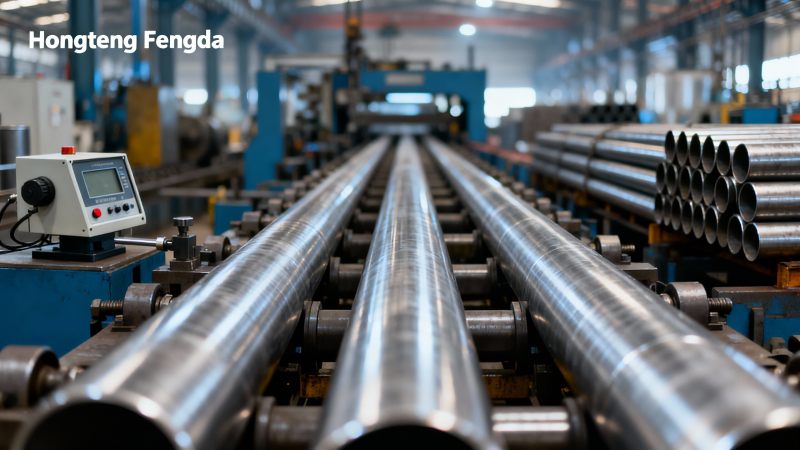
Manufacturers like Hongteng Fengda integrate advanced rolling technologies and automated quality testing into their production line, ensuring consistent quality across mass orders. Using certified raw materials also helps sustain mechanical integrity, making products suitable for high-load structures and industrial pipelines. For example, the Q345 and St52.4 grades show high tensile strength and excellent ductility, important for demanding environments. When evaluating suppliers, clients should confirm not only technical specifications but also the factory’s ability to produce bulk orders with predictable lead times. From North America to the Middle East, this level of reliability distinguishes a standard metal supplier from a high-performing global partner.
Market Overview: The 2024 Outlook for Carbon Steel Pipe Suppliers
The U.S. demand for carbon steel pipe continues to grow as infrastructure renewal and industrial modernization accelerate. Construction of energy pipelines, refineries, and heavy industry facilities are driving orders for both seamless and welded pipes. According to 2024 market reports, supply diversification is a strategic trend—American buyers are increasingly sourcing from international suppliers to stabilize cost and quality.
Key markets such as Europe and the Middle East are showing similar patterns, leveraging partnerships with Chinese manufacturers to supplement production capacities. A reliable carbon steel pipe supplier in the Middle East must emphasize corrosion resistance and adaptability for desert climates, while European clients demand compliance with environmental and safety directives. Suppliers exporting to the U.S. need to meet strict ASTM and ASME requirements. Firms like Hongteng Fengda provide this multi-standard compatibility, helping American and global clients ensure that their purchases remain compliant across jurisdictions.
Foreign trade partners are paying increasing attention to traceability. Each batch, from billet to final inspection, must have full documentation for origin and chemical composition. In this sense, the role of suppliers extends beyond manufacturing to become compliance partners—offering certainty through advanced lab testing and certification reports. The combination of transparency, consistent quality, and technical assistance defines the future of carbon steel pipe supply in 2024 and beyond.
Technical Performance and Material Characteristics
Performance evaluation is critical when comparing different carbon steel suppliers. High-strength carbon steel pipes typically feature controlled chemical compositions that balance hardness and ductility. For instance, Q235 and Q345 grades contain moderate carbon levels (0.12-0.20%) with manganese control between 0.30-0.70%, providing excellent welding and forming characteristics. Likewise, silicon, phosphorus, and sulfur levels are tightly limited to prevent brittleness and cracking during stress cycles. These technical parameters are aligned with global standards such as GB/T 700-2006, ASTM, and JIS, ensuring that pipes can operate in challenging mechanical or thermal environments.
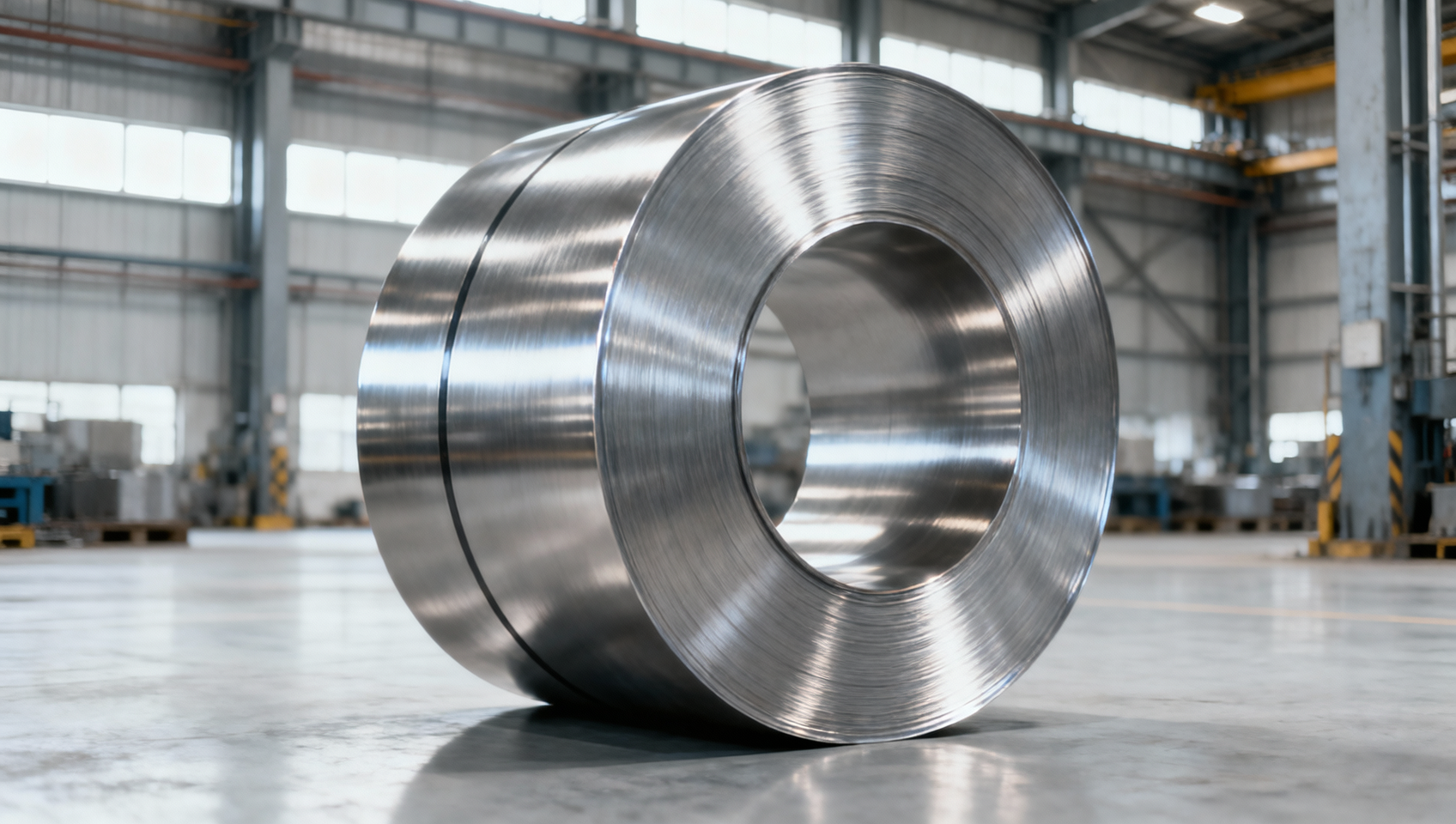
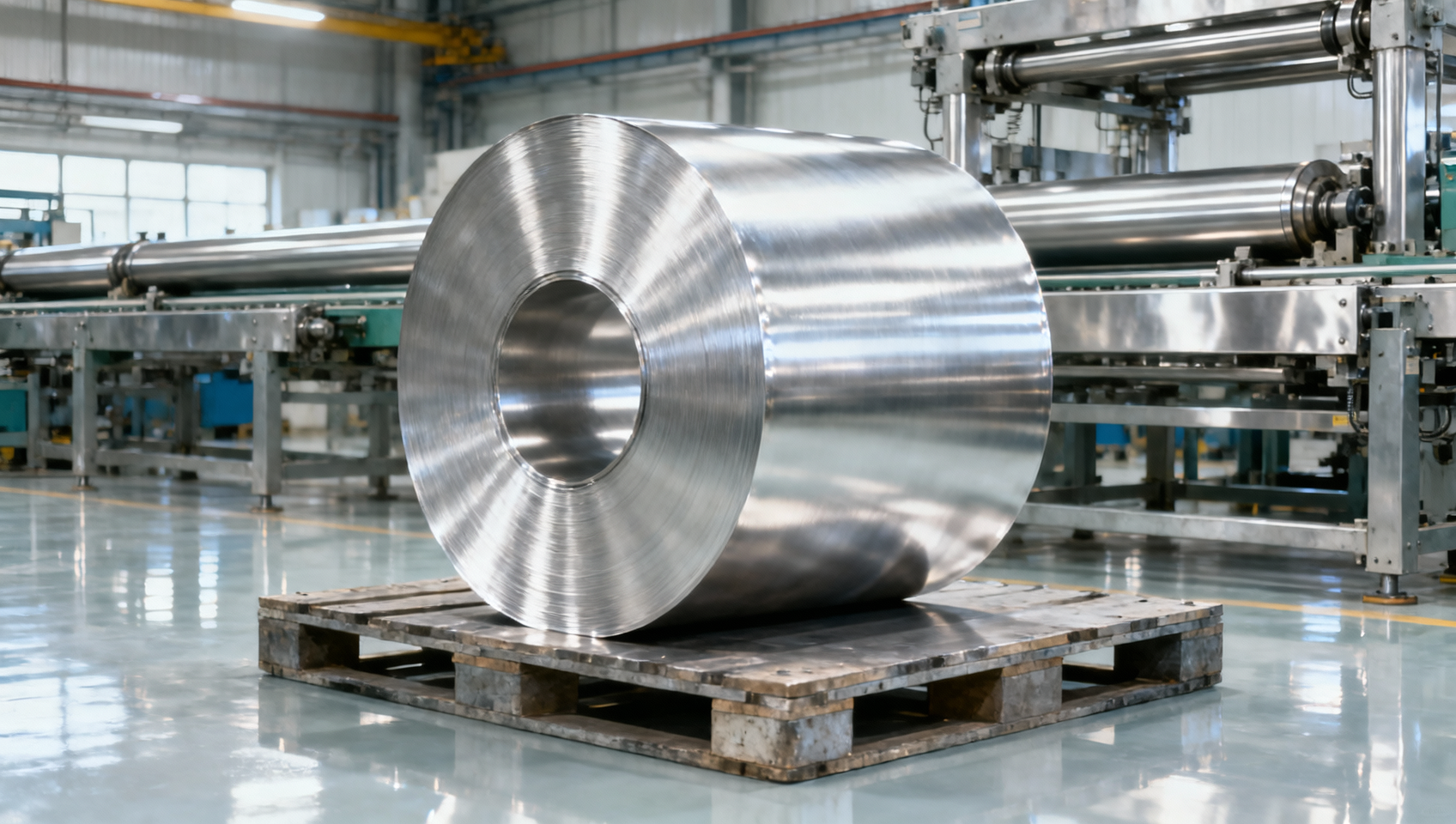
Beyond the pipe itself, additional materials contribute to overall system performance. Hongteng Fengda’s structured product portfolio includes advanced components like the Rolled Coil, which exhibits excellent weldability and cold-working properties. Available in coated finish, with standard models like Q235B, Q345B, and St37-2, it supports processes such as bending, hot rolling, and forging. Engineers appreciate the predictability of its performance for boiler plate applications requiring resistance to elevated temperatures. Across the board, these technical assurances allow procurement teams to integrate components efficiently while reducing on-site variability and rework costs.
Procurement Guide: Evaluating Supply Capacity and Quality Control
When selecting a carbon steel pipe supplier in the USA, procurement professionals should develop a checklist that includes production capacity, inbound logistics, quality control management, and after-sales services. Supply capacity determines how fast an order can be completed without sacrificing consistency; hence, suppliers with automated lines and digital order tracking—like Hongteng Fengda—hold a key advantage. Standardized workflows also reduce the chance of deviation between batches.
Quality control begins with raw material selection and extends through every step: steelmaking, forming, heat treatment, inspection, and packaging. The best suppliers maintain traceable identification for every batch and utilize spectrometric analysis to confirm composition accuracy. Ultrasonic testing, hydrostatic testing, and visual dimensional inspection are also integral. Suppliers working in sectors like oil and gas or offshore engineering must exceed basic requirements because failure can lead to costly project delays. For buyers sourcing high-strength materials for industrial applications, verifying a supplier’s test reports and third-party certification (e.g., SGS, BV, ISO 9001) remains crucial.
Additionally, flexibility in customization distinguishes high-performing suppliers. The ability to supply custom diameters, wall thicknesses, and coatings for different service conditions can optimize cost and performance. Modern ERP systems allow transparent scheduling, enabling project managers to monitor real-time order progress. Such digitalization helps prevent delays and maintains confidence throughout cross-border shipping.
Applications: Structural, Industrial, and Energy Sectors
Carbon steel pipes are omnipresent across modern industries. In construction, they serve as columns, trusses, and support elements in high-rise structures. For industrial and manufacturing facilities, carbon pipes supply compressed air, water, and chemicals. In oil and gas applications, ASTM-certified carbon steel pipe suppliers cater to rigorous pressure and corrosion environments—especially in refineries and offshore platforms.
Clients sourcing from a carbon steel pipe supplier for construction projects seek reliability, weldability, and mechanical consistency. Building contractors favor standardized ASTM A500 or EN 10219 pipes for stability, while process industries require precise internal diameters for flow control. In the Middle East, carbon steel pipe suppliers often add protective coatings or galvanization to combat saline exposure, ensuring longevity. Additionally, European users emphasize sustainability; many prefer suppliers offering low-emission manufacturing processes.
Hongteng Fengda’s portfolio caters to all these demands. The company’s synergy of advanced production equipment, qualified workforce, and standardized inspection protocols has positioned them as a dependable custom carbon steel pipe supplier for projects worldwide. Each product batch is cross-tested, ensuring mechanical reliability from raw steel coil to final welded assemblies. The inclusion of tailored products like Rolled Coil in their lineup gives integrators greater flexibility for structural reinforcement and pressure systems integration.
Comparison Analysis: Domestic vs. International Suppliers
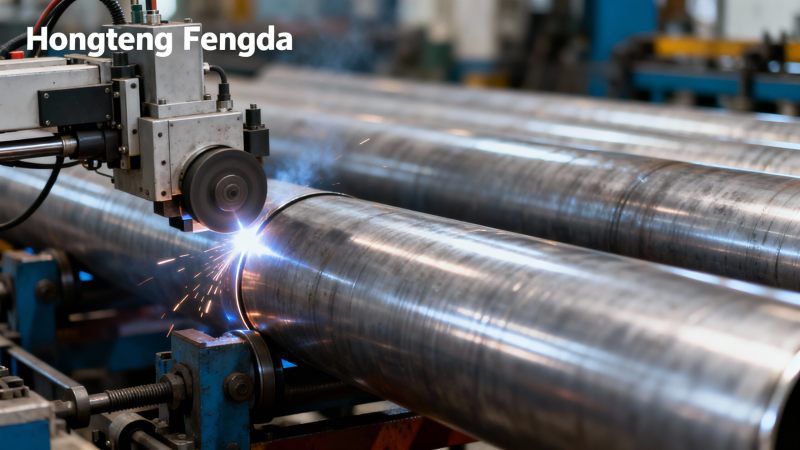
Buyers evaluating carbon steel pipe suppliers in the USA face a fundamental question: should they rely on domestic producers or import from international manufacturers? Domestic suppliers often provide faster local delivery and familiarity with U.S. standards. However, international manufacturers, particularly from China, offer scalable capacity, cost optimization, and advanced metallurgical control. Hongteng Fengda, for instance, combines large-scale production with strict adherence to ASTM and EN standards, allowing U.S. clients to enjoy competitive pricing without compromising quality.
Price per ton may vary based on raw material fluctuations, energy costs, and logistics fees. Yet, total lifecycle cost depends on durability, dimensional consistency, and conformance documentation. Importing may involve longer lead times but offers additional technical partnerships, such as OEM customization for specialized engineering projects. Some international plants have integrated continuous casting and hot-rolling lines, minimizing microstructural imperfections common in small-scale production. In short, the best suppliers are not defined merely by geography but by measurable output quality and the integrity of quality assurance systems they uphold.
Standards and Certification
Certifications are at the core of the carbon steel industry’s credibility. An ASTM certified carbon steel pipe supplier must align all production standards with ISO 9001 or equivalent quality management systems. ASTM A106, A333, and A53 define properties for seamless and welded carbon steel pipes under various temperature and pressure conditions. Meanwhile, EN standards govern European conformity for structural and pressure-use pipes, while GB and JIS outline Asian norms.
A trustworthy supplier provides complete documentation, including mill test certificates, chemical analysis reports, and mechanical property charts. Certifications also indicate environmental responsibility, as modern industrial clients prefer suppliers who adopt low-emission furnaces and recycling programs. For global exporters, having multi-standard certification builds client confidence. Hongteng Fengda’s compliance coverage—ASTM, EN, JIS, and GB—ensures their products meet or exceed expectations worldwide, facilitating smooth custom clearance for international shipments.
Trends and Future Insights
In 2024 and beyond, the carbon steel pipe industry is adopting digital manufacturing and sustainability standards. Smart factories are integrating sensor-based inspection systems and data-driven quality monitoring for predictive maintenance. Eco-friendly production, including low-carbon smelters, will be increasingly favored by global clients seeking responsible sourcing. The market also points to customized, high-precision carbon steel pipes designed for automated assembly lines and renewable energy infrastructure.
For example, offshore wind farms and hydrogen facilities require next-generation carbon steel materials capable of withstanding fatigue and hydrogen embrittlement. Suppliers that invest in R&D to produce such alloys will lead the market. Integration of rapid prototyping, digital order management, and IoT-based traceability will shape procurement behavior, providing buyers real-time insight into order progress and compliance verifications. Hongteng Fengda positions itself for this future through continued modernization, leveraging smart production lines and automation to deliver consistency for structural steel projects across continents.
Why Choose Hongteng Fengda
As a professional structural steel manufacturer and exporter based in China, Hongteng Fengda offers comprehensive solutions for global infrastructure, construction, and manufacturing projects. The company delivers a balanced combination of competitive pricing, robust production capacity, and international-standard quality assurance. Its modern facilities and advanced testing equipment ensure conformity with ASTM, EN, JIS, and GB standards, while OEM customization enables engineers to meet unique project specifications.
Whether you seek a carbon steel pipe supplier for industrial applications or a high strength carbon steel pipe supplier for oil and gas systems, Hongteng Fengda provides a reliable foundation. Their commitment to client satisfaction extends beyond the sale—covering technical consultation, logistics coordination, and post-delivery support. Global distribution includes North America, Europe, the Middle East, and Southeast Asia, ensuring dependable lead times and stable supply chains.
To strengthen your next project with dependable structural steel and precision-engineered pipes, reach out to Hongteng Fengda today. Partnering with a globally trusted supplier allows you to control costs, minimize sourcing risks, and secure consistent quality—ensuring success for every engineering milestone.
- steel i
- rolled coil
- carbon steel pipe supplier
- carbon pipe
- carbon steel pipe
- steel supplier
- steel suppliers
- steel pipe
- steel coil
- structural steel
- Structural Steel
- Profile
- carbon steel pipe supplier for construction projects
- high strength carbon steel pipe supplier
- carbon steel pipe supplier for industrial applications
- ASTM certified carbon steel pipe supplier
- custom carbon steel pipe supplier
- carbon steel pipe supplier for structural steel projects
Related recommendations
 Stainless Coil Sourcing Pitfalls: How Surface Scratches, Residual Stress, and Intergranular Corrosion Risk Derail Critical Process LinesStainless coil sourcing pitfalls—surface scratches, residual stress & intergranular corrosion—can derail critical process lines. Avoid costly failures: discover proven mitigation strategies now.
") Stainless Steel Tube Coil vs. Straight Tube: Total Cost of Ownership in HVAC Retrofit Projects (Installation Labor, Leak Points, Space Savings)Stainless steel tube coil cuts HVAC retrofit TCO by slashing labor, leaks & space needs—discover how coil outperforms straight tube in real-world retrofits.
Stainless Steel Tube Coil vs. Straight Tube: Total Cost of Ownership in HVAC Retrofit Projects (Installation Labor, Leak Points, Space Savings)Stainless steel tube coil cuts HVAC retrofit TCO by slashing labor, leaks & space needs—discover how coil outperforms straight tube in real-world retrofits. Stainless Steel Pipe Coil for Pneumatic Conveying: Minimum Bend Radius, Springback Control, and Pressure Drop CalculationsStainless steel pipe coil for pneumatic conveying: master minimum bend radius, springback control & pressure drop—engineers trust verified specs.
 Top 5 Stainless Steel Coil Manufacturers in Asia: Capabilities, Certifications, and Export Readiness for Global EPC Contractorssteel coil manufacturers: Discover Asia’s top 5 stainless steel coil suppliers—certified, traceable, and export-ready for global EPC projects.
Please give us a message


Please enter what you want to find