Introduction
Discover how OEM case studies from 2025 demonstrate measurable gains in efficiency and quality by optimizing the tin can forming process — reducing scrap, shortening setup times, and improving throughput on the shop floor. From retrofitting can making machine tooling to integrating automated inspection on a tin can production line, these real-world examples show practical steps procurement teams, project engineers, and quality managers can apply. If you evaluate can making machine China suppliers or upgrade an aerosol can making line or 2-piece can equipment, this article highlights validated tactics that deliver lower costs and faster delivery. This introduction outlines the primary pain points for B2B buyers in the steel-fed tin can supply chain: excessive scrap from forming errors, long setup and changeover times when switching can sizes, inconsistent weld or seam quality on 3-piece can production, and hidden downtime caused by inadequate tooling or inspection on a metal packaging equipment floor. Procurement personnel and project managers frequently ask whether retrofit investments in tooling, quick-change fixturing, inline metrology, or upgraded welding machine for tin can assemblies will pay back within a single fiscal year. Quality managers and safety officers prioritize traceability and process control: repeatable forming pressure curves, consistent flange dimensions, and verifiable seam integrity reduce nonconforming lots and recall risk. For operators and maintenance technicians, ease of access to service parts and modular components on a tin can production line translates directly to lower mean time to repair and improved uptime. This article aggregates lessons learned from OEM case studies in 2025 and makes practical recommendations: how to specify a can making machine to minimize material handling of steel coils, how to validate a tin can forming process to hit first-pass yield targets, and how to incorporate metal packaging equipment best practices so your aerosol can making line or food can sealing machine operates with predictable throughput and documented quality.
Retrofitting tooling and die optimization to cut scrap and improve material yield
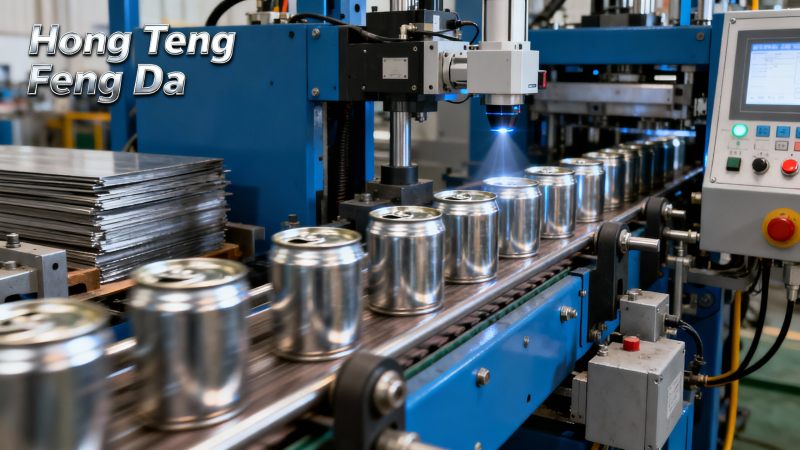
Retrofitting die sets and optimizing tooling geometry represent the fastest route many OEMs take to reduce scrap on an existing can making machine. In practical terms this means performing a systematic audit of forming stages across the tin can forming process: blanking, necking, ironing, flanging and seaming must be inspected for variation. Common failure modes that cause scrap include inconsistent blank centering, excessive draw ratio, burr formation from worn tooling, and non-uniform lubrication. Retrofitting with hardened, precision-ground dies and adding localized cooling channels can reduce adhesive build-up and die wear, extending tool life and driving down scrap rates. Real-world OEM projects from 2025 documented scrap reductions between 18% and 42% after a focused tooling upgrade, with smaller plants seeing faster payback due to lower baseline yields. Technical steps to specify include: documenting current die materials and hardness, mapping wear patterns with dye-penetrant inspection, specifying surface finish tolerances, and validating new tooling on pilot runs. For steel processors supplying can material, specifying substrate and temper is essential; choosing the correct coil grade and temper contributes to a stable draw in 2-piece can equipment and 3-piece can production alike. Integrating tooling with the control system can enable adaptive forming: torque feedback and position sensors on the can making machine allow closed-loop adjustments that reduce press overloads and minimize scrap spikes during production ramp-up. This approach also makes sense when paired with preventive maintenance and a spare-tooling strategy to avoid production stops; keeping matched sets of die components and calibrating them per shift reduces variation. When specifying upgrades, buyers should ask suppliers for validation reports, cycle-life estimates, and metallurgical certificates for die steels. For plants with heavy pedestrian or equipment traffic around forming cells, using patterned steel plate platforms like A36 Patterned steel plate for flooring and access areas helps maintain clean, oil-free walking surfaces and supports safety and material handling efficiency. The net result of targeted die retrofits is predictable: lower scrap, improved first-pass yield, and more consistent material consumption rates that directly reduce cost per can on the tin can production line.
Automation, inline inspection and data integration to prevent defects
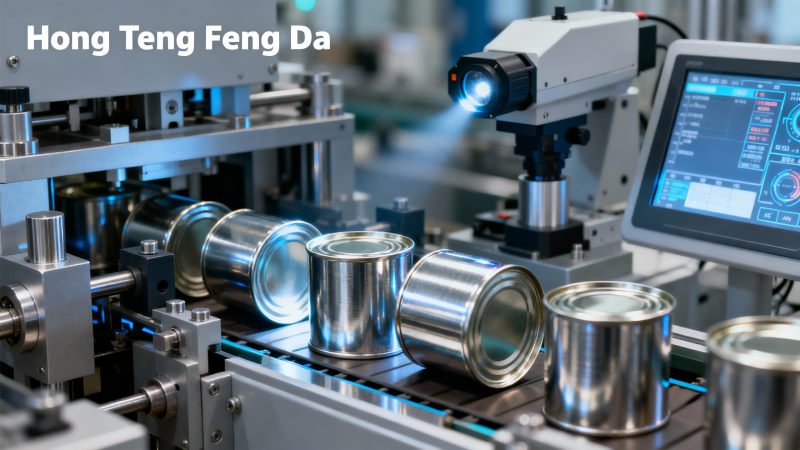
OEM case studies in 2025 highlight that adding automated inspection and process monitoring onto a tin can production line produces measurable quality gains and reduces rework. Modern metal packaging equipment integrates high-speed vision systems, laser metrology, ultrasonic seam testers, and pressure/leak test cells that run continuously at production speeds. When combined with statistical process control dashboards, these systems surface early deviations that would otherwise result in large scrap batches. For example, a mid-size aerosol can making line retrofit added inline seam height and concentricity inspection tied to the PLC; the system flagged forming drift within two production shifts and automatically adjusted servo press parameters to restore nominal geometry. Results included a 29% reduction in rejected cans and a 22% decrease in setup-related scrap during size changeovers. Suppliers of welding machine for tin can assemblies increasingly bundle diagnostic data with machine delivery: weld current profiles, electrode wear curves, and seam images archived per lot support root-cause analysis and supplier traceability. For procurement teams evaluating can making machine China options or global vendors, require demonstration of API or OPC-UA connectivity for the inspection equipment so your MES and quality systems ingest event data without manual intervention. Operational practice recommendations include: implement a layered inspection strategy (100% critical seal checks, sampled dimensional checks, and sensor-based anomaly detection); calibrate vision tools to the actual reflectivity and texturing of tinplate and coated substrates; and plan for environmental controls to keep dust, oil mist, and humidity within tolerance for optical systems. An important cross-functional benefit is improved operator decision-making: with clear, automated alarms and guided corrective workflows, frontline staff can take corrective action faster, reducing production stalls and unnecessary manual inspection steps. The investment equation is not only reduced scrap, but also lower labor cost per usable can, fewer warranty exposures, and documented compliance for food can sealing machine lines where hygiene and traceability are regulatory imperatives.
Quick-change fixturing, modular tooling and standardized setups to shorten setup time
Reducing setup and changeover times is one of the highest-impact operational levers for plants running multiple SKUs across a tin can production line. OEMs in 2025 applied quick-change fixturing, modular tool cassettes, and standardized setup protocols to move from hours-long changeovers to sub-30-minute swaps on many 2-piece can equipment lines. The methodology begins with SKU rationalization and standardizing key dimensions where possible: flange widths, seaming overlaps and can heights that share common tooling features. Next, retrofit or specify can making machine models with tool cassettes designed for lateral insertion, captured by a single lock handle and pre-aligned with dowel pins—this eliminates complex shimming during each changeover. Best practices include creating a color-coded, barcode-tracked tool inventory with maintenance status and lifetime counters; when a job change is scheduled, the MES can pre-stage the exact tool cassette and parameter recipe for the operator. In welding-intensive 3-piece can production, modular seam weld heads that can be swapped in less than ten minutes reduce downtime and limit warm-up cycles, improving electrode life and seam consistency. Training and written standard operating procedures are essential: lean changeover events that use a documented checklist and time trials generate baseline metrics and surface opportunities to reduce non-value steps. Equipment design choices also contribute: pneumatic clamps with auto-release, captive fasteners, and connectorized utilities for air and coolant speed up work. For distribution and aftermarket teams, quick availability of spare cassettes and consumables from suppliers can make the difference between a successful rollout and frequent extended stops; therefore procurement should negotiate service-level agreements that guarantee same-week shipment of critical spares. The payoff is direct: more productive hours, higher throughput without capital expansion, and reduced overtime for maintenance teams responsible for setup.
OEM case study outcomes, ROI and procurement guidance for 2025 upgrades
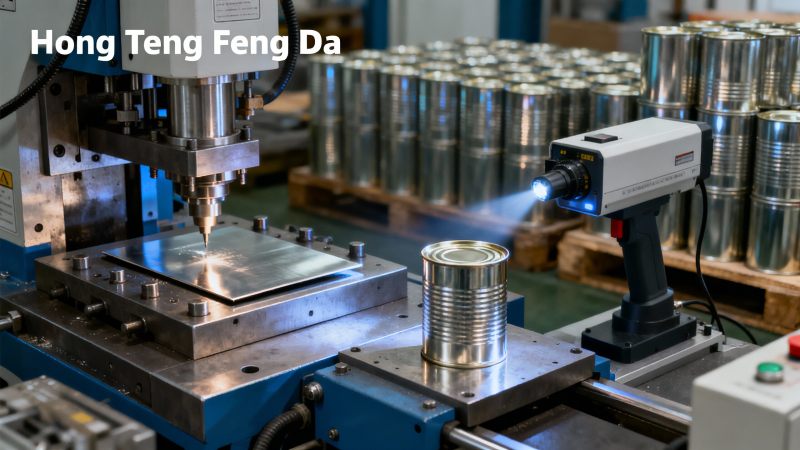
Synthesizing multiple OEM case studies from 2025 yields consistent metrics: targeted upgrades in tooling, automation, and fixturing typically produced net scrap reductions of 18%–42%, setup time reductions of 45%–75%, and throughput improvements between 12%–36% depending on baseline conditions and SKU mix. Return on investment scenarios varied by plant size and production cadence; small to mid-scale lines saw payback in 6–14 months when improvements addressed chronic scrap drivers and long changeovers, while high-volume lines realized multi-year lifecycle benefits in reduced raw material consumption and lower labor cost per million cans. Procurement teams should use a structured RFP that requests validated case studies, cycle-time data, MTBF and MTTR figures for the can making machine and associated metal packaging equipment, and sample inspection logs from an equivalent installation. Important evaluation criteria include supplier support network, spare parts lead time, integration capability for MES and quality systems, and compliance with relevant standards for food-grade or aerosol packaging. For buyers comparing can making machine China suppliers with other global OEMs, assign weight to demonstrated local service presence and documented export experience for steel-related consumables and tooling. Quality managers must insist on process validation runs and acceptance tests that mirror their most demanding SKUs; welders and seamers should be qualified with representative substrates and coatings. Project managers should plan a staged rollout: pilot cell modifications followed by capacity scaling, which reduces risk and preserves production continuity. After upgrades, continuous improvement cycles—root-cause analysis of any remaining rejects, tightening of SPC control limits, and periodic tooling reconditioning—ensure that gains are sustained. The cumulative effect is a more competitive cost structure, faster delivery to customers, and improved reputation in a market where reliability and traceability are decisive purchase factors.
Conclusion and recommended next steps
In summary, the 2025 OEM case studies demonstrate that practical interventions across tooling, automation, and fixturing materially improve outcomes on a tin can production line: lower scrap, shorter setup times, and higher throughput. For B2B decision-makers in the steel and metal packaging supply chain—procurement, project engineering, quality, maintenance, and distribution—the recommended roadmap is clear: start with a diagnostic audit of your tin can forming process; prioritize retrofit investments that yield rapid scrap reductions; integrate automated inspection and data capture for early defect detection; and adopt quick-change modular tooling to compress setup windows. When specifying upgrades, require demonstrable data from suppliers, including life-cycle reports and connectivity standards for integration with your MES. If you are sourcing can making machine China vendors or considering upgrades to an aerosol can making line, request pilot trials and validated ROI models. Our company stands ready to support evaluation, supply precision tooling and patterned steel access platforms, and coordinate after-sales parts and service to keep production running. To explore tailored solutions for your plant—whether optimizing a food can sealing machine line, specifying a welding machine for tin can assemblies, or procuring metal packaging equipment—contact our technical sales team to schedule a site audit and receive a customized proposal. Immediate actions: request a technical audit, shortlist vendors with documented case studies, and schedule pilot validation runs. Contact us today to learn more and start reducing your scrap, shortening setup times, and improving throughput on your tin can production line.
Related recommendations
 How long does acero prepintado retain gloss and color stability in direct desert sunlight?Acero prepintado gloss & color stability in desert sun? Discover real-world performance data, PVDF vs. polyester longevity, and spec-critical insights for GCC projects.
 Does acero pregalvanizado maintain coating integrity after cold bending to 90 degrees?Acero pregalvanizado maintains coating integrity after 90° cold bending — when engineered right. Discover how Hongteng Fengda guarantees real-world performance, adhesion & corrosion resistance.
 Do the advantages of galvanized steel include reduced fire risk compared to untreated carbon steel?Advantages of galvanized steel include measurable fire-risk reduction vs. untreated carbon steel—learn how zinc delays ignition, buys critical escape time, and enhances safety without false 'fireproof' claims.
 How much does 2 inch ss pipe price increase when upgrading from Schedule 40 to Schedule 80 for high-pressure systems?2 inch ss pipe price increases 18–35% when upgrading from Sch 40 to Sch 80—discover why, when it’s truly needed, and how to avoid overpaying.
Please give us a message


Please enter what you want to find