Supply Chain Alert 2025: anticipate shifting lead times and price trends across structural and wire products — from H-beam and Z-beam profiles to rebar, Stainless Steel Welded Mesh, DX53D and AZ150 Galvalume steel coils, hot-dipped galvanized pipe and Galvanized Steel Wire Rope (including Hot dipped Galvanized Steel Wire Rope and high-strength 1470–1960MPa grades). Procurement, technical evaluators and project managers will find actionable insight on delivery risks, cost drivers and sourcing strategies to optimize inventory and contracts. Read on for targeted recommendations to mitigate delays, control expenses and secure quality supply. This introduction frames the 2025 supply chain landscape for steel materials and wire rope used in construction, infrastructure and industrial manufacturing. Buyers and decision-makers face a mix of demand rebounds in infrastructure programs and constrained downstream capacity due to energy policy adjustments, raw material variability and international logistics friction. The most common pain points for our target audience — procurement teams, technical evaluators, project managers and quality-control staff — are extended lead times for H-beam and Z-beam profiles, volatile unit prices for rebar and galvanized coils like DX53D Galvalume Steel Coil and AZ150 Galvalume Steel Coil, and certification and tensile consistency risks with high-strength Galvanized Steel Wire Rope 1470Mpa to 1960Mpa grades. In many projects, late delivery of cold-formed sections or hot rolled beams cascades into schedule slippage and cost overruns, while inconsistent surface treatment on Hot dipped Galvanized Steel Wire Rope or Hot diped-Galvanized Pipe can generate rework. This alert summarizes observed lead-time bands, price drivers and recommended sourcing strategies tailored for B2B procurement cycles in 2025, blending market evidence with practical steps to protect margins, reduce schedule risk and preserve product quality. By reading the sections that follow, stakeholders will receive concrete guidance on contract clauses, inventory triggers, and technical inspection priorities that align with compliance needs and on-site installation schedules.
Market dynamics and lead-time outlook for structural profiles: H-beam, Z-beam and C sections
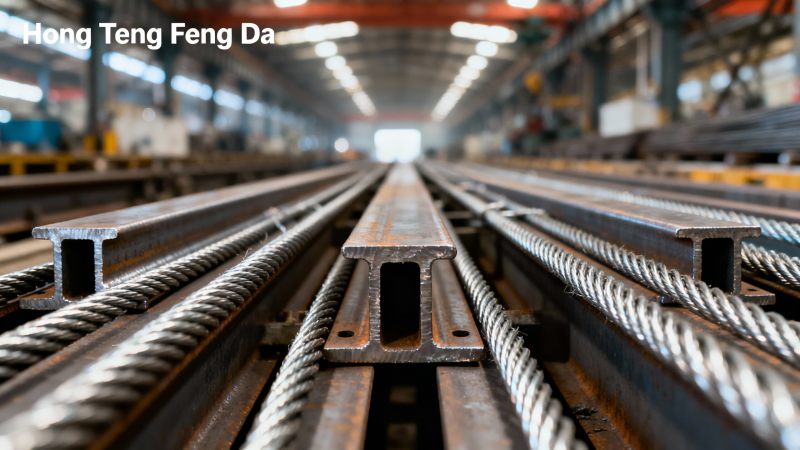
Across 2025, lead times for primary structural profiles such as H-beam and Z-beam are being driven by a combination of upstream steelmaking cadence, rolling mill scheduling, and logistical constraints. Typical lead-time windows experienced by purchasers in Q1–Q3 2025 range from 4 to 12 weeks for standard hot-rolled H-beams when ordered under long-term contracts with domestic mills, extending to 10–20 weeks for customized sections, specialized coatings or large-volume project orders placed without firm month-ahead allocation. Z-beam profiles and thin-gauge cold-formed channels can be quicker when produced on dedicated lines, but sudden spikes in orders tied to regional construction starts can extend transition times. Primary drivers include domestic blast furnace and electric arc furnace (EAF) utilization rates, coking coal and scrap price volatility, and planned maintenance cycles at key rolling mills. For international buyers, port congestion and periodic customs inspections add buffer days; buyers sourcing DX53D Galvalume Steel Coil or AZ150 Galvalume Steel Coil abroad must factor in 2–6 additional weeks beyond mill lead-time during peak export seasons. Operational implications for procurement: prioritize firm allocations and schedule-confirmed production slots during contract negotiation, leverage rolling monthly release orders rather than one-off blanket POs, and set acceptance windows tied to mill-confirmed shipping notifications. Technical evaluators should require material test certificates and mill heat numbers to align delivery batches with quality records, especially when specifying low-alloy or high-strength grades. For light-gauge building systems and purlin applications, consider using standardized, factory-formed channels to shorten lead time risk: machines capable of delivering automatic forming and consistent tolerances increase predictability. Where flexibility is acceptable, substitute between materials like Q195, Q235 and SS400 to use available mill stock while maintaining structural compliance. For projects where galvanizing is required, factor post-roll galvanizing cycles into the timeline: Hot dipped Galvanized Pipe and galvanized channels require additional surface treatment lead time and inspection, often adding 7–14 days. Finally, maintain a tiered supplier list combining primary domestic suppliers and vetted regional alternatives to reduce single-source exposure.
Wire products and rebar: tensile grades, inspection needs and pricing pressure
Wire and reinforcement products, including rebar and Galvanized Steel Wire Rope, are showing distinct patterns in 2025. Rebar lead times are influenced by seasonal construction peaks, regional mandates and scrap feedstock supply. Typical rebar delivery windows are 3–8 weeks on standard grades when sourced from established domestic mills, lengthening to 8–14 weeks for high-strength or deformed bars with traceability requirements. Price drivers for rebar remain linked to scrap steel prices, domestic demand in infrastructure programs, and freight rates. For wire rope, the market bifurcates: commodity galvanized wire rope and hot-dipped galvanized variations are relatively liquid, but high-strength Galvanized Steel Wire Rope 1470Mpa to 1960Mpa involves specialized wire drawing and heat treatment processes that concentrate capacity among fewer suppliers, producing extended lead times and potential price premiums. Hot dipped Galvanized Steel Wire Rope has an added galvanizing step which, while improving corrosion resistance, introduces an extra production stage that may become a bottleneck during peak seasons. Quality assurance is paramount. Procurement and quality-control teams must insist on mill test certificates, tensile test reports, and elongation results for high-strength ropes and rebar. For Galvanized Steel Wire Rope and Stainless Steel Welded Mesh, surface inspection protocols should include coating weight measurements (g/m2), corrosion resistance expectations, and adherence to relevant standards. Where possible, require third-party inspection or witnessed testing at the mill to prevent on-site rejection. Pricing strategies to manage expenses include hedging via staggered contract deliveries, negotiating indexed pricing formulas tied to scrap or coke indices, and deploying vendor-managed inventory for high-turn items like rebar to reduce working capital. For projects with long durations, consider fixed-price-repeat-purchase windows to lock unit cost and capacity. Finally, evaluate alternative configurations—such as switching from custom-drawn high-grade rope to multiple parallel standard ropes or alternative anchorage designs—when schedule and cost constraints dominate.
Coils, pipes and mesh: technical specifications, certification and surface treatment trends
DX53D Galvalume Steel Coil and AZ150 Galvalume Steel Coil continue to be preferred materials for durable roofing and cladding in many projects; their surface performance and corrosion resistance are critical in coastal and industrial environments. In 2025, buyers should note supplier consistency on coating thicknesses (AZ150 nominally indicates a zinc–aluminium coating with a standardized mass per side), accurate DX53D substrate chemical composition and tight gauge tolerances. Hot diped-Galvanized Pipe and hot-dipped galvanized coil stock often face variable spangle and adhesion outcomes depending on bath composition and pre-treatment practices at the galvanizing line. Stainless Steel Welded Mesh requires consistent weld strength and mesh tolerances — specify welding current documentation and post-weld annealing procedures for corrosive or structural applications. Certification expectations from project owners increasingly include CE, SGS, BV and ISO documentation; including these clauses up-front reduces late-stage disputes. Cost and lead-time interplay: galvanizing and Galvalume coating steps add days to production and can become capacity-constrained if multiple projects demand treated surfaces simultaneously. To mitigate this, incorporate “pre-treatment windows” in contracts that allow suppliers to commit to pre-coated or pre-galvanized allocations. Technical evaluators should document acceptable tolerances: thickness range, surface appearance, edge condition (mill edge vs slit edge) and post-coating forming limits. For cold-formed profiles and purlins used in lightweight structures, consider combining automatic forming capabilities with pre-galvanized coils to minimize on-site corrosion work. As an operational reference, products formed using automatic C-shaped forming machines offer repeatable geometry and reduced lead time variability. For projects that require specific aesthetics, consider powder coating or black varnish as alternative finishes, but budget for additional curing and handling time. Maintain a dossier of supplier process parameters and representative test reports to accelerate approvals on repeat purchase orders.
Sourcing strategies, contract language and inventory tactics to reduce risk
Practical sourcing tactics for 2025 center on three objectives: securing capacity, stabilizing price exposure and ensuring quality traceability. Contractually, include clear lead-time confirmation, progressive delivery schedules, penalty or bonus clauses tied to on-time delivery, and acceptance criteria that reference mill test records and third-party inspections. Consider priority scheduling rights with preferred suppliers during the bidding phase — this can reduce typical H-beam lead times and protect production slots for critical Z-beam and C-section deliveries. From an inventory perspective, use a hybrid model: maintain a rolling safety stock for long-lead items like high-strength Galvanized Steel Wire Rope and hot-dipped galvanized pipe while employing just-in-time replenishment for commodity coils and rebar. This reduces warehousing costs yet preserves resilience against supplier delays. Build multi-tiered sourcing by qualifying secondary suppliers in adjacent regions and retaining a set of pre-approved alternative mills for DX53D Galvalume Steel Coil and AZ150 Galvalume Steel Coil. Operational checklist for procurement and engineering teams: - Define minimum technical requirements and inspection checkpoints in the RFQ, including tensile, elongation, coating weight, and dimensional tolerances. - Require mill heat numbers and traceability for every delivery, and maintain a digital ledger for mill certificates. - Negotiate indexed pricing tied to transparent raw material indices and include price review windows to avoid unexpected spikes. - Implement staggered releases across project milestones to avoid lump-sum demand on single production calendars. - For critical fabricated parts, request pre-production samples and witness the first article inspection when feasible. A practical example: where automatic forming for C-shaped purlins is acceptable, specifying the machine-forming process and acceptable tolerance (±1%) shortens qualification time and reduces rejection risk. For a reliable, off-the-shelf option, project teams can evaluate standardized C-section suppliers who provide multiple material options (Q195, Q235, Q345, A36, SS400, s235jr) and surface treatments like galvanized coating or powder coating, validated to CE and ISO standards. Consider the trade-off between holding finished goods inventory and contracting for vendor-managed inventory programs that place the carrying cost partly on the supplier.
Summary, credibility highlights and next steps for buyers
In summary, 2025 supply chains for structural and wire steel products remain dynamic: expect moderate-to-extended lead times for customized H-beam, Z-beam and high-strength Galvanized Steel Wire Rope, periodic price pressure driven by scrap, energy and logistics, and heightened scrutiny on coating and tensile consistency for galvanized and Galvalume products. Technical evaluators and quality teams should insist on mill test certificates, coating weight verification and witnessed testing for critical batches. Procurement teams can mitigate risk through firm production slots, indexed pricing agreements, staggered releases and multi-supplier strategies. Project managers will benefit from integrating acceptance criteria directly into purchase orders and scheduling buffer time for post-production treatments like hot-dip galvanizing. For projects requiring reliable, factory-formed components with fast repeatability, consider suppliers that offer automatic forming for purlins and channels, reducing both lead time and dimensional variability. One practical supplier offering such formed products is available for review; learn more about their capabilities including material options, galvanizing, perforation choices and certification at C Sections Steel. Shandong Hongteng Fengda Metal Materials Co.. Ltd. combines integrated steelmaking, advanced rolling and modern processing to deliver competitive lead times, quality certifications (CE, SGS, BV, ISO) and logistics support across continents. Their operating strengths — complete specifications, rapid delivery and strong QA practices — align with the mitigation tactics outlined above. To convert this analysis into action: prioritize a supplier audit for long-lead and high-strength wire rope, secure firm production slots for H-beams or DX53D Galvalume Steel Coil runs, and request a tailored supply plan that incorporates staggered deliveries and inspection milestones. For immediate procurement support, technical evaluation assistance and contract templates tailored to 2025 market conditions, contact our sales and technical team to discuss customized supply plans and pre-qualified material bundles. Act now to protect schedules and margins: request a quote, schedule a mill-witness inspection or sign a prioritized allocation agreement to lock capacity for your next project.
- c sections steel
- galvanized coils
- galvanized coil
- hot dipped galvanized steel wire
- wire steel
- galvanized steel wire
- galvanized wire
- ot Dipped Galvanized Steel Wire
- galvanized pipe
- hot dipped galvanized pipe
- Hot-dipped galvanized pipe
- steel coil
- galvanized steel
- Hot Rolled Beams
- Profile
- Wire Products
- Hot diped-Galvanized Pipe
- AZ150 Galvalume Steel Coil
- DX53D Galvalume Steel Coil
- Rebar
- Galvanized Steel Wire Rope
- Galvanized Steel Wire Rope 1470Mpa to 1960Mpa
- Stainless Steel Welded Mesh
- Z-beam
- H-beam
Related recommendations
 How to Judge if Steel Sheet for Construction Fits Roofing or Wall CladdingSteel sheet for construction: learn how to judge thickness, coating, profile, and load performance for roofing or wall cladding, and choose a durable, cost-effective fit.
 Galvanized Pipe Manufacturer Selection: Zinc Coating, Tolerance, and ComplianceGalvanized pipe manufacturer selection guide: compare zinc coating quality, tolerance control, and compliance to reduce risk and choose a supplier that delivers reliable steel products.
 How to Choose SS Pipe for Water Supply in Corrosion-Prone BuildingsSS pipe for water supply selection guide for corrosion-prone buildings. Compare 304 vs 316 grades, water chemistry, specs, and lifecycle cost to choose a safer, longer-lasting system.
 Steel Wire Rope Manufacturer Standards That Matter in Lifting ApplicationsSteel wire rope manufacturer standards for lifting: learn how to assess traceability, testing, compliance, and real quality control before choosing a safer, more reliable supplier.
Please give us a message


Please enter what you want to find