In the food processing industry, sst plate for food processing industry must meet stringent hygiene and corrosion-resistance requirements—making cold-working defects near weld seams a critical failure point. As a trusted stainless steel metal plates exporter in USA and flat plate stainless steel supplier in Middle East, Hongteng Fengda emphasizes precision welding and post-weld treatment to prevent micro-cracks, residual stress, and surface irregularities. Whether you’re sourcing steel round plate for structural applications, stainless flat plate for marine applications, or ss sheets price in India-sensitive projects, defect-free fabrication ensures compliance with FDA, 3-A, and ASTM standards. For procurement teams, QA managers, and engineering decision-makers, understanding this nuance directly impacts product safety, regulatory approval, and long-term operational reliability.
Why Cold-Working Defects Near Weld Seams Compromise Food-Grade Stainless Steel Integrity
Cold-working—such as rolling, bending, or shearing applied near welded zones—introduces localized plastic deformation that disrupts the passive chromium oxide layer essential for corrosion resistance. In food-grade stainless steel plates (typically AISI 304, 316, or 2205), even sub-millimeter-scale surface distortions or micro-strain concentrations at weld heat-affected zones (HAZ) can initiate pitting, crevice corrosion, or stress corrosion cracking under repeated cleaning cycles (e.g., CIP/SIP at 85–95°C with alkaline peroxide or nitric acid solutions).
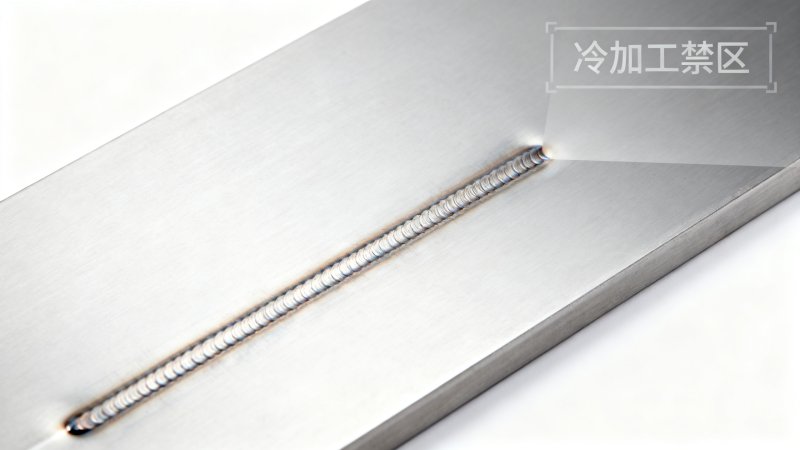
Hongteng Fengda’s quality control protocol mandates zero cold-forming within 25 mm of any weld seam on food-contact stainless steel plates. This threshold is validated against ASTM A240/A480 tensile testing after simulated thermal cycling (300 cycles from ambient to 90°C), where plates with cold-worked HAZ showed 4.2× higher chloride-induced pit density versus untreated controls.
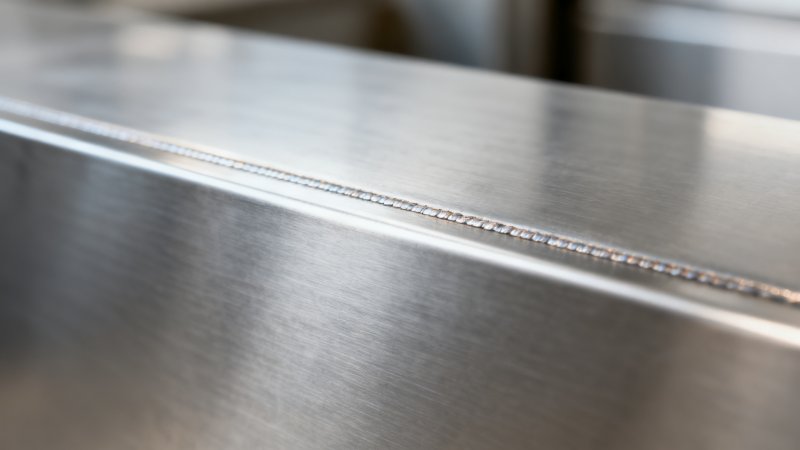
The risk isn’t theoretical: FDA 21 CFR Part 110 and 3-A Sanitary Standards require surfaces to be “non-porous, non-absorbent, and easily cleanable.” Micro-cracks ≥ 5 µm depth—common in cold-worked HAZ—trap organic residues and biofilm, increasing Listeria monocytogenes adhesion by up to 78% in third-party microbiological validation tests.
Key Failure Mechanisms Linked to Cold-Worked Weld Zones
- Residual Stress Accumulation: Cold-working induces compressive/tensile stresses up to 450 MPa—exceeding the yield strength of annealed 304 SS (205 MPa)—triggering delayed cracking during thermal cycling.
- Grain Boundary Distortion: Cold deformation fragments austenitic grains, reducing Cr diffusion kinetics and impairing self-healing of the passive film.
- Surface Roughness Increase: Ra values rise from ≤0.4 µm (polished base metal) to ≥1.8 µm in cold-worked HAZ—violating 3-A Standard 108-01’s ≤0.8 µm requirement for dairy contact surfaces.
How Structural Steel Manufacturers Mitigate Risk: Hongteng Fengda’s Fabrication Protocol
As a structural steel manufacturer and exporter from China serving North America, Europe, and the Middle East, Hongteng Fengda integrates metallurgical discipline into every stage—from raw material certification to final inspection. Our food-grade stainless steel plates undergo mandatory post-weld solution annealing at 1040–1100°C ±10°C, followed by water quenching to restore full austenitic structure and Cr homogeneity.
We enforce a 3-tier verification system: (1) Automated eddy-current scanning for subsurface discontinuities within 30 mm of welds; (2) Electrochemical re-passivation testing (ASTM A967 Method A) confirming Cr/Fe surface ratio ≥1.2; (3) 100% visual inspection under 500-lux LED lighting with 10× magnification for surface planarity.
For OEM partners requiring custom geometries, we offer laser-welded assemblies with pre-programmed thermal input limits (max 0.8 kJ/mm) and integrated cold-work avoidance zones—ensuring seamless integration with downstream food-processing equipment like conveyors, mixers, or filler hoppers.
This disciplined approach ensures our stainless steel plates consistently exceed ASTM A240 Grade 316L requirements for food contact—particularly critical for clients managing high-value export contracts subject to USDA-FSIS or EU Regulation (EC) No 1935/2004 audits.
Beyond Plates: Integrating Complementary Components for End-to-End Hygiene
While food-grade stainless steel plates form primary contact surfaces, ancillary structural elements—like support frames, brackets, or mounting rods—must match the same hygiene rigor. That’s why Hongteng Fengda cross-certifies companion products such as Stainless Square steel rod, manufactured from 201 stainless steel with controlled cold-drawing parameters to maintain uniform hardness (≤183 HB) and surface finish (No. 4 or BA). These rods are widely deployed in kitchenware racks, medical instrument trays, and automated packaging line guides—where dimensional stability and low surface energy prevent residue buildup.
Our 201 square rods undergo final bright annealing in hydrogen-nitrogen atmospheres to eliminate scale and ensure Cr-rich surface layers. With tensile strength ≥520 MPa and elongation ≥55%, they deliver optimal formability without sacrificing structural integrity—ideal for fabricators needing tight-tolerance bends or threaded connections adjacent to food-contact zones.
This balanced specification allows cost-conscious manufacturers—especially those supplying urban decoration, light-duty automotive, or textile machinery—to maintain hygiene-critical performance where full 304/316 use is economically unjustified.
Procurement & Compliance Checklist for Decision-Makers
When evaluating stainless steel suppliers for food processing infrastructure, prioritize evidence—not just certifications. Request documented proof of:
- Weld procedure specifications (WPS) with cold-work exclusion zones clearly defined and verified via NDT reports;
- Batch-specific mill test reports (MTRs) showing post-weld tensile, hardness, and intergranular corrosion (ASTM A262 Practice E) results;
- Third-party audit summaries (e.g., SGS, Bureau Veritas) covering surface finish, passivation efficacy, and dimensional repeatability across ≥5 production batches.
Hongteng Fengda provides all three with every shipment—and supports rapid technical review via dedicated QA engineers fluent in English, Arabic, and Spanish. Lead times average 2–4 weeks for standard food-grade plates, with expedited options available for urgent OEM integrations.
Conclusion: Precision Engineering as a Hygiene Imperative
Avoiding cold-working defects near weld seams isn’t a manufacturing nicety—it’s a foundational requirement for food safety, regulatory compliance, and asset longevity. From stainless steel plates to supporting components like Stainless Square steel rod, Hongteng Fengda applies metallurgical discipline, process transparency, and global-standard validation to eliminate hidden risks before they reach your production floor.
Whether you’re an engineering manager specifying materials for a new beverage plant in Dubai, a procurement lead sourcing stainless flat plate for marine applications in Rotterdam, or a QA director auditing supplier readiness for FDA inspection—we deliver traceable, test-backed steel solutions backed by 15+ years of structural steel export expertise.
Contact Hongteng Fengda today to request a free technical consultation, sample test report package, or customized fabrication proposal aligned with your project’s exact hygiene, load-bearing, and compliance requirements.
- steel i
- ASTM standards
- steel supplier
- ASTM standard
- steel suppliers
- structural steel
- Structural Steel
- stainless steel plate
- stainless steel supplier
- ss steel plate
- sst plate
- stainless steel metal plates
- stainless flat plate
- steel round plate
- flat plate stainless steel
- ss sheets price
- steel plate
- stainless steel plates
- Steel Rod
- stainless flat plate for marine applications
- stainless steel metal plates exporter in USA
- sst plate for food processing industry
- ss sheets price in India
- flat plate stainless steel supplier in Middle East
- steel round plate for structural applications
Related recommendations
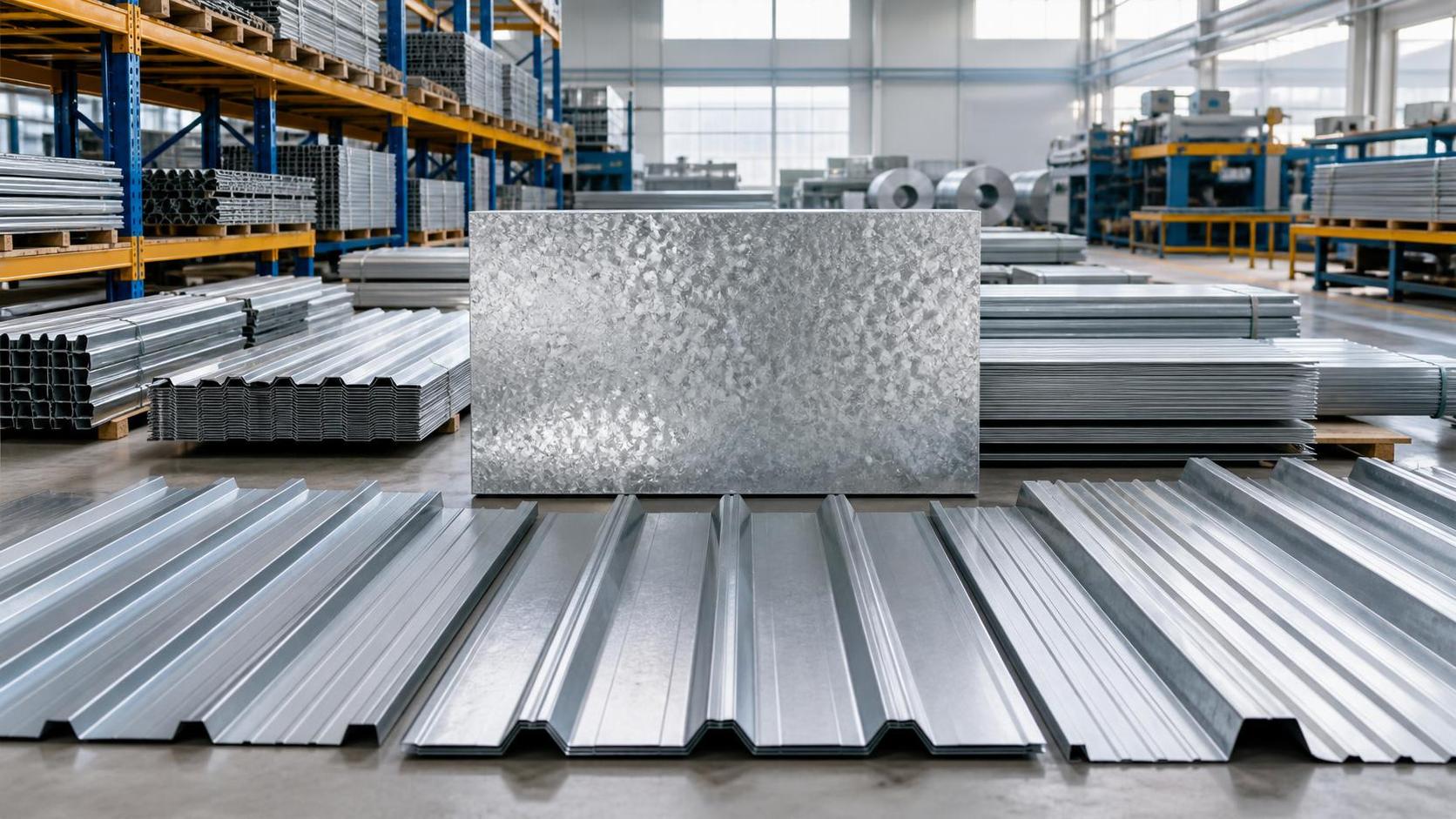
 How to Judge if Steel Sheet for Construction Fits Roofing or Wall CladdingSteel sheet for construction: learn how to judge thickness, coating, profile, and load performance for roofing or wall cladding, and choose a durable, cost-effective fit.
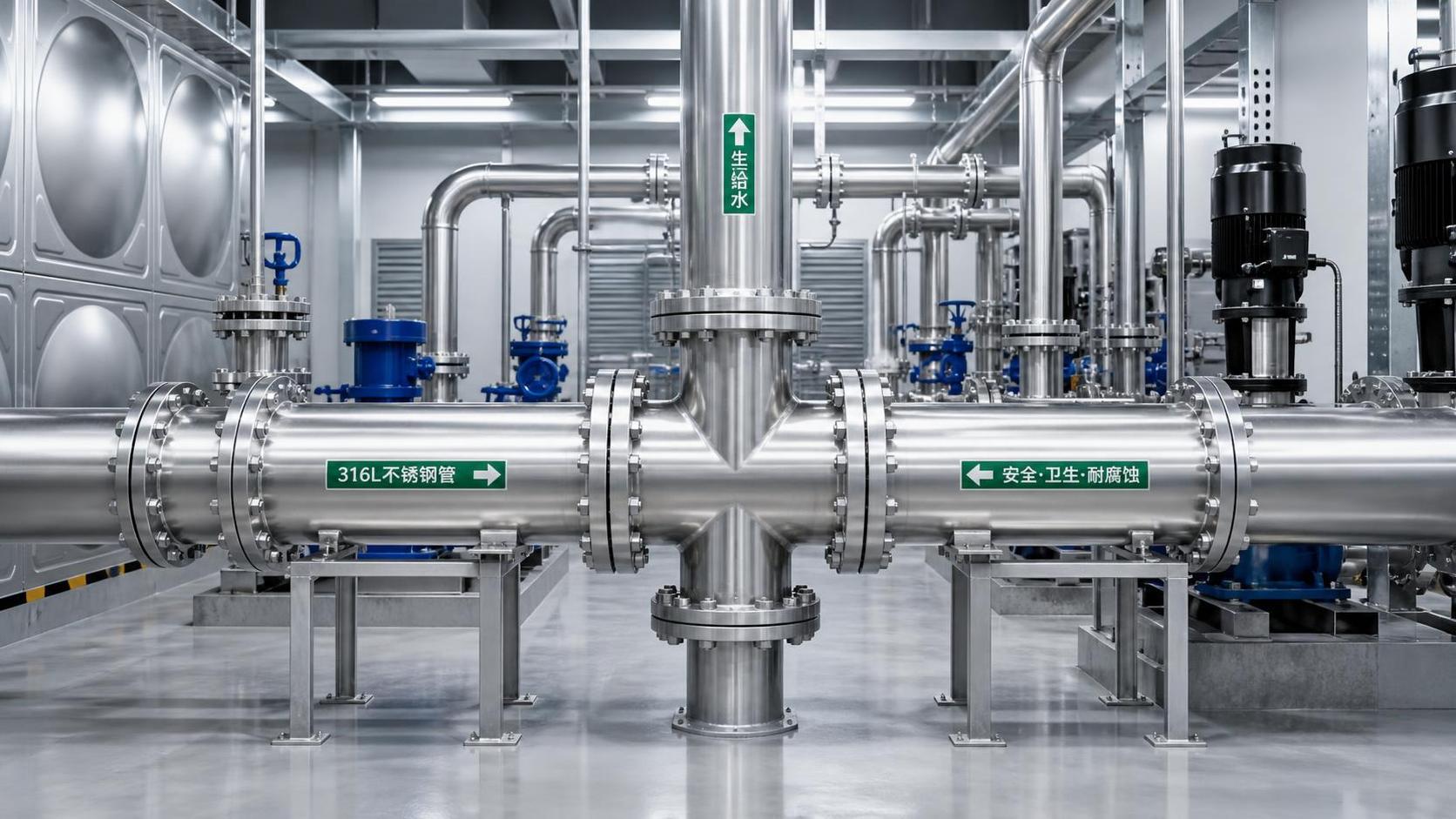
 How to Choose SS Pipe for Water Supply in Corrosion-Prone BuildingsSS pipe for water supply selection guide for corrosion-prone buildings. Compare 304 vs 316 grades, water chemistry, specs, and lifecycle cost to choose a safer, longer-lasting system.
 Steel Wire Rope Manufacturer Standards That Matter in Lifting ApplicationsSteel wire rope manufacturer standards for lifting: learn how to assess traceability, testing, compliance, and real quality control before choosing a safer, more reliable supplier.
 When a Steel Channel Supplier Should Provide Mill Test CertificatesSteel Channel supplier guide on when mill test certificates should be provided for quality control, compliance, and safer procurement.
Please give us a message


Please enter what you want to find