In large-scale engineering projects, the right construction wire specifications play a critical role in ensuring safety, durability, and cost efficiency. As a leading structural steel manufacturer and exporter from China, Hongteng Fengda understands how details like wire standards and material composition can influence project performance. From stainless steel metal plates and steel square plates to stainless L channels and steel tube coils, choosing compliant and high-quality materials supports structural integrity and long-term reliability in every phase of construction.
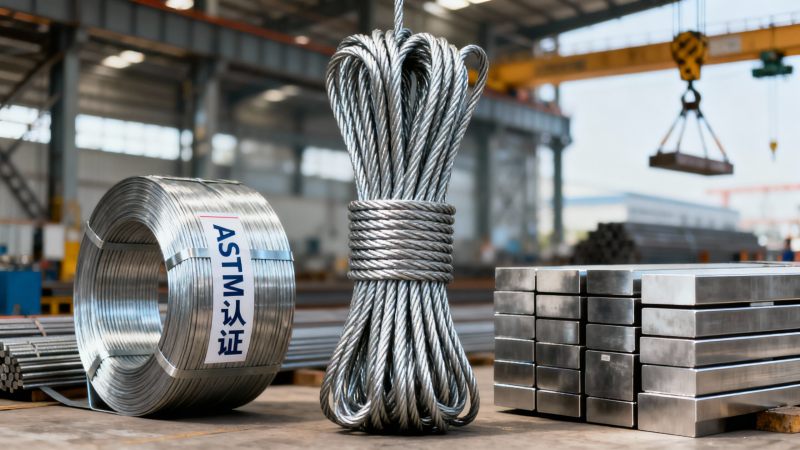
The Importance of Wire Standards in Engineering Applications
For large-scale engineering projects, construction wire specifications are not simply technical parameters—they are fundamental safety indicators. Construction wire connects, reinforces, and supports various structural elements, ensuring that critical load-bearing points remain secure throughout the service life of a building or infrastructure. Using the correct construction wire minimizes the risk of tensile failure, corrosion, and fatigue cracks, which can otherwise compromise the safety and longevity of entire structures.
Different projects require distinct wire specifications depending on environmental factors and structural purpose. For example, in bridge construction, the thickness and coating of the wire must comply with ASTM and EN standards to achieve optimal resistance against fatigue and vibration. Similarly, in industrial buildings using stainless steel metal plates or plate ss material, wire composition must be compatible with stainless or galvanized surfaces to prevent galvanic corrosion. Selecting the right material aligns with the same precision engineers apply when choosing between sst plate or stainless square plate types for different load profiles.
Moreover, wire specification directly impacts project cost efficiency. A slight error in wire gauge or tensile rating can result in unnecessary material overuse or structural failure requiring rework. For decision-makers responsible for procurement and quality control, understanding the link between construction wire and steel component performance is crucial to ensuring project feasibility and profitability.
Compliance and Material Integrity: Beyond Basic Specifications
In the structural steel industry, compliance with global standards such as ASTM, JIS, DIN, and GB provides a universal language for quality assurance. Each wire or steel component—from stainless metal plate to stainless l channel—must be tested according to international criteria for tensile strength, ductility, and coating performance. These measures guarantee that construction wire and steel accessories can endure extreme loads, temperature variations, and corrosive conditions.
For example, a high-tensile wire used alongside a steel tube coil or stainless steel metal plates must exhibit consistent yield strength across its length. This ensures the integrity of prefabricated components, minimizing weak points that could otherwise compromise the stability of assembled frameworks. Manufacturers like Hongteng Fengda employ advanced metallurgical testing, passivation, and galvanization techniques to maintain the consistency and reliability of every batch, leading to seamless integration between structural joints and reinforcement materials.
The table below illustrates common international standards used in evaluating wire and plate materials for large-scale construction purposes:
Adherence to these standards not only enhances structural safety but also strengthens supplier credibility. For international buyers, transparency in specification data reduces procurement risks and ensures compatibility across multiple project stages.
Selecting the Right Wire Type for Structural Performance
When engineers specify construction wire, they must consider several key parameters—diameter, tensile grade, coating type, and surface treatment. A thicker wire provides higher tension capacity, while galvanized or stainless coatings ensure long-term corrosion resistance in humid or coastal environments. These practical considerations extend to supporting components like stainless steel metal plates or stainless square plate designs, which rely on compatible wire systems to maintain precise geometry under stress.
To complement wire applications, Hongteng Fengda also produces compatible materials, including the Carbon Steel Round Bar. Known for excellent strength and wear resistance, this carbon steel component comes in lengths from 2m to 12m and diameters from 5–2500mm. It is ideal for reinforcement, handrail systems, and large structural cores requiring consistent mechanical properties. Certified under ASTM, EN, and G standards, each round bar undergoes surface treatments such as passivation, oiling, and lacquer sealing to increase durability and performance in high-load environments. Used alongside compliant wires, it contributes to a robust and economical structural framework.
Selecting between black-painted or galvanized finishes should depend on the exposure conditions. For open structures such as fences, balconies, or railing systems, galvanized finishes protect against continuous exposure to moisture. For interior frameworks connecting to stainless metal plate elements, untreated or transparent oil finishes might suffice while reducing overall material cost. When combined with wire specifications that meet precise tensile ratings, these choices ensure both performance and aesthetic value.
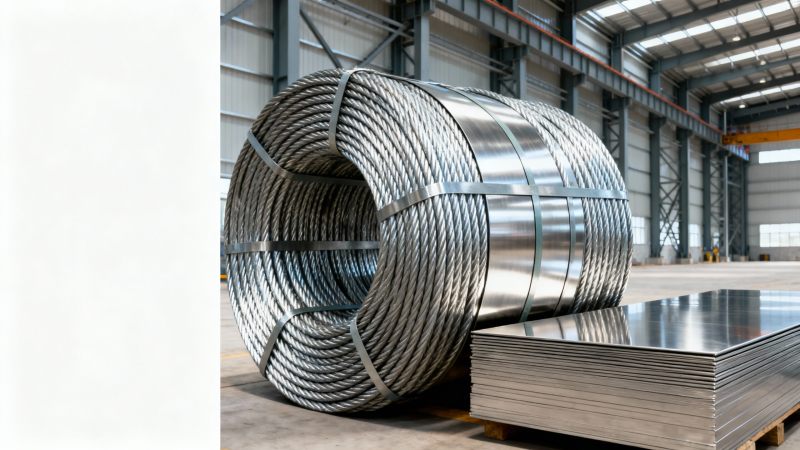
Technological Advances and Sustainability Trends in Wire and Steel Production
The contemporary construction industry is evolving toward sustainability, requiring wire and structural materials that balance strength, energy efficiency, and recyclability. Manufacturers now employ low-emission furnaces, precision rolling technology, and continuous casting processes to minimize waste and energy use. In advanced facilities like those operated by Hongteng Fengda, the focus extends to digital quality monitoring, ensuring each batch of wire or sst plate meets established benchmarks for mechanical performance and surface integrity.
Furthermore, integrating construction wire with eco-friendly coatings, such as chromium-free passivation or zinc-aluminum alloy, reduces environmental impact without compromising corrosion protection. These solutions are especially relevant for megaprojects emphasizing environmental compliance, from bridge infrastructure to industrial plant extensions. Combining stainless l channel and steel tube coil systems provides structural adaptability while maintaining cost efficiency during installation and maintenance stages.
As more clients seek certified eco-standards, traceability has become a key differentiator. Manufacturers providing transparent supply chains and detailed batch certificates demonstrate accountability and competence—two decisive factors for international tenders and long-term partnerships. This integrated approach not only ensures project reliability but also strengthens global cooperation in sustainable engineering.
Quality Control and Testing Protocols for Construction Wire
Quality control in construction wire production covers dimensional accuracy, surface inspection, tensile evaluation, and coating thickness measurement. Laboratories utilize advanced tensile machines and corrosion chambers to test wire performance under simulated field conditions. These measures ensure that every reel of wire, whether paired with steel square plates or stainless metal plates, performs consistently in both static and dynamic load environments.
Hongteng Fengda’s testing regime involves continuous in-line monitoring systems that detect micro flaws before product dispatch. This zero-defect policy reduces maintenance costs for end-users and protects the overall structural lifecycle. Likewise, when selecting high-strength wire for industrial reinforcement or decorative applications, engineers can choose certified components such as the Carbon Steel Round Bar to guarantee mechanical harmony within assembled frameworks.
Consistency between wire hardness and plate elasticity is critical. Mismatches between materials can generate excess stress at connecting joints, increasing the risk of premature wear. By aligning wire specifications with complementary elements like stainless square plate or steel tube coil systems, designers optimize energy dissipation during operational loads, promoting long-term stability and safety.
Conclusion and Partnership Opportunities
Every large-scale engineering project depends on solid fundamentals: quality materials, precise specifications, and reliable partnerships. Wire and steel components form the invisible backbone of infrastructure, influencing safety, design flexibility, and operational efficiency. Understanding construction wire specifications is key to balancing performance and cost-effectiveness, while choosing proven suppliers like Hongteng Fengda ensures consistent product quality, adherence to international standards, and global delivery reliability.
From stainless steel metal plates to carbon and stainless structural members, Hongteng Fengda’s integrated product portfolio supports complex design requirements for construction, industrial manufacturing, and public infrastructure. For procurement teams and project managers seeking customized ss metal sheet or wire-based solutions, the company offers engineering assistance, timely logistics, and transparent documentation to streamline every stage of material supply.
Contact Hongteng Fengda today to discuss your upcoming project requirements. Our technical specialists will help you identify the optimal construction wire standards and complementary steel materials to achieve your performance and sustainability goals. Build stronger, safer, and more reliable structures with the support of a trusted global structural steel partner.
- steel i
- stainless wire
- ss wire
- structural steel
- Structural Steel
- construction wire
- steel tube coil
- stainless l channel
- stainless square plate
- stainless metal plate
- sst plate
- stainless steel metal plates
- steel square plate
- plate ss
- ss metal sheet
- Profile
- Galvanized
- carbon steel
- steel tube
- steel round bar
Related recommendations
 What is an H-Beam and How Does it Differ from an I-Beam?Discover what an H-beam is and how it differs from an I-beam. Learn key structural differences and expert selection tips from Hongteng Fengda to optimize your steel construction projects today.
 Hot Rolled vs. Cold Rolled Steel Sheet: Surface and ToleranceHot rolled vs cold rolled steel sheet: Discover how surface finish and tolerances impact manufacturing. Optimize material selection, reduce costs, and ensure quality. Read our expert guide today!
 Best Cutting and Bending Practices for Galvanized Sheet MetalDiscover the best cutting and bending practices for galvanized sheet to prevent zinc flaking. Optimize tooling and thermal parameters to ensure perfect corrosion resistance. Read the full guide!
 What is Galvanized Sheet and How Does the Zinc Coating Work?Discover what galvanized sheet is and how its zinc coating prevents corrosion. Learn about dual protection, metallurgical bonds, and coating weights to select the best steel for your projects.
Please give us a message


Please enter what you want to find