When SPCC steel for automotive industry fails dimensional stability during stamping, it leads to costly scrap, tool wear, and delayed production—especially critical for precision components. As a trusted structural steel manufacturer & exporter from China, Hongteng Fengda supplies high-quality SPCC steel for automotive industry alongside SPCD steel high strength, cold rolled steel for warehouse construction, and corrosion-resistant plate supplier in Middle East solutions. Our ASTM stainless steel for chemical processing and 316 angle steel supplier in Europe offerings meet stringent international standards (ASTM, EN, JIS, GB). Whether you’re an engineer, procurement officer, or project manager, understanding root causes—and partnering with a reliable cold formed angle steel specifications expert—ensures stamping success.
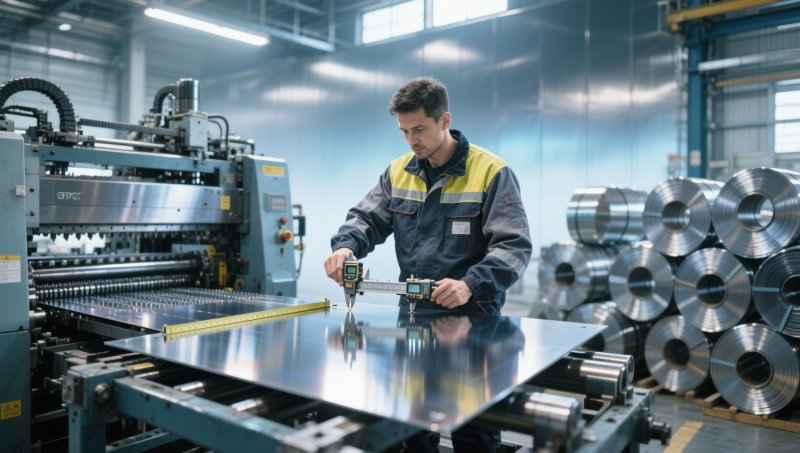
Why Dimensional Instability Occurs in SPCC Stamping — Root Causes Beyond Material Grade
SPCC steel—cold-rolled commercial quality carbon steel per JIS G 3141—is widely used in automotive outer panels, brackets, and structural reinforcements due to its excellent formability and surface finish. Yet dimensional instability during stamping isn’t always a material failure; it’s often the result of mismatched process-material-system alignment. Thermal residual stress from uneven cooling post-rolling, inconsistent coil tension during uncoiling, and microstructural banding can all trigger springback exceeding ±0.3 mm—well beyond tolerance thresholds for A-pillar mounts or door hinge carriers.
Critical contributors include improper annealing parameters (e.g., holding time < 3 hours at 680°C), surface lubrication variability (±15% film thickness deviation), and die wear accumulation beyond 120,000 cycles without recalibration. These factors compound when ambient workshop humidity exceeds 65% RH—accelerating localized oxidation that alters friction coefficients mid-run.
Importantly, SPCC’s low yield-to-tensile ratio (~0.52–0.58) makes it highly sensitive to minor fluctuations in blank holder force. A 5% deviation in hydraulic pressure across the die cushion can induce asymmetric flow, resulting in warpage up to 0.8 mm in 300-mm-long flanges—a frequent cause of downstream welding misalignment.
Key Process-Material Interaction Risks
- Residual stress gradients > 80 MPa after leveling → edge curling post-stamp
- Surface roughness Ra > 0.8 μm → inconsistent draw-in depth across 200-mm zones
- Coil flatness deviation > 3 I-Units → premature die contact and localized thinning
- Batch-to-batch tensile strength variation > ±25 MPa → unpredictable springback behavior
How Reliable Steel Suppliers Mitigate Risk — From Mill to Pressroom
Consistency starts before shipment. At Hongteng Fengda, every SPCC coil undergoes triple-stage quality verification: (1) online tensile testing every 200 meters, (2) laser-based flatness scanning with ≤1.2 I-Unit tolerance, and (3) batch-level metallurgical audit including grain size distribution (ASTM E112, G5–G7 range) and inclusion rating (ASTM E45 Type A ≤2.0). This ensures yield strength variation stays within ±12 MPa—critical for repeatable forming outcomes.
We also offer pre-stamping support: certified mechanical property reports per EN 10131, surface oil type specification (e.g., mineral-based ISO VG 32 vs. synthetic ester), and optional stress-relief annealing (650°C ±5°C, 2-hour hold) for high-precision applications. Lead times for certified SPCC coils average 7–12 days from order confirmation—enabling just-in-time pressroom scheduling without safety stock overruns.
For projects demanding traceability beyond standard mill certs, we provide full heat-lot mapping with QR-coded labels, linking each coil to its hot-rolled slab origin, continuous casting parameters, and final cold-rolling pass data. This level of transparency is essential for Tier-1 OEMs requiring PPAP Level 3 documentation.
SPCC vs. Alternatives: When to Consider SPCD, DC04, or Custom-Tempered Grades
While SPCC remains cost-effective for non-critical stampings, evolving design complexity demands more robust alternatives. SPCD offers higher elongation (≥34% vs. SPCC’s ≥27%) and tighter tensile strength control (270–330 MPa), making it preferable for deep-drawn fuel tank caps or EV battery enclosure frames. DC04 (EN 10130) adds bake-hardening response—ideal for Class-A body panels requiring post-paint rigidity.
For rail infrastructure applications where dimensional repeatability under cyclic loading matters most, our Rail product line—including U71Mn, PD3, and QU100 profiles—undergoes ultrasonic testing per EN 15610 and geometric verification across 12m lengths with ±0.5 mm height tolerance. This same precision discipline extends to our automotive-grade cold rolled steels.
Procurement Checklist: 5 Non-Negotiables for SPCC Buyers
Selecting SPCC isn’t about price alone—it’s about risk mitigation across your supply chain. Verify these five criteria before placing orders:
- Mill Test Reports per EN 10204 3.1: Must include actual tensile, bend, and hardness values—not just “conforms to spec” statements.
- Flatness Certification: Measured via laser scanner, not visual inspection; max deviation ≤1.5 I-Units across full width.
- Oil Type & Coverage: Specified by viscosity grade and application method (e.g., roll-coated ISO VG 32, 1.2–1.6 g/m²).
- Traceability Protocol: Heat number linkage to ladle analysis, hot strip coil ID, and cold rolling log.
- Delivery Packaging: Edge-protected wooden crates with moisture barrier film—prevents transit-induced surface damage.
Hongteng Fengda provides all five as standard for SPCC orders above 20 metric tons. Smaller batches receive priority packaging and accelerated lab reporting—typically within 48 hours of coil release.
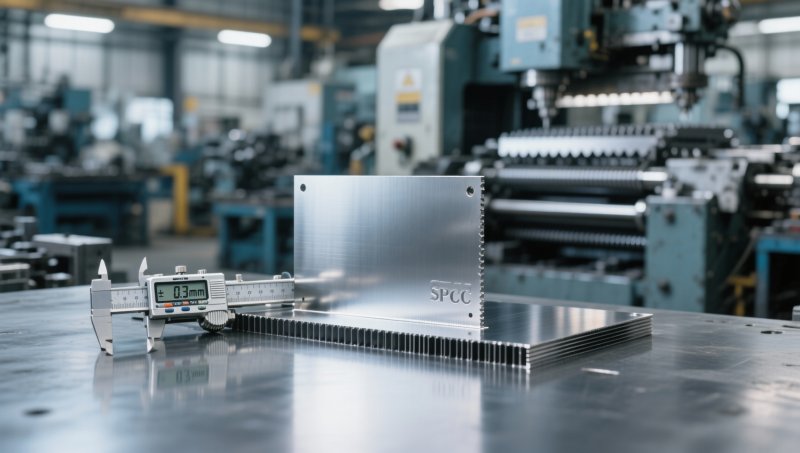
Why Partner With Hongteng Fengda for Automotive-Grade Cold Rolled Steel
We don’t just ship steel—we co-engineer stamping readiness. Our technical team includes metallurgists with 15+ years’ experience supporting Tier-1 automotive suppliers across Germany, Mexico, and Thailand. We offer free pre-stamp feasibility reviews—including FEA-supported springback prediction using your CAD die model—and on-site pressroom audits upon request.
With ISO 9001:2015 and IATF 16949-aligned processes, our SPCC meets OEM-specific requirements like GMW14117 (surface cleanliness) and Ford WSS-M1A272-A2 (edge condition). Every coil ships with dual-language certs (English + customer’s local language) and optional third-party inspection (SGS, BV, TÜV).
Ready to eliminate dimensional surprises in your next stamping run? Contact us for: (1) SPCC coil certification review, (2) custom tempering options, (3) lead time confirmation for urgent builds, or (4) sample submission for lab validation. Response time guaranteed within 2 business hours.
- angle steel supplier
- angle steel
- cold formed angle
- 316 angle
- ASTM stainless steel
- corrosion-resistant plate
- cold rolled steel
- SPCC steel
- SPCD steel
- steel supplier
- steel suppliers
- structural steel
- Structural Steel
- Profile
- carbon steel
- 316 angle steel supplier in Europe
- cold formed angle steel specifications
- SPCD steel high strength
- SPCC steel for automotive industry
- cold rolled steel for warehouse construction
- corrosion-resistant plate supplier in Middle East
- ASTM stainless steel for chemical processing
Related recommendations
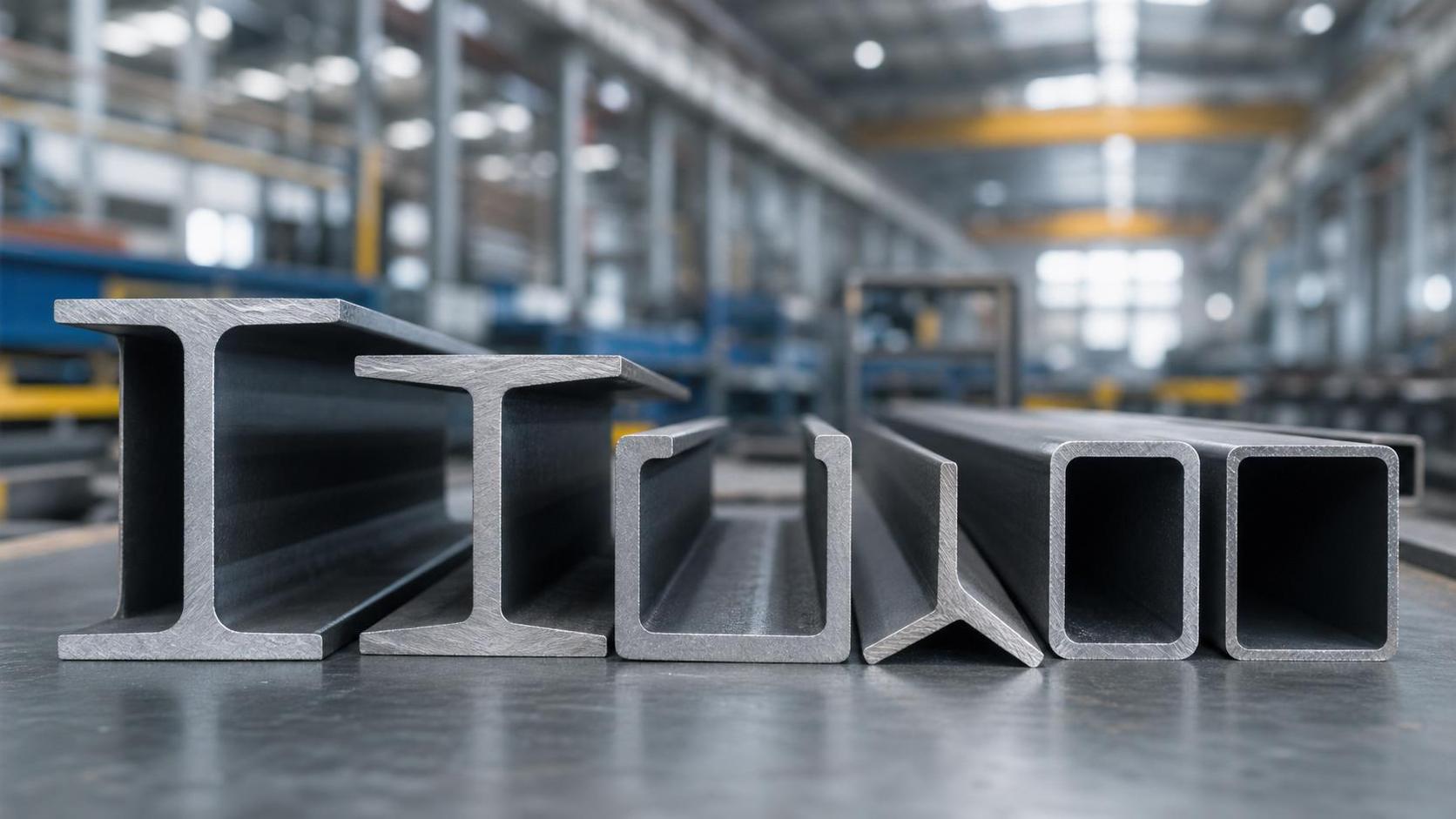
 What Is a Steel Profile? Common Shapes, Uses, and Selection BasicsProfile selection starts with shape, but performance depends on load, fabrication, and standards. Learn common steel profile types, uses, and smart selection basics.
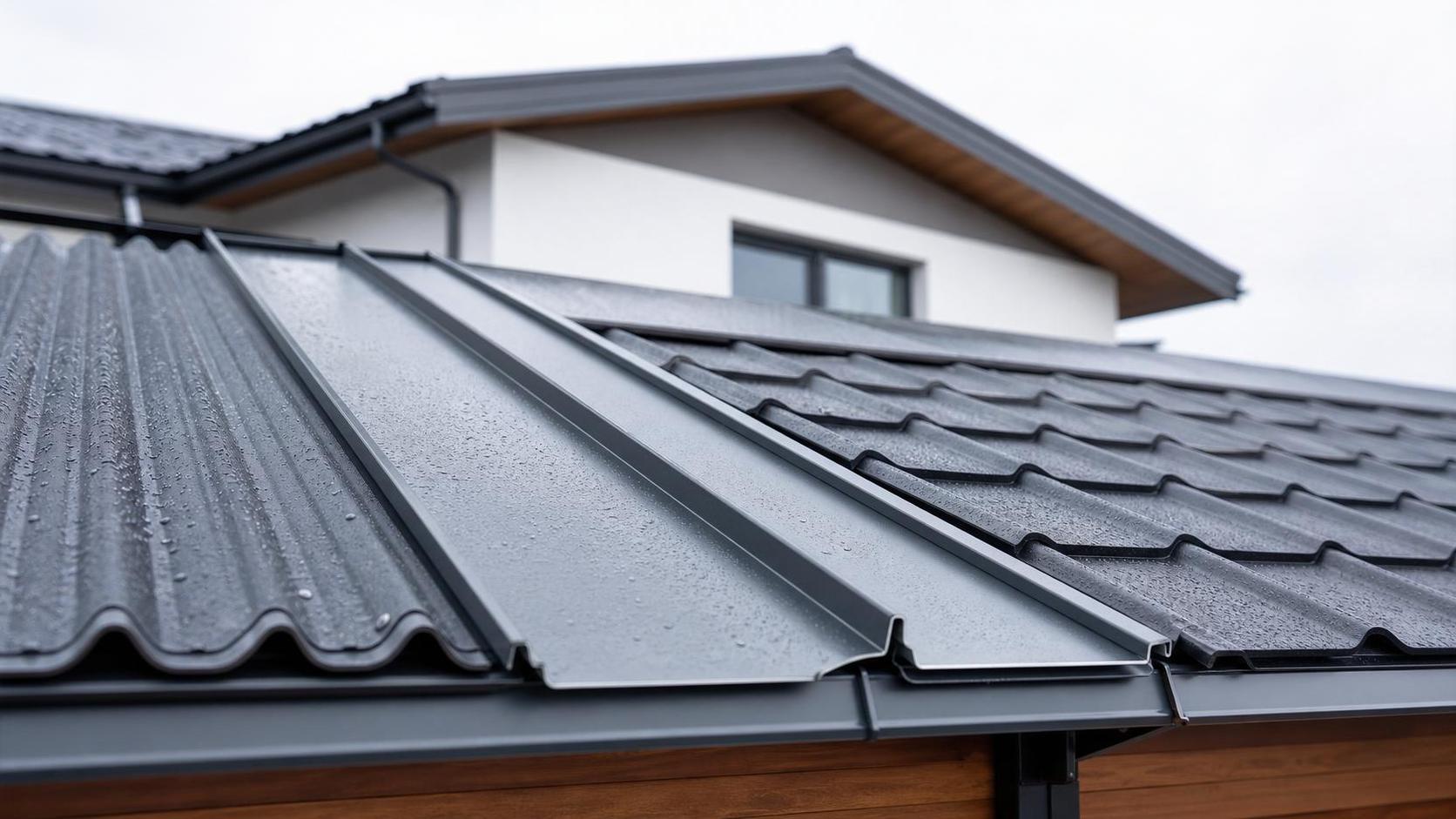
 Steel Roofing Types Explained: Corrugated, Standing Seam, and Metal ShinglesSteel Roofing guide comparing corrugated panels, standing seam, and metal shingles. Discover costs, durability, weather performance, and how to choose the best roof for your home.
 How Hot-Dip Galvanized Coating Thickness Affects Service LifeHot-dip galvanized coating thickness directly affects steel service life. Learn how the right zinc layer improves corrosion protection, controls cost, and supports smarter project decisions.
 Pipe Stainless Grades Explained: 304 vs 316 for Corrosion ResistancePipe stainless grades explained: compare 304 vs 316 for corrosion resistance, cost, and service life. Learn which stainless pipe grade fits marine, chemical, and water system applications.
Please give us a message


Please enter what you want to find