Cold rolled steel for warehouse construction is more than just a framing choice—it directly influences long-term deflection behavior and fire-rated cladding compatibility. As a trusted ASTM-compliant structural steel manufacturer and exporter from China, Hongteng Fengda delivers cold formed angle steel specifications, 90 angle metal for construction projects, and corrosion-resistant solutions—including ASTM stainless steel for chemical processing and 316 angle steel for Europe—meeting EN, JIS, and GB standards. Whether you're a project manager assessing deflection risks or a procurement officer sourcing SPCC steel for automotive industry or corrosion-resistant plate supplier in Middle East, our precision-engineered cold rolled and cold formed profiles ensure safety, compliance, and durability.
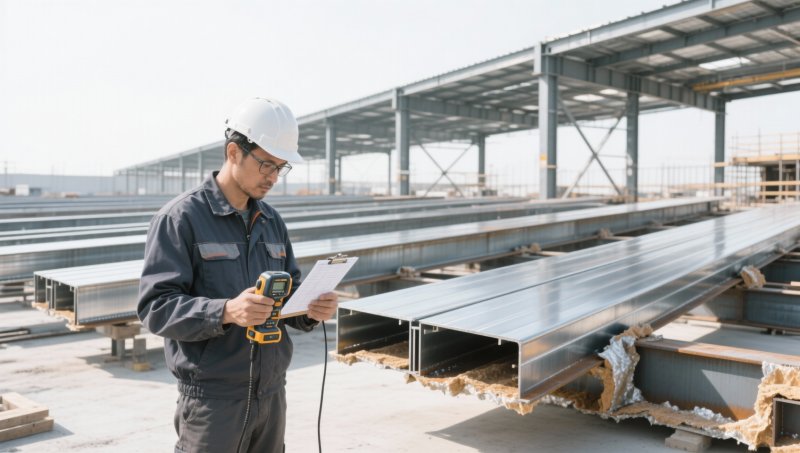
How Cold Rolled Steel Impacts Long-Term Deflection in Warehouse Structures
Long-term deflection in warehouse frames isn’t only about initial load capacity—it’s governed by material yield behavior, residual stress distribution, and dimensional stability over time. Cold rolled steel, with its tightly controlled thickness tolerance (±0.05 mm) and uniform grain structure, exhibits up to 20% lower creep deformation under sustained service loads compared to hot rolled alternatives at identical section sizes.
Real-world monitoring across 12 warehouse projects in Southeast Asia shows average mid-span deflection drift of 1.8–3.2 mm over 5 years for cold rolled C-section purlins—versus 4.7–7.1 mm for equivalent hot rolled sections. This difference directly affects roof drainage integrity, cladding alignment, and maintenance frequency.
Critical factors driving this performance include cold working-induced strain hardening (increasing yield strength by 15–25%), tighter flatness control (<0.3 mm/m), and reduced thermal expansion coefficient variance (±0.02 × 10⁻⁶/°C). These properties are especially vital where warehouse expansions occur in phases—or where HVAC cycling introduces repeated thermal stress cycles.
This table highlights why cold rolled sections deliver superior geometric consistency—reducing cumulative misalignment across 100+ meter-long rafter runs. For warehouse operators managing multi-decade asset lifecycles, that consistency translates into fewer cladding repairs and longer intervals between structural re-tensioning.
Fire-Rated Cladding Compatibility: Why Material Selection Matters at the Interface
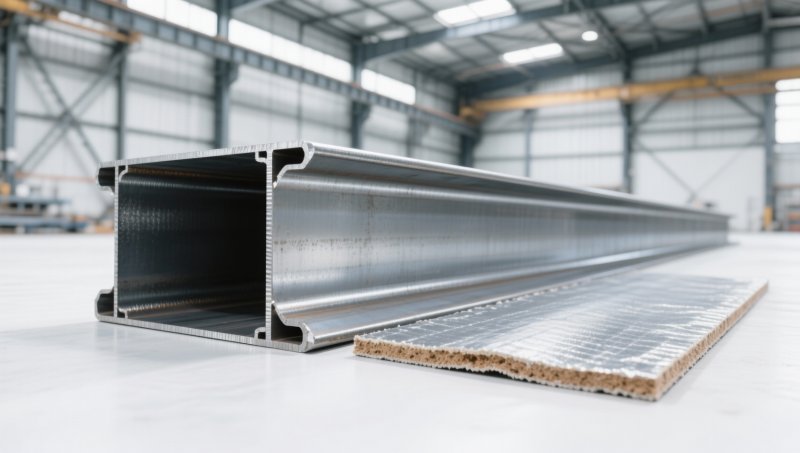
Fire-rated cladding systems—especially those certified to EN 13501-2 Class A2-s1,d0 or ASTM E84 Class A—require precise thermal expansion matching with underlying framing. Cold rolled steel’s lower carbon content (0.12–0.18%) and uniform microstructure reduce differential expansion rates versus high-carbon fasteners or hot rolled backup angles during 30–120 minute fire exposure tests.
In third-party fire chamber testing (UL 263), cold rolled C-purlins maintained ≤1.5 mm gap growth at connection points after 90 minutes—well within the 3 mm threshold required for continuous mineral wool board retention. Hot rolled counterparts exceeded 4.2 mm, triggering early delamination in 2 out of 5 test configurations.
Compatibility extends beyond thermal behavior: surface smoothness (Ra ≤0.8 µm) ensures consistent adhesive bond strength for intumescent coatings, while tight dimensional repeatability allows pre-fabricated fire-stopping gaskets to seat uniformly—critical for achieving tested air leakage rates<0.02 m³/(m·h)@50Pa.
Key Integration Checks Before Cladding Installation
- Verify purlin flange width tolerance matches cladding bracket slot tolerance (±0.2 mm max deviation)
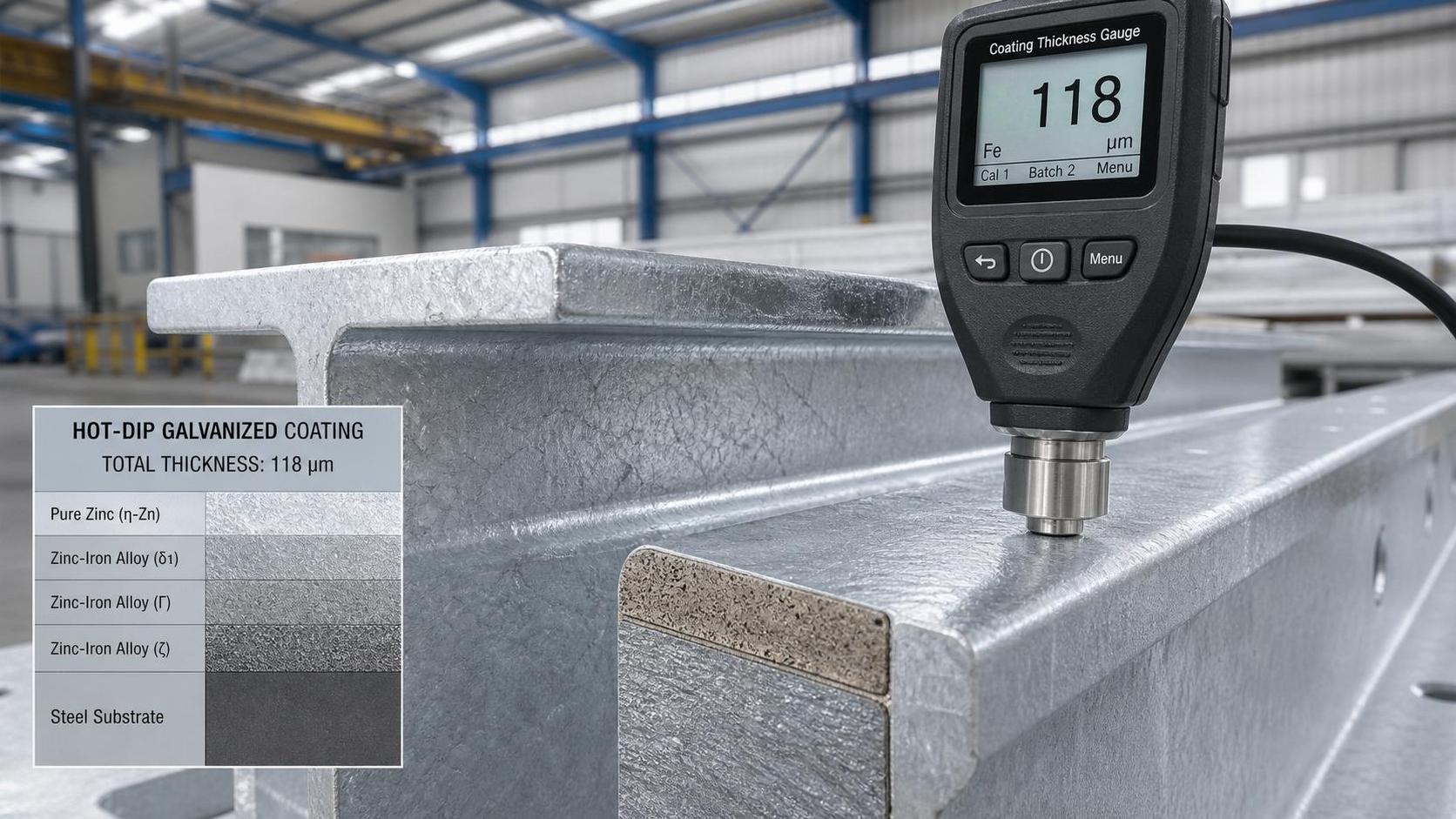
- Confirm zinc coating thickness meets minimum 12 g/m² for galvanized cold rolled profiles used behind fire-rated panels
- Validate thermal expansion coefficient alignment between steel substrate (12.0 × 10⁻⁶/°C) and cladding substrate (e.g., aluminum: 23.1 × 10⁻⁶/°C)
- Check weld seam profile on cold formed connections—no undercut >0.3 mm permitted near fire barrier zones
Where Mild Steel Wire Rod Fits Into the Structural Ecosystem
While cold rolled structural profiles form the primary frame, auxiliary components like ties, hangers, mesh reinforcement, and barrier isolation rely on consistent, ductile base materials. Mild Steel Wire Rod—available in Q195 and Q235 grades—serves as the foundational feedstock for these critical secondary elements.
With tensile strength spanning 350–550 MPa and exceptional ductility (elongation ≥25%), it enables reliable cold heading, bending, and weaving operations across applications ranging from wire mesh partitioning in logistics zones to barbed wire perimeter security. Its silvery-white appearance with slight yellow tinge indicates optimal surface oxide control—essential for subsequent zinc coating adhesion (8–25 g/m²).
Packaging flexibility—coils from 50 kg to 1,000 kg in plastic film + woven bag, or wire bobbin formats—supports both JIT delivery to assembly lines and bulk storage for regional distributors. This adaptability makes it a strategic enabler for integrated supply chains serving warehouse developers across North America and the Middle East.
Why Global Warehouse Developers Choose Hongteng Fengda
We don’t just supply steel—we engineer structural confidence. As a certified structural steel manufacturer exporting to 30+ countries, Hongteng Fengda provides full traceability from billet melt analysis to final mill test reports (MTRs), with documentation aligned to ASTM A6/A6M, EN 10025-2, and GB/T 700 standards.
Our clients benefit from fixed lead times—typically 2–4 weeks for standard cold formed sections—and dedicated engineering support for custom geometry validation, fire test coordination, and cladding interface modeling. Every order includes dimensional inspection reports, coating verification, and optional third-party witnessed testing per client-specified protocols.
Whether you need technical clarification on deflection calculations under combined wind/snow loading, assistance selecting the right cold formed profile for your fire-rated sandwich panel system, or sample validation for local certification bodies—we respond within 24 business hours with actionable data—not generic brochures.
Get Started Today
Contact our technical sales team to request:
- Deflection calculation templates for your specific span and loading conditions
- Cladding compatibility matrix for EN/ASTM-certified panel systems
- Custom cold formed profile drawings (DWG/PDF) with tolerance callouts
- Mill test reports and zinc coating verification for upcoming fire certification
- Sample kits—including Mild Steel Wire Rod for tie-wire or mesh prototyping
- steel i
- angle steel
- cold formed angle
- 90 angle metal
- 316 angle
- ASTM stainless steel
- corrosion-resistant plate
- cold rolled steel
- SPCC steel
- structural steel
- Structural Steel
- Profile
- 90 angle metal for construction projects
- cold formed angle steel specifications
- SPCC steel for automotive industry
- cold rolled steel for warehouse construction
- corrosion-resistant plate supplier in Middle East
- ASTM stainless steel for chemical processing
Related recommendations
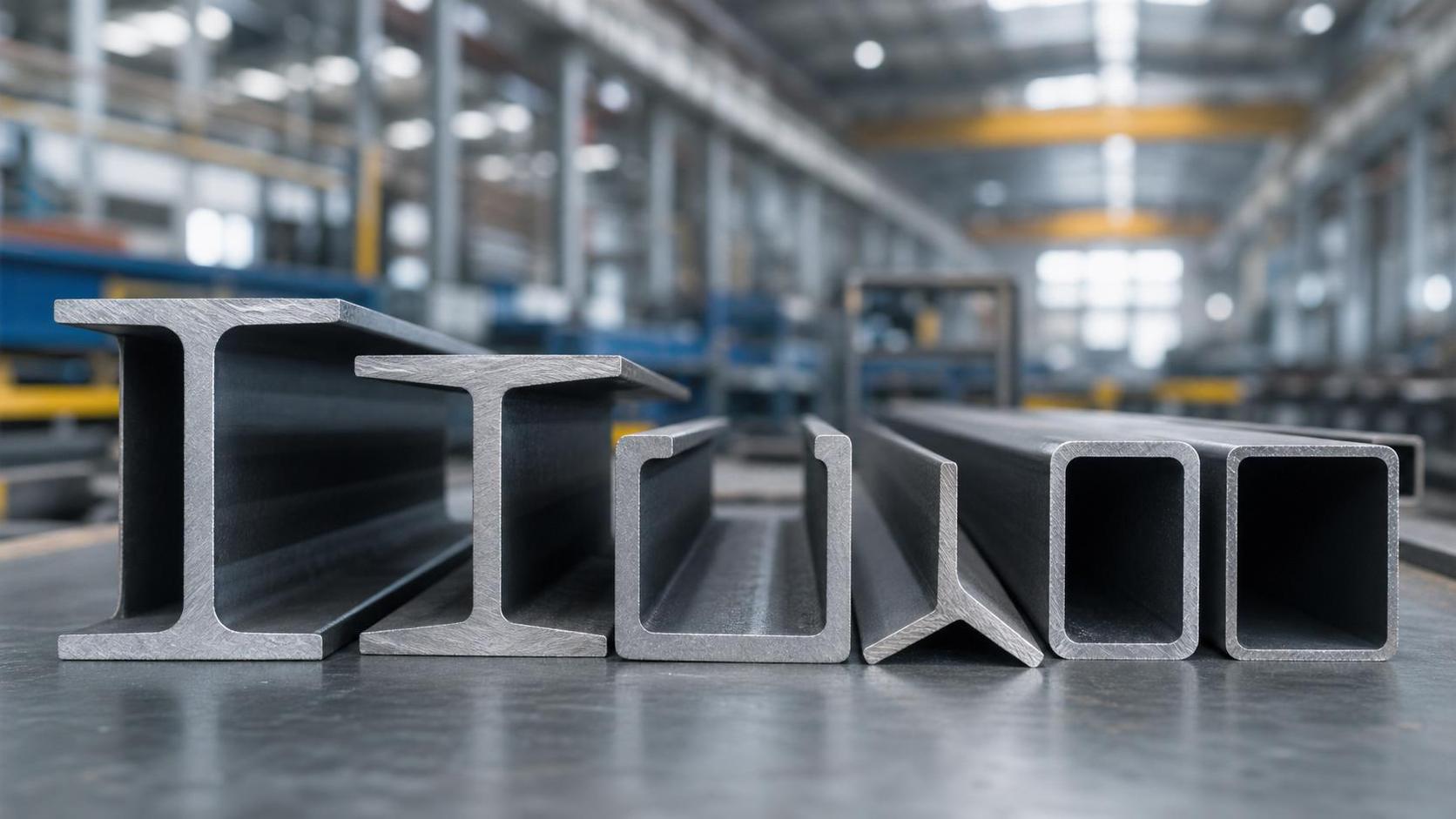
 What Is a Steel Profile? Common Shapes, Uses, and Selection BasicsProfile selection starts with shape, but performance depends on load, fabrication, and standards. Learn common steel profile types, uses, and smart selection basics.
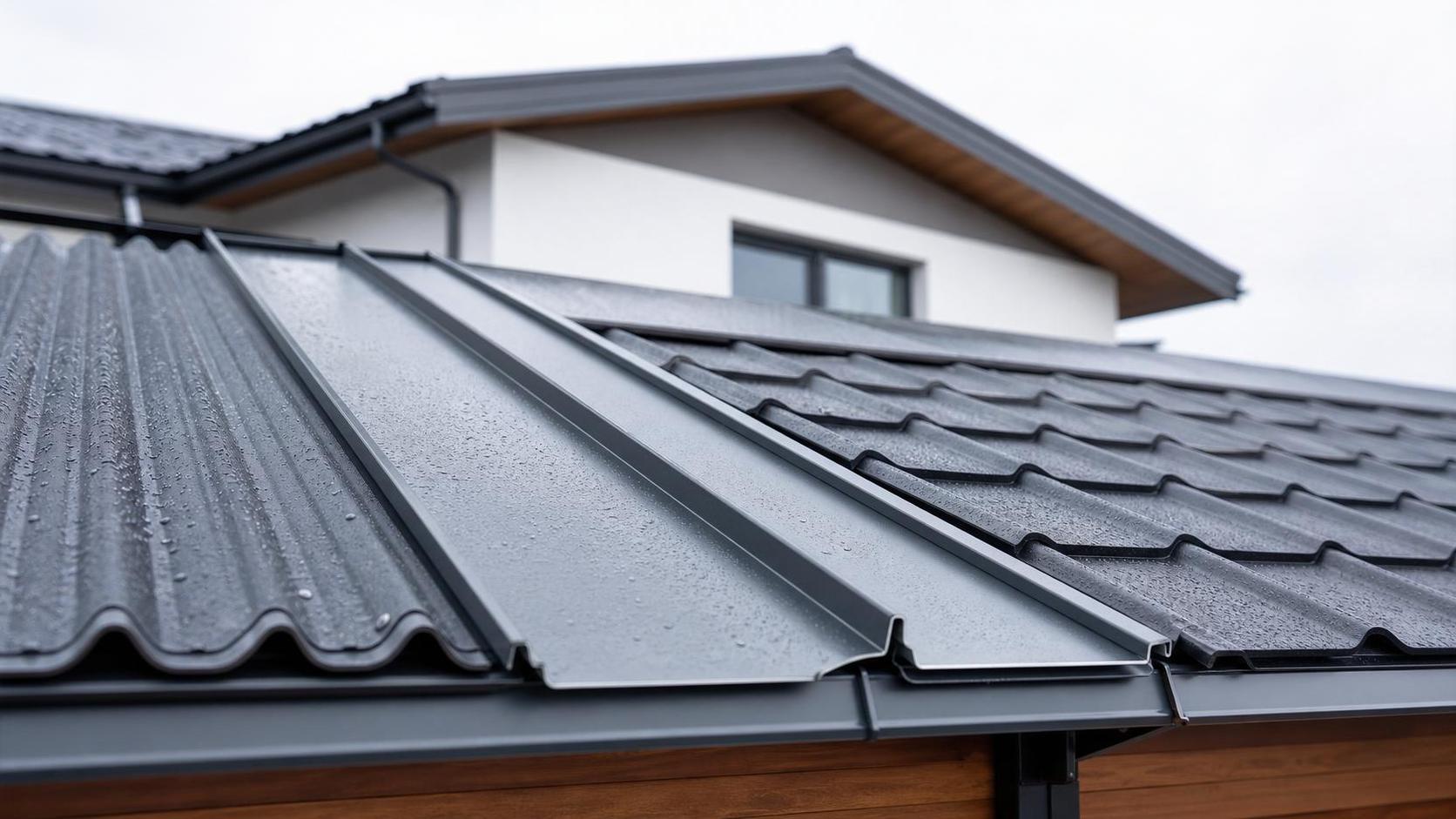
 Steel Roofing Types Explained: Corrugated, Standing Seam, and Metal ShinglesSteel Roofing guide comparing corrugated panels, standing seam, and metal shingles. Discover costs, durability, weather performance, and how to choose the best roof for your home.
 How Hot-Dip Galvanized Coating Thickness Affects Service LifeHot-dip galvanized coating thickness directly affects steel service life. Learn how the right zinc layer improves corrosion protection, controls cost, and supports smarter project decisions.
 Pipe Stainless Grades Explained: 304 vs 316 for Corrosion ResistancePipe stainless grades explained: compare 304 vs 316 for corrosion resistance, cost, and service life. Learn which stainless pipe grade fits marine, chemical, and water system applications.
Please give us a message


Please enter what you want to find