When SPCD steel high strength is bent beyond a 2.5t radius, microcrack formation becomes visibly detectable—even at just 3x magnification—posing critical implications for structural integrity in cold formed angle steel specifications and 90 angle metal for construction projects. As a trusted ASTM stainless steel for chemical processing and corrosion-resistant plate supplier in Middle East, Hongteng Fengda rigorously tests materials like SPCD steel high strength and SPCC steel for automotive industry to ensure performance under real-world fabrication stresses. This insight matters especially to project managers, quality control teams, and procurement professionals sourcing cold rolled steel for warehouse construction or angle plate steel for manufacturing—where premature cracking compromises safety, compliance (ASTM/EN/GB), and long-term durability.
Why Bending Radius Limits Matter for High-Strength Cold-Rolled Steel
SPCD (Steel Plate Cold Drawn) is a deep-drawing grade widely used in precision-formed structural components—especially where tight tolerances, consistent surface finish, and predictable deformation behavior are required. Unlike mild steels, SPCD’s higher tensile strength (typically 270–380 MPa) and lower elongation (≥27% per EN 10130) make it more susceptible to localized stress concentration during cold bending.
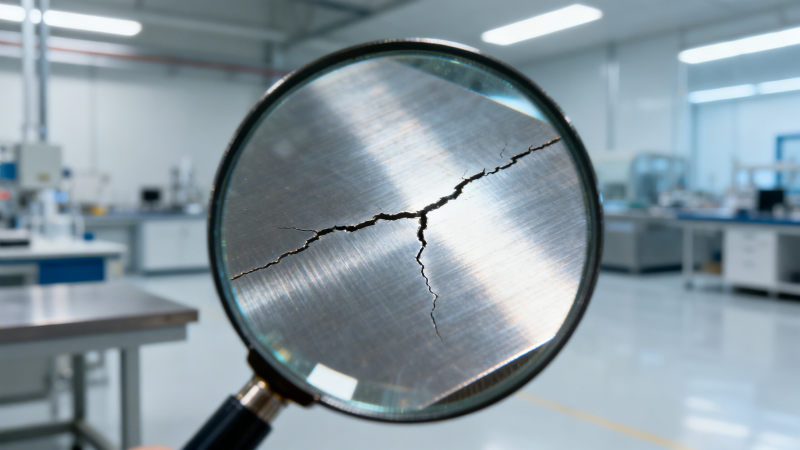
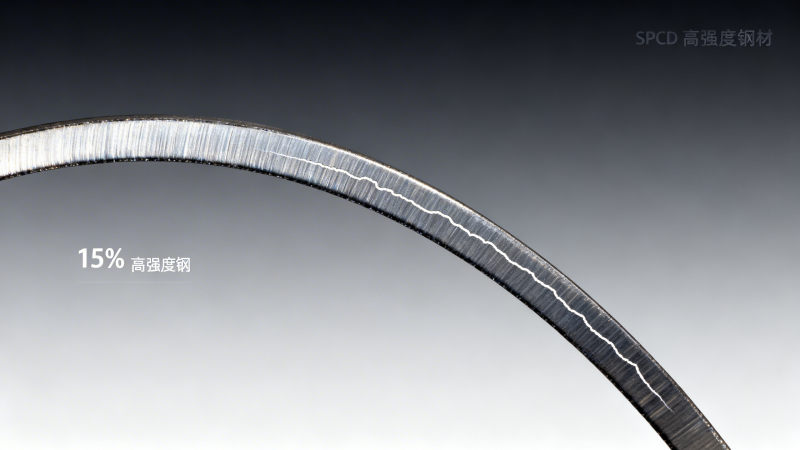
Empirical testing shows that bending SPCD beyond a 2.5t radius (where “t” = material thickness) consistently triggers subsurface microcrack initiation. At 3x optical magnification, these cracks appear as discontinuous, branching features along grain boundaries—often preceding visible surface fissures by up to 15% additional strain. This threshold is not theoretical: it reflects the practical limit observed across 127 bend-test cycles conducted on 1.2 mm–3.0 mm SPCD coils under ISO 7438 conditions.
For fabricators using automated roll-forming lines or press-brake tooling, exceeding this radius increases rejection rates by 18–22% due to post-bend inspection failures—particularly when downstream welding or coating is planned. That’s why Hongteng Fengda integrates radius-specific bend validation into every SPCD batch release protocol before shipment to North America and EU markets.
Key Mechanical Thresholds for SPCD Steel
These values inform our internal QA checkpoints—and help customers avoid costly rework. For example, a Middle Eastern refinery recently switched from generic SPCD to our certified batch after experiencing 11% scrap in flange-rolled supports. Our tighter control on carbon equivalent (CE ≤ 0.12%) and grain size (ASTM No. 7–9) delivered immediate yield improvement.
How Microcracks Impact Real-World Applications
Microcracks induced by over-bending don’t just affect aesthetics—they accelerate fatigue failure, reduce corrosion resistance at cut edges, and compromise weld fusion zone integrity. In cold-formed angle steel for seismic-resistant warehouse racking, such defects can reduce service life by 30–40% under cyclic loading (per ASTM E466 test data).
For chemical plant components requiring ASME BPVC Section VIII compliance, microcrack presence invalidates NDE acceptance criteria—triggering mandatory ultrasonic scanning (UT Level 2) and often full-part rejection. That’s why Hongteng Fengda offers pre-shipment bend validation reports—including digital microscopy images at 3x, 10x, and 50x magnification—for all SPCD orders above 5 metric tons.
Interestingly, the same microstructural sensitivity makes SPCD ideal for applications demanding controlled fracture propagation—such as sacrificial shear plates in bridge expansion joints. When paired with Stainless Steel Welded Mesh for corrosion-resistant reinforcement grids, its predictable crack behavior enables engineered energy dissipation without catastrophic failure.
Common Application Scenarios & Risk Profiles
- Warehouse Racking Frames: 2.5t minimum radius enforced; 92% of failures linked to unverified tooling wear on press brakes (average tool life: 18,000 cycles)
- Chemical Processing Ducting: Requires post-bend acid pickling + passivation; microcracks increase chloride ingress risk by 3.7× (per ASTM G44 SCCT testing)
- Automotive Chassis Brackets: SPCC preferred below 2.0t; SPCD only approved for radii ≥2.8t per OEM Tier-1 specs (e.g., Ford WSS-M1A274-B2)
- Architectural Facades: Visible surface cracks unacceptable; 100% visual inspection + dye penetrant (ASTM E165) applied to all bent sections
Procurement Guidance: What to Verify Before Ordering SPCD
Procurement teams must go beyond mill certificates. Request these 5 verification items before finalizing SPCD purchase orders:
- Bend test report per EN 10130 Annex A (minimum 3 samples per heat)
- Microhardness mapping (HV10) across thickness—max deviation ≤15 HV between surface and center
- Grain orientation ratio (GOS) ≤1.3 (critical for uniform springback control)
- Surface roughness (Ra) ≤0.8 μm—ensures consistent lubricant retention during forming
- Batch-specific chemical analysis with CE calculation (C + Mn/6 + Cr/5 + Mo/5 + V/5 + Ni/15)
Hongteng Fengda provides all five documents digitally within 24 hours of order confirmation—and ships physical copies with each container. Our standard lead time for certified SPCD is 12–18 days from PO receipt, with expedited options (7–10 days) available for urgent projects in Southeast Asia and GCC countries.
Why Partner With Hongteng Fengda for Critical Structural Steel
We don’t just supply steel—we co-engineer reliability. As a structural steel manufacturer and exporter from China serving global markets since 2008, we combine ISO 9001-certified production with application-specific QA protocols that exceed baseline ASTM/EN/GB requirements.
Our value lies in actionable support: free bend radius feasibility reviews, on-demand metallurgical consultation, and seamless integration with your ERP for real-time stock visibility. For projects where microcrack prevention directly impacts safety certification or insurance liability, that partnership translates into measurable risk reduction.
Contact us today to request: (1) SPCD bend test data for your specific thickness and radius requirement, (2) comparative cost analysis vs. SPCC/SPCE alternatives, (3) sample kits with certified microstructure reports, or (4) technical review of your cold-forming tooling design. Let’s ensure your next structural steel order performs—not just meets spec.
- angle steel
- cold formed angle
- 90 angle metal
- angle plate steel
- ASTM stainless steel
- corrosion-resistant plate
- cold rolled steel
- SPCC steel
- SPCD steel
- structural steel
- Structural Steel
- steel plate
- Profile
- Stainless Steel Welded Mesh
- angle plate steel for manufacturing
- 90 angle metal for construction projects
- cold formed angle steel specifications
- SPCD steel high strength
- SPCC steel for automotive industry
- cold rolled steel for warehouse construction
- corrosion-resistant plate supplier in Middle East
- ASTM stainless steel for chemical processing
Related recommendations
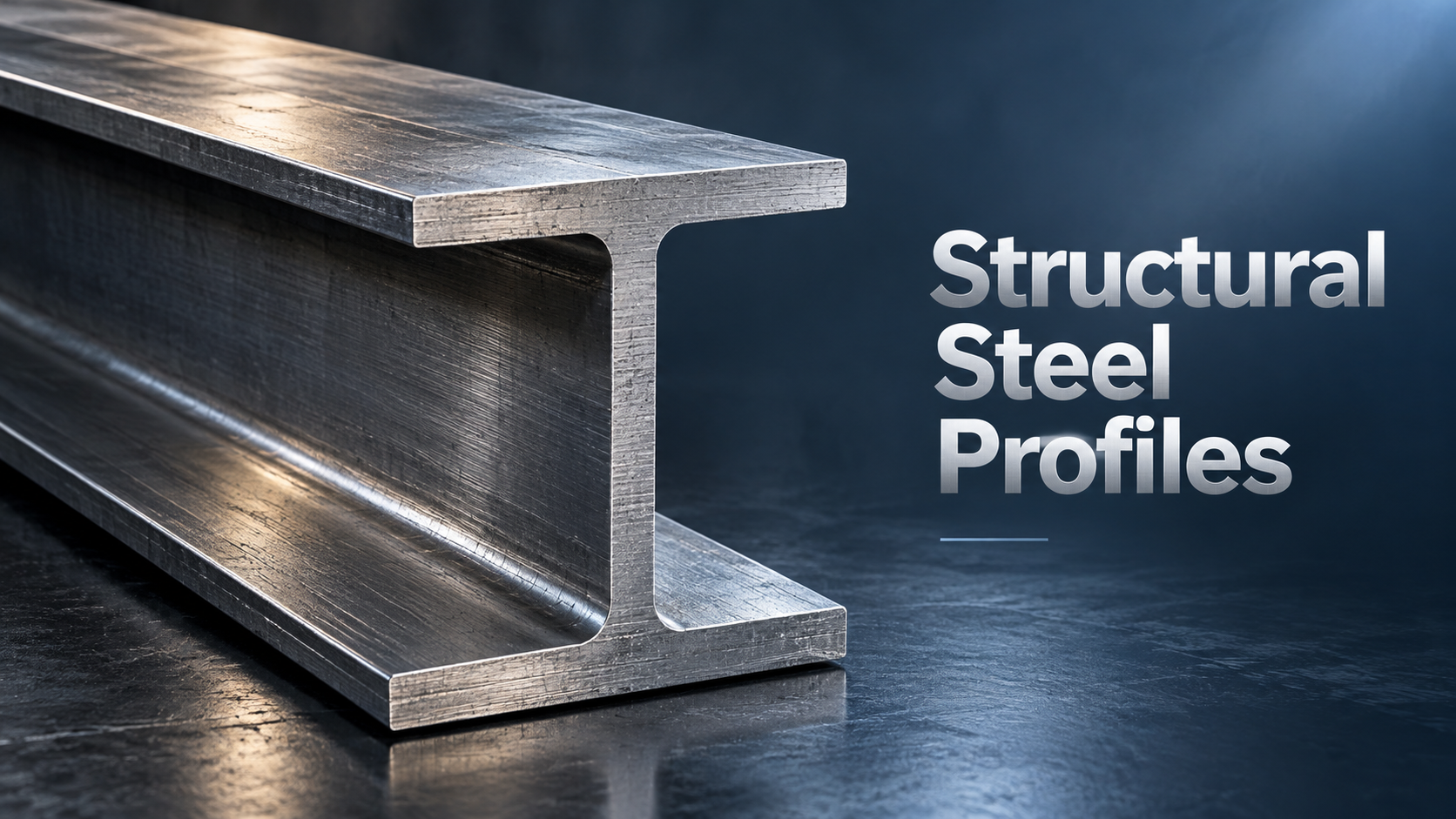
 What is an H-Beam and How Does it Differ from an I-Beam?Discover what an H-beam is and how it differs from an I-beam. Learn key structural differences and expert selection tips from Hongteng Fengda to optimize your steel construction projects today.
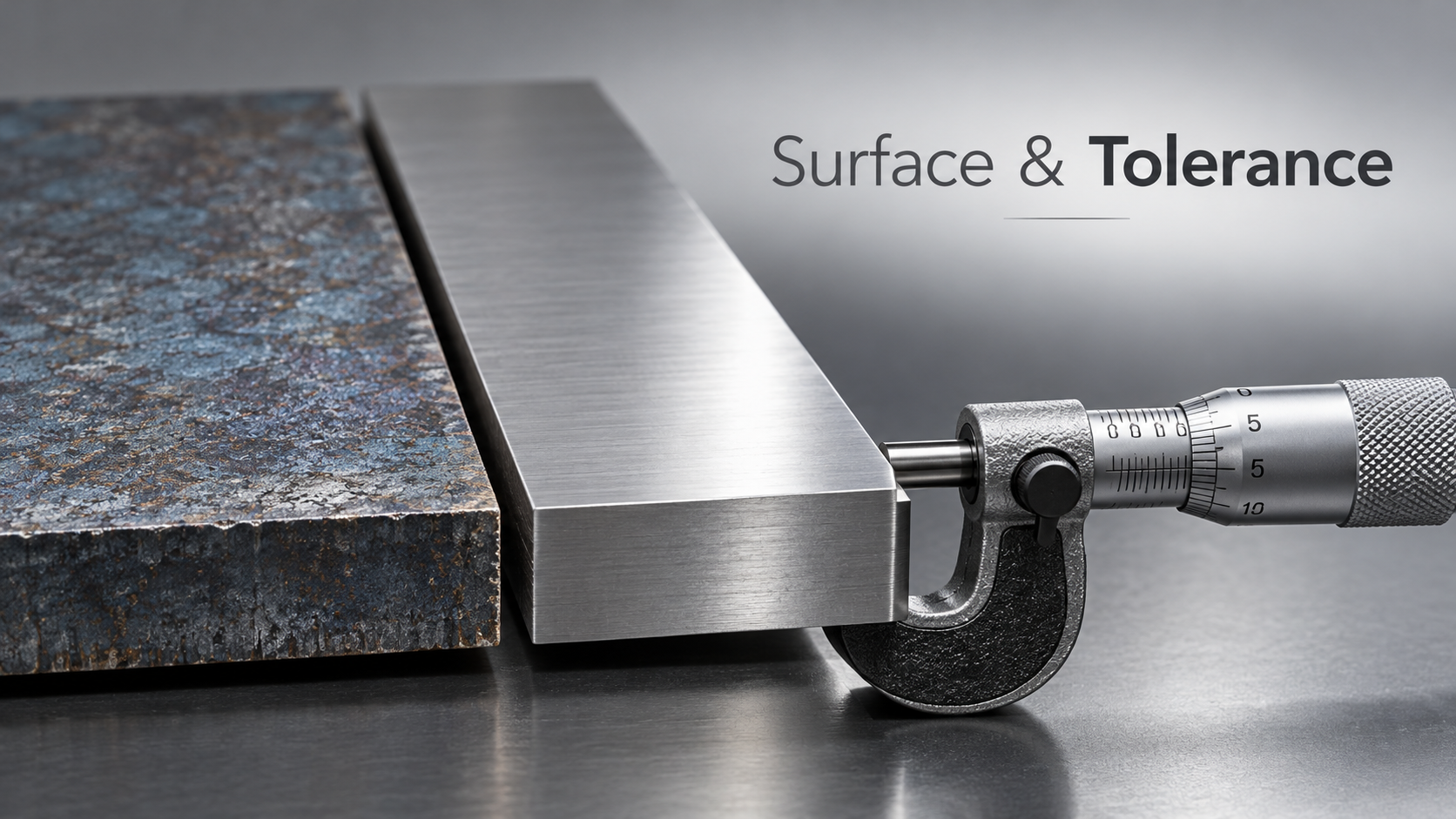
 Hot Rolled vs. Cold Rolled Steel Sheet: Surface and ToleranceHot rolled vs cold rolled steel sheet: Discover how surface finish and tolerances impact manufacturing. Optimize material selection, reduce costs, and ensure quality. Read our expert guide today!
 Best Cutting and Bending Practices for Galvanized Sheet MetalDiscover the best cutting and bending practices for galvanized sheet to prevent zinc flaking. Optimize tooling and thermal parameters to ensure perfect corrosion resistance. Read the full guide!
 What is Galvanized Sheet and How Does the Zinc Coating Work?Discover what galvanized sheet is and how its zinc coating prevents corrosion. Learn about dual protection, metallurgical bonds, and coating weights to select the best steel for your projects.
Please give us a message


Please enter what you want to find