Q235 steel is a widely adopted low-carbon structural steel in global construction and industrial applications—valued for its balanced strength, ductility, weldability, and cost-efficiency. Structural engineers frequently specify Q235 steel for low-risk load-bearing components where high tensile strength isn’t critical but reliability, ease of fabrication, and compliance with international standards (GB/T 700, ASTM A36 equivalents) are essential. As a trusted structural steel manufacturer and exporter from China, Hongteng Fengda supplies certified Q235 steel products—including angle, channel, beam, and cold-formed profiles—to projects across North America, Europe, and Southeast Asia.
What Defines Q235 Steel? Composition, Mechanical Properties & Standard Compliance
Q235 is a Chinese national standard (GB/T 700) carbon structural steel grade. The “Q” stands for *yield strength*, and “235” denotes a minimum yield strength of 235 MPa at room temperature. Its typical chemical composition includes ≤0.22% carbon, ≤0.35% silicon, ≤1.40% manganese, ≤0.045% phosphorus, and ≤0.045% sulfur—making it highly formable and consistently weldable without preheating under normal conditions.
Mechanically, Q235 delivers a tensile strength range of 375–500 MPa, elongation ≥26% (for 16 mm thickness), and impact toughness of ≥27 J at +20°C. These properties position it between higher-grade steels like Q345 (yield ≥345 MPa) and lower-cost alternatives such as Q195—offering optimal trade-offs for non-critical structural framing, scaffolding supports, bracing members, and auxiliary components in civil infrastructure.
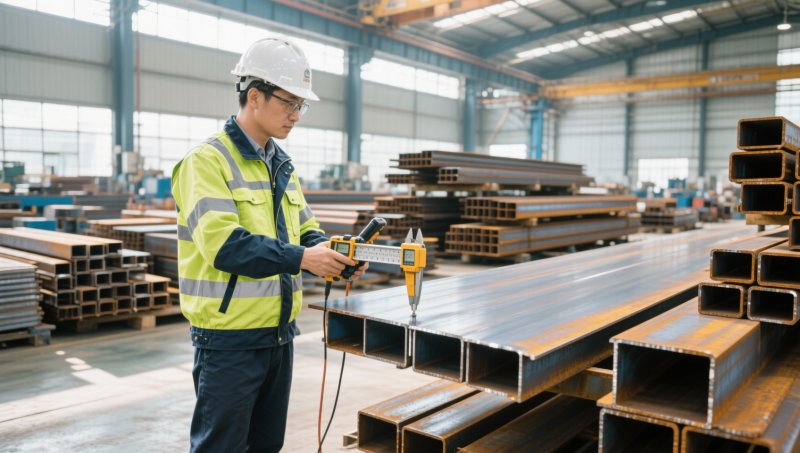
Hongteng Fengda ensures full traceability and third-party verification against GB/T 700, ASTM A36 (equivalent yield/tensile/elongation ranges), EN 10025-2 S235JR, and JIS G3101 SS400. Every heat batch undergoes tensile testing, bend testing, and metallurgical inspection—certified by BV, SGS, and ISO 9001 auditors.
This comparability enables seamless integration into multinational project specifications—especially where local procurement rules require dual-standard validation or mixed-material design coordination. For instance, over 72% of Hongteng Fengda’s Q235 exports to the EU and Middle East include dual EN+GB mill test reports.
Where & Why Engineers Specify Q235: Application Scope & Risk-Based Justification
Structural engineers select Q235 not as a default, but as a deliberate risk-calibrated choice. It is routinely specified for secondary structural elements—such as purlins, girts, roof truss chords, stair stringers, equipment platforms, and non-load-bearing façade framing—where service loads remain below 60% of ultimate capacity and fatigue cycles are limited (<5×10⁴ cycles).
In contrast, primary beams, columns, crane rails, or seismic braces typically require Q345 or higher grades. Q235’s advantage lies in its predictable behavior under bending and shear, minimal springback during cold forming (±0.8° angular deviation per 1m length), and compatibility with automated welding processes—reducing onsite rework rates by up to 35% compared to inconsistent imported batches.
For procurement teams evaluating total cost of ownership, Q235 offers a 12–18% material cost saving versus Q345 while maintaining identical dimensional tolerances (±0.5 mm on flange width, ±1.0 mm on web thickness per EN 10056-1). This directly impacts budgeting accuracy—especially for mid-rise commercial buildings with 200–500 tons of secondary steel tonnage.
- Typical delivery lead time: 7–15 working days for standard sections (angle, channel, beam) after order confirmation
- Minimum order quantity (MOQ): 5 metric tons per section size, with flexible bundling options
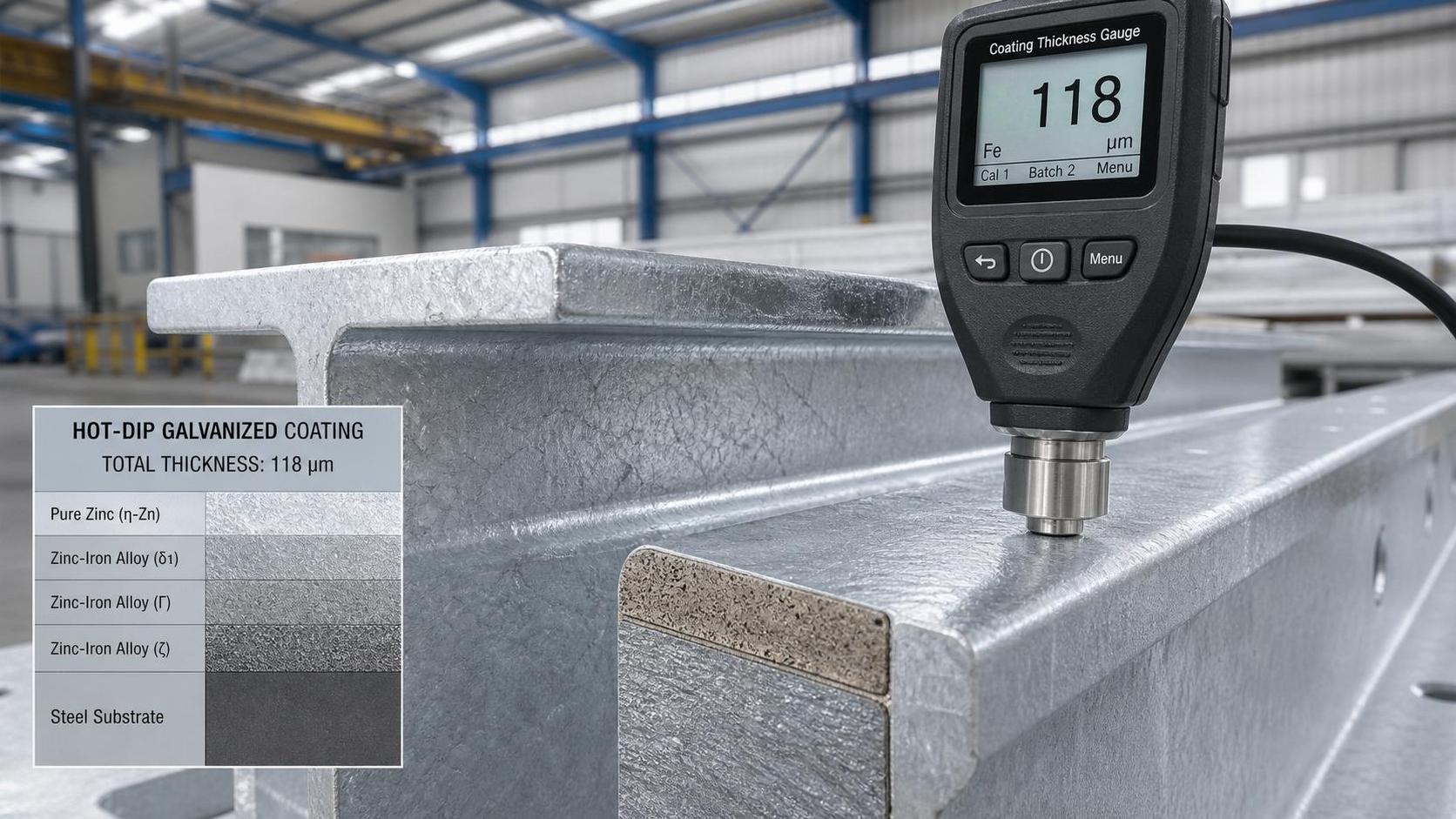
- Surface finish options: black, oiled, galvanized (Z275 coating), or custom color painting per RAL code
How Hongteng Fengda Ensures Consistency, Traceability & Global Readiness
As a vertically integrated structural steel manufacturer, Hongteng Fengda controls raw material sourcing (iron ore from Australia/Brazil, scrap from domestic recycling hubs), electric arc furnace (EAF) melting, continuous casting, and hot rolling—all within one ISO-certified facility. Each coil or billet carries a unique heat number linked to real-time process data: furnace temperature profiles (1580–1620°C), rolling reduction ratios (≥85%), and cooling rate logs (air-cooled vs. controlled slow-cool).
Every shipment includes a full Mill Test Report (MTR) with chemical analysis, mechanical test results, and microstructure evaluation (ferrite + pearlite ratio ≥92%). For North American clients, we provide ASTM E29 compliance documentation with rounding rules applied to reported values (e.g., yield strength shown as 235 MPa—not 234.7 MPa).
We also support just-in-sequence (JIS) delivery for large-scale industrial projects—staging shipments by erection sequence, tagging bundles with QR-coded work instructions, and integrating with BIM models for clash-free installation planning. This reduces on-site sorting labor by ~22% and accelerates steel erection timelines by 3–5 days per 10,000 m² floor area.
Our quality system has achieved zero major non-conformities in 12 consecutive external audits (BV, SGS, TÜV)—a track record verified through client-supplied audit summaries from 2022–2024.
Complementary Solutions: Integrating Q235 With Other Critical Structural Components
While Q235 serves well for secondary framing, structural integrity demands coordinated material selection across the full assembly. That’s why Hongteng Fengda offers integrated supply packages—including Wire rod in HRB400 and HRB500 grades for reinforced concrete elements. These rods—available in diameters from 6 mm to 40 mm and lengths of 6 m, 9 m, or 12 m—are certified to BS4449, ASTM A615, and GB1499.2, supporting seamless reinforcement detailing for foundations, columns, and slabs adjacent to Q235-framed superstructures.
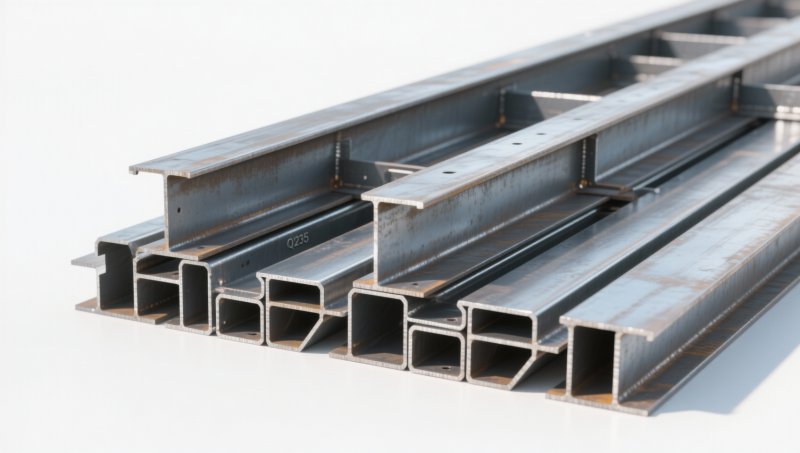
We also provide cold-formed C/Z purlins with pre-punched holes (spacing tolerance ±0.3 mm), precision-cut angle braces with beveled ends for full-penetration welding, and OEM-designed connection plates fabricated to client-specified bolt patterns and surface treatments (hot-dip galvanizing per ISO 1461 or epoxy coating per ISO 12944 C3).
For procurement managers balancing cost, lead time, and risk mitigation, our bundled quoting model reduces vendor coordination overhead by consolidating up to 5 steel product categories under one PO, one QC protocol, and one logistics schedule—with documented average cost savings of 8.7% versus fragmented sourcing.
Making the Right Choice: Key Procurement & Technical Evaluation Criteria
When specifying Q235—or any structural steel—technical evaluators and procurement professionals should jointly verify six criteria before finalizing orders:
- Mill certification validity: Confirm MTRs reference actual heat numbers—not generic templates—and include full chemical/mechanical test records.
- Dimensional consistency: Request sample measurements across 3 random pieces per bundle; reject if >2 exceed tolerance limits.
- Weldability assurance: Verify CE (Carbon Equivalent) value ≤0.40%—critical for field welding without preheat.
- Traceability depth: Ensure heat numbers map to furnace logs, rolling schedules, and lab reports—not just shipping documents.
- Logistics readiness: Confirm packing meets destination port requirements (e.g., ISPM15-compliant wooden pallets for USA/EU).
- Post-delivery support: Clarify whether technical assistance (e.g., welding procedure qualification, BIM modeling) is included or available at fixed fee.
Hongteng Fengda provides all six as standard—without surcharge. Our engineering team responds to technical queries within 4 business hours, and our logistics coordinators share real-time container tracking and customs clearance status updates via encrypted portal access.
Q235 steel remains a cornerstone of pragmatic, cost-conscious structural design—particularly where safety margins, constructability, and lifecycle predictability outweigh marginal strength gains. At Hongteng Fengda, we treat every Q235 specification not as a commodity transaction, but as a commitment to dimensional fidelity, metallurgical transparency, and cross-border project execution excellence. Whether you’re sizing purlins for a warehouse in Texas, sourcing channels for a metro station in Jakarta, or validating cold-formed profiles for a solar farm in Spain—we deliver certified, consistent, and fully traceable steel—on time, every time.
Ready to align your next structural steel procurement with proven performance and global compliance? Contact Hongteng Fengda today for a customized material specification review, sample pack, or multi-product quotation with consolidated logistics planning.
Related recommendations
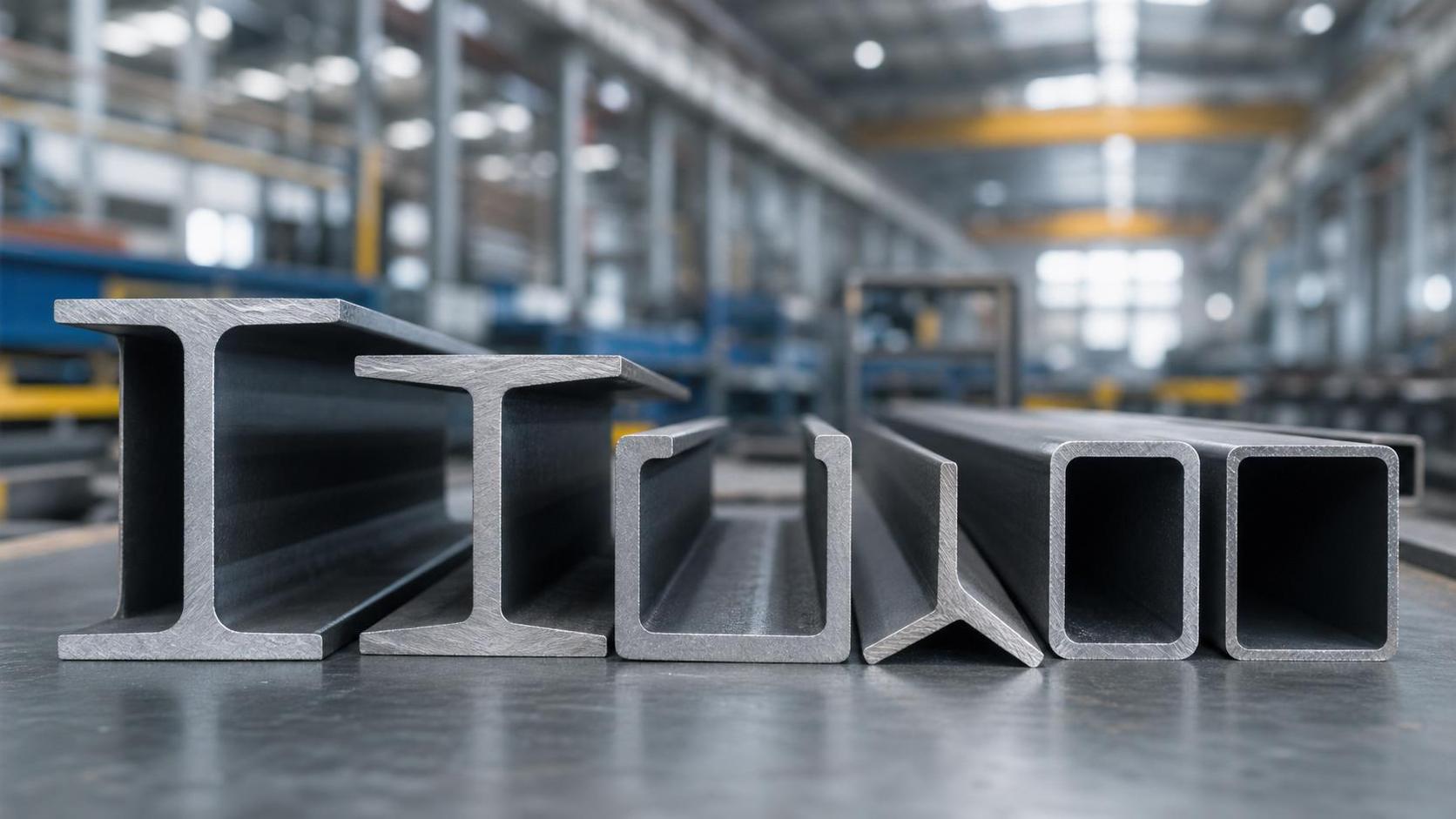
 What Is a Steel Profile? Common Shapes, Uses, and Selection BasicsProfile selection starts with shape, but performance depends on load, fabrication, and standards. Learn common steel profile types, uses, and smart selection basics.
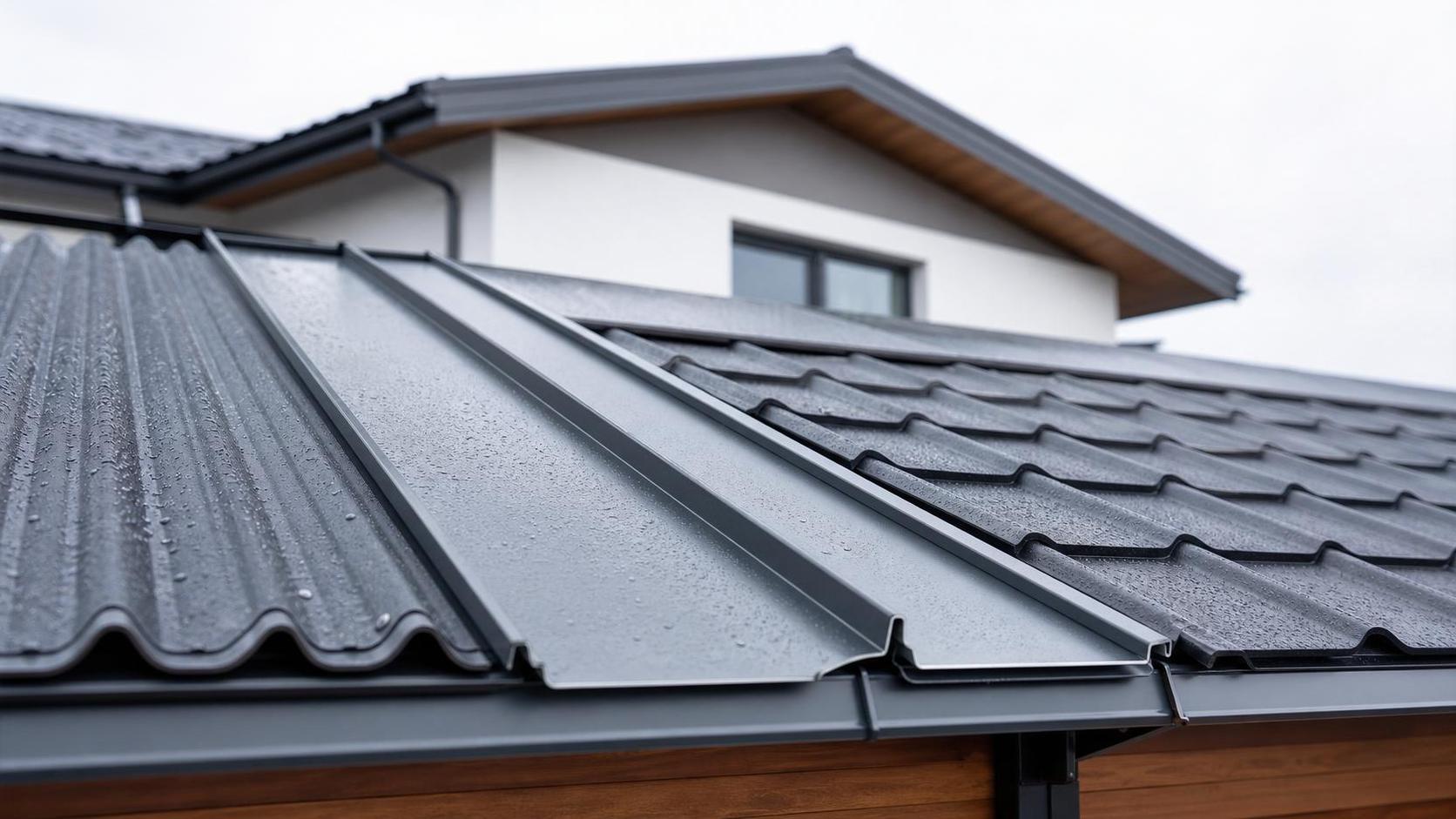
 Steel Roofing Types Explained: Corrugated, Standing Seam, and Metal ShinglesSteel Roofing guide comparing corrugated panels, standing seam, and metal shingles. Discover costs, durability, weather performance, and how to choose the best roof for your home.
 How Hot-Dip Galvanized Coating Thickness Affects Service LifeHot-dip galvanized coating thickness directly affects steel service life. Learn how the right zinc layer improves corrosion protection, controls cost, and supports smarter project decisions.
 Pipe Stainless Grades Explained: 304 vs 316 for Corrosion ResistancePipe stainless grades explained: compare 304 vs 316 for corrosion resistance, cost, and service life. Learn which stainless pipe grade fits marine, chemical, and water system applications.
Please give us a message


Please enter what you want to find