Carbon sheet steel is a foundational material in automotive stamping—offering the ideal balance of formability, strength, and cost-efficiency. But not all carbon sheet steel performs equally: ASTM A1008 grade defines critical mechanical properties, surface quality, and consistency required for high-precision stamping operations. For procurement teams, engineers, and OEM suppliers, selecting the right A1008 subgrade (CS Type A/B, DS, or EDDQ) directly impacts part yield, tool life, and crashworthiness. As a certified structural steel manufacturer and exporter from China, Hongteng Fengda supplies ASTM A1008-compliant carbon sheet steel with full traceability, mill test reports, and global logistics support—ensuring reliability from coil to stamping press.
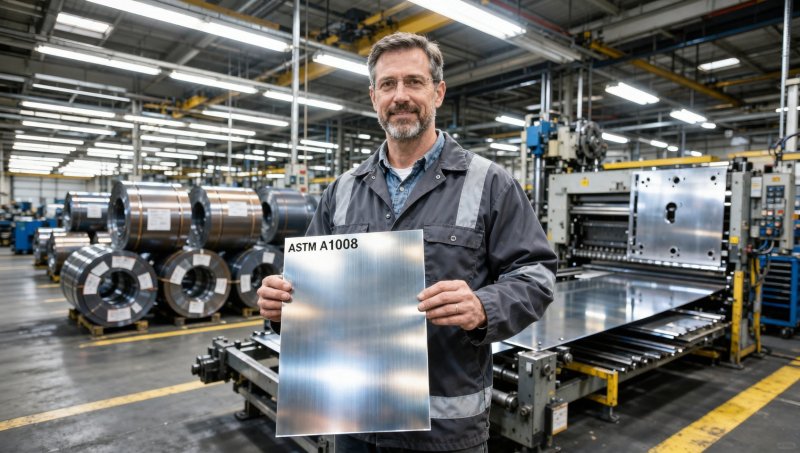
What Exactly Is Carbon Sheet Steel—and How Does ASTM A1008 Define Its Real-World Performance?
Carbon sheet steel refers to low-carbon, hot-rolled or cold-rolled flat-rolled steel products typically containing 0.05–0.25% carbon by weight. Its defining traits—moderate tensile strength (270–410 MPa), high elongation (25–45%), and excellent deep-drawing capability—make it indispensable for automotive body panels, brackets, and structural reinforcements.
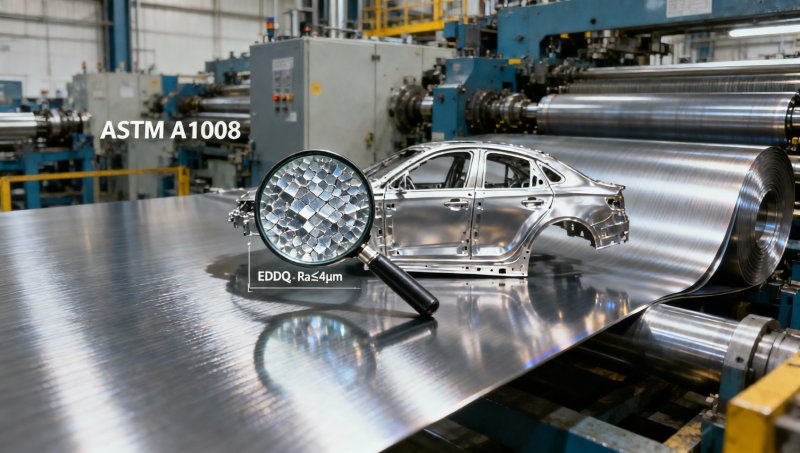
ASTM A1008 is not a single specification but a comprehensive standard covering multiple subgrades, each engineered for distinct functional priorities. CS Type A emphasizes basic formability for non-critical parts; DS adds controlled drawability for complex geometries; EDDQ (Extra Deep Drawing Quality) delivers ultra-uniform grain structure and surface finish—critical for Class-A exterior panels. Misalignment between part function and subgrade selection leads to cracking, springback, or inconsistent flange formation—costing manufacturers up to 12% in scrap and rework annually.
Unlike generic “low-carbon steel” labels, ASTM A1008 mandates strict process controls: chemical composition tolerances (e.g., max 0.10% C for EDDQ), tensile testing per ASTM A370, and surface inspection under ISO 9022-1. This ensures batch-to-batch repeatability—a non-negotiable requirement for Tier 1 suppliers operating on just-in-time schedules with ±2-hour delivery windows.
How Do Automotive Stamping Requirements Translate Into Material Selection Criteria?
Stamping success hinges on three interdependent variables: material flow behavior, surface integrity, and dimensional stability. A1008’s subgrades are calibrated precisely against these:
- CS Type B: Minimum yield strength 180 MPa, elongation ≥30%—ideal for interior brackets and mounting plates where moderate bending is required.
- DS (Drawing Steel): Yield/tensile ratio ≤0.65, r-value ≥1.3—optimized for shallow-draw hoods and door inner panels.
- EDDQ: r-value ≥1.8, thickness tolerance ±0.02 mm, surface roughness Ra ≤0.4 µm—mandatory for visible outer panels and safety-critical components like B-pillar reinforcements.
Failure to specify the correct subgrade often triggers downstream bottlenecks: excessive die maintenance (every 8,000–12,000 strokes for EDDQ vs. 3,000–5,000 for CS Type A), unplanned line stoppages due to surface scratches, or post-stamp dimensional drift exceeding ±0.3 mm—rendering parts non-conforming to GD&T specifications.
ASTM A1008 Compliance vs. Structural Steel Applications: Where Do Standards Overlap?
While ASTM A1008 governs thin-gauge sheet steel for forming, structural applications demand complementary standards—yet shared compliance principles apply. For example, C Channel Beam used in automotive manufacturing jigs or light-industrial equipment frames must meet ASTM A36 (yield strength ≥250 MPa) or EN S235JR, with dimensional tolerances aligned to ISO 10272 (±1% on thickness). Both categories rely on mill test reports (MTRs) verifying chemistry, mechanicals, and heat treatment history.
This alignment enables seamless integration—e.g., using A1008-grade blanks for stamped chassis brackets while framing the assembly station with galvanized C Channel Beam (Q235, 8 mm thick, 12 m length, CE/ISO certified). Dual-standard compliance reduces QA handoffs and accelerates project commissioning by 3–5 weeks.
Why Partner With a Certified Structural Steel Manufacturer Like Hongteng Fengda?
Sourcing ASTM A1008 carbon sheet steel—or structural components like C Channel Beam—requires more than catalog browsing. It demands proven capacity to deliver consistent chemistry, documented process control, and responsive logistics. Hongteng Fengda meets this need through:
- End-to-end traceability: Each coil and beam batch carries a unique heat number linked to full MTRs—including spectrographic analysis, tensile curves, and bend test results.
- Multi-standard flexibility: Production lines certified to ASTM, EN, JIS, and GB allow dual-certification (e.g., A1008 + EN 10131) without lead-time penalties—typical delivery: 15–20 days after order confirmation.
- OEM-aligned service protocols: Dedicated engineering support for coil slitting to exact width/tolerance specs (±0.1 mm), decoiling with tension control (<5% variation), and packaging compliant with ISO 8502-3 for corrosion prevention during ocean freight.
- Risk-mitigated trade terms: Flexible payment (30% TT deposit, 70% before shipment or LC at sight) and FOB/CFR/CIF options reduce working capital pressure for buyers across North America, Europe, and Southeast Asia.
Whether you’re validating A1008 subgrade suitability for a new EV battery enclosure design—or specifying galvanized C Channel Beams (Q235, 6–12 m lengths, CE/SGS certified) for modular production line tooling—Hongteng Fengda provides technical consultation, sample coils, and rapid quotation turnaround (within 24 business hours).
Ready to Align Your Material Specifications With Real-World Stamping & Structural Needs?
Contact our engineering sales team today to discuss your ASTM A1008 requirements—including target subgrade, coil dimensions, surface finish, and certification scope—or request technical data sheets for C Channel Beam in Q195–Q345, A36, SS400, or S235JR grades. We’ll provide mill test reports, dimensional validation samples, and a logistics plan tailored to your port of discharge and project timeline.
Related recommendations
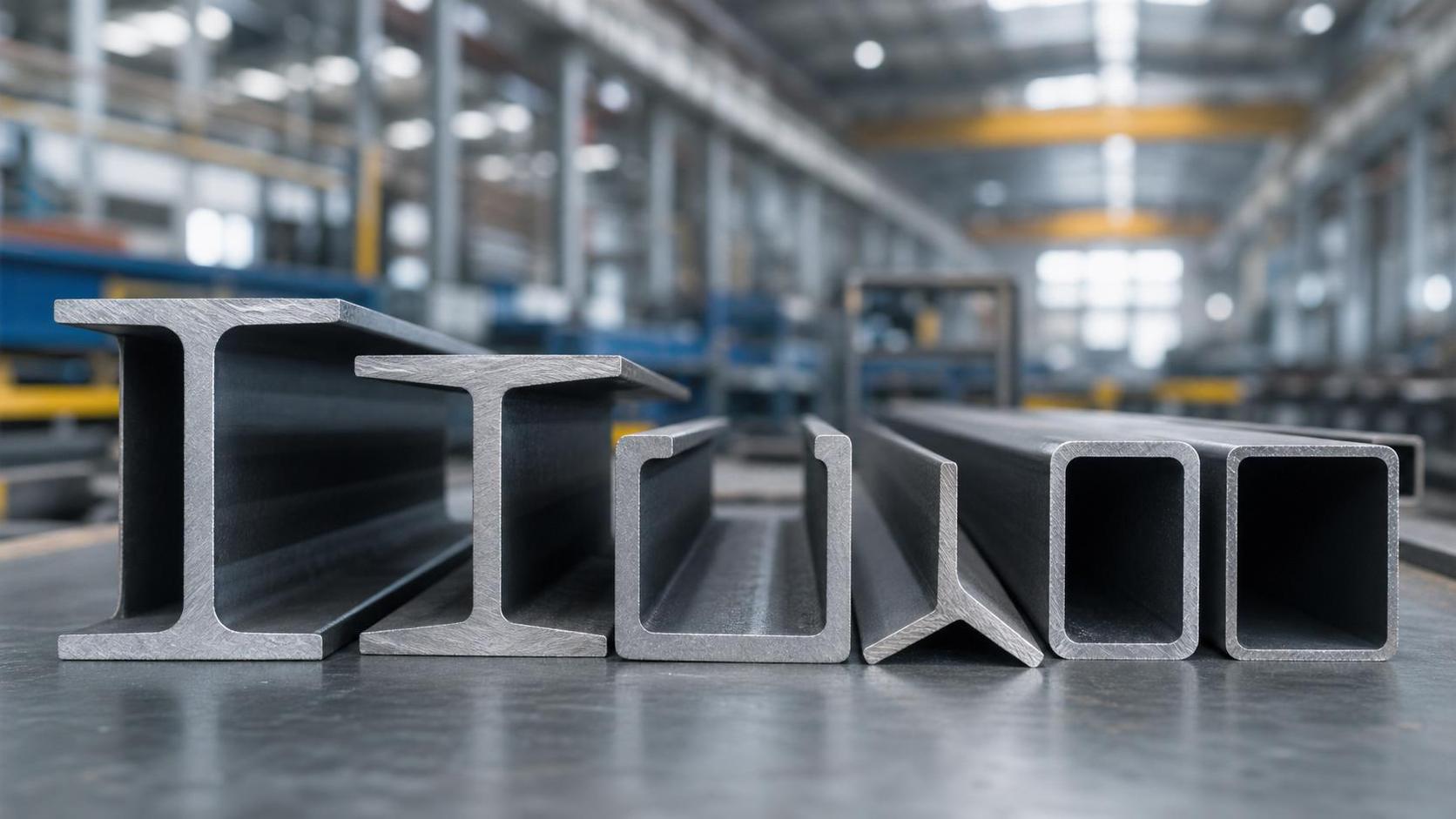
 What Is a Steel Profile? Common Shapes, Uses, and Selection BasicsProfile selection starts with shape, but performance depends on load, fabrication, and standards. Learn common steel profile types, uses, and smart selection basics.
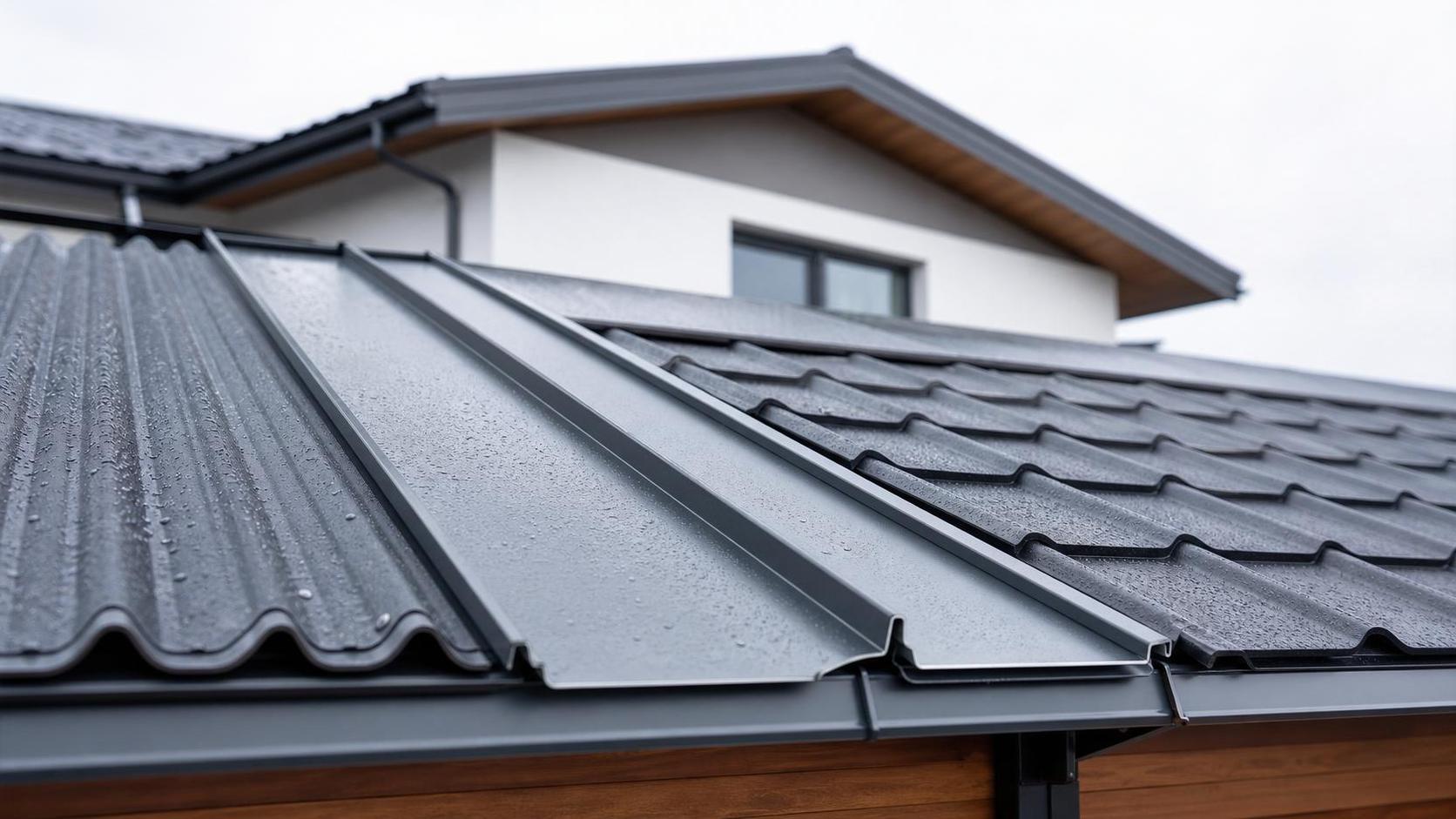
 Steel Roofing Types Explained: Corrugated, Standing Seam, and Metal ShinglesSteel Roofing guide comparing corrugated panels, standing seam, and metal shingles. Discover costs, durability, weather performance, and how to choose the best roof for your home.
 How Hot-Dip Galvanized Coating Thickness Affects Service LifeHot-dip galvanized coating thickness directly affects steel service life. Learn how the right zinc layer improves corrosion protection, controls cost, and supports smarter project decisions.
 Pipe Stainless Grades Explained: 304 vs 316 for Corrosion ResistancePipe stainless grades explained: compare 304 vs 316 for corrosion resistance, cost, and service life. Learn which stainless pipe grade fits marine, chemical, and water system applications.

Please give us a message


Please enter what you want to find