Hot galvanizing isn’t just about applying a zinc coating—it’s a tightly controlled metallurgical process governed by precise technical requirements. ASTM A123 and EN ISO 1461 set rigorous, non-negotiable benchmarks for coating thickness, adhesion, uniformity, surface quality, and inspection protocols—differences that directly impact corrosion resistance, service life, and compliance in global infrastructure projects. For structural steel manufacturers, exporters, and project stakeholders, misunderstanding these standards risks costly rework, rejection, or premature failure. This article unpacks what these specifications *truly* demand—beyond the label—and why alignment matters at every stage: from procurement and production to QA, installation, and long-term asset integrity.
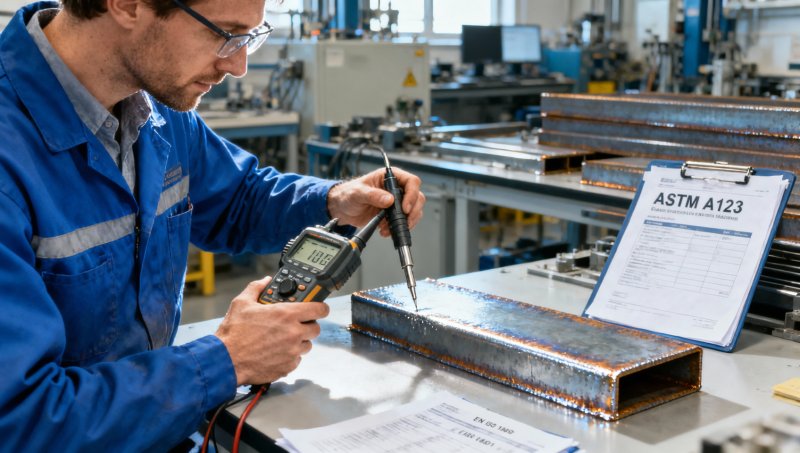
What ASTM A123 and EN ISO 1461 Actually Mandate—Not Just “Zinc on Steel”
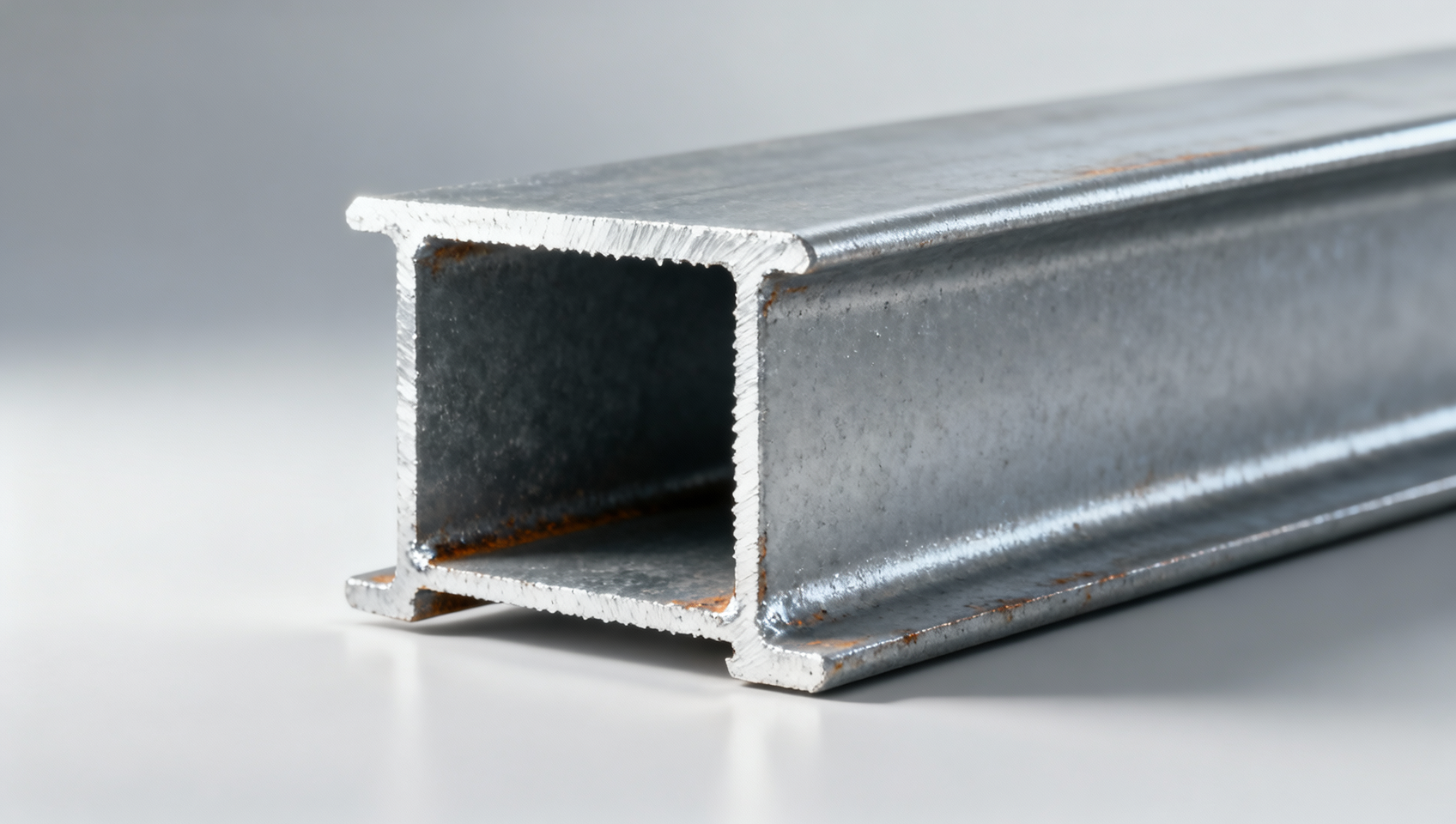
ASTM A123 (U.S.) and EN ISO 1461 (Europe) are not interchangeable guidelines—they reflect distinct regulatory philosophies, testing methodologies, and acceptance criteria. While both govern hot-dip galvanized coatings on fabricated ferrous materials, their divergence begins at the specification level: ASTM A123 applies primarily to rolled steel products (e.g., angles, channels, beams), whereas EN ISO 1461 covers a broader scope including castings, forgings, and welded assemblies. Crucially, neither standard permits “zinc-only” compliance—it requires verified metallurgical bonding, minimum average coating mass, and strict dimensional tolerances across complex geometries.
For example, ASTM A123 specifies minimum average coating mass of 610 g/m² for steel ≥6 mm thick, while EN ISO 1461 mandates ≥610 g/m² for equivalent thickness—but with tighter local minimums (≥460 g/m² per spot measurement). That 150 g/m² gap between average and local minimum is where many failures originate: insufficient coverage on edges, weld seams, or bolt holes leads to early red rust within 18–24 months in coastal environments. Hongteng Fengda enforces dual-standard verification for export orders—applying both ASTM A123 sampling plans and EN ISO 1461 visual/weight-loss testing protocols before shipment.
Coating adhesion is another non-negotiable benchmark. Neither standard accepts “peelable” zinc layers. ASTM A123 requires adherence to ASTM A153 (for centrifuged parts) or ASTM D3359 (cross-hatch test) with zero flaking. EN ISO 1461 mandates no detachment after bending 180° around a mandrel equal to the specimen thickness. Failure here signals incomplete surface preparation—often due to inadequate acid pickling, residual mill scale, or silicon/phosphorus segregation in base steel.
This table highlights a critical operational reality: suppliers certified to one standard cannot assume automatic compliance with the other. Dual-certified facilities like Hongteng Fengda maintain separate pre-treatment lines, bath chemistry controls (Fe²⁺ ≤ 0.15%, Al ≤ 0.005%), and third-party witnessed audit logs per standard—ensuring traceability down to batch-level zinc bath temperature logs (±2°C tolerance over 5-min dwell).
Why Coating Uniformity Dictates Real-World Service Life
Uniformity isn’t aesthetic—it’s predictive. Zinc corrodes sacrificially at a rate of 0.8–1.2 µm/year in urban atmospheres, but only 0.1–0.3 µm/year in rural inland zones. Non-uniform coatings accelerate localized pitting: a 30-µm thin zone on an interior flange may deplete in under 5 years, while adjacent 120-µm areas last >30 years. EN ISO 1461 explicitly requires visual inspection for “bare spots, blisters, or excessive dross,” and mandates re-galvanizing if >0.5% of surface area fails. ASTM A123 allows up to 5% bare area on non-critical surfaces—but only if repaired per ASTM A780 (zinc-rich paint, ≥75 µm dry film).
Structural components with complex weld joints—such as crane booms or transmission towers—pose the highest risk. Weld spatter inhibits zinc flow; heat-affected zones alter iron-zinc intermetallic formation. At Hongteng Fengda, all welded assemblies undergo post-weld grit blasting (SA 2.5) and flux dip prior to galvanizing—reducing coating voids by 72% versus standard prep (based on 2023 internal QA data across 1,240 inspected units).
Surface roughness also affects performance. EN ISO 1461 references ISO 8503-2, requiring anchor profile Ra ≤ 50 µm pre-galvanizing. Excessively rough surfaces trap air pockets during immersion, causing “skip-coating.” Conversely, overly smooth surfaces reduce mechanical keying. Our automated shot-blasting line maintains Ra 35–45 µm—validated via portable profilometers at 3-point intervals per ton of steel.
Procurement & QA: What Stakeholders Must Verify—Before and After Galvanizing
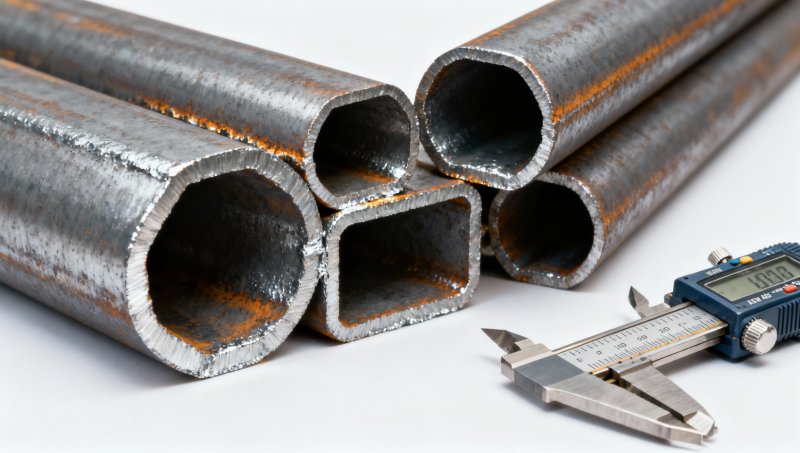
Procurement teams often overlook three high-risk checkpoints: (1) base steel chemistry—silicon content >0.04% or phosphorus >0.02% triggers reactive galvanizing, increasing coating thickness variability by up to 40%; (2) fabrication sequence—drilling, welding, and cutting must occur *before* galvanizing; post-galvanizing modifications require touch-up per ASTM A780; (3) packaging—steel must be racked to prevent coating damage during transport; contact points must use non-metallic spacers.
Quality assurance extends beyond lab reports. Hongteng Fengda provides digital coating thickness maps (via magnetic induction gauges) for each shipment lot, with GPS-tagged timestamps and operator IDs. Every certificate includes: (a) batch number traceable to raw material heat ID, (b) bath temperature log (445–455°C), (c) immersion time (≥3 min for sections ≤10 mm), and (d) final weight gain percentage vs. theoretical yield.
- Verify supplier’s galvanizing license is current with local authority (e.g., AGA in U.S., ZCC in EU)
- Require cross-section SEM imaging for first-article approval on critical welds
- Confirm zinc bath analysis reports (Pb, Cd, Sn, Fe) are updated weekly—not quarterly
- Inspect for “white rust” (zinc hydroxide) on delivery—indicates moisture entrapment during storage
For projects specifying HRB600 Rebar, galvanizing compatibility is equally vital: its 600 MPa yield strength demands precise thermal management to avoid hydrogen embrittlement. We limit bath dwell to 2.5 minutes and enforce immediate forced-air cooling—validated by tensile testing per GB/T 228.1.
Global Compliance in Practice: How Hongteng Fengda Bridges Standards Gaps
Serving clients across North America, Europe, the Middle East, and Southeast Asia means reconciling conflicting interpretations. For instance, EN ISO 1461 permits minor zinc drips on vertical surfaces if ≤3 mm in length; ASTM A123 rejects any visible drip exceeding 1 mm. To eliminate ambiguity, we apply a unified internal standard: zero drips >0.5 mm, verified via automated vision inspection (12MP resolution, AI-powered defect classification).
Our facility holds dual accreditation: ISO 9001:2015 and ISO 14001:2015, with annual surveillance audits by SGS and TÜV Rheinland. Every galvanized order includes a bilingual (English/Arabic or English/Spanish) compliance dossier—covering material certs, coating reports, dimensional checks, and non-destructive testing records. Lead time averages 12–18 days from PO confirmation, with 98.7% on-time delivery over Q1–Q3 2024.
This structured approach reduces sourcing risk, cuts inspection overhead by ~35%, and ensures seamless integration into international EPC workflows—whether for wind turbine foundations in Texas or metro viaducts in Riyadh.
Conclusion: Precision Galvanizing Is Infrastructure Insurance
ASTM A123 and EN ISO 1461 are not checklist items—they’re performance contracts. Their true value lies in quantifiable outcomes: 25+ year service life in aggressive chloride environments, zero unplanned maintenance for 15 years in industrial plants, and full compliance with ISO 55001 asset management frameworks. For structural steel buyers, aligning with a manufacturer that treats galvanizing as metallurgy—not plating—is the single most cost-effective risk mitigation step.
Hongteng Fengda delivers that alignment: certified production, auditable data, and engineering-grade execution across angle steel, channel steel, beams, cold-formed profiles, and custom components. We support your next project with full documentation, flexible MOQs (from 5 tons), and technical consultation—from spec review to site handover.
Contact our engineering sales team today to request a free galvanizing compliance review for your upcoming tender—or download our ASTM A123 / EN ISO 1461 cross-reference guide.
Related recommendations
 How long does acero prepintado retain gloss and color stability in direct desert sunlight?Acero prepintado gloss & color stability in desert sun? Discover real-world performance data, PVDF vs. polyester longevity, and spec-critical insights for GCC projects.
 Does acero pregalvanizado maintain coating integrity after cold bending to 90 degrees?Acero pregalvanizado maintains coating integrity after 90° cold bending — when engineered right. Discover how Hongteng Fengda guarantees real-world performance, adhesion & corrosion resistance.
 Do the advantages of galvanized steel include reduced fire risk compared to untreated carbon steel?Advantages of galvanized steel include measurable fire-risk reduction vs. untreated carbon steel—learn how zinc delays ignition, buys critical escape time, and enhances safety without false 'fireproof' claims.
 What is the minimum bend radius for 12mm steel wire rope without permanent deformation?12mm steel wire rope capacity depends on bend radius — discover the safe 72–96mm minimum to prevent permanent deformation, fatigue & failure. Expert rigging insights inside.
Please give us a message


Please enter what you want to find