When comparing U Channel Steel and Galvanized Channel Steel, understanding their structural performance is key to selecting the right material for your project. As a leading Structural Steel Manufacturer & Exporter from China, Hongteng Fengda provides a wide range of reliable steel solutions, including C-shaped steel profiles, U channel steel, carbon steel coils, and galvanized steel pipe products. This article explores the differences in strength, durability, and corrosion resistance to help project managers, procurement teams, and engineers make informed decisions for modern construction and industrial applications.
Definition and Material Overview
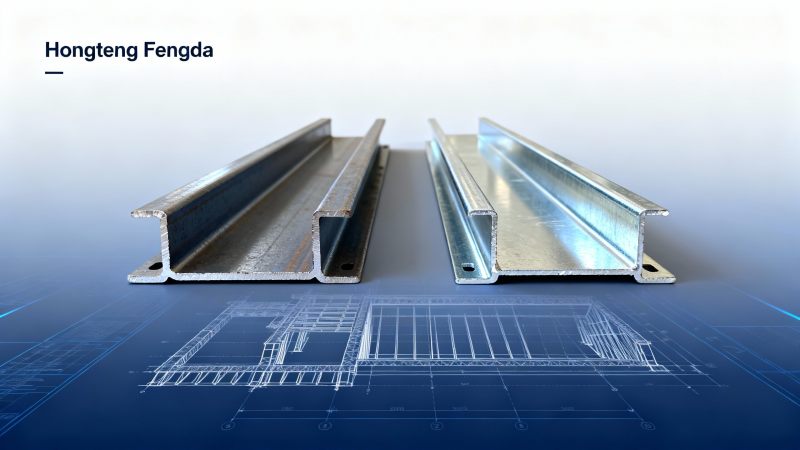
U Channel Steel, sometimes referred to as C-shaped steel profile, is a non-galvanized steel section shaped like the letter “U”. It is commonly used in structural framing, machinery manufacturing, and construction frameworks where rigidity and dimensional stability are critical. Its open-edge design allows flexibility in assembly while maintaining high mechanical strength. By contrast, Galvanized Channel Steel refers to a similar structural section, but coated with a layer of zinc through hot-dip or electro-galvanizing processes. This zinc coating enhances corrosion resistance and extends the service life in humid or chemically active environments. Both materials belong to the core family of channel steel products and are widely standardized under ASTM, JIS, EN, and GB regulations. The essential difference lies in their surface treatment and durability. U Channel Steel offers structural efficiency for indoor or controlled environments; Galvanized Channel Steel targets outdoor or corrosive conditions where maintenance costs must remain low. In modern engineering practice, the choice of material directly affects load-bearing efficiency, maintenance intervals, and lifecycle economic outcomes.
Market Overview and Industry Trends
The global steel industry continues to evolve under the pressures of infrastructure modernization, sustainable material demand, and advanced manufacturing technologies. In major markets such as North America, Europe, the Middle East, and Southeast Asia, the demand for U Channel Steel and Galvanized Channel Steel remains driven by construction growth and industrial upgrades. Urban renovation, transportation projects, and energy facilities require reliable channel steel components that meet strict safety and compliance standards. Manufacturers like Hongteng Fengda have responded by expanding production capacity, adopting precision forming and cold forming technologies, and offering tailor-made OEM channel steel components. The increasing popularity of green building certification systems (such as LEED) also influences material selection, encouraging corrosion-resistant and long-service-life solutions. Galvanized Channel Steel aligns with this sustainability trend because it reduces frequent replacements and lowers maintenance waste. In addition, technological integration, such as automated welding lines and AI-based surface inspection, enhances production consistency, ensuring that both U Channel Steel and galvanization quality exceed client expectations. The shift towards integrated procurement—combining steel angle bar, carbon steel coil, and stainless steel tubing under one supply contract—also creates opportunities for comprehensive solution providers.
Technical Performance Comparison
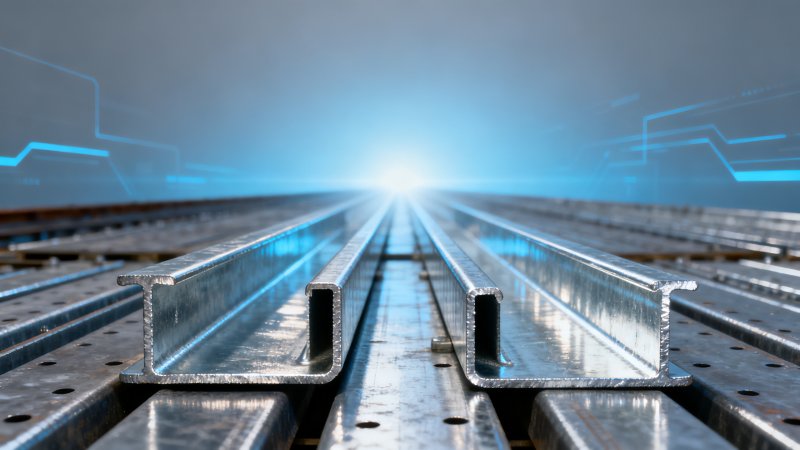
When evaluating structural performance, engineers consider yield strength, tensile strength, deflection control, and corrosion resistance. U Channel Steel typically uses hot-rolled carbon steel with tensile strength between 370–550 MPa, offering high stability and easy weldability. Its cross-section geometry efficiently resists lateral-torsional buckling when installed vertically as a beam support or horizontally in service frameworks. Galvanized Channel Steel maintains similar mechanical properties but gains an additional zinc coating layer—usually 60–120 g/m² per side—that forms a protective barrier against moisture and acids. The galvanization process mildly increases surface hardness, improving impact resistance and fatigue life. In coastal or chemical industrial zones, this can make the difference between a 5-year and a 15-year replacement cycle. The zinc layer’s sacrificial protection mechanism means even if minor scratches occur, underlying steel remains safe from red rust formation. Structural designers therefore tend to favor Galvanized Channel Steel in marine platforms, bridges, and exposed roofing frames. Yet in interior frameworks, non-galvanized U Channel Steel remains cost-effective and adequate for precision-assembled systems. These performance traits are verifiable through standardized tests prescribed in ASTM A36, ASTM A572, or EN 10025 specifications, ensuring globally comparable data for procurement analysis.
Application Scenarios
U Channel Steel plays a key role in machinery housings, vehicle frames, warehouse racking, and modular construction systems. It is favored in factories where dry environments minimize corrosion risk and welding efficiency matters. Its compatibility with other products such as steel angle bar, stainless steel pipe, and stainless steel tubing creates modular flexibility for integrators and contractors. Galvanized Channel Steel, on the other hand, dominates in exterior frameworks—guard rails, balcony supports, solar mounting structures, and shipyard installations. Galvanization ensures that the structural items maintain integrity under rain, humidity, or salinity exposure, making it a default choice for outdoor and infrastructural applications. Modern projects may even hybridize both materials: U Channel Steel for internal load paths and Galvanized Channel Steel for perimeter reinforcement. For example, in a large logistics warehouse design, engineers employ U Channel Steel inside the truss system while using galvanization for exposed elements such as canopy beams. This mixed strategy optimizes total cost without compromising structural safety. Hongteng Fengda’s ability to manufacture both profiles enables global buyers to consolidate orders across multiple product lines, simplifying logistics and enhancing quality consistency from one single supplier.
Procurement Guide and Selection Considerations
Procurement teams and decision-makers should base selection on environmental conditions, coating preferences, and lifecycle cost. A standard procurement checklist includes:
- Project environment: indoor (dry) vs outdoor (humid, marine, chemical)
- Required load capacity and deflection performance
- Maintenance schedule and total cost of ownership
- Compliance with ASTM, EN, JIS, or GB standards
- Availability of OEM customization or surface treatments
Cost and Alternatives
Cost comparison between U Channel Steel and Galvanized Channel Steel mainly involves material price, galvanization cost, and expected service duration. Although Galvanized Channel Steel carries a premium due to zinc coating and processing, it may reduce lifetime expenses by minimizing repainting or corrosion-related repairs. In heavy-duty projects with long operational timelines—such as power plants or oil terminals—the up-front investment is recovered through lower maintenance labor. For budget-sensitive projects in stable climates, U Channel Steel remains an efficient option. Its non-galvanized surface allows fast fabrication and easier welding, leading to reduced lead times. Hongteng Fengda’s advanced production technology, including high-speed cold forming lines, keeps these products cost-competitive while maintaining consistent dimensional accuracy. Customers comparing cost alternatives should evaluate the ratio of cost per ton to operational life expectancy. Integrators may even blend both options under unified procurement to balance cost-performance ratios. Other material alternatives include stainless steel channel profiles or composite coatings, but these are usually reserved for specialized chemical plant applications. For large-scale infrastructure where tonnage and logistics dominate expenses, Galvanized Channel Steel delivers the best combination of protection, strength, and economic rationality.
Standards and Certification
Quality assurance and certification play essential roles in verifying structural reliability. Both U Channel Steel and Galvanized Channel Steel are produced under standardized test protocols. Commonly referenced standards include ASTM A36, ASTM A572 Grade 50, EN 10025-2 S275JR/S355JR, JIS G3101 SS400, and GB/T 700 Q235/Q345. Hongteng Fengda adheres to these frameworks with strict dimensional inspections and mechanical property validation through in-house laboratories. For galvanized products, surface coating thickness, adhesiveness, and continuity are tested per ASTM A123 or ISO 1461 guidelines. Galvanization layers are examined using nondestructive methods to prevent hidden flaws that could accelerate corrosion. By maintaining compliant documentation and third-party certification availability, the company guarantees full transparency to quality control teams and safety managers. Moreover, integration with upstream billet suppliers ensures metallurgical consistency, a crucial indicator for fatigue and weld behavior reliability. Such certification alignment enhances clients' trust and compliance readiness for government-licensed infrastructure projects, where adherence to ASTM, API, and ISO9001 standards is mandatory, especially when channel steel functions alongside pipeline products or pressure systems.
Case Studies and Practical Examples
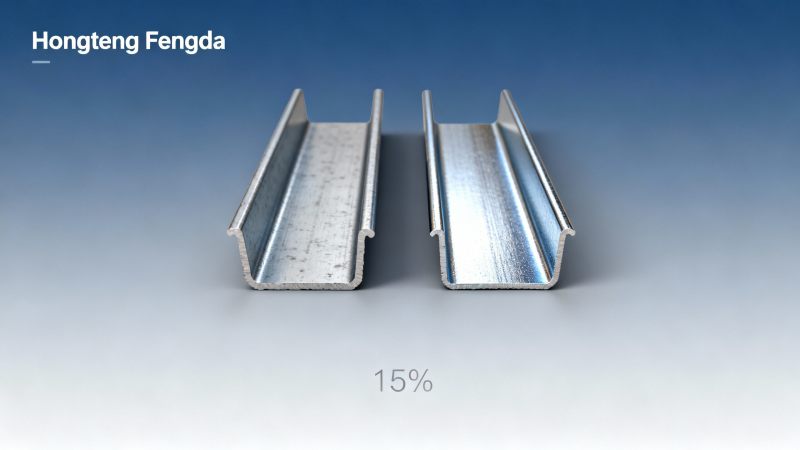
A representative project from Southeast Asia demonstrates how material choice influences lifecycle economy. A port logistics hub, located near a marine harbor, initially employed standard U Channel Steel for its cargo frames. Within three years, salt-laden wind caused visible rusting, prompting costly repainting operations. After switching to Galvanized Channel Steel from Hongteng Fengda, corrosion incidence dropped to zero within similar exposure cycles, saving significant maintenance expense. Another successful case occurred in an inland chemical factory where processing units required high load support but minimal environmental exposure. Engineers selected uncoated U Channel Steel for interior supporting columns to achieve stronger weld joints and facilitate equipment mounting. Both projects underscored the importance of matching environment severity with the correct channel steel type. Client feedback from distributors applauded Hongteng Fengda’s flexibility in customizing cross-section sizes, packaging methods, and delivery batches, supporting regional agents to meet varying local specifications. Quality inspectors often cite measurable improvements in zinc coating uniformity compared to market averages, validating the manufacturer’s claim of “reliable steel solutions delivered with precision.”
FAQ and Common Misconceptions
Many engineers assume that Galvanized Channel Steel always outperforms U Channel Steel in every condition—this is not entirely accurate. The galvanization process adds corrosion resistance but doesn’t substantially increase load-bearing capability. Structural performance still depends on sectional modulus and material grade. In dry, indoor facilities, U Channel Steel can deliver equal mechanical reliability at lower cost. Another misconception involves maintenance. Some buyers believe galvanized structures never require re-coating; although the zinc layer provides exceptional protection, extreme abrasion may warrant occasional touch-ups. Also, many clients inquire about welding galvanized components; with proper fume extraction and pre-treatment, welding remains feasible without zinc delamination. Regarding integration, questions often arise on compatibility with other materials like carbon steel coil, stainless steel pipe, and galvanized steel wire. Hongteng Fengda’s production lines ensure cross-category consistency, enabling mixed-type assemblies that preserve alignment and uniform aesthetics across entire infrastructure projects. Further technical consultation can guide precise selection based on environmental profiles and operating loads.
Trend and Future Insights
The future direction of channel steel development trends toward smarter production, eco-friendly coatings, and digitalized supply chain control. With circular economy policies reshaping industrial procurement, manufacturers increasingly adopt recyclable coatings and green galvanization baths without heavy metals. In addition, predictive maintenance technologies using IoT sensors help monitor the structural health of channel frameworks, detecting early corrosion or stress concentration. Hongteng Fengda continues to invest in automated deformation control, computer-aided roll forming, and online quality data transmission, ensuring that clients receive products ready for modular assembly and global logistics standards. As data integration between construction software (BIM) and manufacturing systems becomes widespread, precise dimensional control of U Channel Steel and Galvanized Channel Steel will gain even more relevance. Market forecasts suggest a steady rise in demand for corrosion-resistant materials within renewable energy projects, particularly solar panel racking and offshore wind foundations. This aligns perfectly with the capabilities of Galvanized Channel Steel, whose protective coat ensures longevity against sea spray and UV exposure. Companies that adopt these solutions early not only reduce environmental impact but also demonstrate proactive project sustainability.
Why Choose Hongteng Fengda
Choosing the right Structural Steel Manufacturer & Exporter from China means securing quality, reliability, and long-term partnership. Hongteng Fengda distinguishes itself through modern manufacturing facilities, strict process inspection, and a broad catalog covering angle steel, channel steel, cold formed steel profiles, and customized components. Serving clients across North America, Europe, the Middle East, and Southeast Asia, the company maintains stable production capacity and dependable shipping schedules. Customers appreciate the flexibility to order both standard and OEM specifications, ensuring each project receives precisely engineered materials. With professional service teams assisting during design, procurement, and after-sales stages, Hongteng Fengda helps global buyers reduce sourcing risks and control costs efficiently. Whether you require non-galvanized U Channel Steel for precision machinery or Galvanized Channel Steel for marine construction, Hongteng Fengda offers reliable solutions backed by international approvals such as ASTM, EN, JIS, and GB. To explore related materials, including carbon and alloy piping systems via Carbon Steel Pipe Supplier, buyers can seamlessly coordinate accessories and structural components within one trusted supply chain. Connect today to discuss your next project with a partner committed to engineering excellence, cost transparency, and total customer satisfaction.
- channel steel
- steel i
- l angle
- angle steel
- carbon steel coils
- galvanized steel wire
- carbon steel pipe supplier
- carbon steel pipe
- galvanized steel pipe
- ASTM A572
- ASTM A106 Gr.B
- steel tubing
- carbon steel coil
- steel pipe
- steel coil
- galvanized steel
- ASTM A36
- structural steel
- H channel steel
- steel profiles
- C-shaped steel profile
- C-shaped steel
- Galvanized Channel Steel
- U channel steel
- galvanized channel steel
- Structural Steel
- steel angle bar
- U Channel Steel
- stainless steel tubing
- stainless steel pipe
- Profile
- S355JR
- Galvanized
- Steel Wire
- Steel Channel
- carbon steel
- steel profile
- steel angle
Related recommendations
 How to Judge if Steel Sheet for Construction Fits Roofing or Wall CladdingSteel sheet for construction: learn how to judge thickness, coating, profile, and load performance for roofing or wall cladding, and choose a durable, cost-effective fit.
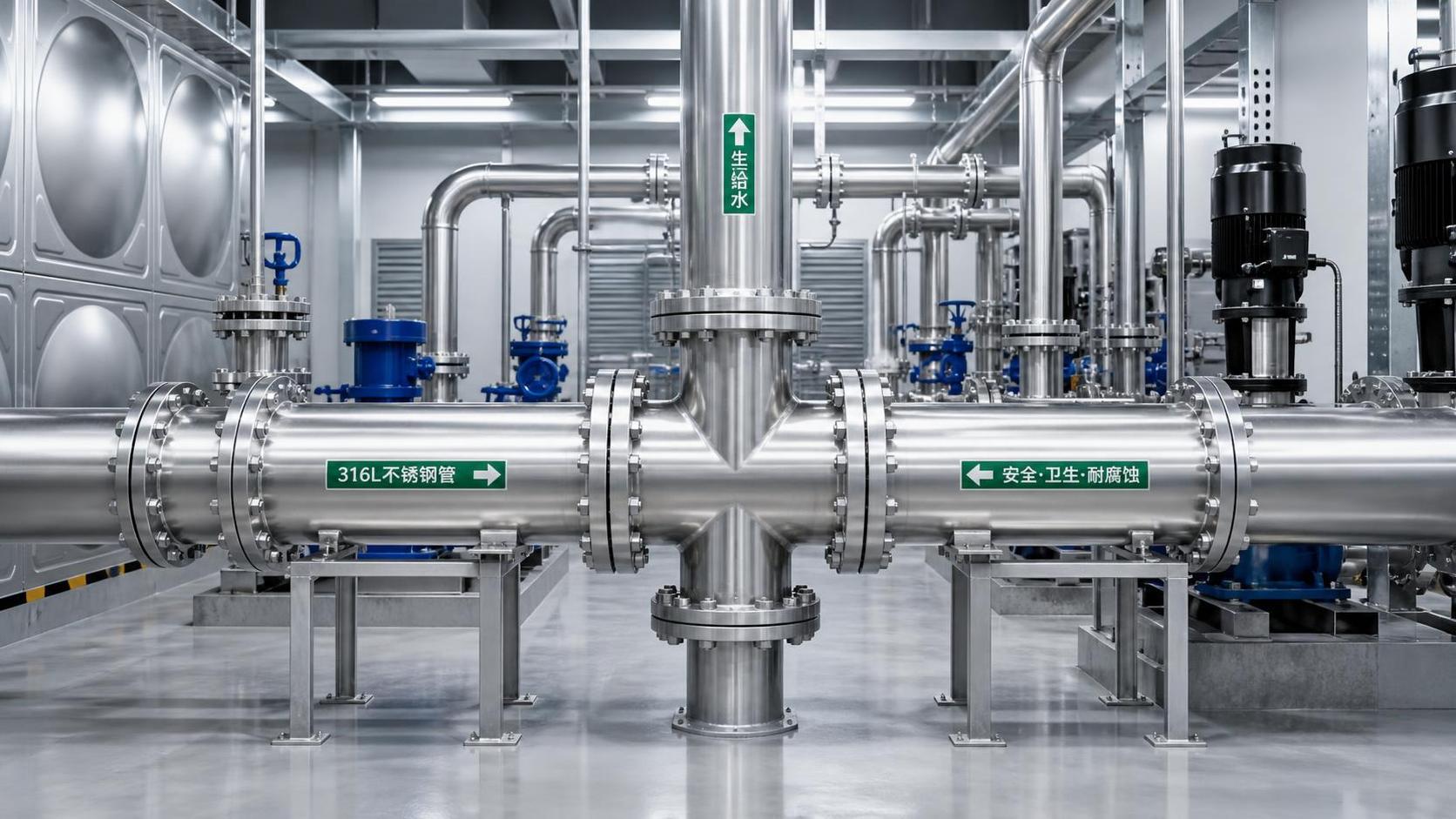
 How to Choose SS Pipe for Water Supply in Corrosion-Prone BuildingsSS pipe for water supply selection guide for corrosion-prone buildings. Compare 304 vs 316 grades, water chemistry, specs, and lifecycle cost to choose a safer, longer-lasting system.
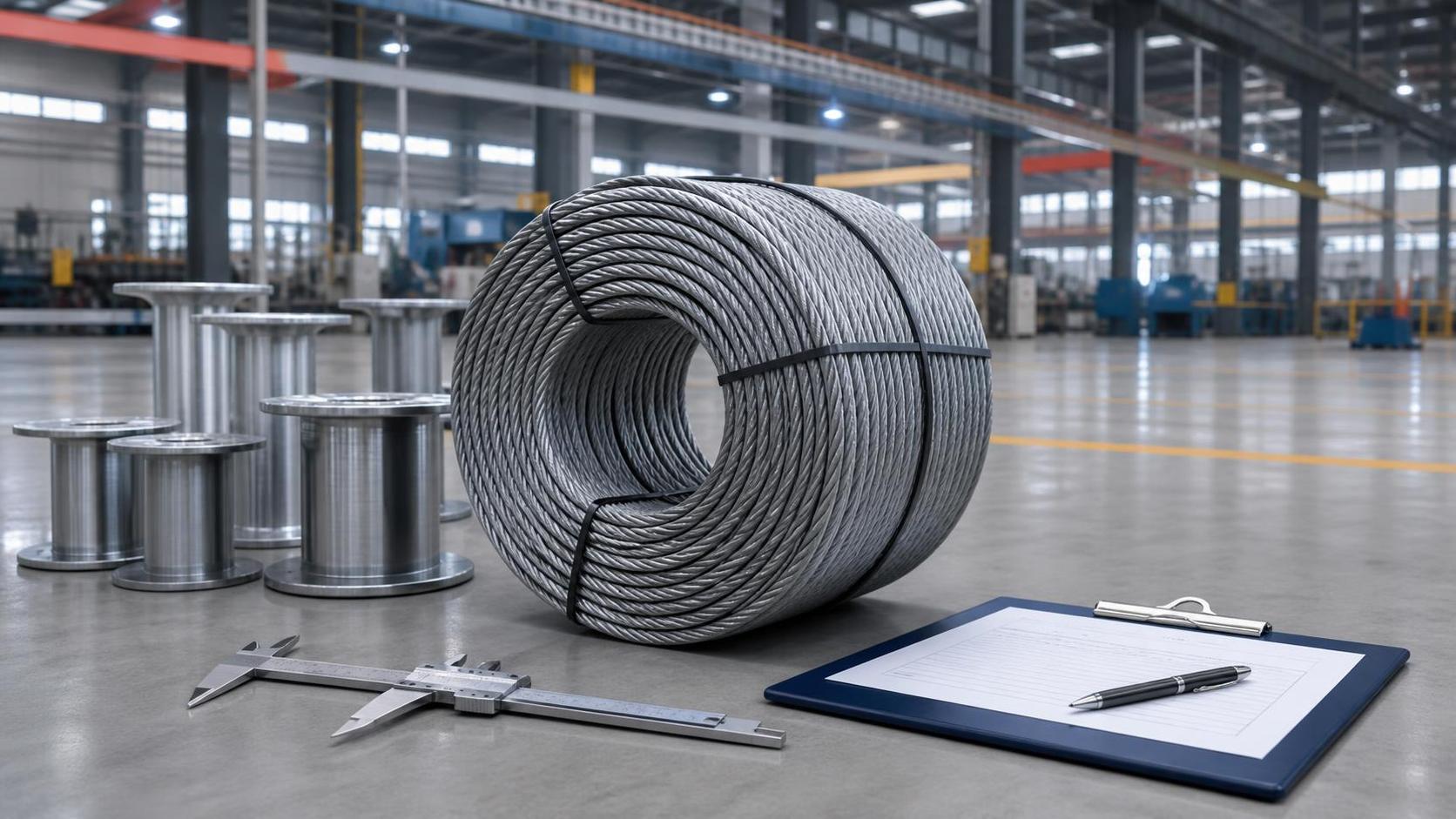
 Steel Wire Rope Manufacturer Standards That Matter in Lifting ApplicationsSteel wire rope manufacturer standards for lifting: learn how to assess traceability, testing, compliance, and real quality control before choosing a safer, more reliable supplier.
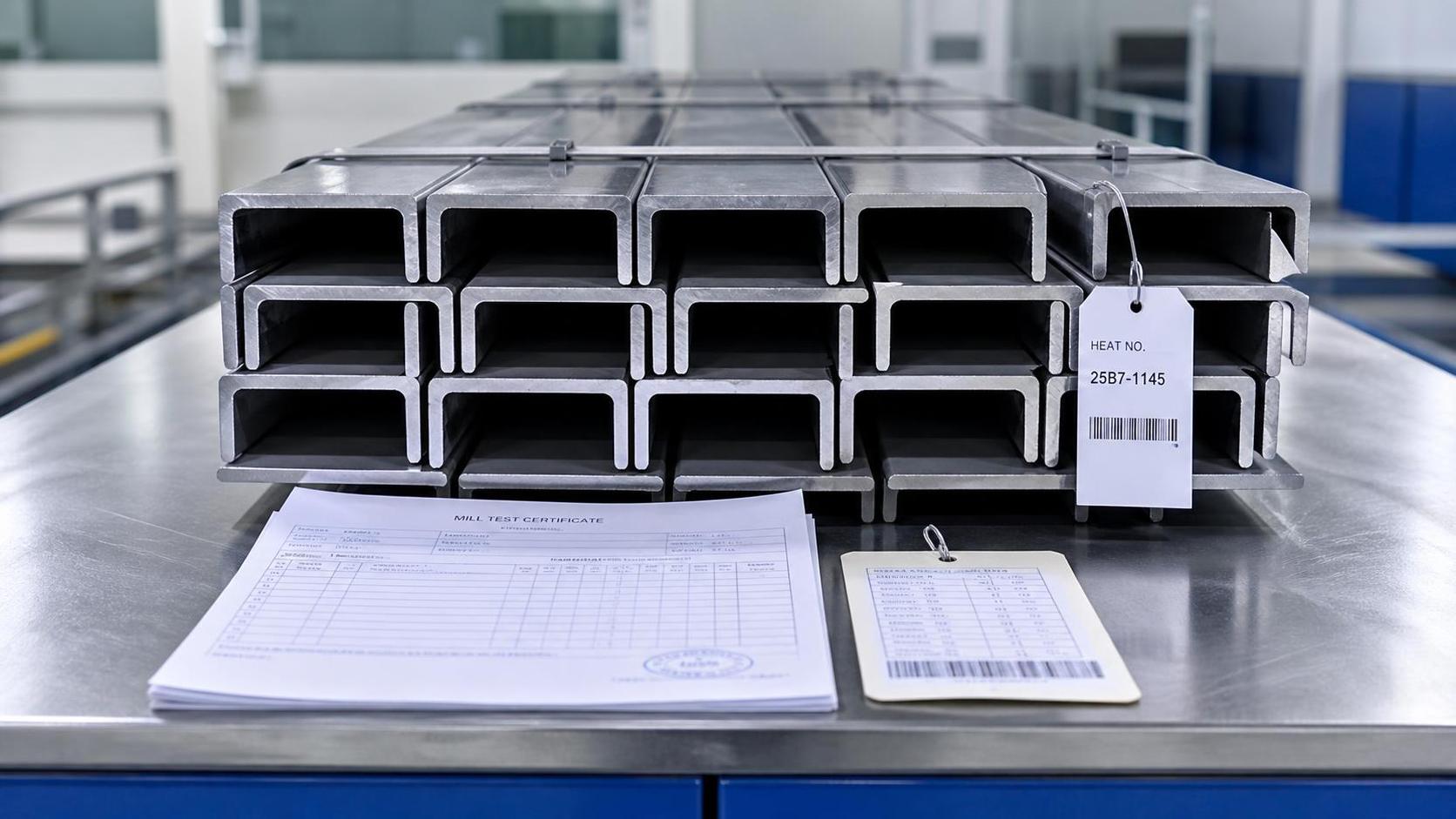
 When a Steel Channel Supplier Should Provide Mill Test CertificatesSteel Channel supplier guide on when mill test certificates should be provided for quality control, compliance, and safer procurement.
Please give us a message


Please enter what you want to find