When selecting materials for structural framing, engineers and procurement professionals must weigh performance, cost, and longevity—especially corrosion resistance. Among common options like steel tube, carbon steel pipe, steel profile, steel pile, and steel bar, key differences impact durability in harsh environments. As a leading structural steel manufacturer & exporter from China, Hongteng Fengda supplies ASTM/EN-compliant steel tube, steel conduit, steel roof sheet, steel rail, and carbon steel products—helping global project managers, quality controllers, and distributors make data-driven choices. This article compares steel tube vs. carbon steel pipe head-to-head, clarifying which delivers superior corrosion resistance for long-term structural integrity.
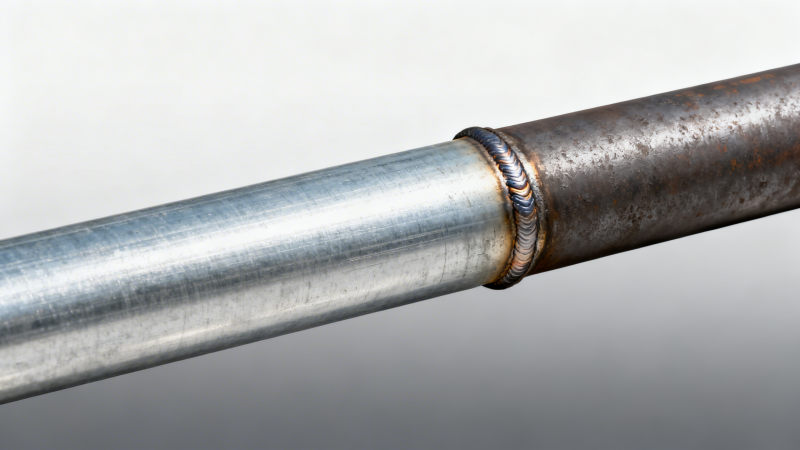
Definition and Structural Identity
Steel tube and carbon steel pipe are often used interchangeably—but they differ fundamentally in design intent and manufacturing standards. A steel tube is a hollow structural section (HSS) engineered for load-bearing applications. It adheres to specifications such as ASTM A500 (for cold-formed welded and seamless carbon steel structural tubing) or EN 10219 (cold-formed welded structural hollow sections). Its dimensional tolerances, wall thickness consistency, and surface finish prioritize structural rigidity and weldability.
In contrast, carbon steel pipe is primarily designed for fluid conveyance—governed by standards like ASTM A53 (black and hot-dipped galvanized steel pipe) or ISO 3183. Its roundness, internal surface smoothness, and pressure-test compliance take precedence over geometric stability under bending or axial loads. While both may share similar base materials (e.g., ASTM A1011 carbon steel), their end-use definitions shape everything from mill processing to final inspection protocols.
This distinction matters deeply for structural framing—where deformation control, connection integrity, and long-term exposure to humidity, salt spray, or industrial pollutants define service life. Misclassifying a pipe as a tube—or vice versa—can compromise safety margins and accelerate degradation.
Corrosion Resistance: Material Composition vs. Surface Protection
Raw carbon steel—whether formed into tube or pipe—offers minimal inherent corrosion resistance. Its iron-rich matrix readily oxidizes when exposed to moisture and oxygen. Therefore, corrosion performance hinges less on geometry and more on three interdependent factors: base steel purity, surface treatment quality, and environmental exposure class.
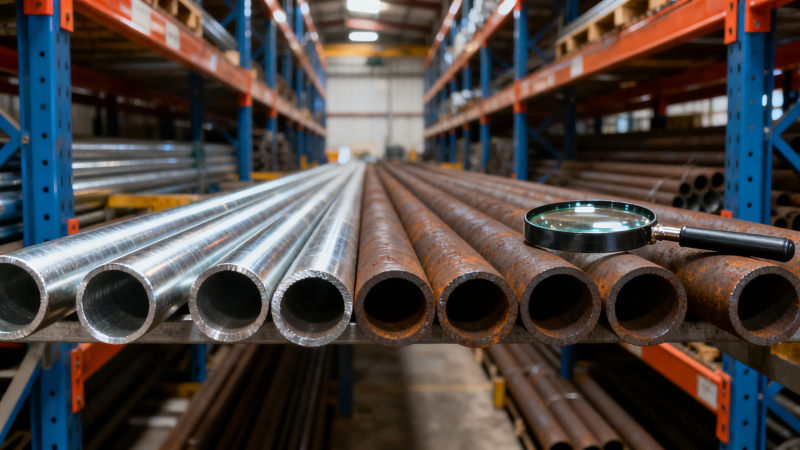
Hot-dip galvanizing remains the most widely adopted, cost-effective anti-corrosion method for structural steel components. For instance, our Galvanized Round Steel undergoes strict ASTM A123-compliant hot-dip galvanizing, delivering a zinc coating of 610 g/m² minimum—proven to extend service life beyond 50 years in rural atmospheres and over 20 years in coastal zones. The same principle applies to steel tube and carbon steel pipe: galvanizing transforms both into high-resistance assets.
However, structural tubes—especially cold-formed ones—often feature tighter dimensional control and smoother external surfaces, allowing for more uniform zinc adhesion and fewer micro-defects at weld seams. Pipes, with thicker walls and rougher internal finishes, may exhibit inconsistent coating thickness across inner/outer surfaces unless specially processed.
Technical Performance Comparison
The table below highlights critical technical parameters influencing corrosion behavior and structural suitability:
Procurement Guide for Global Buyers
For procurement professionals evaluating steel tube vs. carbon steel pipe, start with application context—not material label. Ask: Is this component part of a load-bearing frame? Will it be welded onsite? Does it require precise fit-up with bolted connections?
If yes, specify ASTM A500 Grade C or EN 10219 S355JRH—and confirm galvanizing compliance per ASTM A123 or ISO 1461. Avoid substituting ASTM A53 pipe without engineering review: its lower yield strength and looser tolerances increase risk of misalignment, stress concentration, and premature coating failure at joints.
At Hongteng Fengda, we support buyers with full traceability—from raw billet certification (GB/T 700, ASTM A1011) to third-party galvanizing audits. Our cold-formed steel profiles and custom steel conduit meet EN 61386 requirements for mechanical protection in electrical infrastructure, while our Galvanized Round Steel serves telecom towers, street light poles, and marine structures where zero maintenance is non-negotiable.
Why Choose Hongteng Fengda?
As a certified structural steel manufacturer & exporter from China, we bridge global standards and local execution. Our integrated production line—from precision rolling and CNC bending to automated hot-dip galvanizing—ensures every steel tube, steel roof sheet, steel rail, and carbon steel component meets ASTM, EN, JIS, and GB specifications without compromise.
We serve project managers who need predictable lead times, quality controllers who demand mill test reports and zinc-thickness verification, and distributors who rely on consistent packaging and bilingual documentation. With facilities in Shandong and Guangdong, we offer flexible MOQs, OEM labeling, and logistics coordination across North America, Europe, the Middle East, and Southeast Asia.
Contact us today for customized corrosion-resistant solutions—including galvanized steel pile, steel profile, and steel bar—engineered for your environment, timeline, and budget. Let’s build resilience—frame by frame.
Related recommendations
 What is an H-Beam and How Does it Differ from an I-Beam?Discover what an H-beam is and how it differs from an I-beam. Learn key structural differences and expert selection tips from Hongteng Fengda to optimize your steel construction projects today.
 Hot Rolled vs. Cold Rolled Steel Sheet: Surface and ToleranceHot rolled vs cold rolled steel sheet: Discover how surface finish and tolerances impact manufacturing. Optimize material selection, reduce costs, and ensure quality. Read our expert guide today!
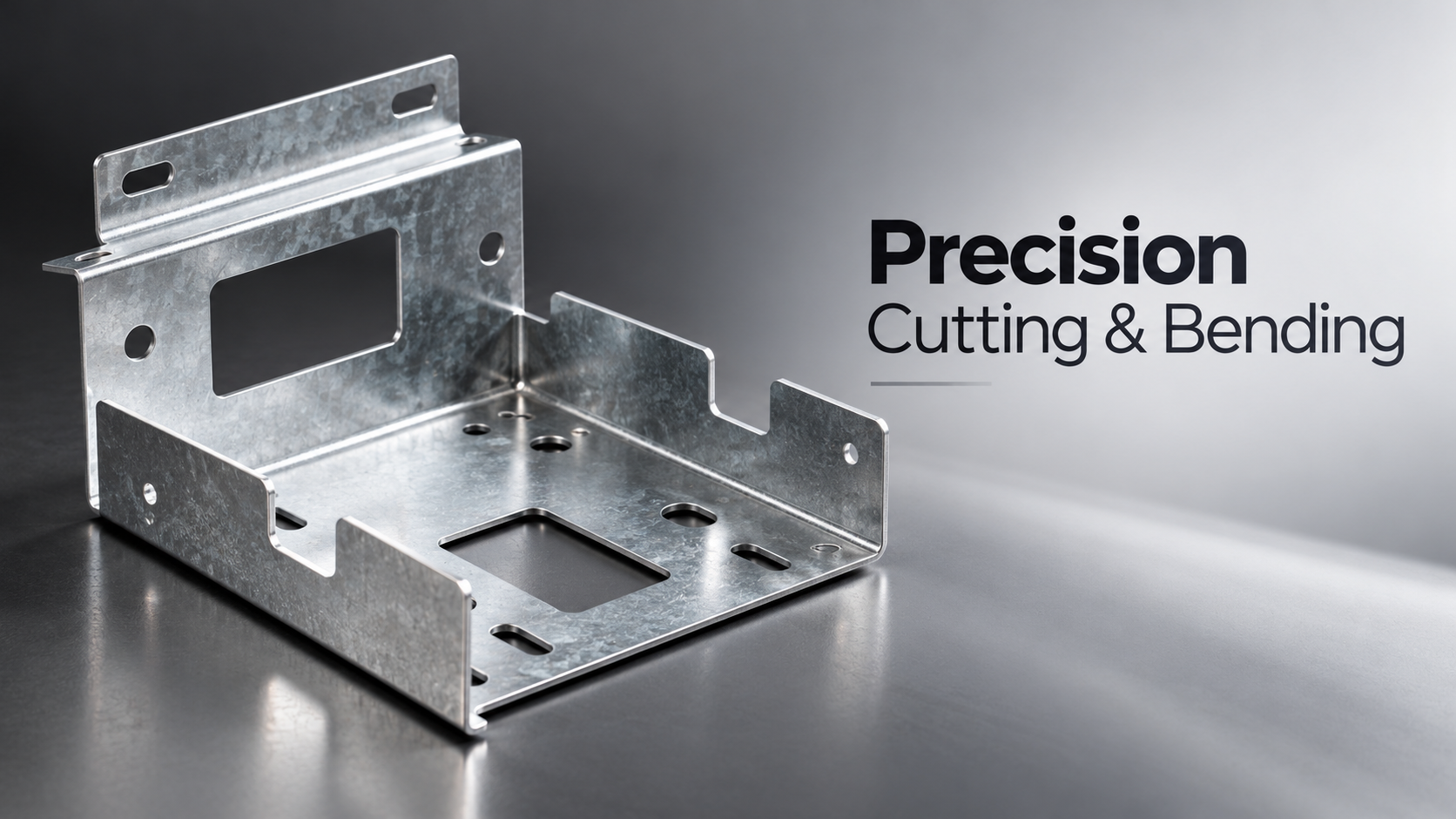
 Best Cutting and Bending Practices for Galvanized Sheet MetalDiscover the best cutting and bending practices for galvanized sheet to prevent zinc flaking. Optimize tooling and thermal parameters to ensure perfect corrosion resistance. Read the full guide!
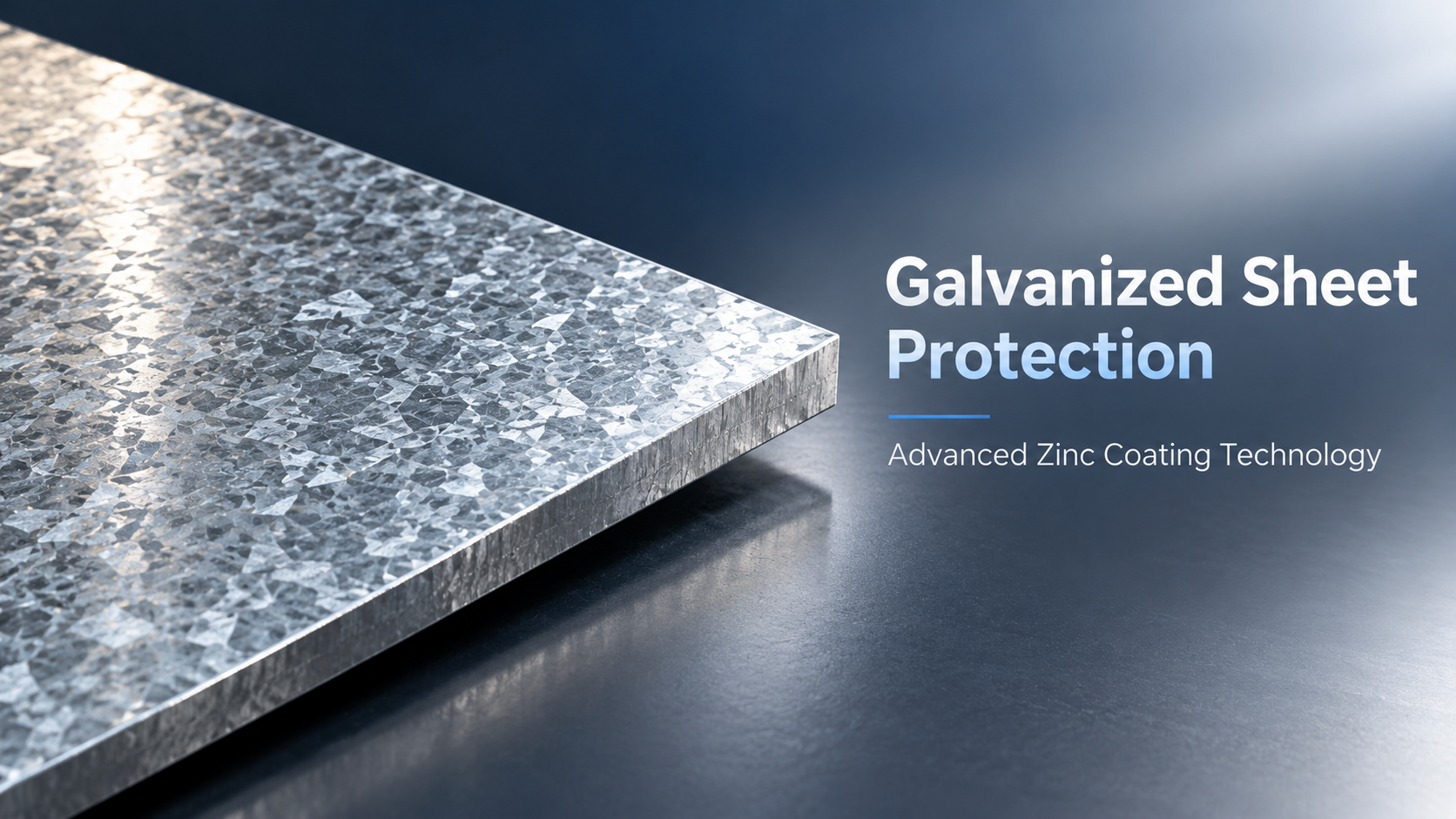
 What is Galvanized Sheet and How Does the Zinc Coating Work?Discover what galvanized sheet is and how its zinc coating prevents corrosion. Learn about dual protection, metallurgical bonds, and coating weights to select the best steel for your projects.
Please give us a message


Please enter what you want to find