Introduction
Choosing the right steel bar is essential for the success and safety of modern construction projects in 2025. Whether it’s a steel rebar for reinforced foundations, a steel pile for deep structures, or a stainless steel bar for corrosion resistance, the right selection ensures durability and performance. Hongteng Fengda, a trusted structural steel manufacturer and exporter from China, provides high-quality steel profiles, carbon steel, and stainless steel options that meet international standards such as ASTM, EN, JIS, and GB—helping global builders achieve strength, cost efficiency, and reliability.
In today’s competitive global market, engineers, project managers, and procurement specialists face a growing number of choices when selecting steel materials. The decision involves balancing factors like grade, yield strength, corrosion resistance, and fabrication compatibility. An informed selection not only affects the structural safety and longevity of infrastructure but also influences cost control and project timelines. With the construction sector evolving towards green, smart, and sustainable practices, the importance of selecting the right steel bar, along with complementary materials such as steel sheet or Steel Channel, has become more strategic than ever.
Key Factors to Consider When Choosing a Steel Bar
When choosing the optimal steel bar for a construction or infrastructure project, the first and most critical consideration is the intended application. For reinforced concrete foundations, high-tensile steel rebar or carbon steel bars are commonly used due to their excellent bonding and strength. For marine or chemical plants, stainless steel bar or stainless steel square bar options are favored for their corrosion resistance. Key steel grades such as 201 and 304 stainless steel differ significantly in cost and performance—understanding the 201 vs 304 stainless steel cost ratio can help decision-makers balance quality and budget effectively.
Strength and ductility are fundamental mechanical properties that directly influence the load-bearing capacity of a structure. Hot rolled and cold formed steel profile options also affect formability and surface finish. Engineers should evaluate tensile strength, yield ratio, and elongation percentage according to project demands. Additionally, compliance with recognized standards like ASTM A615 for steel rebar or EN 10025 for structural steel ensures predictable performance and compatibility with international supply chains.
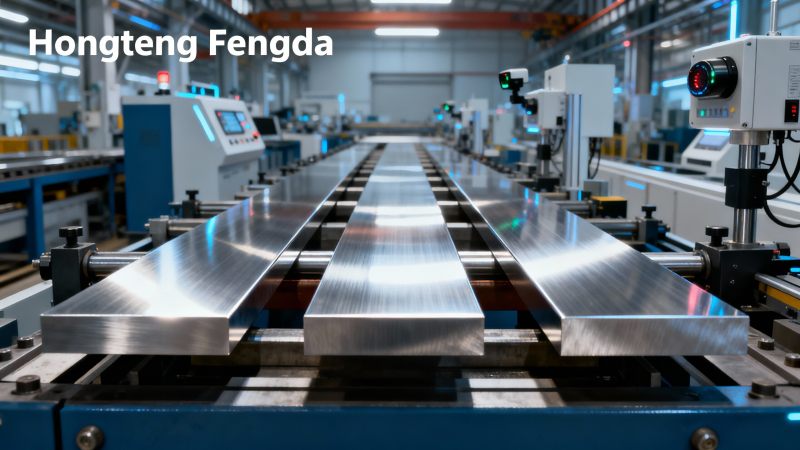
Another critical element is corrosion protection. For infrastructure exposed to moisture, saline air, or chemicals, galvanized steel bar and stainless steel types offer longer service life. Proper coating, passivation, or alloy selection based on chromium and nickel content ensures resistance to rust and fatigue. Surface finish options such as black, oil-treated, and polished coatings can be optimized for different site conditions and aesthetic preferences, aligning the project’s structural integrity with environmental durability.
Material Types: Carbon Steel, Stainless Steel, and Composite Options
Among the large family of steel materials, carbon steel remains the most widely used type for construction, offering a cost-effective balance between strength and flexibility. Typical carbon steel grades used in steel piles, steel sheets, and reinforcement bars can adapt to both commercial and industrial buildings. Medium carbon steels are preferred where high tension strength is essential, while low carbon steels are suitable for easier bending and welding applications.
Stainless steel, on the other hand, is the material of choice for environments requiring superior corrosion resistance. Variants like 201 stainless steel offer affordability for general-purpose applications, while 304 and 316 grades serve critical infrastructures such as bridges, wastewater plants, and airport terminals. In projects that face budget pressure, a comparative study of 201 vs 304 stainless steel cost provides clarity on material optimization.
Emerging trends also include hybrid materials and specialized profiles designed for performance under complex stress conditions. Cold-formed and hot-rolled processes enable customized steel profiles and beams of variable thickness for tailored performance. As a professional exporter, Hongteng Fengda provides not only standard steel bars but also custom-engineered Steel Channel and beam solutions to serve complex structural needs across continents. Buyers also benefit from certifications such as ISO9001:2008 and ISO14001:2004, which demonstrate quality consistency and environment-friendly production practices.
Product Focus: Trusted Rail Solutions for Modern Infrastructure
Beyond essential steel bar products, Hongteng Fengda also manufactures high-performance Rail systems designed for railway, bridge railing, and deck handrail applications. Made from high-grade carbon steel or medium manganese steel, these rails, available in models such as U74, U71Mn, PD2, PD3, and BN bRE, ensure safe and efficient operational performance over long service lives. The rails feature key parameters including lengths from 12 m to 30 m, thickness from 3 mm to 24 mm, rail heights reaching 170 mm, and tolerance within ±1%. These specifications help the rails bear the immense wheel pressure while delivering stable and low-drag contact surfaces.
Suitable for both domestic and international railway systems, each Rail adheres to strict dimensional accuracy and mechanical standardization, meeting ISO9001-2008 requirements. Key advantages include reasonable pricing, large stock availability, and rapid delivery cycles—all vital for large-scale infrastructure projects. The product’s versatility also extends to industrial decks and automated blocking systems in electrified railways, aligning with Hongteng Fengda’s mission to provide a continuous, smooth, and least drag rolling surface for safe operations. Combining precision engineering and rich export experience allows Hongteng Fengda to support customers from concept design to final installation seamlessly.
Market Trends and Innovations in Steel Usage for 2025
Looking ahead to 2025, global construction markets are shifting toward sustainable, energy-efficient solutions. Steel, due to its recyclability and mechanical performance, will continue to serve as a cornerstone material. The demand for high-performance steel bar and steel profile products is increasing, driven by urbanization, transportation infrastructure upgrades, and offshore energy projects. Modern manufacturing technologies, including laser cutting, robotic welding, and automated shaping, enhance the precision and consistency of steel fabrication, supporting complex geometries and customized specifications.
Digitalization is also transforming procurement and quality control. Smart monitoring systems test steel rebar tensile behavior, surface finish, and conductivity in real time, helping quality engineers and safety managers maintain compliance with rigorous standards. Moreover, the integration of Building Information Modeling (BIM) and advanced steel production data allows suppliers like Hongteng Fengda to deliver traceable, standardized products that simplify project management workflows. These technologies also aid end users in comparing the total life cycle value between carbon steel, stainless steel, and composite alternatives, guiding optimal selections for each environment.
Practical Guide: How Procurement Teams Can Make Better Decisions
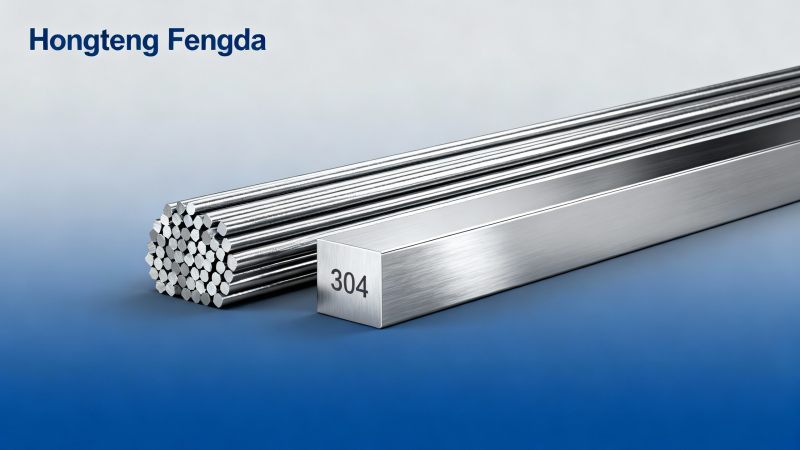
Procurement specialists and project managers often face challenges not only in material selection but also in ensuring supplier reliability. Before purchasing steel bars or Steel Channel components, verify the supplier’s certification, production capacity, and delivery commitments. It is advisable to request mill test certificates, chemical composition reports, and dimensional tolerance sheets to confirm that products meet project specifications. Consider suppliers that combine manufacturing and export capabilities to avoid cross-border delays and inconsistencies.
Evaluate the supplier’s after-sales support and communication efficiency. Hongteng Fengda offers 24-hour customer service, abundant stock, and customized fabrication assistance, which empower clients to meet demanding construction schedules. Comparing product categories such as carbon steel bar, stainless steel square bar, and steel sheet options enables decision-makers to match the right grade with project-specific parameters, ensuring efficiency without sacrificing quality or safety.
Conclusion and Call to Action
As construction projects in 2025 continue to evolve toward higher performance standards, the role of reliable structural materials like steel bar, steel pile, and steel rebar becomes indispensable. From cost efficiency to long-term durability, choosing the right grade of carbon steel or stainless steel ensures the success of infrastructure and industrial development. By integrating advanced manufacturing technologies, global supply chain management, and strict quality certification, Hongteng Fengda delivers structural steel profiles and customized solutions trusted across continents.
For project managers, engineers, and decision-makers seeking dependable steel products conforming to ASTM, EN, JIS, and GB standards, partnering with Hongteng Fengda means access to technical expertise, continuous supply, and responsive support. Contact our team today to explore high-quality steel bars, Steel Channel components, and international-grade solutions that optimize your next project’s safety, efficiency, and value. Get in touch now to learn more about how Hongteng Fengda can become your long-term structural steel partner.
Related recommendations
 How much does 2 inch ss pipe price increase when upgrading from Schedule 40 to Schedule 80 for high-pressure systems?2 inch ss pipe price increases 18–35% when upgrading from Sch 40 to Sch 80—discover why, when it’s truly needed, and how to avoid overpaying.
 Which 304 stainless steel coil suppliers meet ISO 9001 and EN 10088-2 for food-grade fabrication?Discover verified 304 stainless steel coil suppliers meeting ISO 9001 & EN 10088-2 for food-grade fabrication—traceable, audited, and ready for regulatory validation.
 How does 2 inch ss pipe price compare between 304 and 316 grades for marine environments?2 inch ss pipe price varies significantly between 304 and 316 — but in marine environments, choosing 304 risks costly failures. Discover why 316 is the true value choice.
 Is 20 feet square pipe price affected more by raw material volatility or regional logistics costs?20 feet square pipe price is driven primarily by raw material volatility—not logistics. Discover why billet costs dominate pricing & how to forecast smarter with Hongteng Fengda.
Please give us a message


Please enter what you want to find