Choosing between a steel angle and a steel tube in 2024 is more than a design decision—it’s a matter of structural integrity, performance, and ROI. For engineers, buyers, and project managers comparing angle vs channel, steel square rod, or steel girder options, understanding the strength-to-weight ratio and application benefits is key. As a trusted structural steel manufacturer and exporter from China, Hongteng Fengda provides globally certified steel rail, steel roof sheet, and steel conduit solutions that help optimize cost, safety, and reliability across industries.
Definition and Structural Characteristics
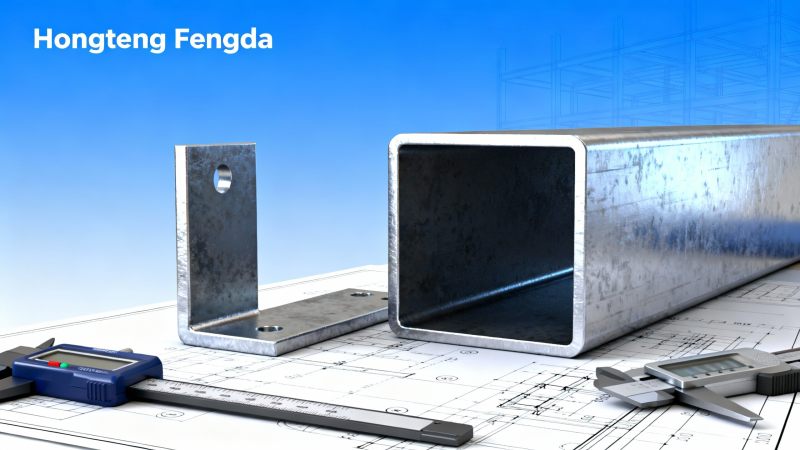
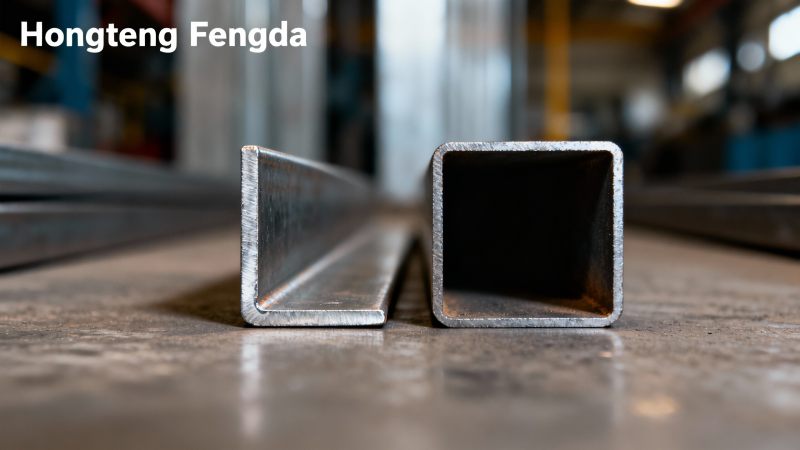
A steel angle is one of the most widely used structural steel forms, characterized by its L-shape profile, typically available in equal and unequal thicknesses along its legs. The shape provides high rigidity along edges and junctions, making it suitable for bracing, framing, and reinforcement in buildings, bridges, and machinery. Conversely, a steel tube, often in square, rectangular, or circular format, is a closed section offering uniform strength around its cross-section. When comparing steel angle vs steel tube, the former provides efficient corner support and ease of connection, while the latter delivers multidirectional load resistance and higher torsional stability. Engineers often examine cross-sectional moment of inertia, yield strength, and deformation resistance, metrics governed by materials such as Q235B, A36, or SS400. Selecting between angle and tube structure depends on design geometry, load distribution, fabrication strategy, and maintenance considerations. Hongteng Fengda supplies both products under precise manufacturing standards, ensuring structural reliability and conformance to ASTM, EN, JIS, and GB norms applicable to global projects.
Market Overview and Global Steel Trends in 2024
The structural steel market in 2024 continues to evolve under the pressures of sustainability, digital transformation, and infrastructure renewal. Green building endorsements, net-zero carbon goals, and stricter supply chain compliance have motivated investors and project owners to source reliable materials with traceable quality. From North America to Southeast Asia, steel tube and steel angle demand has remained resilient due to infrastructure stimulus and manufacturing recovery. Projects such as smart cities, logistics zones, and offshore installations prioritize materials with predictable mechanical performance. Steel conduit, steel roof sheet, and modern cold-formed structures are increasingly integrated into multi-functional designs. At this market junction, the angle vs channel and tube comparison also shifts towards lifecycle cost evaluation. While raw material price fluctuations influence short-term procurement affordability, advanced mills like Hongteng Fengda mitigate volatility through stable supply, ensuring customers maintain predictable ROI. In addition to domestic technical standards, compliance with ISO and SGS certifications is becoming an essential global procurement requirement, particularly for buyers concerned about long-term structural durability and safety benchmarks.
Application Scenarios and Engineering Considerations
Engineers and construction managers typically decide between steel angle and steel tube based on the scope of their projects. Steel angle sections dominate in frameworks, transmission towers, industrial racks, and steel ladders due to their ability to distribute axial loads efficiently while minimizing material use. For modular fabrication, angles are easy to weld, bolt, or rivet, while maintenance replacement remains straightforward. On the other hand, steel tube applications include modern machinery frames, fluid conduits, transportation elements, steel rail structures, and contemporary architectural façades. The closed-section geometry of tubes resists torsion and bending across axes, which is especially critical in dynamic equipment or seismic zones. Comparing tube with a steel square rod, the hollow structure saves weight without compromising mechanical integrity. Recent innovations have also introduced the SM400A Patterned steel plate, utilized in flooring, infrastructure, and shipbuilding due to its anti-skid and decorative features. Constructed from materials like SM400A and SM400B, it provides enhanced aesthetics and cost-efficiency in applications such as transportation decks and mechanical workshops, combining anti-slip safety with structural strength. When integrated with tube or angle frames, such patterned plates extend surface durability and reduce steel consumption across projects.
Technical Performance Comparison
To evaluate steel angle vs steel tube performance objectively, it is essential to review key mechanical and dimensional parameters. The yield strength, tensile resistance, and compressive stiffness determine component behavior under stress. Angles show high efficiency when reinforced in lattice configurations, optimizing buckling performance with minimal cost. Tubes, thanks to their continuous shape, deliver better torsional strength and fatigue endurance, making them ideal for high-stress components like car frames, mechanical arms, and scaffolding joints. Designers also look into corrosion behavior and protective coatings. Galvanized steel tube or epoxy-coated angle products prolong service life in outdoor or marine environments. For flooring and load-bearing decks, combining patterned surfaces improves friction and prevents skidding. For instance, the 2–8 mm patterned sheet with tolerance ±0.02 mm supplied by Hongteng Fengda ensures dimensional precision. The company further supports custom-size tubing (600 mm–1800 mm width, 2 m–12 m length) under tight compliance to ASTM and BS certifications. Such standardized production assures uniform thickness, consistent material properties, and ease of welding, enabling flexible integration into broader structural systems. Comparing long-term cycle costs, tubes often outperform angles in maintenance performance, although initial fabrication for angles may be less time-consuming.
Procurement Guide and Cost-Control Strategies
Procurement professionals and project engineers must factor in not only pricing but manufacturability, logistic stability, and after-sales service when choosing between steel angle and steel tube. While steel angles are lightweight and economical in terms of initial investment, the lifecycle cost may increase due to corrosion or limited cross-sectional strength under compound stress. Tubes demand higher mill complexity but usually reduce long-term repair frequency. Hongteng Fengda offers both standard and OEM steel fabrication solutions, guaranteeing steady delivery and professional consultation in structural optimization. Buyers focused on ROI must balance total cost of ownership with quality certifications like BV and ISO, which assure predictable mechanical behavior. Advanced coatings, pre-fabricated welding holes, and anti-skid finishing significantly enhance usability. In addition, accessories such as steel conduit and roof sheet produced under unified standards allow cohesive integration into overall project frameworks. Hongteng Fengda’s continuous production capacity ensures cost predictability even when facing global ore price fluctuations. For projects involving floor plates, referencing the 1250 mm and 1500 mm width formats of the SM400A series provides efficient installation and reduced labor time. Regardless of project scale—industrial, decorative, or marine—the strategic choice between tube and angle depends on budget alignment with structural endurance expectations.
Standards, Certification, and Compliance Requirements
Compliance remains the cornerstone of structural steel selection in 2024. Investors, safety officers, and auditors emphasize conformity to international standards such as ASTM A36, EN 10025, JIS G3101, and GB/T1591. These frameworks regulate mechanical thresholds, dimensional tolerances, and chemical compositions across steel angle and steel tube products. Hongteng Fengda ensures every batch undergoes surface treatment inspection, ultrasonic flaw detection, and mechanical tensile testing before shipment. For specialty products like the SM400A patterned steel plate, certification extends through SGS and BV authentication, securing trust across logistics, construction, and shipbuilding applications. By integrating digital QA tracing, Hongteng Fengda’s production control system records batch data for later verification, aligning with customers’ increasing demand for transparency. Beyond materials, certification consistency guarantees insurance and tender eligibility in global projects. Engineers and procurement teams should request certification copies with chemical analysis and mechanical test reports before shipment confirmation. This rigorous compliance strategy minimizes project risk and strengthens long-term supplier relationships.
Trends and Future Insights in Structural Steel
As sustainability becomes a central procurement criterion, the future of structural steel depends on technological innovation and eco-design. Smart mills employing AI-based rolling control and data monitoring have already improved accuracy and reduced waste in tubes and angles. Recycled material integration has further contributed to cost optimization and environmental compliance. Another growth driver lies in adaptive design: structural engineers increasingly favor hybrid configurations mixing steel angle, steel tube, steel girder, and patterned plate components to maximize load efficiency while minimizing material volume. The rise of 3D digital modeling allows real-time stress analysis and data feedback for structural performance refinement. In infrastructure, transportation, and marine projects, coated tubing and modular angle sections will lead the market in 2024–2030. Hongteng Fengda’s global partnerships with distributors and OEM customers enhance its innovation ecosystem, ensuring reliable metal solutions adapted to future building codes. Continuous research into lightweight, high-tensile alloys is advancing ROI by reducing material mass without sacrificing strength. For institutional buyers and safety managers, predictive maintenance analytics will soon transform how steel structures are assessed, extending operational life and ensuring compliance sustainability across decades.
Why Choose Hongteng Fengda
Hongteng Fengda stands at the forefront of structural steel manufacturing and export in China. Backed by advanced production systems and stringent quality protocols, the company delivers precision-engineered steel angle, steel tube, steel girder, and cold-formed profiles that meet international expectations. Its expertise spans multiple industries—from construction and machinery to shipbuilding and transport—ensuring customized solutions that satisfy both performance and profitability targets. Clients benefit from prompt delivery, transparent documentation, and technical advisory services centered around cost control and safety enhancement. Whether you require standard components or tailored OEM fabrication, Hongteng Fengda integrates engineering knowledge with market insight to minimize sourcing risk. Through abundant stock management and efficient logistics, the company continues to support distributors, project managers, and end-users around the world. To explore advanced patterned plate solutions or consult on angle vs channel specifications, please reach out via the company’s contact channels or visit product details through SM400A Patterned steel plate. Choosing Hongteng Fengda means partnering with a proven supplier committed to delivering structural confidence, economic value, and professional integrity that endure beyond the 2024 horizon.
Related recommendations
 What Is a Steel Profile? Common Shapes, Uses, and Selection BasicsProfile selection starts with shape, but performance depends on load, fabrication, and standards. Learn common steel profile types, uses, and smart selection basics.
 Steel Roofing Types Explained: Corrugated, Standing Seam, and Metal ShinglesSteel Roofing guide comparing corrugated panels, standing seam, and metal shingles. Discover costs, durability, weather performance, and how to choose the best roof for your home.
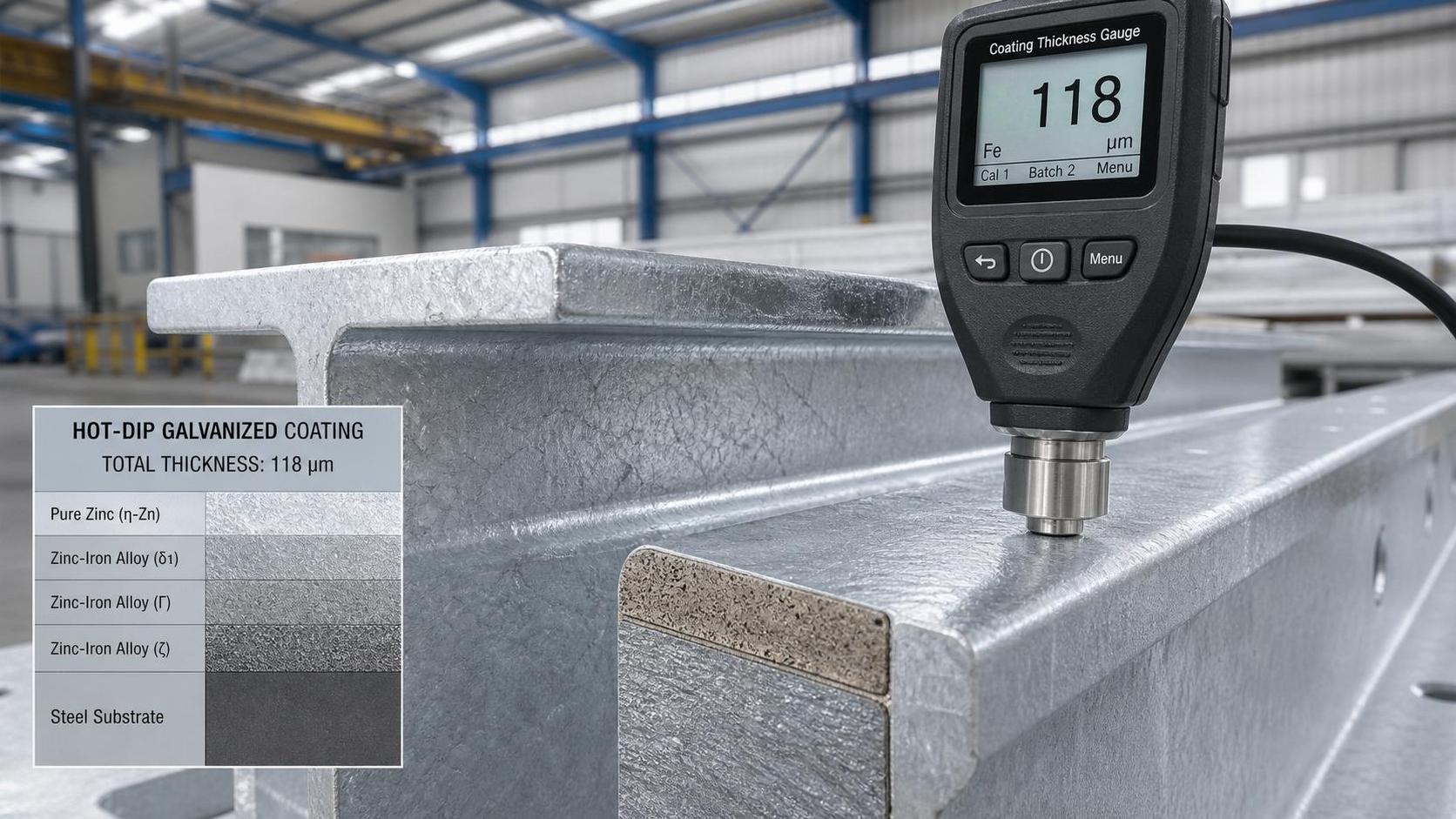
 How Hot-Dip Galvanized Coating Thickness Affects Service LifeHot-dip galvanized coating thickness directly affects steel service life. Learn how the right zinc layer improves corrosion protection, controls cost, and supports smarter project decisions.
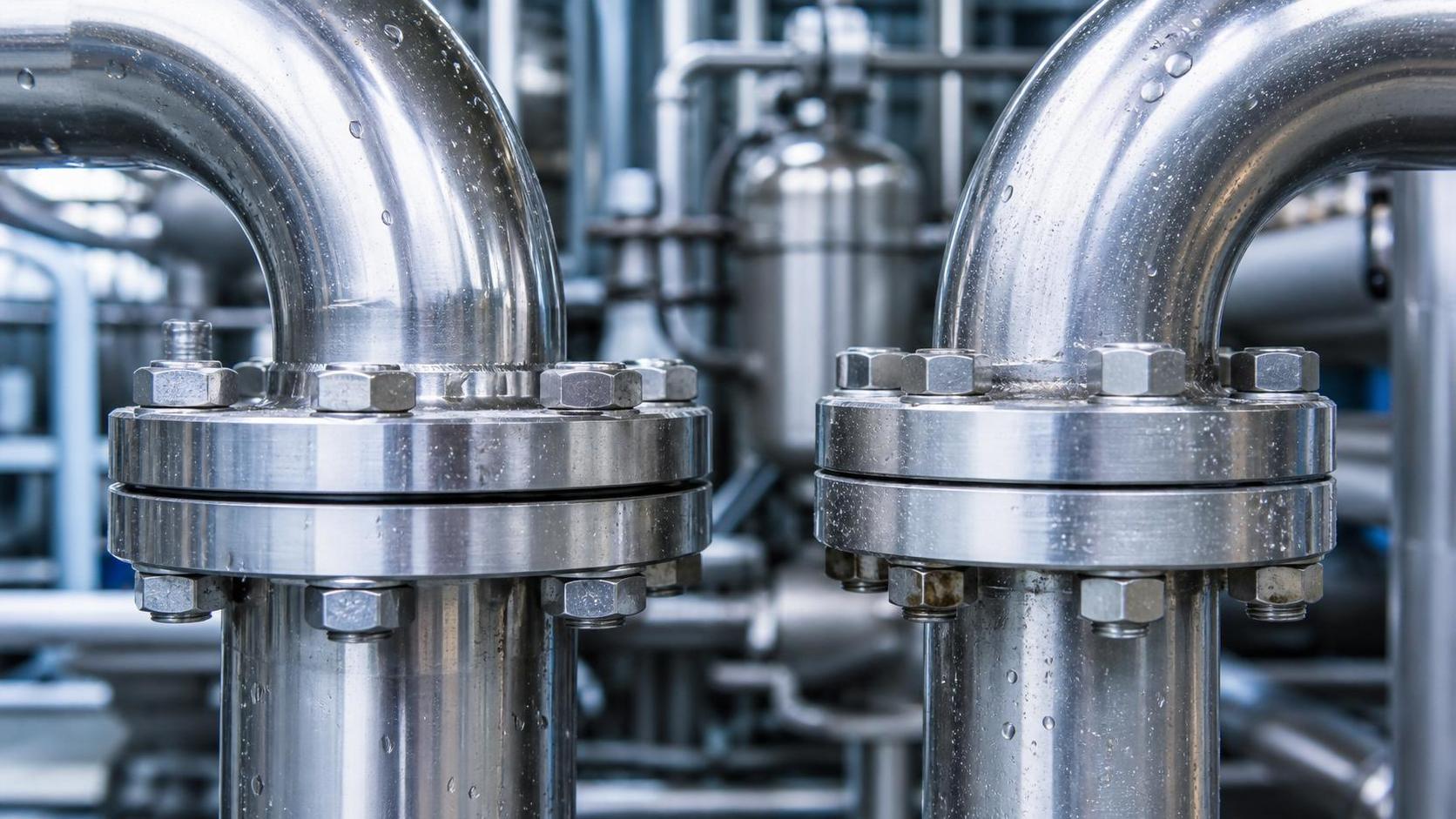
 Pipe Stainless Grades Explained: 304 vs 316 for Corrosion ResistancePipe stainless grades explained: compare 304 vs 316 for corrosion resistance, cost, and service life. Learn which stainless pipe grade fits marine, chemical, and water system applications.
Please give us a message


Please enter what you want to find