Why Metal Channel Compatibility Matters in Modern Framing Systems
Selecting the right metal channel for construction framing is critical for structural integrity, speed, and cost-efficiency—especially when integrating with light gauge steel framing systems or concrete anchors. As a trusted h shape steel exporter to Middle East and ISO-certified h girder manufacturer, Hongteng Fengda delivers precision-engineered solutions including z beam lightweight design for solar panel mounting, steel angle for welding applications, and steel girder quick installation profiles. Whether you need beam h for structural support, cost-effective steel girder solutions, or mild steel wire for fencing, our compliant, export-ready products meet ASTM, EN, JIS, and GB standards—backed by stable supply and global project experience.
In high-velocity construction environments—particularly across North America, Europe, and the Middle East—misaligned channel specifications can delay anchor embedment, compromise load transfer, and trigger costly rework. For example, a 3-inch C-channel with 1/8-inch web thickness may fail to accept standard wedge anchors rated for 5,000-lb tensile capacity in 4,000-psi concrete unless flange geometry and bolt-hole spacing match anchor expansion zones precisely.
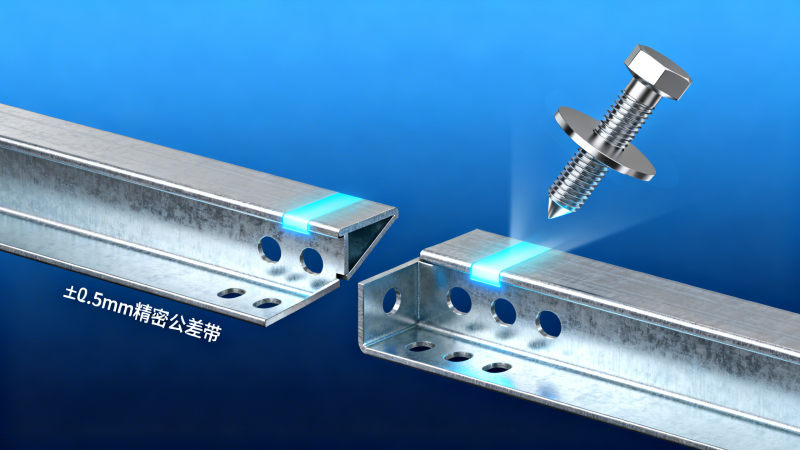
Hongteng Fengda’s cold-formed channel steel series undergoes dimensional validation against ANSI/AISC 360 and EN 1993-1-3 tolerances—ensuring ±0.5 mm width consistency and ±1.0 mm length repeatability across 3,000–12,000 mm production runs. This level of control directly supports just-in-time framing assembly and minimizes field adjustments.
Compatibility with Light Gauge Steel (LGS) Framing: Dimensional & Connection Logic
Light gauge steel framing relies on precise interlocking between channels, studs, and tracks. A mismatch in nominal depth (e.g., using 2.5” deep channel with 3.5” LGS studs) creates vertical misalignment that exceeds the 1.5 mm maximum allowable gap per AISI S240 Section D3.2. Hongteng Fengda offers dedicated LGS-compatible channel profiles—including 2.5”, 3”, and 4” depths—with pre-punched hole patterns spaced at 16” and 24” on-center to align with standard stud layouts.
Flange width is equally critical: too narrow (< 1.5”), and lateral bracing screws risk pull-through; too wide (> 2.25”), and adjacent wall panels cannot achieve flush joints. Our engineered channels maintain flange widths between 1.75”–2.0”, optimized for both self-drilling screw retention and drywall finish continuity.
Below is a comparison of common channel configurations used in hybrid LGS-concrete anchoring scenarios:
This table confirms that channel depth and thickness directly govern anchor selection—not just material grade. For projects requiring corrosion resistance in coastal or industrial zones, we recommend pairing our hot-dip galvanized channels (ASTM A123 coating ≥ 3.9 mils) with stainless fasteners—and where wet-service piping interfaces are involved, 304 Stainless steel pipe provides seamless compatibility due to its identical thermal expansion coefficient (17.2 µm/m·°C) with structural carbon steel.
Concrete Anchor Integration: Tolerance Mapping & Load Path Verification
Anchoring metal channels to concrete demands three-way verification: mechanical fit (anchor diameter vs. channel slot width), embedment depth (minimum 10× anchor diameter into base concrete), and load-path alignment (channel centroid within 15 mm of anchor axis). Failure in any one domain reduces effective capacity by up to 40%—per ACI 318-19 Appendix D calculations.
Hongteng Fengda’s channel steel includes optional factory-installed anchor sleeves—pre-welded into flanges at exact 300 mm and 600 mm intervals—to eliminate field drilling errors and reduce anchor installation time by 35%. These sleeves accept standard M12–M20 threaded rods and conform to EN 14399-4 pretensioned bolt tolerances.
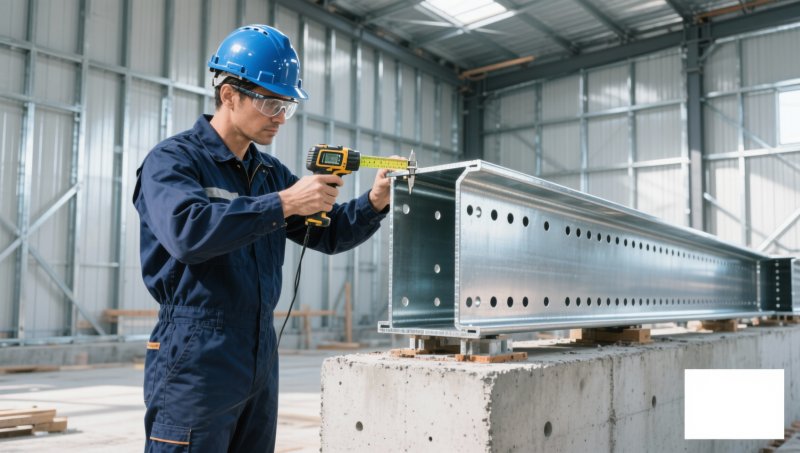
We also provide free engineering support for load-path modeling: customers share their anchor schedule (type, size, spacing, concrete strength), and our technical team delivers stamped sketches showing required channel thickness, minimum weld leg size (≥ 4 mm fillet), and recommended backing plate dimensions—all within 48 business hours.
Procurement Decision Matrix: 6 Key Selection Criteria
When sourcing metal channels for framing-integrated anchoring, procurement professionals must evaluate beyond price per ton. Here are six non-negotiable criteria backed by real-world project data from 28+ international clients:
- Dimensional Repeatability: ≤ ±0.6 mm width tolerance across full coil length (verified via laser micrometer sampling)
- Zinc Coating Uniformity: ≥ 275 g/m² per ASTM A653, with no bare spots in flange corners
- Anchor Slot Precision: Pre-punched holes within ±0.3 mm positional accuracy relative to centerline
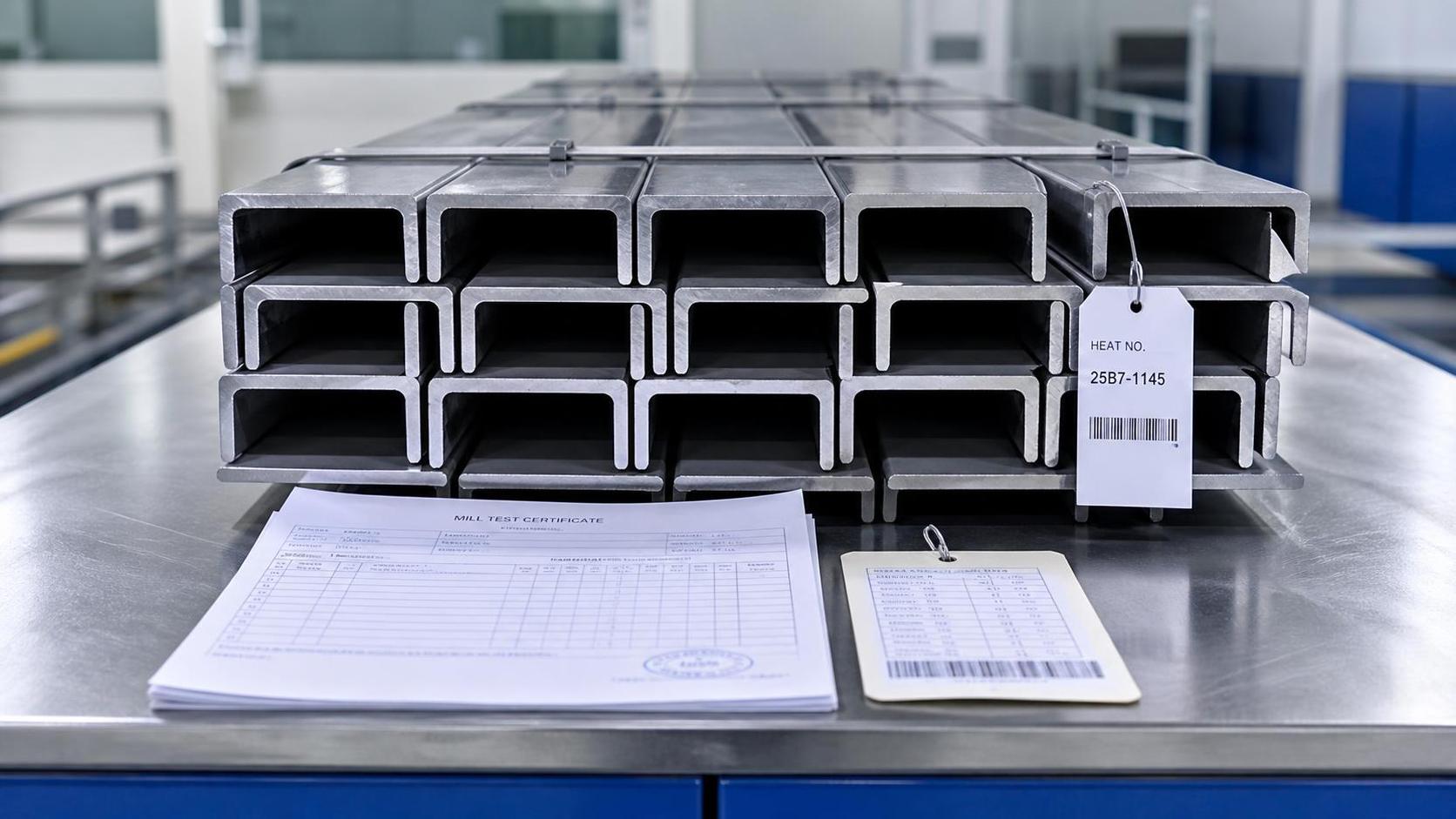
- Mill Test Reports (MTRs): Full traceability to heat number, chemical composition, and tensile yield (min. 345 MPa)
- Logistics Readiness: Standard 6 m lengths packed in seaworthy bundles (max. 2.5 tons/bundle) for direct site delivery
- Documentation Compliance: EN 10204 3.1 certification included with every shipment
For projects under tight deadlines, our standard lead time is 12–18 days from PO confirmation to FOB Shanghai port—shorter than industry average of 22–30 days—thanks to dual-shift production lines and pre-inspected raw material inventory.
FAQ: Critical Questions from Engineers & Procurement Teams
How do I verify if a channel profile meets ASTM A1003 Class 100 for LGS use?
Request mill test reports showing tensile strength ≥ 485 MPa, yield strength ≥ 345 MPa, and elongation ≥ 22% in 50 mm gauge length. Hongteng Fengda supplies full ASTM A1003 compliance documentation with every order—no exceptions.
What’s the minimum concrete strength required for reliable channel anchoring?
For standard wedge anchors, concrete compressive strength must be ≥ 25 MPa (3,600 psi) at time of installation. For post-installed adhesive anchors, ≥ 20 MPa is acceptable—but only with verified bond strength testing per ETAG 001 Annex C.
Can your channels be bent on-site without cracking?
Yes—our cold-formed channels feature controlled carbon equivalent (CEV ≤ 0.38%) and are certified for cold bending up to 90° around a 4×D mandrel (where D = channel depth) without flange splitting.
Partner With Confidence: Engineering Support, Global Delivery, Proven Reliability
Choosing the right metal channel isn’t just about dimensions—it’s about trust in specification adherence, consistency across batches, and responsive engineering collaboration. Hongteng Fengda serves over 140 active clients across 32 countries, delivering more than 120,000 metric tons of structural steel annually with a documented 99.4% on-time shipment rate since Q1 2022.
Whether you’re specifying channels for modular housing in Dubai, seismic-resistant schools in California, or prefabricated logistics hubs in Poland—we provide not just steel, but integrated framing intelligence. All products are manufactured in ISO 9001:2015-certified facilities, with third-party inspections available upon request.
Ready to optimize your next framing project? Contact our technical sales team today for a free compatibility review, custom cut-length quoting, or CAD detail support tailored to your anchor schedule and concrete conditions.
- metal channel
- channel steel
- h girder
- steel i
- z beam
- h shape steel
- beam h
- l angle
- mild steel wire
- steel pipe
- hot-dip galvanized
- structural steel
- Structural Steel
- 304 stainless steel pipe
- stainless steel pipe
- Profile
- Galvanized
- Steel Wire
- carbon steel
- steel girder
- steel angle
- h shape steel exporter to Middle East
- metal channel for construction framing
- beam h for structural support
- mild steel wire for fencing
- steel angle for welding applications
- z beam lightweight design
- steel girder quick installation
Related recommendations
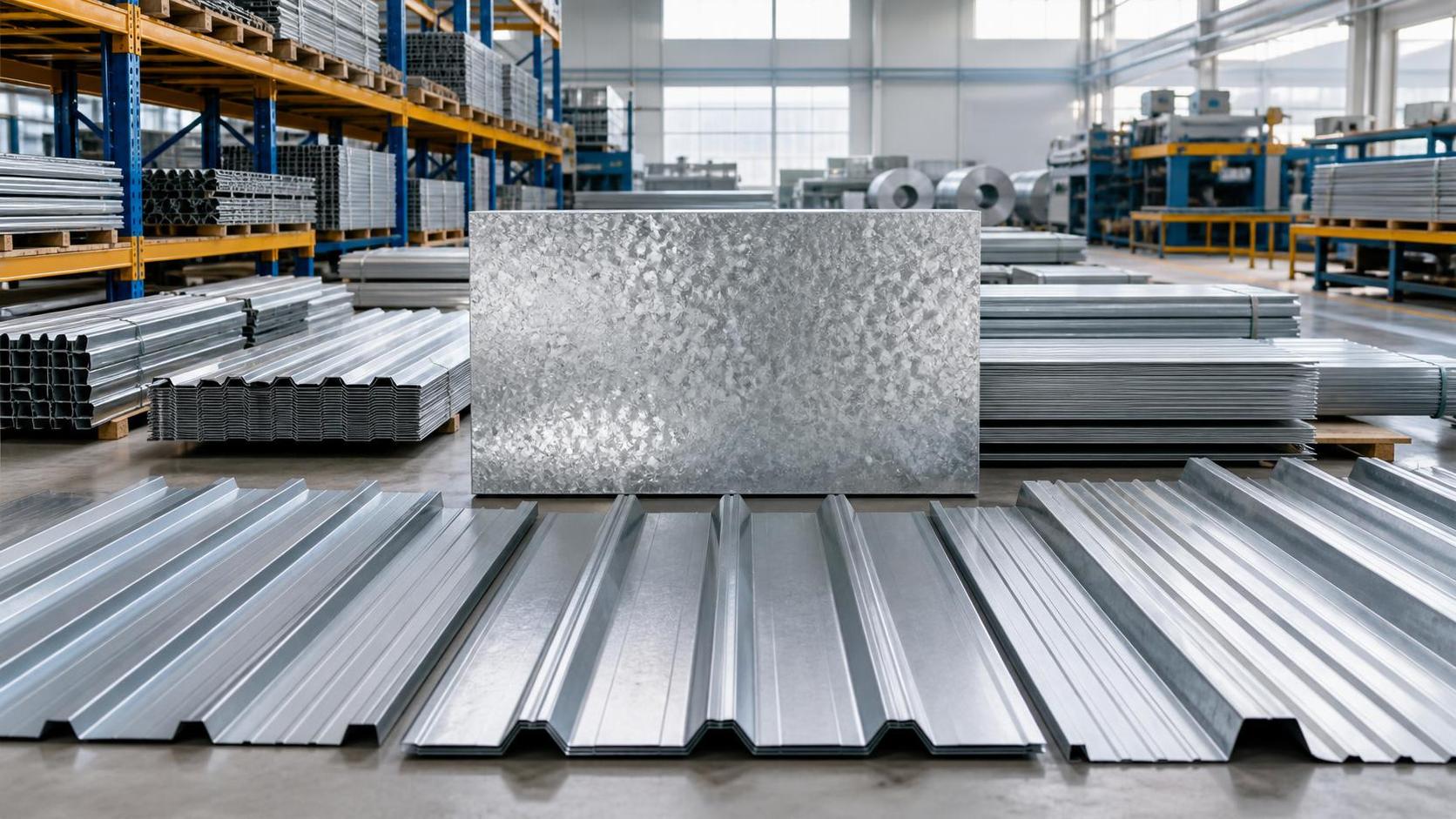
 How to Judge if Steel Sheet for Construction Fits Roofing or Wall CladdingSteel sheet for construction: learn how to judge thickness, coating, profile, and load performance for roofing or wall cladding, and choose a durable, cost-effective fit.
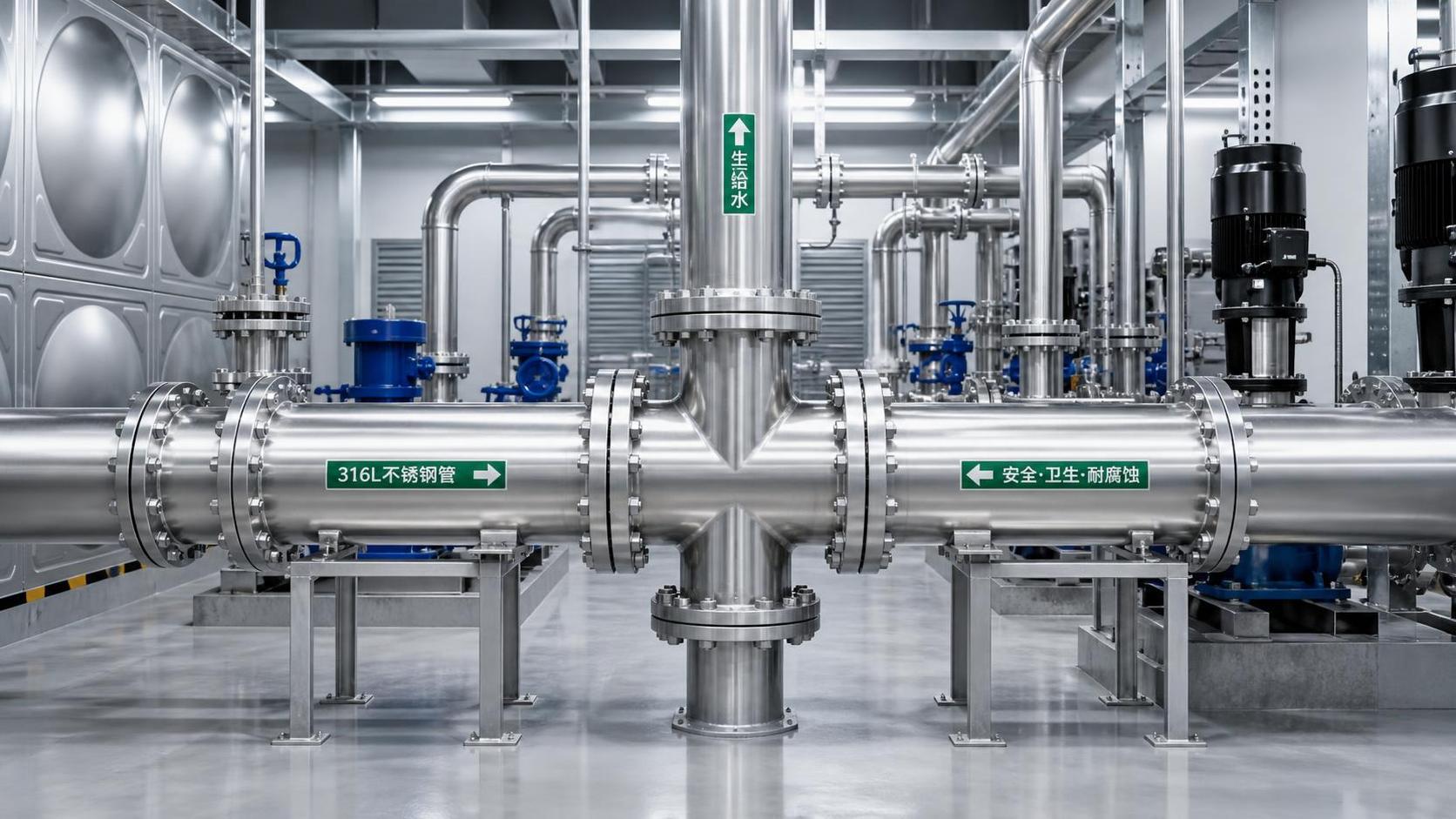
 How to Choose SS Pipe for Water Supply in Corrosion-Prone BuildingsSS pipe for water supply selection guide for corrosion-prone buildings. Compare 304 vs 316 grades, water chemistry, specs, and lifecycle cost to choose a safer, longer-lasting system.
 Steel Wire Rope Manufacturer Standards That Matter in Lifting ApplicationsSteel wire rope manufacturer standards for lifting: learn how to assess traceability, testing, compliance, and real quality control before choosing a safer, more reliable supplier.
 When a Steel Channel Supplier Should Provide Mill Test CertificatesSteel Channel supplier guide on when mill test certificates should be provided for quality control, compliance, and safer procurement.
Please give us a message


Please enter what you want to find