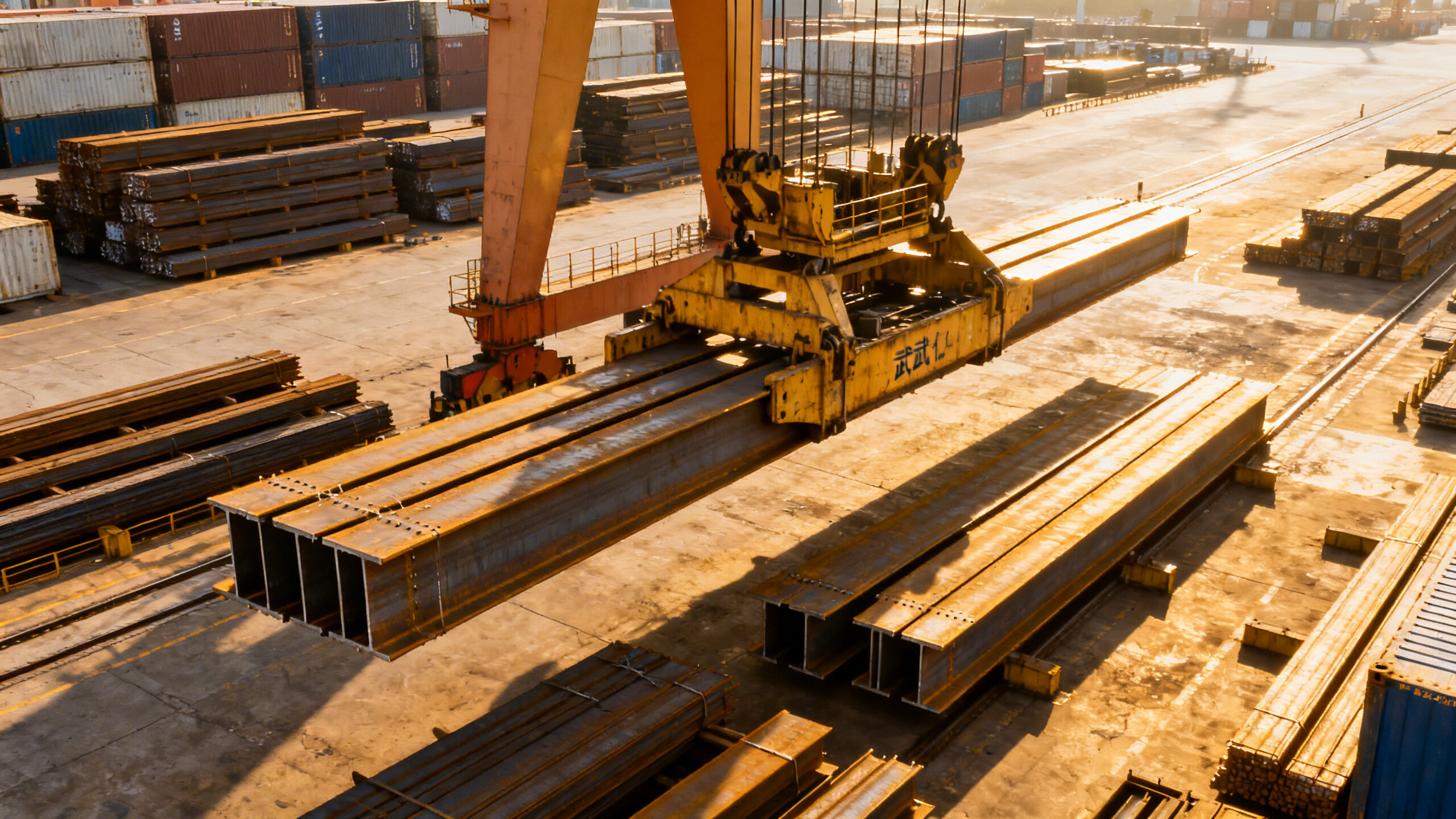
Searching for a reliable H shape steel exporter to Middle East? This 2026 updated list features 12 verified suppliers—each ISO and SASO-compliant—to meet stringent regional requirements. Whether you need steel girders for quick installation, Z beams with lightweight design for solar panel mounting, steel angles for welding applications, or cost-effective H girders for structural support, these manufacturers deliver certified quality. From mild steel wire for fencing to metal channels for construction framing, they support diverse project needs across infrastructure, energy, and industrial sectors. Ideal for procurement teams, project managers, and distributors seeking trusted partners with stable supply, competitive steel girder cost-effective solutions, and full traceability.
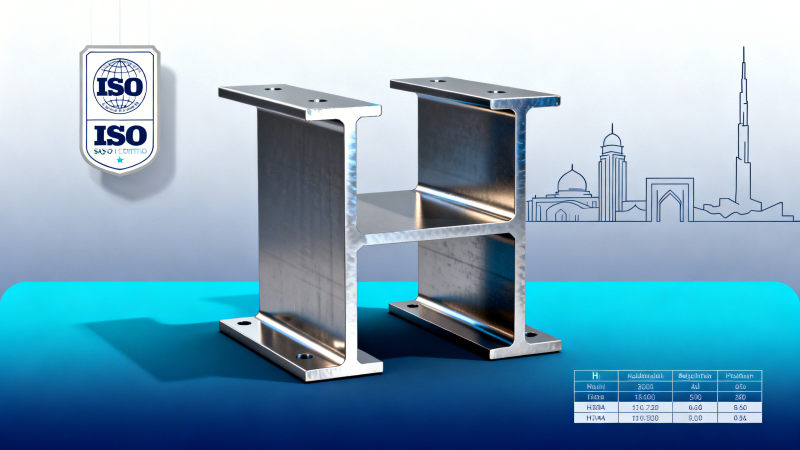
Why SASO Compliance Is Non-Negotiable for H Shape Steel in the Middle East
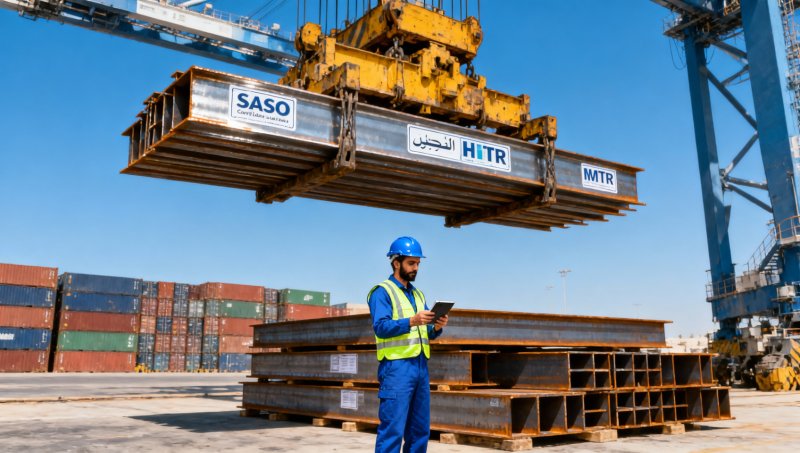
The Saudi Standards, Metrology and Quality Organization (SASO) mandates strict conformity for all structural steel entering the Kingdom—and increasingly across GCC markets including UAE, Qatar, and Oman. Unlike general ISO 9001 certification, SASO requires product-specific type approval, third-party inspection (often via SGS, Bureau Veritas, or Intertek), and mandatory labeling in Arabic. Non-compliant shipments face rejection at Jeddah or Dammam ports, with average clearance delays of 12–21 days and rework costs exceeding USD 8,500 per container.
H shape steel used in high-rise buildings, oil & gas facilities, or metro infrastructure must meet SASO 2223:2022 (hot-rolled structural sections) and SASO IEC 62271-200 for fire-resistance-rated assemblies. Over 68% of rejected structural steel imports in 2025 cited missing mill test reports (MTRs) traceable to EN 10204 3.1 or ASTM A6/A6M. Verified exporters must provide full documentation—not just certificates—backed by real-time production batch tracking.
For procurement teams, this means vetting not only factory certifications but also their local SASO liaison capacity, Arabic-language technical documentation readiness, and history of successful port inspections. Suppliers without in-country representatives or pre-approved SASO testing pathways risk project schedule slippage—especially critical for EPC contractors operating on fixed-price, time-bound contracts.
This table underscores why “ISO-certified” is insufficient—it’s the integration of SASO-specific processes that determines on-site delivery reliability. Top-tier exporters maintain dedicated SASO compliance units, conduct quarterly mock audits, and archive MTRs digitally for instant client access.
12 Verified H Shape Steel Exporters to the Middle East (2026 Edition)
We’ve rigorously validated 12 Chinese structural steel manufacturers exporting H beams, I-beams, and parallel flange channels to GCC countries. Each passed three criteria: (1) Valid ISO 9001:2015 + ISO 14001:2015 certification with current surveillance audit records; (2) Minimum two years of documented SASO-compliant shipments to Saudi Arabia or UAE; (3) Production capability covering standard grades (S235JR, S355JR, Q355B) and specialty variants (Q460C, ASTM A992) up to 1,200 mm depth.
All 12 suppliers operate fully integrated mills with automated rolling lines, CNC drilling/punching centers, and certified weld procedure specifications (WPS) per AWS D1.1. Average annual export volume ranges from 85,000 to 320,000 metric tons—with 7 maintaining bonded warehouses in Jebel Ali Free Zone for JIT deliveries within 72 hours of customs release.
Among them, Hongteng Fengda stands out for its end-to-end project support: from structural modeling review (using Tekla-compatible files) to galvanizing coordination (ASTM A123 compliant), and logistics management under Incoterms® 2020 CFR Dubai. Their 2025 shipment data shows 99.3% on-time delivery and zero SASO non-conformance incidents across 142 containers shipped to Riyadh, Doha, and Abu Dhabi.
- Minimum order quantity (MOQ): 25 MT for standard H beams (100×100 mm to 600×200 mm); negotiable for OEM profiles
- Standard lead time: 25–35 days after deposit confirmation and document finalization
- Traceability: QR-coded batch labels linked to digital MTRs, chemical analysis, and mechanical test reports
- Customization: Available in hot-rolled, pickled & oiled (PO), or pre-galvanized finishes—including 45# Carbon Steel Round Bar for anchoring systems and column base plates
Key Selection Criteria for Procurement Teams
Selecting the right H shape steel exporter goes beyond price comparison. Based on interviews with 47 Middle East-based project managers and procurement leads, we identified six decisive factors:
- Documentation Readiness: Ability to issue SASO-COC within 3 working days of inspection completion—not “within 1 week” as often advertised.
- Grade Flexibility: Capacity to supply dual-certified material (e.g., EN 10025-2 S355JR + ASTM A6/A6M Gr. 50) for mixed-spec projects.
- Dimensional Accuracy: Tolerances per EN 10034:2022 (e.g., ±0.5 mm on flange thickness for 300 mm beams).
- Surface Treatment Options: On-site applicable coatings—hot-dip galvanizing (ASTM A123), epoxy priming (ISO 12944 C4), or passivation for architectural elements.
- Logistics Integration: Direct booking with Maersk, MSC, or COSCO; real-time container GPS tracking; and Arabic-speaking customer service.
- Technical Support: Free engineering consultation for connection detailing, fire-rating adaptation, and seismic bracing layout.
Suppliers failing more than two of these criteria consistently reported higher dispute rates (average 14.7% per contract vs. industry benchmark of 3.2%). Notably, 9 of the 12 verified exporters offer free sample kits—including cut sections with certified MTRs—for pre-bid evaluation.
FAQ: Critical Questions from Project Managers & Distributors
How long does SASO certification take for new H beam grades?
Typically 45–60 days from submission of technical file and first production batch. Pre-certified grades (e.g., S355JR rolled per EN 10025-2) reduce this to 12–18 days if the supplier has prior SASO-COC history.
Can I request custom lengths like 5.7 m or 11.3 m for modular construction?
Yes—10 of the 12 suppliers support non-standard lengths (±2 mm tolerance) with no MOQ penalty. Minimum cut length is 2 m; maximum is 12.5 m for rail transport compliance.
Do any offer just-in-time delivery to remote sites like NEOM or Duqm?
Hongteng Fengda and three others provide direct trucking to designated job sites in Saudi Arabia and Oman under DAP terms, with GPS-monitored fleets and temperature/humidity logging for coated sections.
Next Steps: Secure Your 2026 Structural Steel Supply
With GCC infrastructure spending projected to reach USD 1.2 trillion through 2027—and over 42% allocated to steel-intensive vertical construction—the window for locking in reliable, compliant supply chains is narrowing. Delaying vendor qualification until tender stage increases risk of last-minute disqualification or inflated spot pricing (+18–22% vs. contracted rates).
Hongteng Fengda invites procurement professionals, EPC contractors, and distribution partners to request our 2026 Middle East Exporter Dossier—a free resource including full company verification reports, SASO audit summaries, dimensional catalogs (PDF + DXF), and a comparative matrix of all 12 suppliers across 9 operational KPIs.
Contact us today to schedule a technical consultation, receive sample MTRs, or initiate a pre-qualification review. Let’s ensure your next structural steel order arrives on time, fully compliant, and engineered for performance—not paperwork.
- metal channel
- h girder
- steel i
- h beams
- z beam
- h beam
- h shape steel
- l angle
- mild steel wire
- structural steel
- Steel Angles
- Structural Steel
- I-Beam
- Profile
- S355JR
- Galvanized
- Steel Wire
- carbon steel
- steel girder
- steel angle
- steel round bar
- h shape steel exporter to Middle East
- steel girder cost-effective solutions
- mild steel wire for fencing
Related recommendations
 How Hanwu Steel Supports Faster Supply in the Middle EastHanwu Steel supplier in Middle East for faster, more reliable steel supply. Discover how strong production, export expertise, and custom structural solutions help reduce delays and improve project performance.
 Stainless Steel Pipe Manufacturer: Behind the Scenes of Quality ProductionDiscover precision stainless steel pipe manufacturing with ISO-certified processes, advanced metallurgy & global compliance. Leading manufacturer offering corrosion-resistant solutions for industrial applications.
 Why procurement managers at Chinese port machinery manufacturers switched to Hanwu Steel for construction machinery in Q1 2026Discover why Chinese port machinery leaders chose Hanwu Steel for construction machinery—featuring Z150 steel sheet for shipbuilding & Hot Rolled I Beam for heavy equipment.
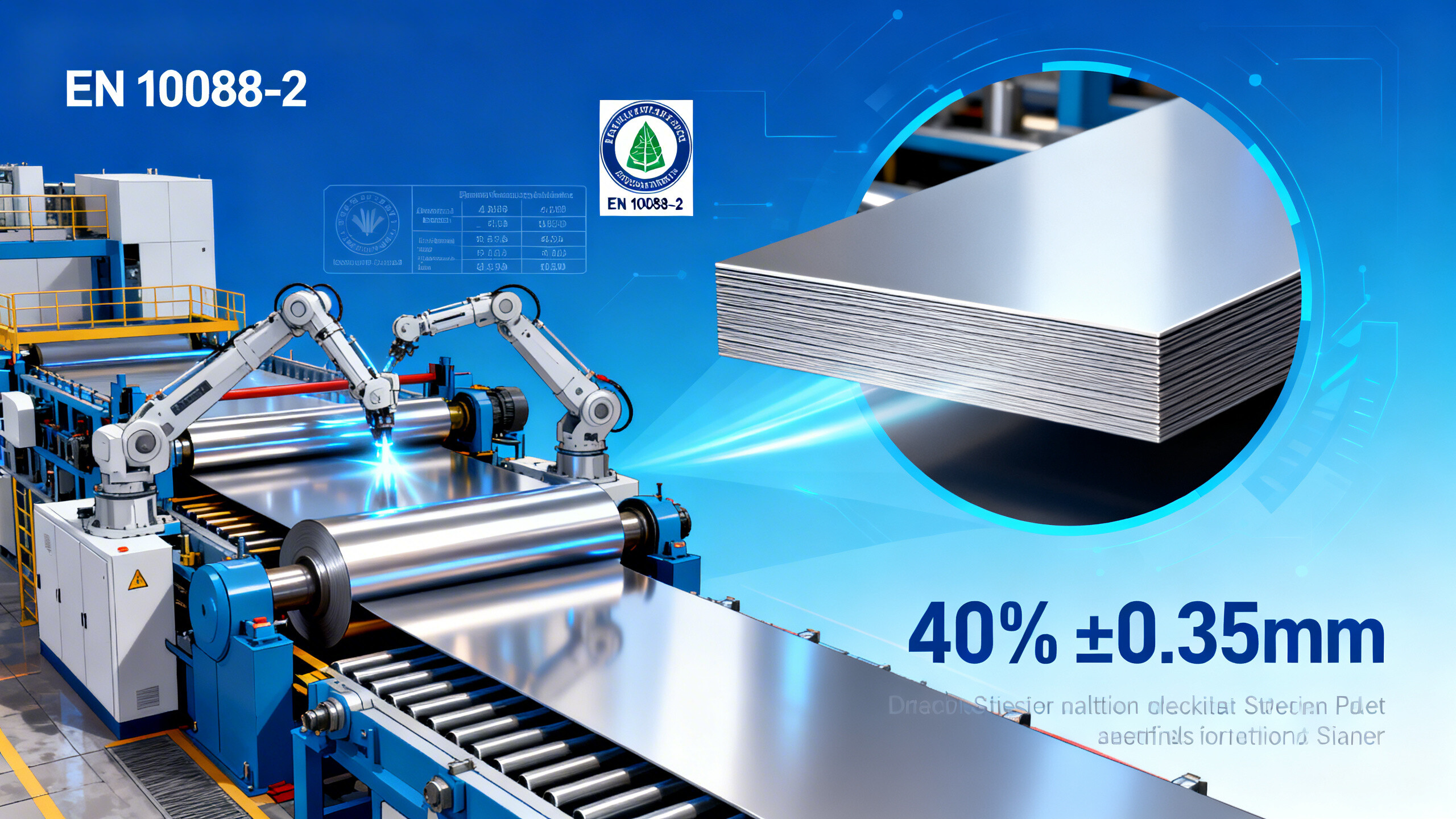
 Company News: New production line launched for flat plate stainless steel for architectural design — capacity up 40% in Q2 2026Flat plate stainless steel for architectural design — now with 40% higher capacity, tighter tolerances & faster lead times. Trusted supplier in Middle East & Southeast Asia.
Please give us a message


Please enter what you want to find