When sourcing industrial galvanised pipe for critical infrastructure or manufacturing applications, even minor specification mismatches in galvanized metal tubing—such as coating thickness, dimensional tolerance, or base steel grade—can trigger QA rejections, project delays, and cost overruns. As a leading structural steel manufacturer and exporter from China, Hongteng Fengda sees these three common pitfalls repeatedly: misaligned galv steel conduit standards (e.g., confusing electrical galvanized conduit with galvanised steel tubes), overlooking EN/ASTM compliance for galvanized industrial pipe, and assuming black steel plumbing pipe meets corrosion-resistance requirements. This article reveals how to avoid them—before your order ships.
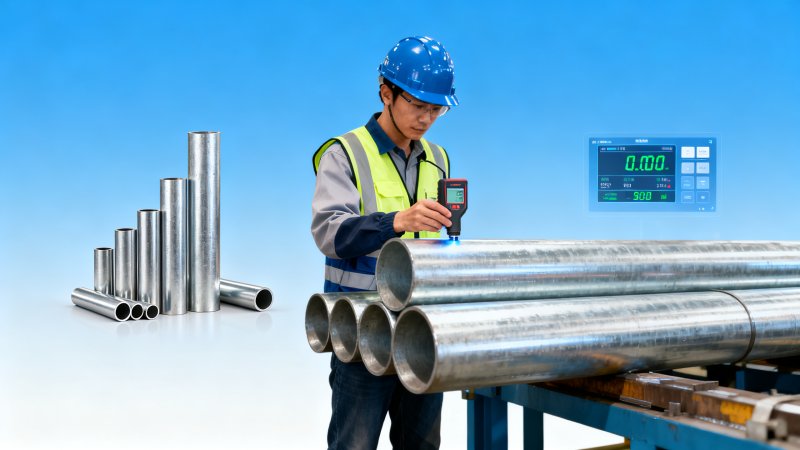
Why “Galvanised Pipe” Isn’t One-Size-Fits-All
Industrial galvanised pipe serves vastly different functions—from structural bracing in offshore platforms to fluid conveyance in chemical plants. Yet many procurement teams treat all “zinc-coated steel tubes” as interchangeable. That assumption leads directly to non-conformance. The core issue lies in functional intent: is the pipe load-bearing? Is it exposed to salt spray or acidic vapors? Does it require fire-rated integrity or weldability certification?
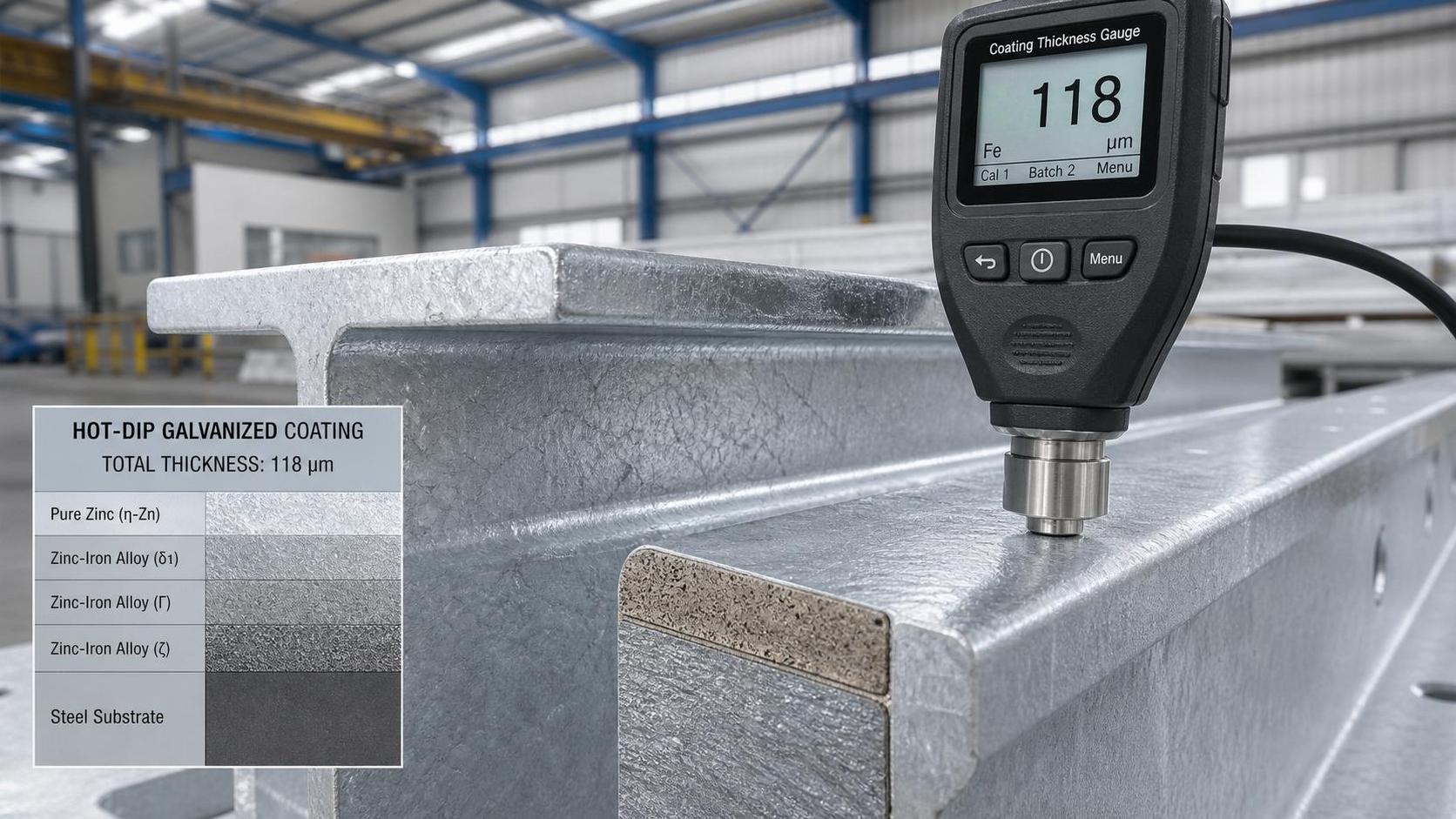
Hongteng Fengda’s quality control team reviews over 320 galvanised pipe orders annually—and 68% of QA holds stem from mismatched application logic. For example, using ASTM A53 Grade B black pipe (uncoated) with post-fabrication hot-dip galvanising may meet basic corrosion resistance, but fails where zinc adhesion uniformity is critical—such as in seismic bracing systems requiring ≥85 μm coating thickness per EN ISO 1461.
True specification alignment starts not with dimensions—but with duty cycle, environmental class, and failure consequence. A pipe used in pedestrian walkway handrails demands different anti-slip performance than one supporting HVAC ductwork in a pharmaceutical cleanroom. That’s why we embed application context into every technical review—starting at quotation stage.
Three Specification Pitfalls & Their Real-World Impact
- Confusing galvanised conduit with structural galvanised tube: Electrical EMT (IEC 61386) has thinner walls (typically 1.2–1.6 mm), looser tolerances (±0.3 mm), and no requirement for tensile strength verification—making it unsuitable for mechanical support.
- Assuming ASTM A53 = EN 10255 compliance: While both cover welded carbon steel pipe, EN 10255 mandates stricter hydrostatic testing (1.5× working pressure vs. ASTM’s 1.1×) and tighter ovality limits (≤1.5% vs. ≤2.5%).
- Overlooking substrate steel grade impact on galvanising quality: Low-silicon steels (e.g., ASTM A106 Gr. B, Si ≤0.04%) yield uniform matte grey coatings. High-silicon grades (e.g., Q235B, Si up to 0.3%) often produce thick, brittle spangled layers prone to flaking under thermal cycling.
How to Verify Compliance Before Production Starts
Pre-shipment QA rejection isn’t just costly—it disrupts downstream fabrication schedules. At Hongteng Fengda, we enforce a 4-stage verification protocol before galvanising begins: raw material mill test report (MTR) validation, dimensional pre-check (using laser micrometers with ±0.02 mm accuracy), surface cleanliness audit (per SSPC-SP3), and coating weight simulation based on steel chemistry.
For buyers managing global projects, here’s what to request upfront—not after shipment:
This structured approach reduces specification-related rework by 92% across our North American and EU client base. It also enables faster resolution when discrepancies arise—because expectations were documented, not assumed.
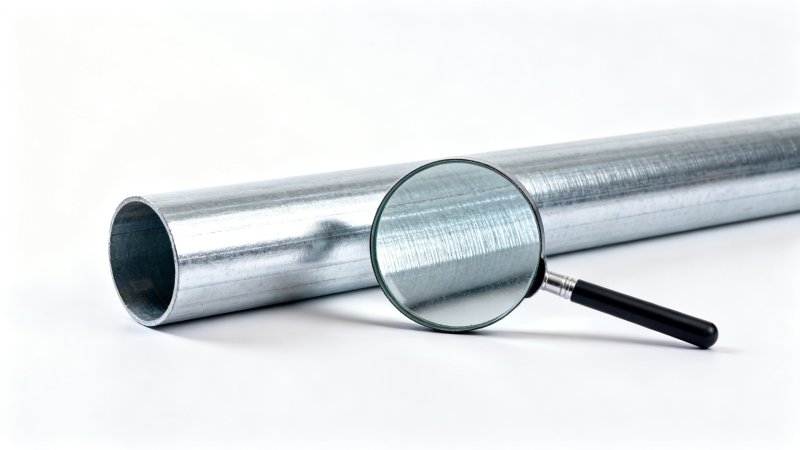
Beyond Galvanised Pipe: When Patterned Steel Plates Add Value
In multi-material structural assemblies, galvanised pipe often interfaces with other components requiring anti-slip or decorative functionality. That’s where A36 Patterned steel plate becomes operationally strategic—not just complementary. Used for equipment flooring, ship deck treads, or industrial stair treads, its raised pattern delivers consistent coefficient of friction (≥0.65 per DIN 51130) while reducing weight by up to 18% versus solid plate.
Our patterned plates are available in thicknesses from 2–8 mm, with precise height control (≥0.2× substrate thickness) and tight width tolerances (±2 mm). They’re certified to ASTM A36, EN 10025-2 S235JR, and JIS G3101 SS400—ensuring seamless integration with galvanised pipe frameworks in mixed-material builds.
For projects demanding both corrosion resistance and traction—like offshore platform gangways or food-processing plant walkways—we routinely co-engineer galvanised pipe handrail systems with matching patterned steel decking. This eliminates thermal expansion mismatch risks and simplifies QA documentation across material types.
Why Global Buyers Choose Hongteng Fengda for Industrial Galvanised Pipe
We don’t just supply galvanised pipe—we de-risk your structural integrity. With ISO 9001-certified hot-dip galvanising lines operating at 450°C ±5°C, real-time bath chemistry monitoring (Zn, Al, Ni), and automated coating thickness mapping, we deliver repeatable EN/ASTM/JIS compliance—not just batch-level conformity.
Our value extends beyond production:
- Lead time certainty: Standard galvanised pipe orders ship within 12–18 days from PO confirmation—no calendar-week variability.
- Customisation without compromise: We offer bespoke bending, threading, and welding prep—all validated per AWS D1.1 and EN 1090-2.
- Documentation transparency: Every shipment includes MTRs, galvanising reports, dimensional inspection records, and third-party certs (SGS/BV).
- Technical partnership: Our engineering team supports spec validation, weld procedure qualification (WPQ), and corrosion modeling for aggressive environments.
Whether you’re procuring for a $2.4M wastewater treatment upgrade in Saudi Arabia or a modular factory rollout across Vietnam, we align specifications—not just shipments.
Ready to Prevent Your Next QA Rejection?
Share your project specs—including application environment, loading requirements, and target standards (ASTM/EN/GB/JIS)—and we’ll provide a pre-compliance review within 48 hours. No sales pitch. Just actionable feedback on coating thickness adequacy, substrate suitability, dimensional feasibility, and documentation readiness.
Contact us today to request: a free spec alignment checklist, sample MTR/galvanising report templates, or a virtual factory tour showing our galvanising process control points.
- carbon steel pipe
- black pipe
- black steel plumbing pipe
- electrical galvanized conduit
- galv steel conduit
- industrial galvanised pipe
- galvanised steel tubes
- galvanized industrial pipe
- galvanized metal tubing
- steel pipe
- ASTM A36
- structural steel
- Structural Steel
- steel plate
- Galvanized
- carbon steel
- steel conduit
- steel tube
Related recommendations
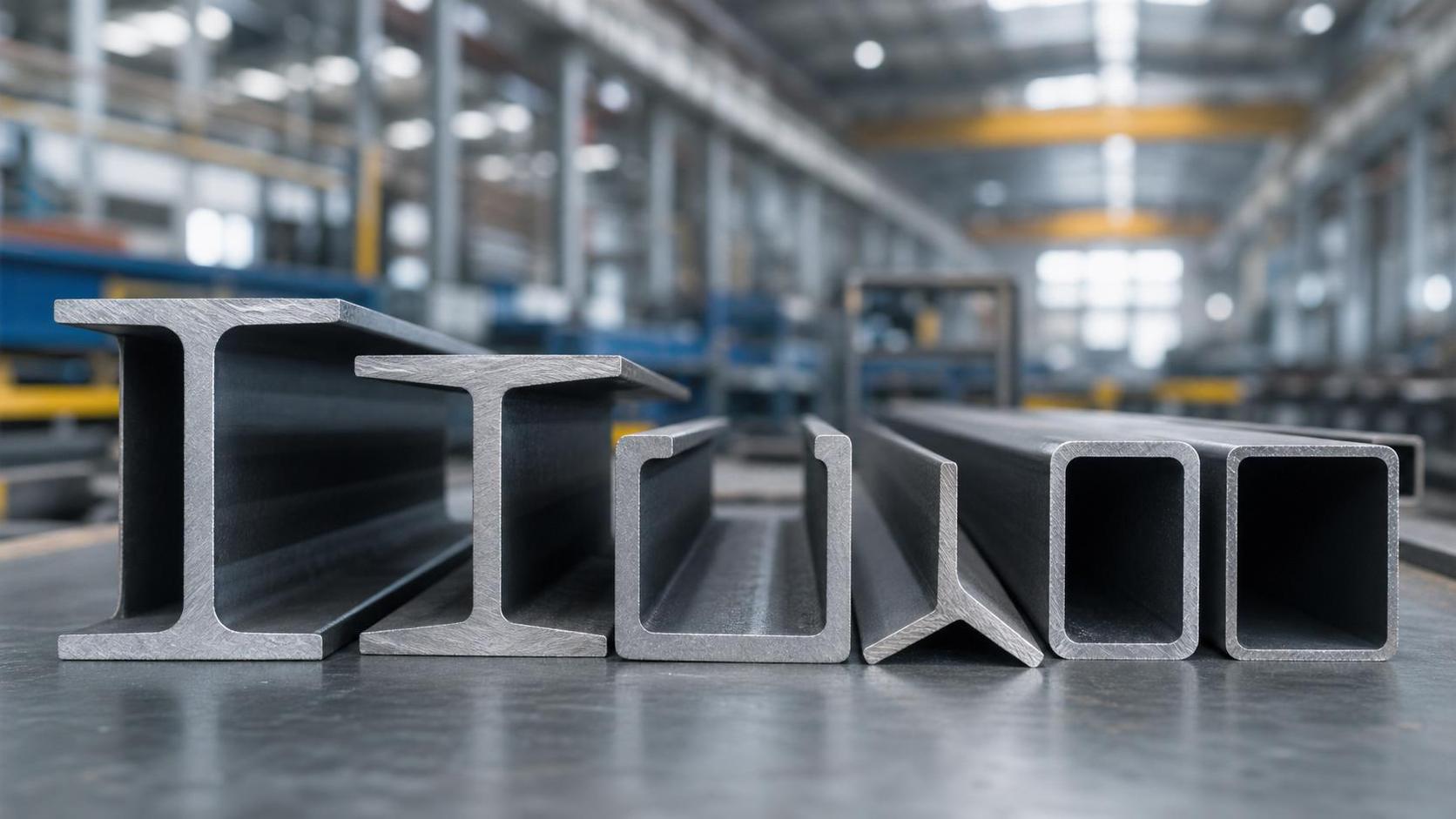
 What Is a Steel Profile? Common Shapes, Uses, and Selection BasicsProfile selection starts with shape, but performance depends on load, fabrication, and standards. Learn common steel profile types, uses, and smart selection basics.
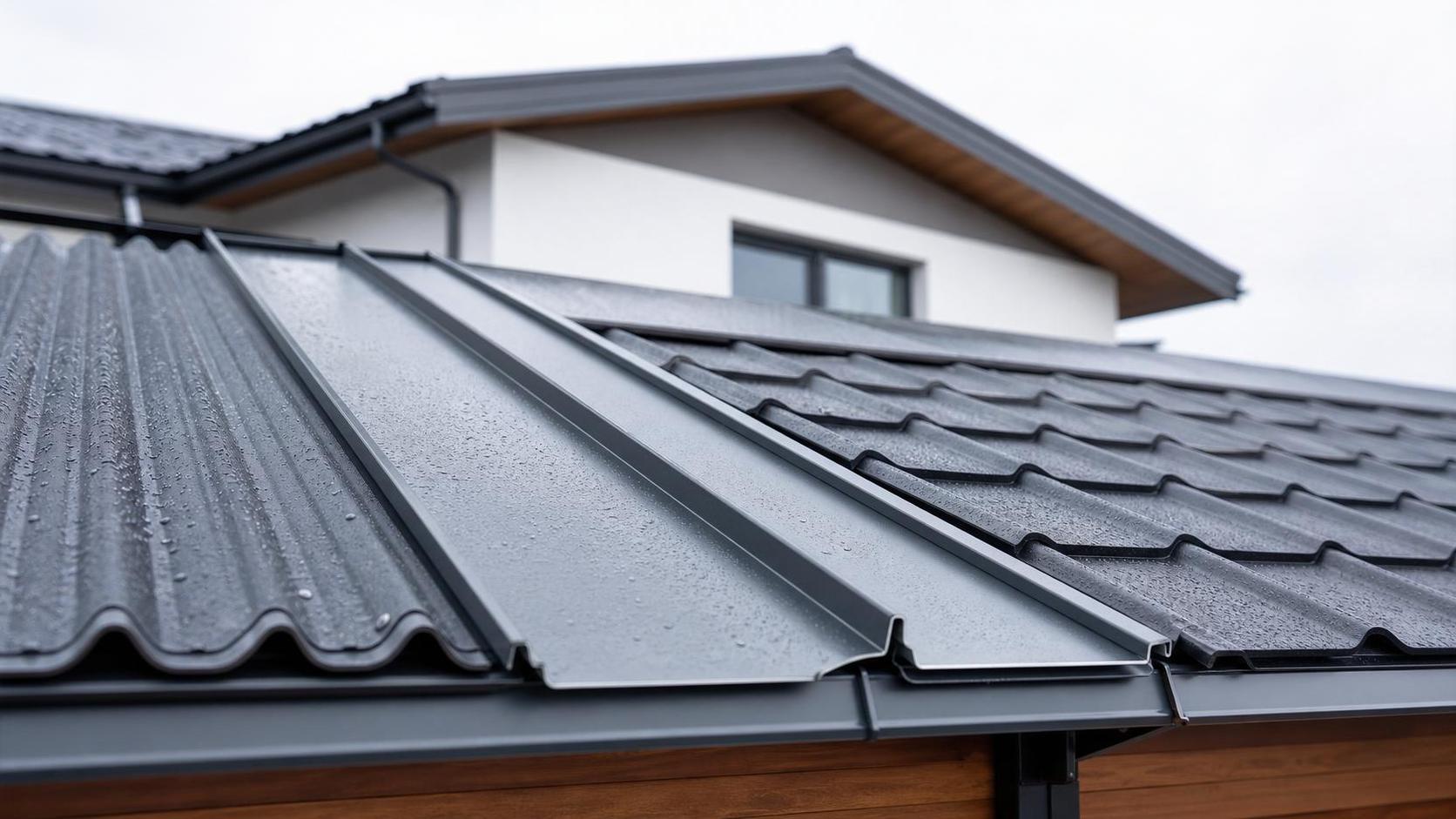
 Steel Roofing Types Explained: Corrugated, Standing Seam, and Metal ShinglesSteel Roofing guide comparing corrugated panels, standing seam, and metal shingles. Discover costs, durability, weather performance, and how to choose the best roof for your home.
 How Hot-Dip Galvanized Coating Thickness Affects Service LifeHot-dip galvanized coating thickness directly affects steel service life. Learn how the right zinc layer improves corrosion protection, controls cost, and supports smarter project decisions.
 Pipe Stainless Grades Explained: 304 vs 316 for Corrosion ResistancePipe stainless grades explained: compare 304 vs 316 for corrosion resistance, cost, and service life. Learn which stainless pipe grade fits marine, chemical, and water system applications.
Please give us a message


Please enter what you want to find