Selecting the right I beam weight specifications for industrial use is critical for structural integrity, cost efficiency, and regulatory compliance—especially in high-rise buildings, bridge construction, warehouse projects, and steel fabrication. This guide delivers ISO 630 & EN 10034-compliant I beam weight data, including I beam weight per foot, weight of I beam for bridge construction, I beam weight load capacity chart, and I beam weight comparison chart. Whether you’re a project manager evaluating load-bearing performance, a procurement specialist comparing suppliers, or a safety officer verifying compliance, our authoritative I beam weight calculator for steel structures and I beam weight chart for construction ensures confident, standards-aligned decisions.
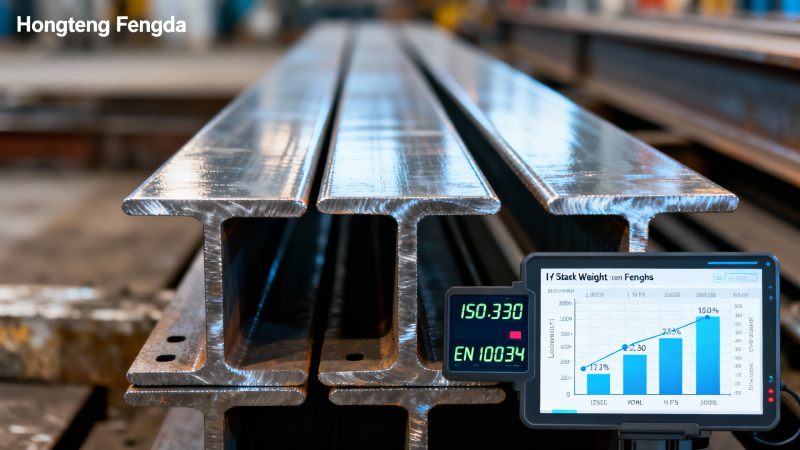
Understanding ISO 630 & EN 10034: The Foundation of Reliable I Beam Weight Specifications for Industrial Use
ISO 630 and EN 10034 define the dimensional tolerances, mass per unit length, and geometric properties of hot-rolled I-sections used across global infrastructure. While ISO 630 (Steel for general structural purposes — Hot-rolled products) focuses on universal dimensional consistency and mechanical property benchmarks, EN 10034 specifically governs the classification, designation, and verification methods for structural steel beams—including flange width, web thickness, root radius, and moment of inertia. Compliance with both standards ensures that an I beam’s weight per foot aligns precisely with its load-bearing capability, minimizing margin-of-error during design validation and field installation.
For example, under EN 10034, a HEA 200 beam must maintain a nominal mass of 53.3 kg/m ±2.5%, with flange thickness tolerance capped at ±0.5 mm. Deviations beyond these limits directly impact the weight of I beam for warehouse construction—where repetitive bay spacing demands strict uniformity—or the weight of I beam for high-rise buildings, where cumulative axial loads require predictable section modulus. At Hongteng Fengda, every batch undergoes third-party dimensional inspection and certified mass verification before export, ensuring full traceability to ISO 630 Class B and EN 10034 Grade S355J2H.
This dual-standard alignment also supports interoperability with international design software. When engineers input parameters into an I beam weight calculator for steel structures, accurate base data from compliant profiles prevents cascading errors in deflection modeling or buckling analysis—particularly vital for bridge construction where dynamic live loads compound static dead weight considerations.
I Beam Weight Comparison Chart: Matching Profiles to Application Demands
Not all I beams serve identical functions—even within the same nominal depth. A comparative analysis reveals how subtle variations in flange-to-web ratio, taper angle, and material grade affect real-world performance metrics. Below is an I beam weight comparison chart covering three widely deployed series: IPE (European standard), HE (Heavy European), and WB (Wide-Flange, ASTM-influenced). All values reflect EN 10034-compliant hot-rolled sections manufactured to S355 yield strength.
Note that while HE and WB profiles may share similar mass per meter, their moment of inertia (Iy) differs significantly—HEB 400 offers 38,900 cm⁴ versus WB 610×125’s 43,200 cm⁴—making the latter more suitable for long-span bridge construction where lateral torsional buckling resistance is paramount. This distinction underscores why relying solely on an I beam weight chart for construction without cross-referencing second moment of area can compromise structural resilience.
From Theory to Practice: How I Beam Weight Per Foot Impacts Steel Fabrication Efficiency
In steel fabrication shops, the I beam weight per foot isn’t just a number—it’s a logistical variable influencing crane scheduling, welding sequence planning, and even shop-floor layout. A 12-meter-long HEA 300 beam weighing 49.1 kg/m totals nearly 590 kg; misjudging this by ±5% could overload lifting gear or delay assembly due to rework. That’s why Hongteng Fengda provides mill-certified mass documentation alongside each shipment, enabling fabricators to pre-calculate rigging points and optimize joint preparation time.
Moreover, consistent weight distribution enables CNC plasma cutting systems to maintain optimal feed rates and kerf compensation. Irregularities in web thickness—common in non-EN 10034 materials—cause inconsistent heat absorption during thermal processing, increasing distortion risk. Our production line employs laser-guided thickness monitoring at 150 mm intervals across every rolling pass, guaranteeing adherence to EN 10034’s ±0.8 mm web tolerance for HE-series beams. This precision directly supports reliable I beam weight load capacity chart integration into BIM workflows used by forward-thinking contractors across Southeast Asia and the Middle East.
For OEM partners requiring custom geometries, we extend the same metrological rigor to bespoke sections—such as tapered I-beams for architectural façades or asymmetric profiles for modular power station equipment housings. These solutions often integrate seamlessly with Tube Carbon Steel components, leveraging shared S355-grade metallurgy for unified weldability and fatigue resistance.
Beyond Mass: Why Material Grade Dictates Real-World Load Capacity
An I beam weight specifications for industrial use must never be evaluated in isolation from its mechanical envelope. Take S355J2H—a grade widely specified in EN 10025-2 and fully compatible with EN 10034’s dimensional framework. Its minimum yield strength of 355 MPa, combined with guaranteed impact toughness down to –20°C, allows designers to safely reduce member size without sacrificing ultimate capacity. This translates directly to lower overall weight of I beam for warehouse construction—up to 12% lighter than equivalent S235 sections—while maintaining identical serviceability limits.
Such optimization is especially valuable in seismic zones or offshore environments, where cyclic loading demands superior plasticity and low cold brittle critical transition temperature. Our S355J2H I beams are routinely paired with Tube Carbon Steel in lifting and transportation machinery applications, where joint integrity under repeated stress cycles is non-negotiable.
To assist engineering teams, we offer downloadable Excel-based tools: an I beam weight calculator for steel structures that cross-references EN 10034 dimensions with S355J2H tensile curves, plus an interactive I beam weight chart for construction featuring live filtering by application type—bridge, high-rise, warehouse, or fabrication shop.
Trusted Global Supply: Consistency You Can Specify With Confidence
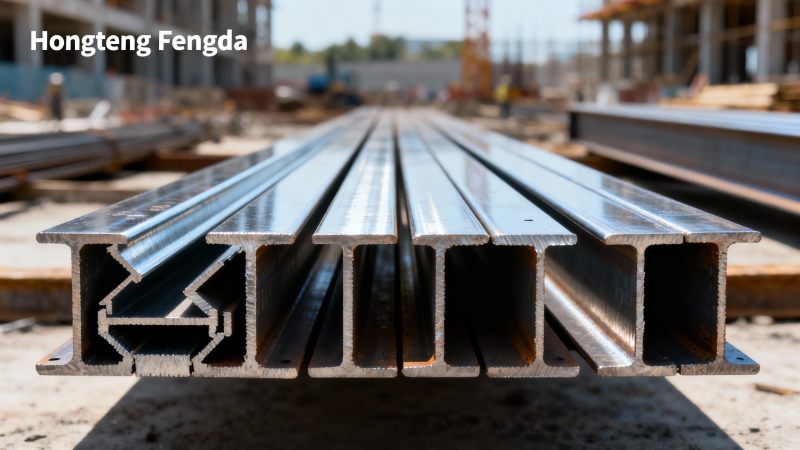
Hongteng Fengda has delivered over 280,000 metric tons of EN 10034-compliant I beams since 2016—to clients spanning 37 countries. Each order includes full EN 10204 3.1 certification, dimensional reports signed by TÜV Rheinland-accredited inspectors, and optional ultrasonic testing for critical infrastructure projects. Our stable production capacity ensures lead times remain predictable even during peak demand periods, reducing sourcing risks for procurement specialists managing multi-year contracts.
Whether you need standard HEA/HEB/HEM sections or customized variants for unique load paths, our technical team collaborates early in the design phase—providing not just weight of I beam for bridge construction data, but full section property packages including warping constant, shear center coordinates, and torsional stiffness. This holistic support empowers project managers, safety officers, and quality control personnel to verify compliance at every stage—from tender submission through final handover.
Ready to specify ISO 630 & EN 10034-compliant I beams backed by verified mass accuracy, material traceability, and responsive engineering collaboration? Contact Hongteng Fengda today to request your free I beam weight load capacity chart, access our online I beam weight calculator for steel structures, or schedule a technical consultation with our structural steel specialists.
- steel i
- tube carbon steel
- structural steel
- steel beams
- structural steel beams
- Structural Steel
- I-Beam
- Structural Steel Beams
- Steel Beams
- Profile
- Steel Beam
- carbon steel
- weight of i beam
- i beam weight
- i beam weight chart for construction
- i beam weight calculator for steel structures
- i beam weight specifications for industrial use
- weight of i beam for warehouse construction
- i beam weight comparison chart
- weight of i beam for bridge construction
- weight of i beam for high-rise buildings
- i beam weight load capacity chart
Related recommendations
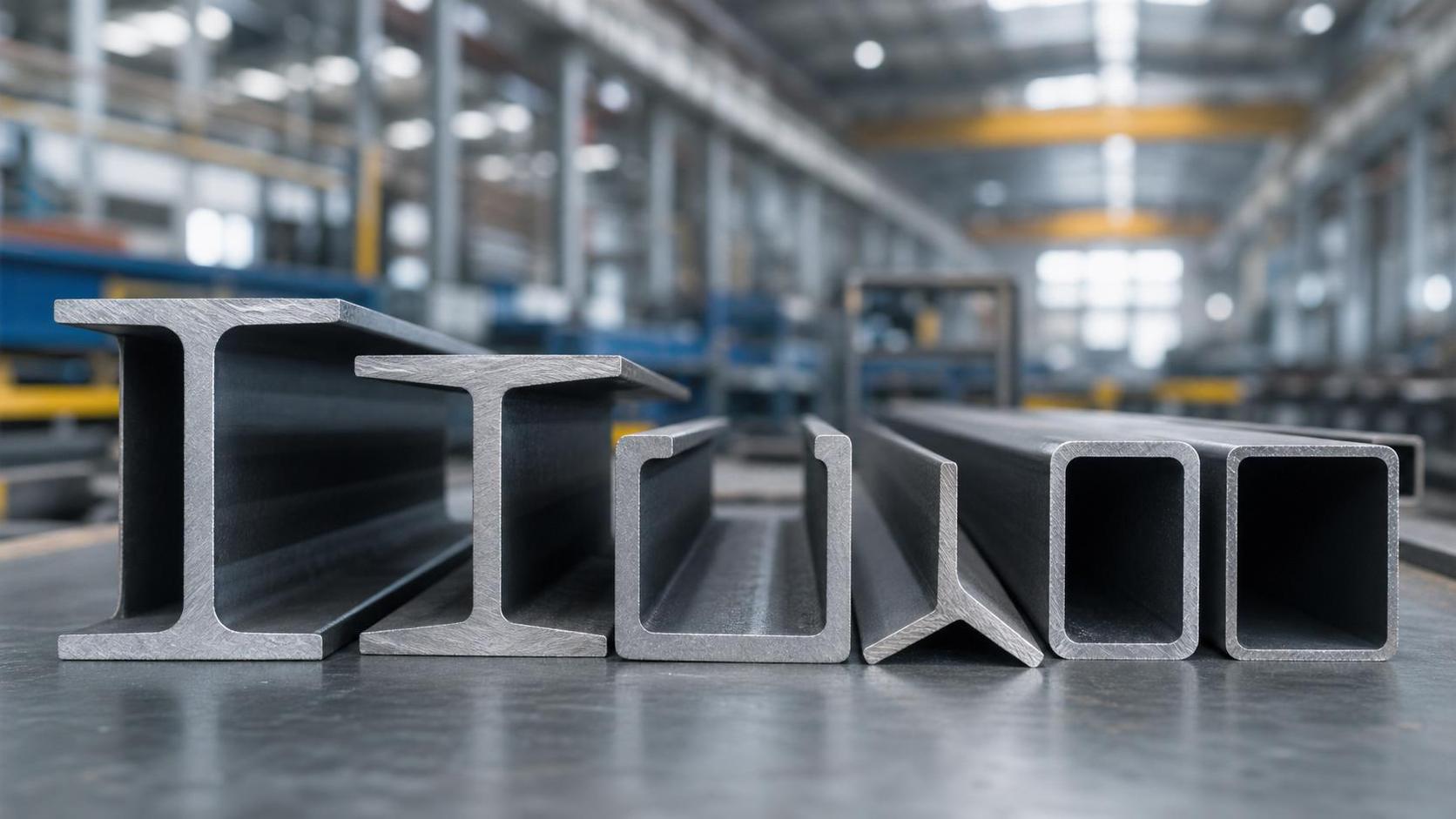
 What Is a Steel Profile? Common Shapes, Uses, and Selection BasicsProfile selection starts with shape, but performance depends on load, fabrication, and standards. Learn common steel profile types, uses, and smart selection basics.
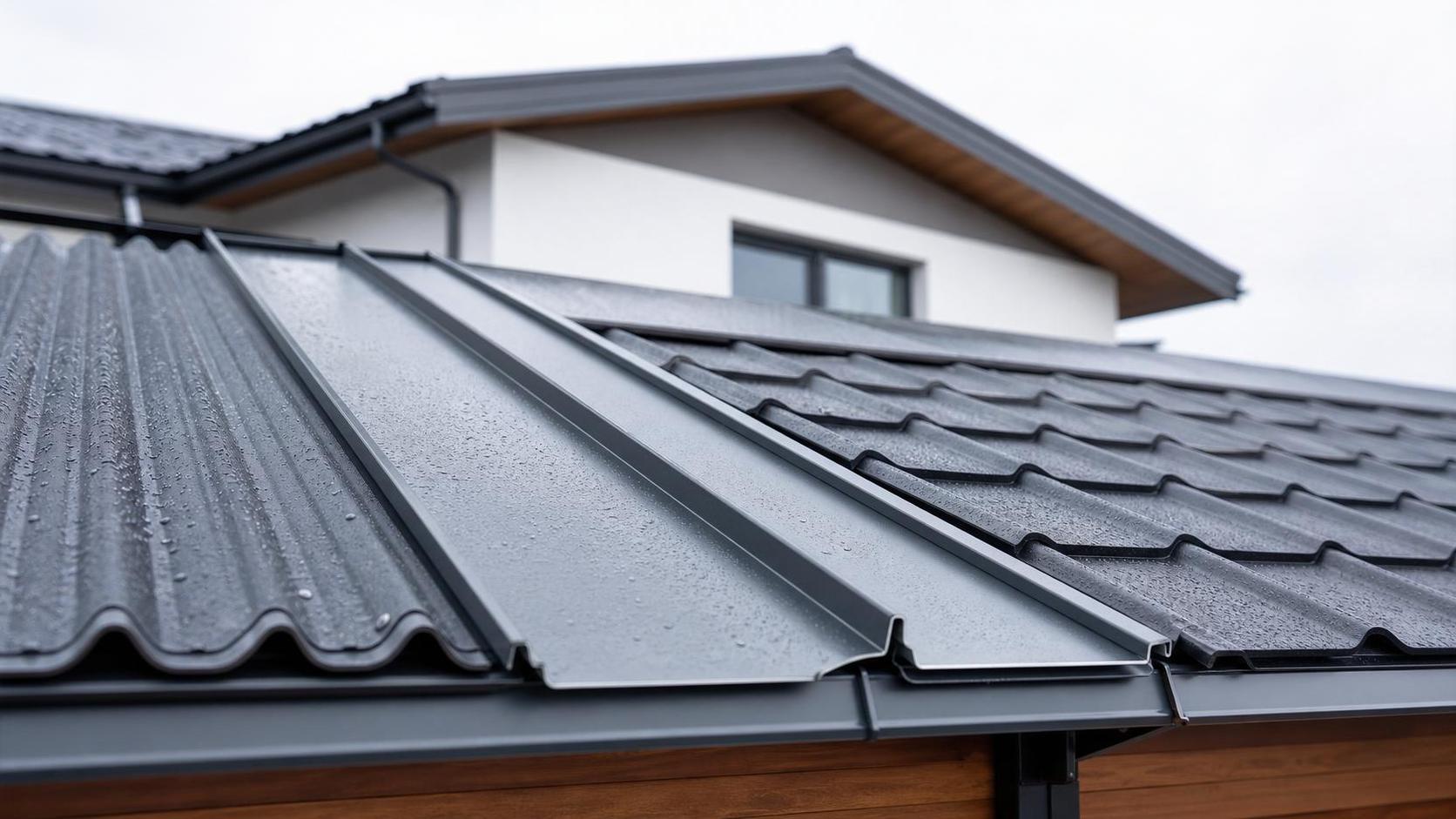
 Steel Roofing Types Explained: Corrugated, Standing Seam, and Metal ShinglesSteel Roofing guide comparing corrugated panels, standing seam, and metal shingles. Discover costs, durability, weather performance, and how to choose the best roof for your home.
 How Hot-Dip Galvanized Coating Thickness Affects Service LifeHot-dip galvanized coating thickness directly affects steel service life. Learn how the right zinc layer improves corrosion protection, controls cost, and supports smarter project decisions.
 Pipe Stainless Grades Explained: 304 vs 316 for Corrosion ResistancePipe stainless grades explained: compare 304 vs 316 for corrosion resistance, cost, and service life. Learn which stainless pipe grade fits marine, chemical, and water system applications.

Please give us a message


Please enter what you want to find